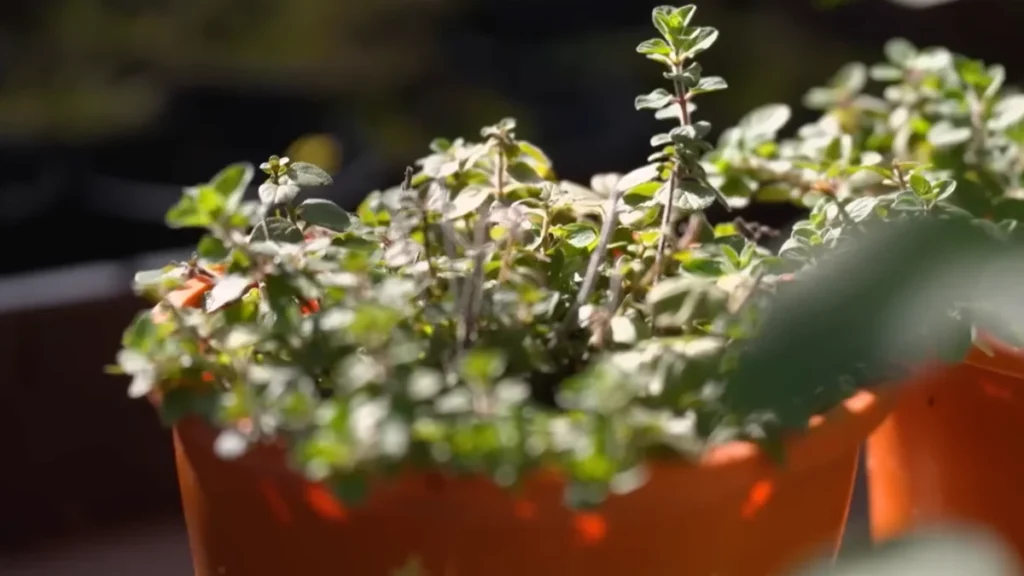
Growing herbs on a balcony often starts with excitement and ends with confusion. The basil looks fine for a week, the mint droops unexpectedly, and the parsley never really takes off. Many apartment gardeners assume they’re doing something wrong, when the real issue usually sits hidden beneath the surface.
The best soil mix for balcony herb gardens is a high-quality potting mix blended with extra drainage material, such as perlite or coarse sand. This combination allows roots to breathe, drains excess water quickly, and still holds enough moisture for daily balcony conditions.
In most cases, the problem isn’t watering or sunlight alone — it’s the soil. Regular garden soil behaves very differently in pots, especially on balconies where wind, heat, and drainage all work against you. Choosing the right soil mix for balcony herb gardens makes a noticeable difference in how herbs grow, recover, and produce usable leaves.
When soil is too dense, it holds water for too long and suffocates roots. When it’s too light, it dries out quickly and stresses the plant. On a balcony, this imbalance shows up fast, often within days.
The good news is that herbs are generally forgiving plants. Once the soil mix is adjusted for container conditions, most balcony herb gardens become easier to maintain, not harder. This article explains what actually works in real apartments — not idealised garden beds.
Understanding the Balcony Reality
Balconies create a very different growing environment compared to backyards. Pots heat up faster, dry out unevenly, and are exposed to constant airflow. Even a sheltered balcony experiences more evaporation than ground-level gardens.
Weight limits also matter. Many apartments can’t support large, heavy planters filled with dense soil. This means balcony gardeners often work with smaller containers, which makes soil quality even more important.
Because of this, herbs on balconies rely entirely on what’s inside the pot. There’s no surrounding soil ecosystem to buffer mistakes. The soil mix must handle drainage, moisture retention, and nutrient availability all at once.
The Best Soil Mix Options for Balcony Herb Gardens
Standard Potting Mix (What Most People Start With)
Most beginners use a generic potting mix straight from the bag. While this works temporarily, many mixes are designed to retain moisture for long periods, which can cause root stress in balconies with limited airflow.
Used alone, standard potting mix often compacts after a few weeks, especially with frequent watering.
Improved Balcony-Friendly Soil Mix (Recommended)
A more reliable option is a modified potting mix designed for containers:
- High-quality potting mix as the base
- Added perlite or pumice for airflow
- A small amount of compost for nutrients
This blend drains well, stays loose, and adapts better to daily watering cycles common on balconies.
DIY Soil Mix (If You Want Full Control)
For gardeners who prefer mixing their own soil, a simple and effective formula is:
- 60% premium potting mix
- 30% perlite or coarse sand
- 10% compost or worm castings
This ratio keeps herbs stable in both hot and mild conditions without becoming waterlogged.
What Soil to Use for a Balcony Garden?
Balcony gardens should always use potting mix, not garden soil. Garden soil is too heavy for containers and tends to compact quickly, reducing oxygen around the roots.
Potting mixes are specifically designed to remain loose and breathable, which is essential when plants are grown in confined spaces like pots and planters.
What Is the Best Soil Mix for Potted Herbs?
Herbs prefer soil that drains freely but doesn’t dry out instantly. Mediterranean herbs like rosemary and thyme prefer slightly drier mixes, while basil and mint tolerate more moisture.
A balanced potting mix with added drainage material works well across most herb varieties, making it ideal for mixed herb planters.
Practical Tips for Balcony Herb Soil
A good soil mix works best when paired with sensible habits:
- Use pots with drainage holes
- Avoid compacting soil when planting
- Refresh the top layer every few months
- Water thoroughly, then allow excess to drain
These small adjustments help the soil perform as intended.
Common Mistakes Balcony Gardeners Make
Even with good intentions, a few habits can undermine the soil mix:
- Using garden soil in pots
- Choosing decorative pots without drainage
- Overwatering dense soil
- Never refreshing old potting mix
- Ignoring how fast balcony pots dry out
These mistakes often cause herbs to struggle despite proper care.
Balcony Gardening in Australian Conditions
In Australia, balcony herbs face additional stress from heat and strong sun. During warmer months, soil dries faster, especially in north- or west-facing apartments.
Lighter soil mixes with good airflow help prevent root damage during heatwaves. In cooler months, the same mix reduces waterlogging after rain or heavy watering.
Balcony Haven Note
On my own balcony, herbs responded noticeably when the growing medium allowed better airflow and moisture balance. Plants appeared less prone to wilting between watering, and roots looked healthier during repotting compared to earlier setups. While not every herb performed the same, fewer plants struggled overall. This can vary between balconies, but soil structure seemed to influence herb reliability more than plant choice alone.
Frequently Asked Questions
What is the best soil mix for potted herbs?
The best soil mix for potted herbs is a light, well-draining potting mix that allows excess water to escape while still holding enough moisture for roots to absorb. Herbs grown in pots rely entirely on the soil inside the container, so dense or compacted mixes can quickly lead to root stress. A premium potting mix improved with drainage material such as perlite or pumice helps keep roots healthy and supports steady growth on balconies.
What soil to use for a balcony garden?
Balcony gardens should always use potting mix rather than garden soil. Garden soil is too heavy for containers and compacts easily, reducing airflow around roots and causing poor drainage. Potting mix is designed specifically for pots and planters, making it better suited to the limited space, increased heat, and frequent watering that balcony gardens experience.
How to grow an herb garden on your balcony?
Growing an herb garden on a balcony starts with choosing the right pots, soil mix, and position. Herbs need containers with drainage holes, a free-draining soil mix, and consistent watering based on sun and wind exposure. Once these basics are in place, most herbs adapt well to balcony conditions and require only light feeding and regular harvesting to stay productive.
What is the best soil mix for raised herb gardens?
The best soil mix for raised herb gardens is similar to pot soil but slightly heavier, as raised beds have more depth and better natural drainage than pots. A blend of quality potting mix and compost works well, providing nutrients while still allowing water to drain freely. Raised gardens are more forgiving than containers, but good drainage is still essential to avoid waterlogged roots.
Final Thoughts
Balcony herb gardening doesn’t require perfect soil — just soil that suits container life. Once the mix drains properly and stays breathable, herbs become far more forgiving.
Start simple, observe how your balcony behaves, and adjust as you go. Most successful balcony gardens are built through small improvements, not complicated setups.
Happy Balcony Gardening!
Leave a Reply