Common Causes and Easy Solutions
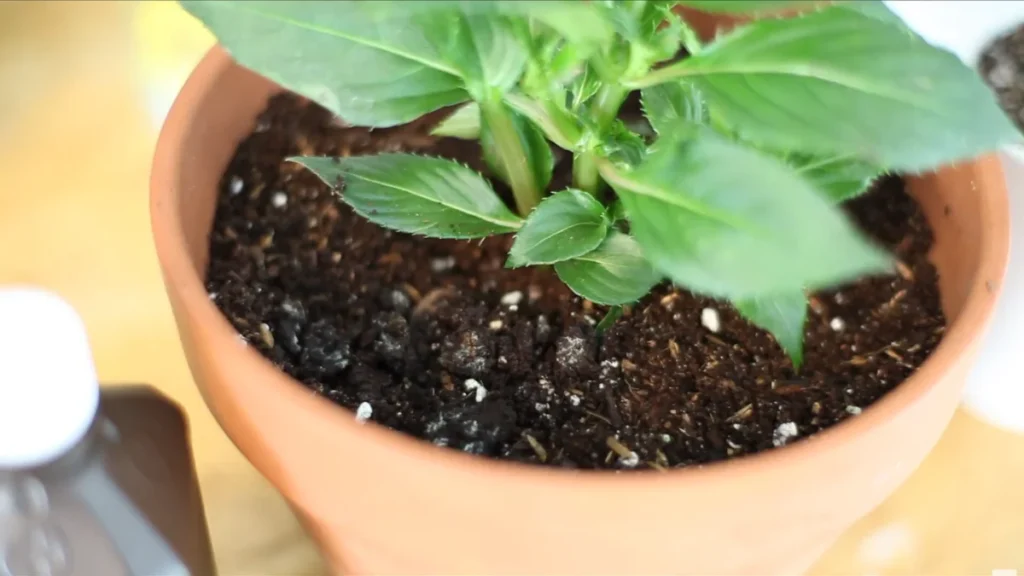
Seeing fungus growing on balcony pot soil can be unsettling, especially when everything else about your plants seems fine. One day the soil looks normal, and the next there’s white fuzz, grey patches, or even small mushroom-like growths appearing on the surface.
Fungus growing on balcony pot soil is usually caused by excess moisture, poor airflow, or organic matter breaking down in the potting mix. Improving drainage, reducing watering frequency, and increasing airflow usually stops it without harming your plants.
In most balcony setups, this issue isn’t caused by poor gardening skills. Fungus usually appears because balcony pots hold moisture differently from garden soil, especially in apartments with limited airflow, partial sun, or sheltered corners. When conditions stay damp for too long, fungi find the environment ideal.
If left alone, the fungus may spread across the soil surface, slow down water absorption, or indicate deeper moisture problems that can eventually affect root health. While it often looks alarming, it’s rarely an emergency—but it is a signal worth paying attention to.
The good news is that fungus growing on balcony pot soil is usually easy to manage once you understand why it happens and how balcony conditions contribute to it. This guide breaks it down clearly and shows you how to fix it without overreacting.
Understanding the Balcony Reality
Balcony pots behave very differently from garden beds. They dry unevenly, receive inconsistent sun, and are often shielded from wind by walls or glass balustrades. While that protection is great for comfort, it also traps humidity around your pots.
Many apartment balconies also rely on premium potting mixes rich in compost or organic matter. These mixes are excellent for plant growth but naturally encourage fungal activity when kept too wet. Add shallow pots, saucers that trap water, or frequent watering, and fungus can appear quickly.
This doesn’t mean your soil is “bad” or unusable. It simply means the micro-environment on a balcony is favouring fungal growth more than evaporation.
Why Fungus Appears on Balcony Pot Soil
Fungus doesn’t appear by accident. On balconies, it usually develops when several small environmental factors combine and quietly create the perfect conditions for fungal growth. Most of these factors are linked to how water, air, and light behave differently in apartments compared to open gardens.
Too Much Moisture for Too Long
Balcony pots often stay wet far longer than gardeners realise. Unlike garden beds, excess water can’t drain into the ground, so it lingers inside the pot—especially during cooler, cloudy, or humid periods. Even when the soil surface looks dry, moisture may still be trapped deeper in the pot, encouraging fungus to grow on top. This is especially common when watering habits don’t change with the seasons. Watering routines that work in summer can easily become too much in autumn or winter.
Limited Air Circulation
Many balconies are sheltered by walls, glass panels, or surrounding buildings. While this protects plants from strong winds, it also reduces airflow around pots and soil. Without moving air, moisture evaporates more slowly, leaving the soil surface damp for longer periods. Fungi thrive in these still, humid conditions, particularly on balconies that feel calm and enclosed even on breezy days.
Organic-Rich Potting Mix
Most high-quality potting mixes are designed to support healthy plant growth, which means they’re rich in organic matter such as compost, bark, or coconut coir. As these materials naturally break down, they create food for fungi. This doesn’t mean the soil is bad or contaminated—it means it’s biologically active. When combined with excess moisture, fungal growth on the soil surface becomes more noticeable.
In many cases, recurring fungus is less about watering and more about the potting mix itself, especially on balconies where drainage and airflow are limited. If you’re unsure whether your current mix is helping or making things worse, this guide on best soil mix for balcony herb gardens explains what actually works in apartment conditions.
Shaded or Part-Sun Positions
Balcony plants that receive limited direct sunlight tend to dry more slowly, especially in the morning. Without sun to warm and dry the soil surface, moisture remains trapped near the top layer, creating ideal conditions for fungus to appear. Shaded balconies, south-facing positions, or areas blocked by neighbouring buildings are particularly prone to this, even when watering seems reasonable.
Is Fungus on Pot Soil Harmful?
In most cases, surface fungus is more of a warning sign than a direct threat. Many fungi are harmless decomposers and don’t attack healthy plant roots.
However, persistent fungus can indicate conditions that may lead to problems later, such as root rot or poor oxygen flow in the soil. It can also make the surface crusty, preventing water from soaking in properly.
The key is not panic—but adjustment.
How to Remove Fungus From Balcony Pot Soil
Start with small changes before reaching for treatments. Most fungus issues clear up once conditions improve.
- Gently scrape away visible fungus from the soil surface
- Let the top few centimetres of soil dry out between waterings
- Empty saucers after watering so pots aren’t sitting in water
- Move the pot to a brighter or breezier spot if possible
- Loosen compacted soil to improve airflow
If fungus keeps returning, replacing the top layer of soil with fresh, well-draining mix is often enough.
Do You Need to Replace the Soil Completely?
Not usually. Full soil replacement is only necessary if the pot smells sour, stays wet for days, or the plant shows signs of stress like yellowing or wilting despite correct watering.
In healthy plants, surface fungus alone doesn’t justify dumping the entire pot. Think of it as a moisture indicator rather than a failure.
Common Balcony Mistakes That Encourage Fungus
Even experienced balcony gardeners run into this.
- Watering on a schedule instead of checking soil moisture
- Using pots without drainage holes
- Leaving water permanently in saucers
- Over-mulching the soil surface
- Keeping pots pressed against walls with no airflow
Correcting just one or two of these often solves the problem.
Balcony Gardening in Australia: A Local Note
In many parts of Australia, humidity spikes after rain or during warm evenings—even in apartments. South-facing balconies, shaded high-rises, and enclosed patios are especially prone to damp soil conditions.
During cooler months, plants also use less water, so watering habits that worked in summer may suddenly cause fungal growth in autumn or winter.
The Balcony Haven Note
With fungus growing on balcony pot soil, it often shows up even when a plant looks healthy above the surface. This usually seems linked to how moisture behaves on balconies, where airflow and weather can differ from gardens on the ground. Rich soil can stay damp longer than expected, especially in small spaces. Because of that, fungus often reflects the conditions around the pot rather than a serious problem with the plant itself.
Frequently Asked Questions
What is the white fungus on potting soil?
The white fungus on potting soil is usually a natural surface fungus that feeds on organic material like compost or bark in the mix. It appears when the soil stays damp for long periods, which is common on balconies with limited airflow or shade. In most cases, it’s harmless to plants and is simply a sign that the soil is staying wetter than it needs to be.
Can fungus kill my balcony plants?
Fungus on the soil surface rarely kills balcony plants on its own. The real concern isn’t the fungus itself, but the conditions that allow it to grow—such as overwatering or poor drainage. If those conditions continue, roots can eventually suffer from lack of oxygen or rot, which is what actually harms the plant.
Should I spray fungicide on pot soil?
In most balcony setups, fungicide isn’t necessary and often doesn’t solve the real problem. Sprays may remove the visible fungus temporarily, but it will usually return if the soil remains too wet. Improving drainage, watering less frequently, and increasing airflow are far more effective and safer for long-term plant health.
Does sunlight kill soil fungus?
Sunlight doesn’t directly “kill” soil fungus, but it helps by drying out the soil surface. Fungi struggle in dry, well-aerated conditions, so brighter light and better airflow naturally reduce their growth. Even a small increase in morning sun or exposure to breeze can make a noticeable difference on a balcony.
Final Thoughts
Fungus growing on balcony pot soil is common, especially in apartments where moisture behaves differently than in gardens. It’s not a failure—it’s feedback from your space.
Make small adjustments, observe how your pots respond, and let your balcony guide you. Over time, you’ll learn exactly how your environment behaves, and issues like this become easier to prevent.
Happy Balcony Gardening!
Leave a Reply