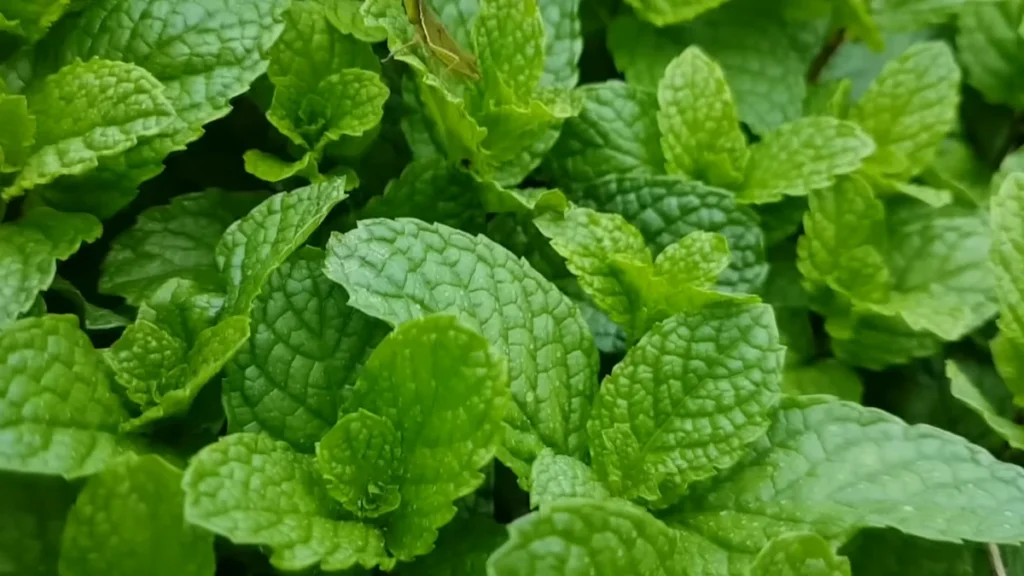
What Apartment Gardeners Need to Know
Mint is one of the first herbs many apartment dwellers choose to grow on a balcony. It smells fresh, grows quickly, and feels almost impossible to kill. At first, mint seems like the perfect low-effort plant for small spaces. But after a few weeks or months, many balcony gardeners start to notice something unexpected — the mint isn’t just growing, it’s spreading.
Mint spreads in small balcony pots because it naturally grows sideways through underground runners, not because the pot is too small. On balconies, keeping mint under control is about managing roots, blocking escape paths, and pruning regularly — not giving the plant more space. With the right setup, mint can thrive in small pots without taking over your balcony.
The signs often appear gradually. The plant becomes bushier, the pot feels tighter, and growth starts to look harder to manage. Over time, mint may push through drainage holes, crowd itself, or even appear in nearby pots. In a small balcony setup where every centimetre counts, this kind of spreading can quickly feel overwhelming.
Understanding why mint behaves this way is the key to growing it successfully in a confined space. Once you recognise how mint grows and what triggers its spread, it becomes much easier to manage — even on the smallest balcony.
Why Mint Spreads So Aggressively in Pots
Mint evolved to survive by spreading. In nature, it sends underground runners in all directions to quickly colonise new ground. This growth habit helps mint outcompete other plants and survive harsh conditions. When you place mint in a pot, that instinct does not disappear — it simply has fewer places to go.
In a garden bed, mint spreads outward across soil. In a pot, the roots hit hard boundaries almost immediately. Instead of stopping, the runners circle the pot, thicken, and look for weak points such as drainage holes. This is why mint often looks perfectly healthy above the soil while becoming root-bound below.
Balcony environments make this behaviour even more noticeable. Warm concrete, reflected heat, and protected conditions often speed up mint’s growth. When combined with regular watering, mint receives constant signals to expand.
Why Small Balcony Pots Amplify the Problem
Many apartment gardeners assume mint spreads because the pot is too small, so the natural response is to move it into a larger container. While this sounds logical, it often backfires.
A larger pot does not slow mint down. Instead, it provides more soil for runners to explore, more moisture to support rapid growth, and more time before the roots need intervention. The plant becomes larger and more productive above ground, but also far more aggressive below the surface.
In small balcony setups, the real issue is not pot size — it is lack of root control. Mint does not self-regulate. Without intervention, it will always attempt to spread as far as possible, regardless of container size.
What Most Apartment Gardeners Get Wrong About Mint
Mint’s reputation as an “easy herb” causes many balcony gardeners to underestimate it. Because mint survives neglect, people assume it does not require management. In reality, mint needs different care, not less care.
One of the most common mistakes is planting mint alongside other herbs in shared containers. Mint almost always outcompetes its neighbours underground, even if everything looks fine above soil for months. Another common mistake is placing mint pots directly on the balcony floor or trays, which allows runners to escape unnoticed.
Mint also responds strongly to inconsistent watering. Periods of dryness followed by heavy watering can trigger aggressive root growth as the plant searches for stable moisture.
What’s Really Happening Below the Soil
Mint spreading in balcony pots is mostly invisible until it becomes a problem. Underground, runners grow horizontally rather than downward. These runners thicken over time and create dense root mats that fill every available gap.
In small containers, roots often spiral tightly around the pot walls. Once this happens, water drains poorly, nutrients are depleted faster, and the plant begins pushing outward rather than upward. Drainage holes become exit points, not just water outlets.
This is why mint sometimes appears in nearby pots even when you never planted it there. A runner may have quietly crossed through a drainage tray or surface contact point weeks earlier.
The Best Way to Contain Mint on a Balcony
For apartment gardeners, isolation is more important than size. Mint performs best when it is grown alone, in a container that discourages easy escape and forces you to check roots regularly.
Thick-walled pots slow root expansion better than thin plastic containers. Terracotta pots, in particular, naturally limit excessive moisture, which helps reduce aggressive growth. While mint likes water, it spreads faster when conditions are constantly perfect.
Raising the pot slightly off the balcony surface also makes a difference. Even a small gap prevents runners from reaching other containers and forces growth to remain contained.
Root Pruning: The Balcony Gardener’s Secret Weapon
Root pruning is one of the most effective ways to manage mint in small spaces, yet many apartment gardeners never consider it. While it may sound intimidating, mint responds extremely well to root pruning.
Every few months, gently removing the plant from its pot and trimming back a portion of the root mass resets its growth cycle. This prevents the plant from becoming root-bound and limits its ability to spread aggressively. Fresh potting mix improves drainage and nutrient balance, encouraging healthier but more controlled growth.
In a balcony setting, root pruning is far more effective than constantly moving mint into larger containers. It keeps the plant productive without allowing it to dominate your limited space.
Does Harvesting Keep Mint Under Control?
Harvesting helps, but it is not a complete solution. Cutting mint regularly encourages bushier growth and prevents tall, leggy stems. It also slightly reduces the plant’s energy reserves.
However, mint prioritises root expansion. Even heavily harvested plants will continue sending runners underground. Harvesting works best when combined with root management and container control.
For apartment gardeners who use mint frequently, regular harvesting paired with occasional root pruning creates a balanced system that keeps the plant manageable.
Are Some Mint Varieties Better for Small Pots?
All mint spreads, but some varieties grow faster and denser than others. Peppermint and chocolate mint tend to produce aggressive runners quickly, while spearmint spreads at a steadier pace. Apple mint produces large leaves but becomes root-bound faster in small containers.
While variety choice can influence how often you need to intervene, no mint variety is truly suitable for neglect in small balcony pots. Management matters far more than selection.
Balcony Placement Makes a Bigger Difference Than You Think
Mint grows faster in warm, sheltered balcony positions. Full afternoon sun, heat reflected from walls, and protection from wind all encourage rapid growth.
If your balcony is small, placing mint where it receives morning sun and some airflow can naturally slow its expansion. This does not harm the plant but helps keep growth more compact and manageable.
Even small adjustments in placement can noticeably reduce how often mint needs intervention.
Should Apartment Gardeners Grow Mint at All?
Mint is absolutely worth growing on a balcony — as long as expectations are realistic. Mint is not a decorative, low-maintenance herb for small spaces. It is a productive, vigorous plant that rewards attention.
When grown with intention, mint provides constant harvests, survives pruning mistakes, and recovers quickly from stress. The key is accepting that mint needs management, not freedom.
Final Thoughts and Advice
If there is one thing apartment gardeners should remember, it is this:
Mint does not misbehave in small balcony pots — it behaves exactly as designed.
Once you stop trying to “give it space” and start managing its roots, mint becomes one of the most reliable and enjoyable balcony herbs you can grow.
Happy Balcony Gardening!
Leave a Reply