Overview
If you’ve ever touched a balcony pot in summer and pulled your hand back quickly, you’re not imagining things. On many balconies, pots heat up far more than the air around them, especially during sunny afternoons. Plants that looked fine in the morning can suddenly droop, wilt, or stop growing by late afternoon, even when the soil is moist.
Overheating balcony pots in summer happens because containers absorb and trap heat faster than garden soil. Hard surfaces, reflected sunlight, limited airflow, and small pot sizes all work together to raise root temperatures. When roots get too hot, plants struggle to take up water properly, even if you’ve watered well.
If this continues, plants may look stressed day after day. Leaves can curl, flowers may drop, and growth can slow or stall altogether. This often leaves balcony gardeners feeling confused, especially when watering more doesn’t seem to fix the problem.
The good news is that pot overheating is usually about balcony conditions, not gardening skill. Once you understand why it happens and what makes it worse, small changes can make a noticeable difference. This article breaks it down in a simple, realistic way for apartment balconies.
Table of Contents
Understanding the Balcony Reality
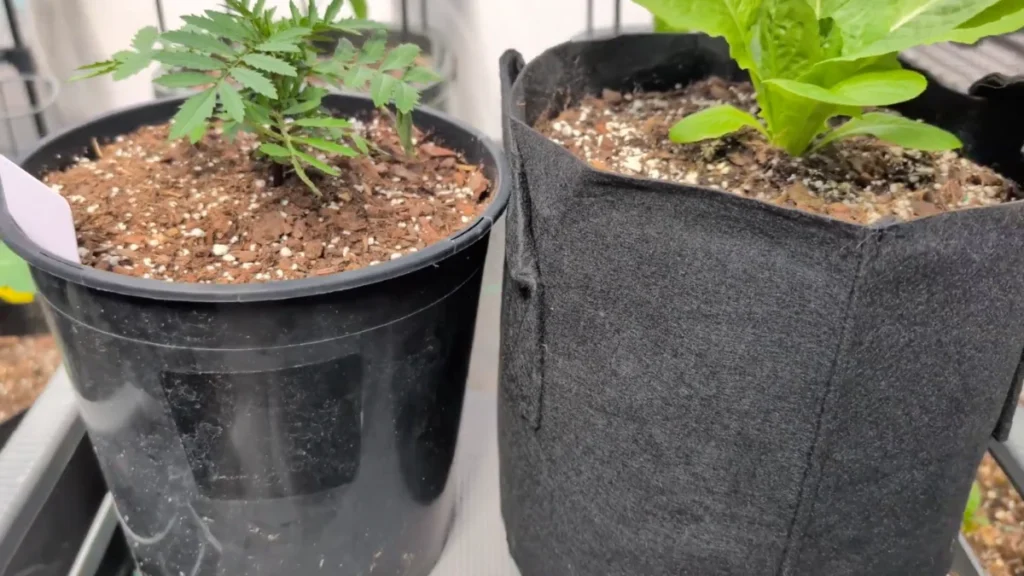
Balconies behave very differently from ground gardens. Sunlight often hits pots from the side as well as above, and nearby walls, glass, or metal railings can reflect heat back onto containers. Unlike garden soil, pots have limited insulation, so heat builds up quickly and escapes slowly.
Wind can make things more confusing. While airflow can cool leaves, it can also dry pot surfaces faster, allowing heat to penetrate deeper into the container. On upper floors, wind and sun often arrive together, creating harsher conditions than expected.
Space and weight limits also play a role. Many balcony gardeners use smaller or lighter pots for safety reasons, but smaller containers heat up much faster than larger ones. All of this means that even “full sun” plants can struggle when grown in pots on balconies during summer.
Why Balcony Pots Overheat Faster Than You Expect
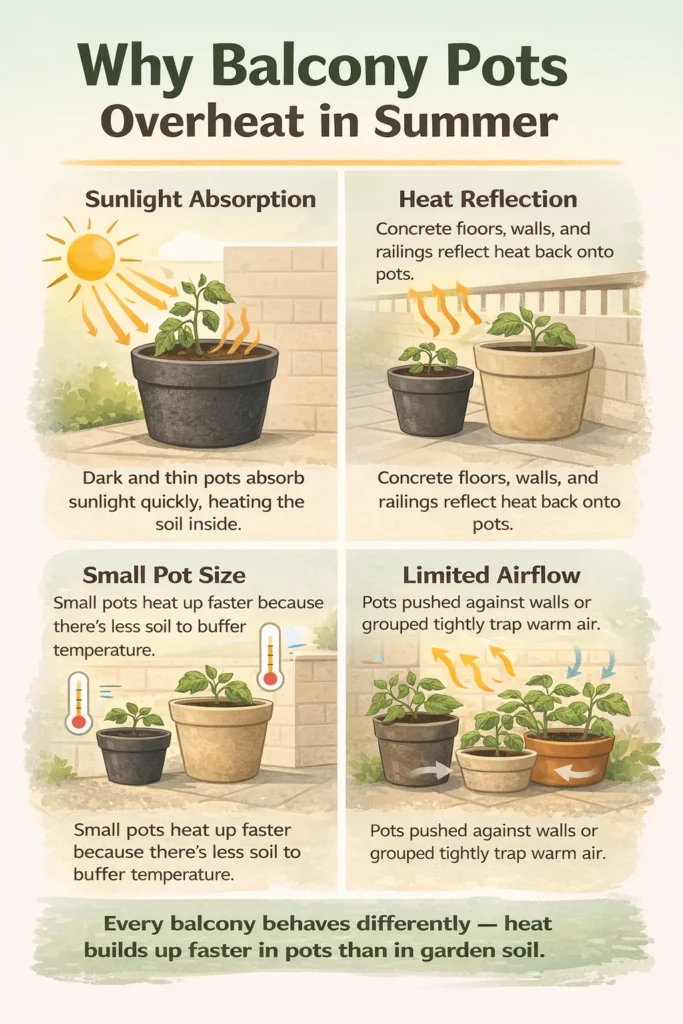
Dark pots absorb more heat
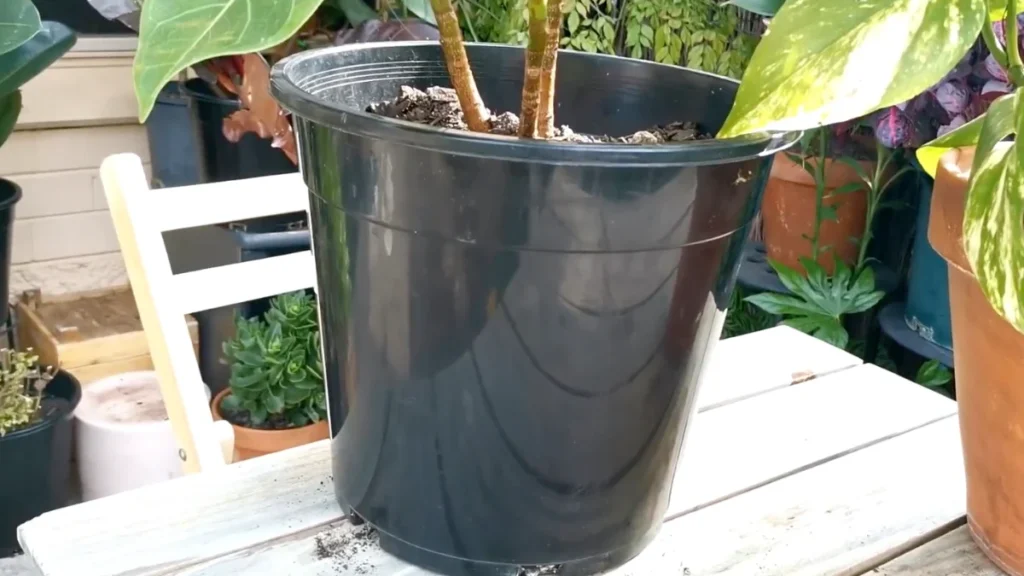
Dark-coloured pots soak up sunlight quickly. In summer, this heat transfers straight through the pot walls and into the soil, raising root temperatures faster than most plants can tolerate.
Small pots heat up faster
Less soil means less insulation. Small pots can swing from cool to very hot within a few hours, especially on west- or north-facing balconies.
Hard surfaces reflect heat
Concrete floors, tiles, and nearby walls bounce heat back onto pots. Even shaded pots can overheat if they sit on hot surfaces.
Limited airflow around containers
Pots pushed tightly against walls or grouped too closely can trap warm air, preventing natural cooling.
What Temperature Is Too Hot for Potted Plants?
Most balcony plants prefer root temperatures between 18–30°C. Once soil temperatures rise above 35°C, roots begin to struggle. At 40°C and above, root damage can occur, even if leaves still look green for a short time.
This is why plants may wilt in the afternoon sun but appear to “recover” in the evening. The roots cool down overnight, but repeated heat stress weakens the plant over time.
How to Protect Balcony Plants From Summer Heat
Choose pot size carefully
Larger pots hold more soil, which acts like insulation. Even a small increase in pot size can slow down how fast heat reaches the roots.
Raise pots off hot floors
Placing pots on pot feet, wooden slats, or stands allows air to circulate underneath and reduces heat transfer from concrete or tiles.
Use lighter-coloured containers
Light-coloured pots reflect more sunlight and stay cooler than dark ones. This alone can lower soil temperatures by several degrees.
Group plants thoughtfully
Grouping pots can create shade for container sides, but leave enough space for airflow so heat doesn’t build up between them.
Practical Cooling Tips for Overheating Balcony Pots
A few simple adjustments can help pots cope better during hot weather:
- Move pots slightly away from reflective walls during peak heat
- Water earlier in the morning so soil starts the day cooler
- Use mulch on the soil surface to slow heat penetration
- Rotate pots so the same side isn’t always facing direct sun
- Add temporary shade during extreme heat days
Each balcony is different, so changes work best when adjusted gradually rather than all at once.
Common Mistakes That Make Pot Overheating Worse
Even well-meaning habits can increase heat stress:
- Watering only in the afternoon when pots are already hot
- Using very small decorative pots for sun-loving plants
- Placing pots directly on concrete without insulation
- Assuming drooping always means lack of water
- Grouping pots tightly against hot walls
Recognising these patterns helps explain why some plants struggle despite regular care.
Summer Heat on Australian Balconies
In Australia, summer sun can be intense even outside peak heatwaves. Balconies facing west or north often receive strong afternoon sun, when air temperatures and reflected heat are highest. Coastal balconies may feel cooler, but humidity can trap warmth around pots, slowing cooling overnight.
Because seasons and sun angles shift, pots that cope well in spring can suddenly overheat in summer. This makes seasonal adjustments just as important as plant choice.
Balcony Haven Note
During hot summer days on a typical apartment balcony, I’ve noticed that limitations like heat, wind, and container size often matter more than plant variety alone. Heat buildup, wind exposure, and container size tend to affect how plants cope during hot days. This can vary from one balcony to another depending on layout and surrounding surfaces.
If shading is part of the challenge, Cheap shade solutions for balcony plants explains practical, renter-friendly ways to reduce sun exposure without permanent fixtures. This article focuses on flexible options that work well during summer heat while still allowing light and airflow.
FAQs
Can pots really get too hot for plants?
Yes. Pots can heat up much faster than garden soil, especially in direct sun. High root temperatures can stress or damage plants even when watering is adequate.
How do I know if heat is the problem or underwatering?
If soil feels moist but plants wilt during the hottest part of the day and recover in the evening, heat stress is often involved rather than lack of water.
Do plastic pots overheat more than ceramic?
Thin plastic pots can heat up quickly, especially dark ones. Thicker ceramic or terracotta pots often buffer heat better, though colour and placement still matter.
Is afternoon sun worse than morning sun for pots?
Afternoon sun is usually stronger and comes when air temperatures are already high, increasing the risk of overheating compared to gentler morning sun.
Final Thoughts
Overheating balcony pots in summer is a common issue for apartment gardeners, especially during long sunny days. It doesn’t mean you’re doing anything wrong, and it’s not a sign that balcony gardening isn’t for you.
By paying attention to how heat builds up around your pots and making small adjustments over time, conditions often improve naturally. Balconies respond differently depending on layout, sun direction, and materials, so learning what your space does best is part of the process.
With patience and observation, summer heat becomes something you work around rather than fight against—and your plants will usually show you when things start to feel right.
Happy Balcony Gardening!
Leave a Reply