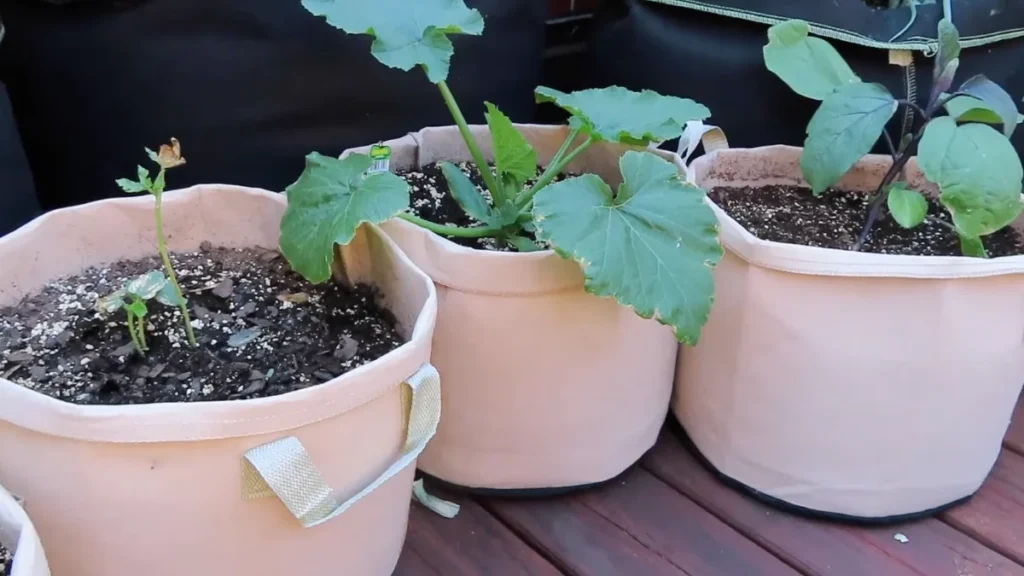
If you garden on a balcony, you’ve probably looked at grow bags and wondered if they are a smart shortcut or just another thing that works better in gardens than apartments. They look light, flexible, and space-friendly, which sounds perfect for balconies. But balcony conditions are rarely as forgiving as they seem.
Using grow bags on balconies works well when they’re matched to real balcony conditions. Because balconies have more wind, faster-drying soil, and heat reflected from walls and floors, grow bags need closer attention than garden containers to prevent plants from drying out or stressing quickly.
Grow bags work best on balconies because they are lightweight, drain well, and help roots breathe better than many plastic pots. At the same time, they dry out faster, tip more easily in wind, and need closer attention than rigid containers. When you understand these trade-offs, grow bags become a useful tool rather than a frustration.
This article breaks down how grow bags behave on balconies, when they help, when they cause problems, and how to use them in a way that suits apartment living rather than ideal garden conditions.
Table of Contents
Understanding the Balcony Reality
Balconies are not small gardens in the sky. They behave more like exposed platforms that change quickly with weather, sun angle, and airflow. A grow bag that performs well in a backyard can behave very differently once it is lifted off the ground and surrounded by hard surfaces.
Sunlight often arrives at sharper angles, especially in apartments facing east or west. Wind moves faster between buildings and pulls moisture out of containers more quickly. Weight limits also matter, which is why many balcony gardeners turn to grow bags in the first place.
Grow bags respond strongly to these conditions. They cool roots better than solid pots in hot weather, but they also lose water faster. This balance is what makes them either helpful or frustrating, depending on how they are used.
Why Grow Bags Appeal to Balcony Gardeners
Grow bags are popular on balconies because they solve several common apartment problems at once. They are easy to move, easy to store, and lighter than ceramic or concrete pots.
They also allow air to reach the root zone from the sides, not just the bottom. This helps reduce soggy soil and root problems, which are common in small balcony containers.
Another benefit is flexibility. Grow bags can fit into narrow corners, line railings, or sit under benches where rigid pots struggle. For renters, they are also easy to pack away when moving.
Choosing the Right Grow Bag Size for Balconies
| Grow Bag Size | Best For on Balconies | What to Expect |
|---|---|---|
| 5–10 litres | Herbs, lettuce, spinach | Dries quickly, easy to move, needs frequent checking |
| 15–25 litres | Tomatoes, chillies, peppers | Best balance of moisture, weight, and stability |
| 30+ litres | Large plants if space allows | Heavy when wet, harder to move, needs wind protection |
Small grow bags (5–10 litres)
Small grow bags suit herbs and leafy greens that do not need deep root systems. They work well on narrow balconies or shelves but dry out quickly, especially in warm weather.
They are best used where watering access is easy and plants can be checked often.
Medium grow bags (15–25 litres)
This size is usually the best balance for balcony use. It provides enough soil volume to hold moisture while remaining light enough for apartment weight limits.
Medium grow bags suit tomatoes, chillies, peppers, and compact vegetables when balcony conditions are reasonable.
Large grow bags (30 litres and above)
Large grow bags can work on balconies but need careful placement. Once filled and watered, they become heavy and difficult to move. They are better suited to stable corners protected from wind.
On small balconies, bigger is not always better if the space cannot support it safely.
Are Grow Bags Good for a Balcony?
Yes, grow bags are good for balconies when used with the balcony environment in mind. They are especially useful where weight, drainage, and airflow are concerns.
They are less forgiving than plastic pots when watering is irregular. On hot or windy balconies, this can mean plants dry out faster than expected. For gardeners who check their plants often, this is manageable. For hands-off setups, rigid pots may be easier.
What Is the Downside of Grow Bags?
The main downside of grow bags is moisture control. Because air passes through the sides, water evaporates faster than in solid containers.
On balconies, this effect increases due to wind and reflected heat. Grow bags can also tip over if placed in exposed positions or if plants grow tall and top-heavy.
Another downside is durability. Over time, cheaper grow bags can weaken from sun exposure and repeated watering.
Using Grow Bags on Balconies Without Common Problems
Grow bags work best on balconies when small adjustments are made to suit apartment conditions.
A short list of practical considerations:
- Place grow bags where wind is reduced
- Use saucers or trays to slow moisture loss
- Choose thicker fabric bags for durability
- Avoid placing them directly on hot concrete
These small choices help grow bags behave more like stable containers rather than drying out too quickly.
Can Grow Bags Be Used Outside on Balconies?
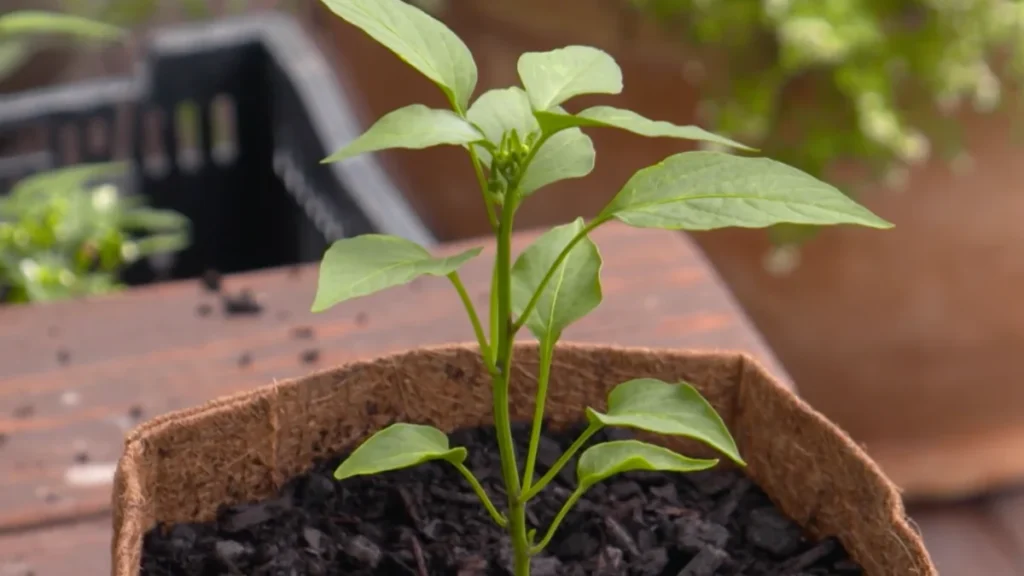
Grow bags are designed for outdoor use and handle rain and sun well. On balconies, they benefit from partial shelter rather than full exposure.
Covered balconies, recessed layouts, or positions near walls usually give the most consistent results. Fully exposed balconies may require more frequent monitoring.
How to Maximise Balcony Crop Yield in Grow Bags
On balconies, crop yield is usually limited by small, repeated stress, not by lack of care. Grow bags respond quickly to wind, heat, and moisture changes, which means plants can slow down even when they appear healthy.
Because grow bags dry faster than rigid pots, steady soil conditions matter more than trying to push growth. When moisture levels swing too often, plants tend to focus on maintaining roots and leaves rather than producing flowers or fruit.
Exposure also plays a role. A grow bag placed in strong wind or reflected heat behaves like a much smaller container, even if its volume seems adequate. Yield tends to improve when grow bags sit in more stable positions where temperature and moisture change less throughout the day.
A few patterns that often support better balcony yields:
- More consistent moisture leads to steadier growth
- Slight shelter usually outperforms full exposure
- Grow bags that suit the balcony conditions perform better than oversized plants
Seasonal changes matter too. Grow bags often perform differently across the year, and a setup that works well in one season may need patience in another.
Common Mistakes With Grow Bags on Balconies
Many grow bag problems come from garden advice that does not translate well to apartments.
Common issues include:
- Using bags that are too small for fruiting plants
- Placing bags in high-wind corners
- Underestimating how fast fabric containers dry
- Setting bags directly on heat-absorbing surfaces
- Treating grow bags like garden beds rather than containers
Avoiding these mistakes makes grow bags far easier to manage.
Local and Seasonal Balcony Considerations
In Australian apartments, summer heat and dry air can exaggerate how quickly grow bags lose moisture. West-facing balconies feel this most strongly in the afternoon.
During cooler months, grow bags cool down faster than plastic pots, which can slow growth. Positioning becomes more important than container type during these periods.
Balcony Haven Note
When using grow bags on my own balcony, I’ve noticed that wind, heat, and how close the bags sit to hard surfaces seem to affect them more quickly than rigid pots. Moisture levels change faster, and small shifts in position can noticeably alter how plants respond. This experience has varied with different seasons and layouts, which reminds me that grow bags tend to reflect the balcony environment very directly.
If water loss has been a challenge when using fabric containers, Balcony soil drying out too fast explains why balcony soil behaves differently and how container choice plays a role. This article adds useful context to managing grow bags in exposed spaces.
Frequently Asked Questions
Are grow bags better than plastic pots for balconies?
Grow bags offer better airflow and drainage, but plastic pots hold moisture longer. Which is better depends on how often you can check your plants and how exposed your balcony is.
Do grow bags overheat on balconies?
Grow bags usually stay cooler than plastic pots, but they can still heat up if placed on concrete or in full afternoon sun. This matters most on exposed balconies, where reflected heat can warm the root zone faster than expected.
How long do grow bags last outdoors?
Good quality grow bags often last several seasons. Sun exposure and fabric thickness affect durability, with thicker bags generally holding their shape and drainage better over time.
Can grow bags sit directly on balcony floors?
They can, but placing them on trays or feet helps reduce heat transfer and moisture loss. This also improves airflow underneath, which can make watering more predictable on balconies.
Final Thoughts
Using grow bags on balconies is less about following perfect rules and more about working with real apartment conditions. They can be an excellent option when weight, drainage, and flexibility matter.
Balcony gardening is always a balance of observation and adjustment. Grow bags respond quickly to their environment, which makes them informative containers if you pay attention to how your space behaves.
Start with what your balcony can comfortably support, watch how moisture and wind affect your plants, and let the space guide small changes over time. That approach leads to steadier results than trying to force ideal setups onto an apartment balcony.
Happy Balcony Gardening!
Leave a Reply