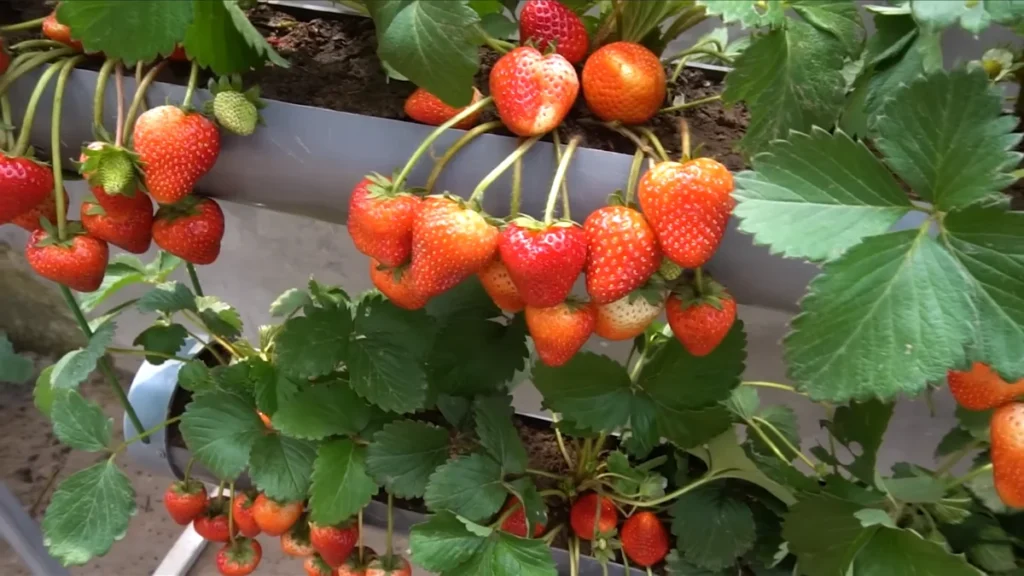
Getting Strawberries to Actually Produce Fruit on a Balcony
Growing strawberries on an apartment balcony sounds simple until you actually try it. The plants look healthy at first, then runners tangle, soil dries out too fast, and fruit stays small or never ripens properly. When space is tight and planters are narrow, strawberries can quickly become more frustrating than rewarding.
Yes, strawberries can grow successfully in narrow balcony planters if the planter is at least 18–20 cm deep, drains well, and receives 4–6 hours of direct sun. Long troughs, railing planters, and vertical systems work best when spacing and watering are managed carefully.
The good news is that strawberries in narrow balcony planters can grow and fruit well, as long as the planter shape, depth, and placement work with balcony conditions rather than against them. Strawberries are surprisingly adaptable, but they do have limits—especially when root space is restricted.
When narrow planters aren’t chosen carefully, strawberries struggle with shallow roots, heat stress, and uneven moisture. This often leads to lots of leaves but very few berries, which is usually when people give up on them altogether.
This guide is written specifically for apartment balconies—railings, slim troughs, vertical planters, and space-saving setups. You don’t need a big garden or wide pots. You just need the right kind of narrow planter and realistic expectations.
Understanding the Reality of Balcony Strawberry Growing
Balconies are very different from garden beds. Sunlight is often directional, wind exposure is higher, and narrow planters heat up faster than large pots. Strawberries don’t mind being compact plants, but their roots still need consistent moisture and room to spread slightly.
Another balcony challenge is weight. Many apartment dwellers choose narrow planters specifically to reduce load on railings or tiled balconies. This is sensible, but it also means less soil volume—which directly affects how often you’ll need to water and feed your plants.
Strawberries will adapt to small spaces, but they won’t tolerate neglect in narrow containers. The narrower the planter, the more important planter depth and drainage become.
Choosing the Best Narrow Planter for Balcony Strawberries
Long Trough Planters (Best Overall Choice)
Long, narrow trough planters are one of the most reliable options for balcony strawberries. They provide horizontal space for multiple plants while still fitting along railings or balcony edges.
The key advantage is root spread. Even if the planter isn’t wide, strawberries can grow laterally, which reduces competition and stress.
Railing Planters (Good With Care)
Railing planters are popular for apartments, but not all are strawberry-friendly. Many are too shallow, which causes roots to overheat and dry out quickly.
If you’re using railing planters, depth matters more than width. A deep, well-draining railing planter will outperform a wider but shallow one every time.
Vertical Planters and Pipe Systems (Space-Saving Option)
Vertical strawberry planters and PVC-style systems are excellent for very narrow balconies. They allow you to grow multiple plants without sacrificing floor space.
However, these systems tend to dry out faster and require more frequent watering, which means they work best for gardeners who are comfortable checking soil moisture regularly. On narrow balconies, this often shows up as soil drying out much faster than expected, especially in warm or windy conditions—a common issue many apartment gardeners run into.
How Deep Does a Narrow Planter Need to Be for Strawberries?
Strawberries may look like compact plants, but their root systems are more active than many balcony growers expect. When grown in narrow planters, root depth plays a much bigger role in plant health and fruit production than width alone.
For reliable growth, a narrow planter should be at least 18–20 cm deep to give strawberry roots enough room to establish without stress. If space allows, a depth closer to 25–30 cm consistently produces better results on balconies.
Shallower planters can keep strawberries alive, but they often struggle to hold moisture and heat fluctuates more quickly. Deeper soil stays cooler, retains water longer, and supports healthier flowering, which directly improves fruit size and consistency.
How Many Strawberry Plants Fit in a Narrow Planter?
Spacing becomes especially important when growing strawberries in narrow planters. When plants are crowded together, they compete for nutrients, water, and airflow, which often results in weak growth, fewer flowers, and a higher risk of disease.
As a practical guideline, strawberries should be spaced around 20–25 cm apart when planted in long trough-style planters. In vertical planters or pocket systems, each planting pocket should hold one strawberry plant only to avoid overcrowding and uneven moisture distribution.
While it’s tempting to fit extra plants into limited space, narrow planters reward restraint. Fewer, well-spaced strawberry plants almost always produce more fruit and stay healthier than tightly packed ones.
Practical Tips for Growing Strawberries in Narrow Balcony Planters
Strawberries reward consistency more than perfection. Small adjustments make a big difference in narrow setups.
- Use a premium potting mix with good drainage
- Add mulch or straw to reduce moisture loss
- Water deeply, not lightly
- Rotate planters occasionally for even sun exposure
- Feed lightly but regularly during flowering
Common Mistakes Balcony Growers Make
Most strawberry problems on balconies come from container limitations rather than plant issues.
- Using planters that are too shallow
- Overcrowding plants
- Letting soil dry out completely
- Ignoring wind exposure
- Expecting garden-bed yields in tiny containers
Growing Strawberries on Australian Apartment Balconies
In Australia, balconies often face intense sun and heat, especially in summer. Narrow planters heat up faster, which stresses strawberry roots.
Morning sun is ideal. East-facing balconies tend to produce better fruit than harsh west-facing ones. During heatwaves, partial shade in the afternoon can actually improve berry quality.
Strawberries grow best from autumn through spring in many Australian climates, making them perfect for balcony growing outside peak summer heat.
The Balcony Haven Note
With strawberries in narrow balcony planters, success often seems to depend more on realistic expectations than on chasing big harvests. Narrow containers usually don’t produce lots of fruit at once, but they can still grow sweet strawberries when conditions are steady. What stands out is that smaller planters tend to reward consistency rather than constant effort. This can make narrow setups feel simpler over time, even if they look limiting at first.
Frequently Asked Questions
Can I grow strawberries on a small balcony?
Yes. Strawberries are one of the most balcony-friendly fruit plants because they stay low, don’t need deep soil like tomatoes, and tolerate containers well. As long as your balcony gets at least 4–6 hours of direct sunlight, strawberries can flower and fruit reliably. Even narrow balconies work if planters are positioned where they receive consistent light and are protected from strong wind.
Can strawberries grow in small planters?
They can, but “small” must still meet their basic root needs. Strawberries struggle in shallow or cramped containers because roots dry out quickly and stress the plant. Small planters work best when they are deep rather than wide, have good drainage, and are watered consistently. In very small planters, expect fewer berries—but still good flavour and healthy plants.
How deep of a planter do you need for strawberries?
A minimum depth of 18–20 cm is needed for strawberries to grow without stress. Deeper planters (around 25–30 cm) perform noticeably better on balconies because they hold moisture longer, buffer heat, and allow roots to spread naturally. Deeper soil almost always results in stronger plants and more consistent fruiting, especially in warm or windy apartments.
What should you not plant strawberries next to?
Avoid planting strawberries next to fast-growing or thirsty plants that compete for water and nutrients, such as large herbs, leafy greens, or aggressive trailing plants. Overcrowding reduces airflow and increases the risk of disease, especially in narrow planters. Strawberries perform best when they have space around their crown and aren’t shaded by taller neighbours.
Final Thoughts
Strawberries don’t need wide gardens—they need thoughtful setups. Narrow balcony planters can produce surprisingly good fruit when depth, spacing, and watering are handled with care.
Start small, pay attention to how sun, wind, and heat move across your balcony, and adjust as you go. Balcony gardening isn’t about getting everything right the first time—it’s about understanding your space and letting your plants adapt alongside you.
Happy Balcony Gardening!
Leave a Reply