An east-facing balcony can feel like one of the easiest apartment spaces to garden in. It usually receives softer morning sun, avoids the strongest afternoon heat, and gives many plants enough light to grow without being constantly stressed.
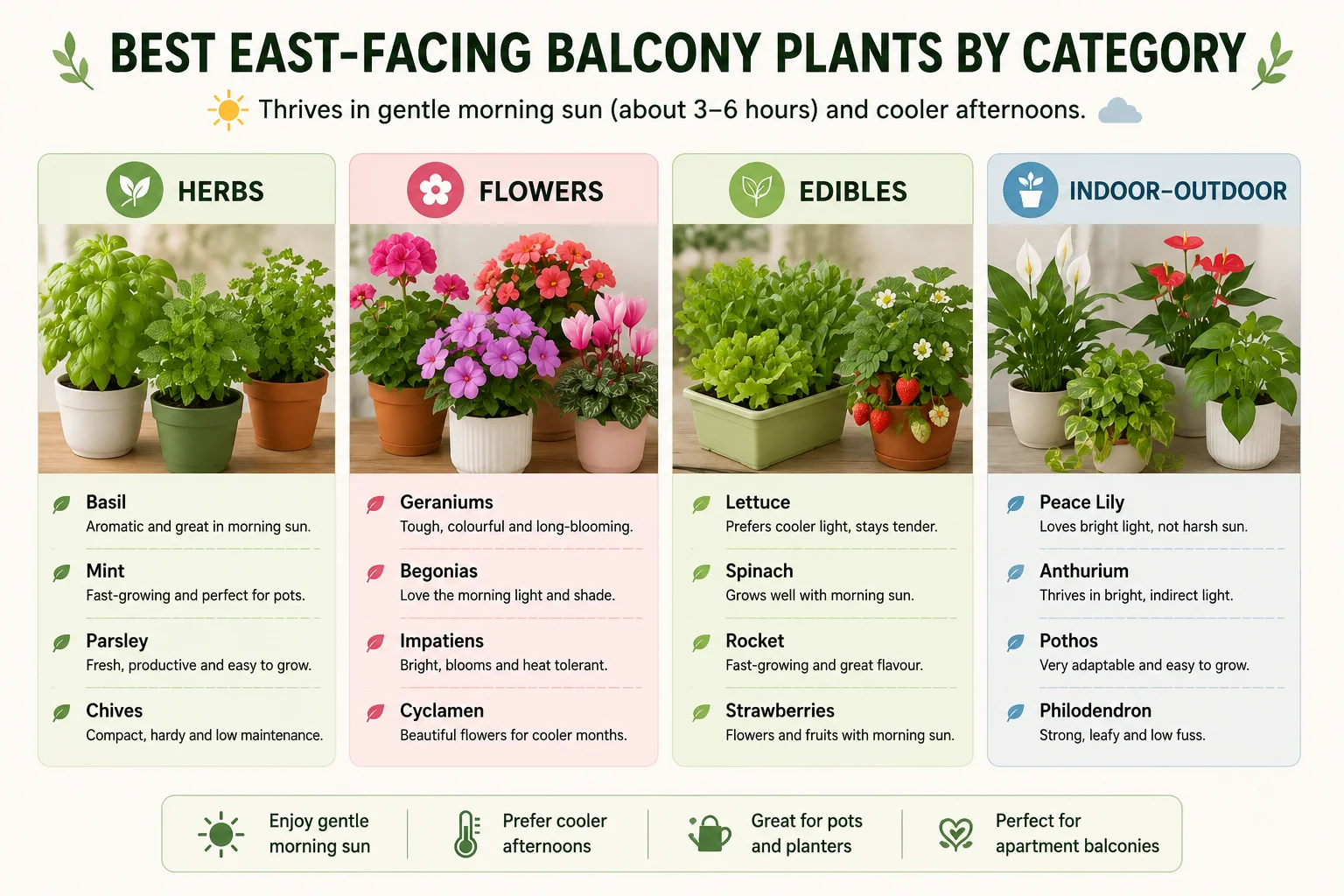
The best plants for east facing balconies are plants that enjoy gentle morning sun and can still grow well when the balcony becomes lightly shaded later in the day. Reliable choices include basil, mint, parsley, lettuce, rocket, strawberries, geraniums, begonias, impatiens, peace lilies, and other compact container plants that do not need harsh all-day sun.
But an east-facing balcony is not automatically perfect for every plant. Some plants still grow slowly, flower poorly, or dry out faster than expected because apartment balconies add extra conditions that garden beds do not have. Wind, small pots, reflected heat, railings, nearby walls, and seasonal sun changes can all affect how well your plants perform.
This guide explains what actually works on east-facing balconies, which plants are worth choosing, which plants may struggle, and how to set up your balcony so your plants have the best chance to thrive in an apartment setting.
What an East-Facing Balcony Really Means for Plants
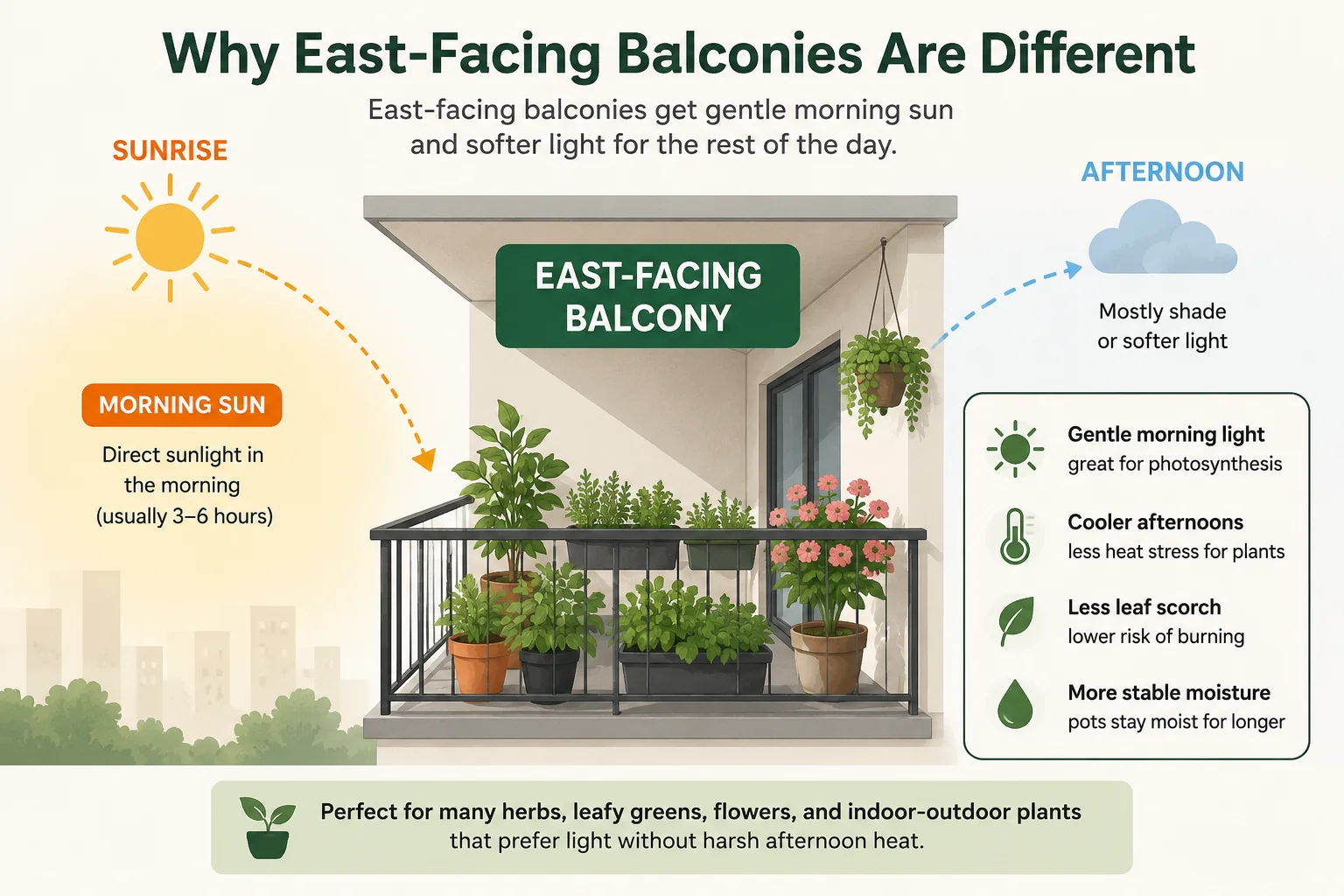
An east-facing balcony usually receives direct sunlight in the morning, then becomes cooler or more shaded by the afternoon. For many apartment gardeners, this is a useful balance. The plants get real light early in the day, but they avoid the harshest late-afternoon heat that can quickly dry out containers.
This is why east-facing balconies often suit herbs, leafy greens, soft flowering plants, strawberries, and indoor-outdoor plants. These plants generally like brightness, but they do not always need the intense heat that fruiting vegetables or sun-loving Mediterranean plants often prefer.
However, the amount of light can vary a lot from one apartment to another. A balcony may technically face east but still receive less sun because of nearby buildings, privacy screens, deep roof cover, tinted glass, or tall railings. Another east-facing balcony may receive bright summer sun early in the day and heat up quickly because of concrete, tiles, or glass doors.
So instead of thinking only about direction, it helps to observe your actual balcony. Count how many hours of direct morning sun your plants receive, notice how windy the space feels, and check whether pots stay warm or dry by midday.
If you are not sure whether your balcony receives enough usable sunlight, it may help to compare your space with plants for balconies with 2–4 hours sun. Many east-facing balconies sit close to this light range, especially when nearby buildings or deep balcony covers reduce the morning sun.
Best Plants for East Facing Balconies
If you want a simple starting list, choose plants that enjoy morning sun and tolerate partial shade later in the day. These are usually safer than plants that demand hot, full sun from morning to evening.
| Plant Type | Good Choices | Why They Work |
|---|---|---|
| Herbs | Basil, mint, parsley, coriander, chives | They enjoy morning light and usually grow well in containers. |
| Leafy greens | Lettuce, rocket, spinach, Asian greens | They prefer cooler light and are less likely to suffer in afternoon shade. |
| Flowers | Geraniums, begonias, impatiens, fuchsias, cyclamen | They can flower well without harsh afternoon heat. |
| Fruit | Strawberries | They can produce well with gentle morning sun if the balcony is bright enough. |
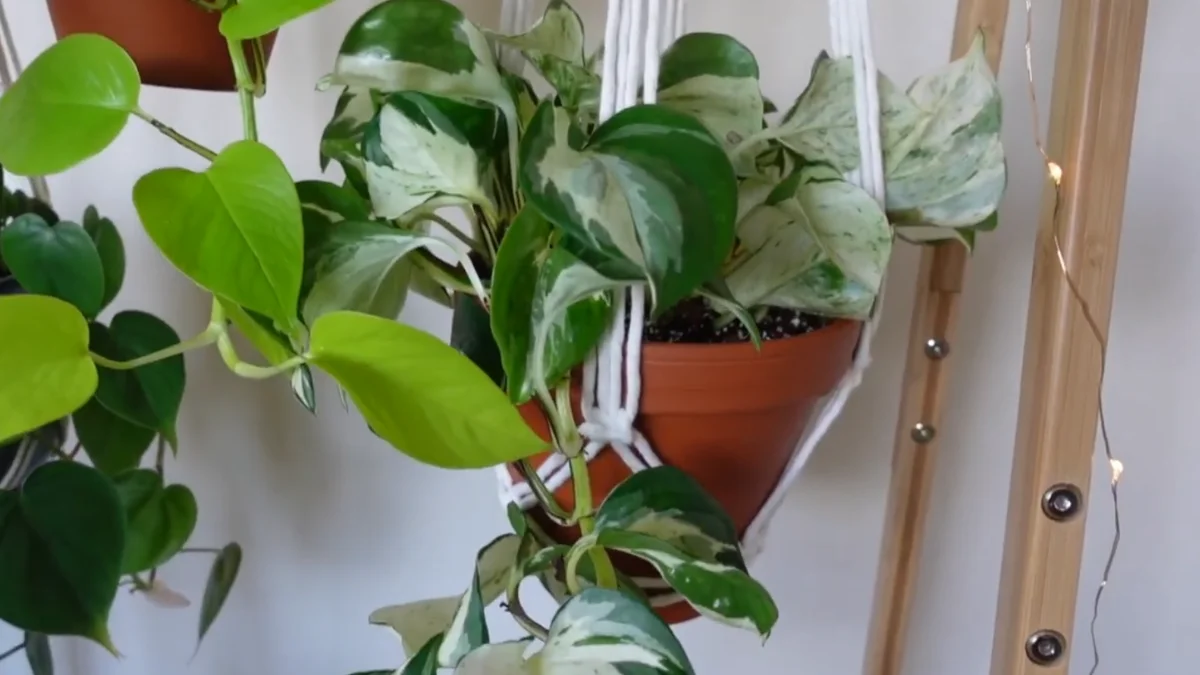
| Indoor-outdoor plants | Peace lily, anthurium, pothos, philodendron | They suit bright protected areas where the afternoon light is softer. |
For most beginners, herbs and leafy greens are the safest first choices. They respond quickly, do not need large fruiting energy, and usually show you very clearly whether the balcony is too hot, too dry, too windy, or too shaded.
For a broader morning-light plant list, you may also find what potted plants like morning sun useful. It connects well with east-facing balconies because morning sun is usually the main growing window for this orientation.
What Makes a Plant Suitable for an East-Facing Balcony?
A good east-facing balcony plant usually has three qualities. It can use morning sun well, it does not need intense afternoon heat, and it can handle life in a pot.
This container part matters more than many people realise. A plant may be suitable for morning sun in a garden bed, but that does not always mean it will handle a small balcony pot. Containers dry faster, heat up faster, and give roots less room to spread.
The best choices are usually plants with moderate root systems, compact growth, flexible light needs, and reasonable water demands. Plants that need deep soil, long hot days, or constant moisture may become harder to manage unless your balcony setup is carefully planned.
It also helps to choose plants based on your balcony’s exposure. A sheltered east-facing balcony can support softer plants like begonias, peace lilies, and ferns. A windy east-facing balcony may need tougher choices such as geraniums, chives, rosemary in a bright spot, or compact natives in suitable pots.
Best Herbs for East Facing Balconies
Herbs are some of the most useful plants for east-facing balconies because many of them enjoy morning sun and do not need a large growing area. They are also practical for apartment gardeners because you can grow them in small to medium pots, railing planters, or vertical shelves.
Basil
Basil often grows well with gentle morning sun, especially when the balcony is bright and protected from strong wind. It likes warmth, but it can struggle if the pot dries out too often. A medium pot is usually better than a tiny decorative container because basil grows quickly once it settles in.
Mint
Mint is a strong choice for an east-facing balcony because it can handle partial shade better than many herbs. It should usually be grown in its own pot because it spreads aggressively. Morning sun helps it grow fresh leaves, while afternoon shade can stop it from becoming too stressed in hot weather.
Parsley
Parsley is well suited to gentle light and cooler growing conditions. It is a good option if your balcony gets some morning sun but not enough for more demanding herbs. It also works well in pots, as long as the soil does not dry out completely for too long.
Coriander
Coriander can be tricky in hot conditions because it bolts quickly when stressed. An east-facing balcony can be helpful because the plant receives light early but avoids the strongest afternoon heat. It is still best grown in cooler seasons or in a spot where the pot does not overheat.
Chives
Chives are forgiving and compact, making them useful for small balconies. They do not need as much intense sun as fruiting plants and can handle morning light well. They are also easy to trim and use regularly, which helps keep the plant productive.
If your floor space is limited, herbs can work well in balcony railing planters because they lift plants closer to the morning light while keeping the floor clearer.
Best Flowers for East Facing Balconies
East-facing balconies can be excellent for flowers that prefer bright but gentle light. Many flowering plants look better when they are not exposed to harsh afternoon sun, especially in containers where roots can heat up quickly.
| Flowering Plant | Best Balcony Use | Care Note |
|---|---|---|
| Geraniums | Bright east-facing spots and railing planters | Let the top layer of soil dry slightly before watering again. |
| Begonias | Sheltered balconies with soft morning sun | Protect from strong wind and intense direct heat. |
| Impatiens | Cooler, brighter corners with morning light | Keep moisture more consistent during warm weather. |
| Fuchsias | Hanging baskets in protected positions | Avoid hot, dry, exposed balcony edges. |
| Cyclamen | Cool-season colour in pots | Best when the balcony stays cooler and protected. |
Geraniums are often one of the strongest choices because they tolerate balcony conditions better than many soft flowering plants. Begonias and impatiens can look beautiful, but they usually prefer a more sheltered balcony where wind and heat are not too strong.
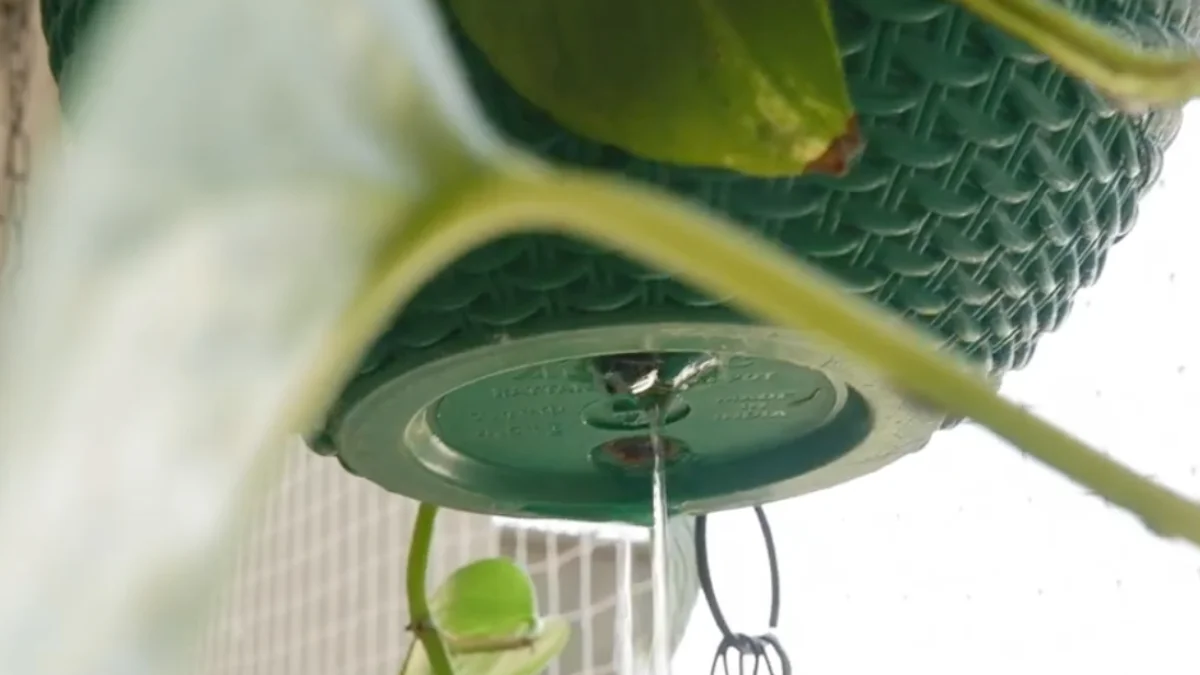
Hanging baskets can also work well on east-facing balconies, especially for trailing flowers or softer plants. The key is to remember that hanging baskets dry faster than deeper floor pots, so they may need closer watering checks in warm weather.
Best Edible Plants for East Facing Balconies
East-facing balconies can be very useful for edible plants, but the best choices are usually leafy or compact rather than large fruiting crops. Morning sun gives the plants enough light to grow, while afternoon shade can reduce heat stress and slow down bolting.
Leafy Greens
Lettuce, rocket, spinach, silverbeet, and Asian greens can all perform well on bright east-facing balconies. These plants often prefer cooler growing conditions compared with hot fruiting vegetables. They are also productive in containers because you can harvest leaves gradually instead of waiting for one large crop.
Strawberries
Strawberries can work well if your east-facing balcony receives enough direct morning sun. They need more light than leafy greens, but they do not always enjoy intense heat in small pots. A bright morning position, good drainage, and consistent moisture can help them flower and fruit more reliably.
Radishes
Radishes are worth trying because they grow quickly and do not need a long season. They are better suited to cooler parts of the year or balconies that do not become too hot. Use a container deep enough for the variety you are growing.
Spring Onions
Spring onions are practical for small balconies because they grow upright and do not take up much room. They can handle morning sun and partial shade better than many fruiting vegetables, making them useful for apartment gardeners who want something edible but simple.
If your goal is food production, start with herbs and leafy greens before trying more demanding crops. This gives you a better understanding of how much light and moisture your balcony can actually support.
Indoor-Outdoor Plants That Like East-Facing Light
Some indoor plants can transition well to an east-facing balcony if the space is protected. These plants usually like bright indirect light or gentle morning sun, but they may suffer if they are suddenly placed in harsh direct light or strong wind.
Peace lilies, anthuriums, pothos, philodendrons, spider plants, and some ferns can work in bright east-facing positions. They are especially suitable when the balcony has a roof, side wall, privacy screen, or filtered light after the morning sun passes.
The main risk is exposure. A plant that looks strong indoors may not be ready for balcony wind, outdoor temperature changes, or direct sun on its leaves. Move indoor plants gradually and watch for yellowing, browning, drooping, or scorched leaf edges.
Plants That May Struggle on East-Facing Balconies
Not every plant is a good match for east-facing balcony conditions. Some plants may survive, but they may not grow or produce as well as expected.
Tomatoes, capsicums, chillies, cucumbers, eggplants, and many Mediterranean herbs usually prefer more sustained direct sun. They may grow leaves on an east-facing balcony but flower poorly, fruit slowly, or produce smaller harvests if the balcony does not receive enough light.
This does not mean you can never grow them. A very bright east-facing balcony with clear morning sun, warm conditions, and no shading from buildings may still support some fruiting plants. But if your balcony only receives two or three hours of sun, leafy greens and herbs will usually be more reliable.
Large shrubs and small trees can also become difficult in apartment settings. They need bigger pots, more soil volume, more water, and more structural planning. Before choosing large plants, consider wind exposure, balcony weight limits, and how much space the mature plant will take.
East Facing Balcony Plants in Australia
In Australia, east-facing balconies can still receive strong sunlight during summer. Morning sun may feel gentle compared with afternoon sun, but it can still heat small pots quickly, especially near glass doors, tiled floors, concrete walls, or metal railings.
This is why pot size and watering habits matter. A plant that sounds suitable for morning sun can still struggle if it is growing in a small black pot on a hot balcony floor. Light-coloured containers, deeper pots, mulch, and better positioning can make a noticeable difference.
In warmer places such as Brisbane, east-facing balconies can be very useful because they offer light without the most punishing afternoon heat. In cooler months, however, the same balcony may receive weaker light and slower plant growth. This seasonal change is normal.
For Australian apartments, adaptable plants are usually safer than plants with strict light demands. Basil, mint, parsley, lettuce, rocket, strawberries, geraniums, begonias, peace lilies, and pothos are good starting points because they can handle a range of balcony conditions when positioned correctly.
How to Help Plants Thrive on an East-Facing Balcony
The right plant list is only part of the answer. On balconies, setup often decides whether a plant grows well or slowly struggles.
- Place sun-loving herbs and strawberries where the morning sun is strongest.
- Keep softer plants like begonias and peace lilies in brighter but more protected positions.
- Use slightly larger pots than you think you need so the soil holds moisture longer.
- Avoid tiny decorative pots for plants that grow quickly or need steady moisture.
- Lift plants off very hot balcony floors using stands, shelves, or saucers with care.
- Rotate pots occasionally so plants do not lean strongly toward the light.
- Protect exposed plants from strong wind using screens, grouping, or better positioning.
Vertical layers can help a lot on small east-facing balconies. A shelf, hanging planter, or railing planter can lift plants into better light without crowding the floor. This is especially useful when the strongest morning sun hits the railing or outer edge of the balcony.
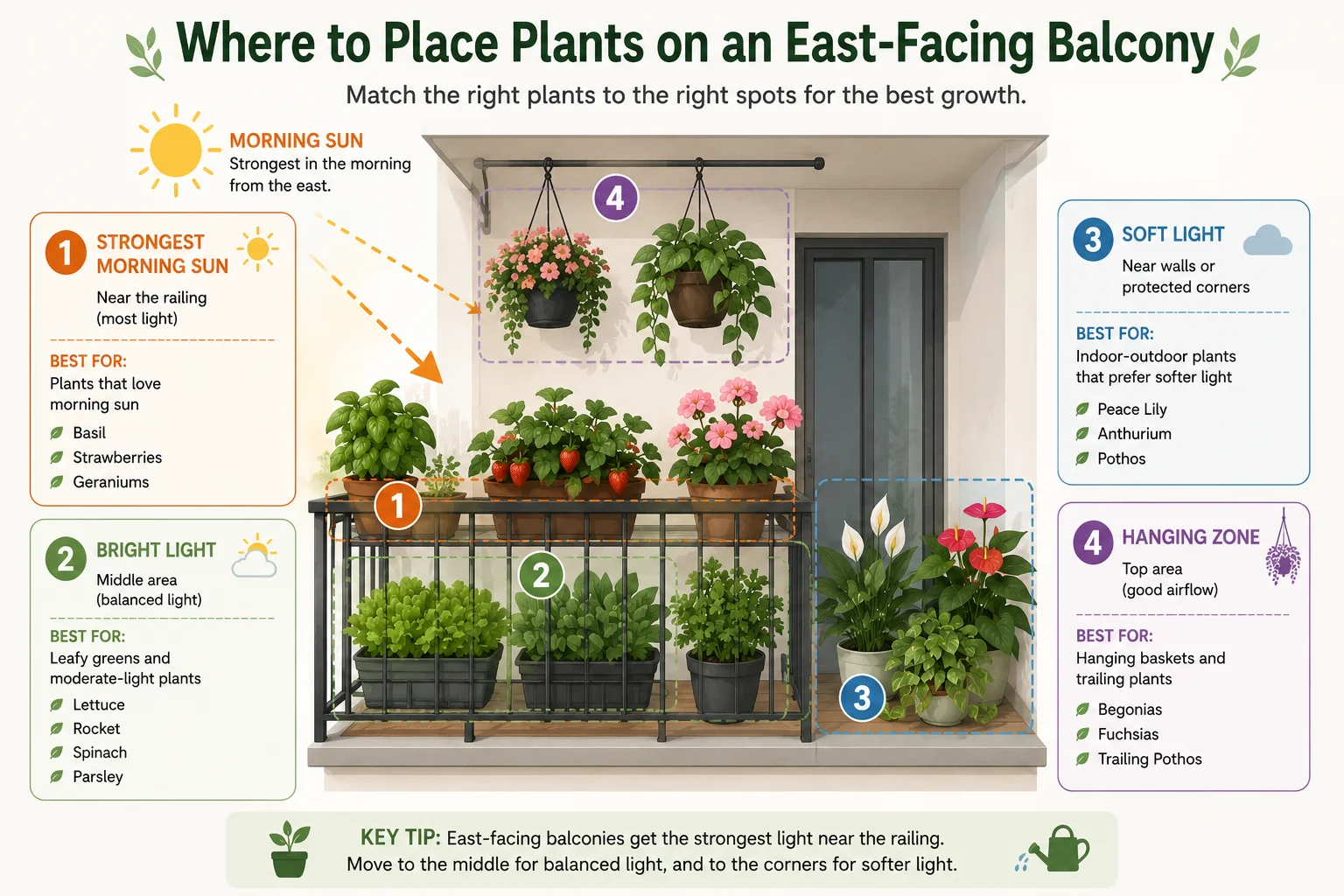
Plant placement can change results just as much as plant choice. If your best light only reaches one side of the balcony, how to organise pots for maximum sunlight can help you think about shelves, railing positions, and vertical layers before your plants start leaning or stretching.
Common Mistakes to Avoid
Many east-facing balcony problems come from treating the space as either full sun or full shade. In reality, it is often somewhere in between. That middle condition is useful, but it needs the right plant choices.
One common mistake is choosing plants that need all-day sun, then wondering why they grow leaves but produce very little fruit. Another is using pots that are too small, especially for herbs, strawberries, or leafy greens during active growth.
It is also easy to underestimate wind. Even a balcony with gentle morning sun can dry out quickly if air moves strongly around the railing. If leaves look tired, crispy, or curled, the problem may be wind and moisture stress rather than light alone.
Another mistake is placing every plant directly on the floor. Balcony floors can be cooler in winter and hotter in summer. Raising plants slightly or placing them closer to the morning light can improve growth, especially when the balcony has a solid railing that blocks sunlight from lower pots.
Balcony Haven Note: I have noticed that east-facing balconies often look simple at first, but the light can change quite a lot from the railing to the back wall. A basil plant near the edge may receive strong morning sun, while a peace lily in a protected corner may only receive soft brightness. This is why I like looking at plant placement as much as plant choice, instead of assuming the whole balcony gives every plant the same growing conditions.
Frequently Asked Questions
What plants are good for east facing balconies?
Good plants for east-facing balconies include basil, mint, parsley, coriander, chives, lettuce, rocket, spinach, strawberries, geraniums, begonias, impatiens, peace lilies, pothos, and anthuriums. These plants usually enjoy gentle morning sun and can handle softer afternoon conditions.
Are east facing balconies good for gardening?
Yes, east-facing balconies are often good for gardening because they provide morning sunlight without the harshest afternoon heat. They are especially useful for herbs, leafy greens, flowers, strawberries, and indoor-outdoor plants. The main challenges are wind, pot size, and seasonal light changes.
What plants are good for an east facing balcony in Australia?
In Australia, good east-facing balcony plants include basil, mint, parsley, lettuce, rocket, Asian greens, strawberries, geraniums, begonias, peace lilies, pothos, and anthuriums. In warmer areas, protect pots from overheating even if the balcony only receives morning sun.
Can you grow vegetables on an east facing balcony?
Yes, but leafy vegetables are usually more reliable than fruiting vegetables. Lettuce, rocket, spinach, Asian greens, spring onions, and radishes are good choices. Tomatoes, capsicums, chillies, and cucumbers may need more direct sun than many east-facing balconies provide.
Do east-facing balconies get enough sun for herbs?
Many herbs can grow well on an east-facing balcony, especially basil, mint, parsley, coriander, and chives. Herbs that need stronger sun, such as rosemary and thyme, may need the brightest part of the balcony and may grow more slowly if the space is shaded too early.
Is morning sun better than afternoon sun for balcony plants?
Morning sun is often easier for balcony plants because it is usually cooler and less stressful than afternoon sun. It can be especially helpful for leafy greens, herbs, and soft flowering plants. Afternoon sun can suit some heat-loving plants, but it also dries pots faster.
Final Thoughts
An east-facing balcony is one of the most useful apartment garden orientations because it offers a balanced growing environment. It gives plants real sunlight in the morning while protecting them from much of the harsher heat later in the day.
The best plants for east facing balconies are not always the biggest or most sun-loving plants. They are the plants that match the rhythm of the space: gentle morning light, softer afternoon conditions, container limits, and changing seasons.
Start with reliable choices such as herbs, leafy greens, strawberries, geraniums, begonias, and indoor-outdoor plants. Then improve the setup with better pot size, smarter placement, and wind protection. Once you understand how your balcony behaves, choosing the right plants becomes much easier.
With the right approach, an east-facing balcony can become a calm, productive, and low-stress growing space for apartment plants that genuinely suit the light they receive.
Leave a Reply