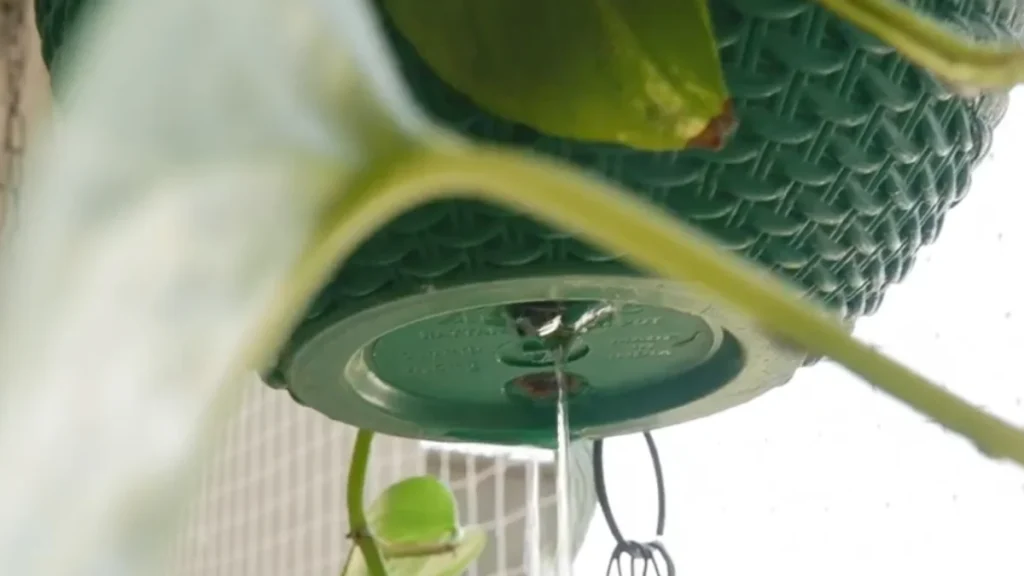
Water dripping from a balcony can feel like a small problem at first, until it starts landing on a lower balcony, outdoor furniture, clothes drying below, or a neighbour’s space. For apartment gardeners, this can quickly become stressful because balcony water does not stay private once it escapes over the edge.
How to stop water dripping on lower balconies starts with containing excess water before it spreads across the balcony floor. Deep saucers, large waterproof trays, self-watering pots, absorbent mats, a small bucket, and careful pot placement usually work better than simply watering less. The main goal is to keep runoff controlled, away from balcony edges, and out of lower neighbours’ spaces.
Most balcony dripping problems are not caused by careless gardening. They usually happen because pots drain freely, saucers overflow, balcony floors slope toward the edge, or rain adds more water than the setup can hold.
This article explains why balcony water drips downward, how to reduce runoff without relying on a balcony drain, which solutions work best for apartment balconies, and what mistakes often make dripping worse.
Why Balcony Water Problems Feel Worse in Apartments
Balcony water problems feel different from garden watering problems because balconies are shared-building spaces. In a backyard, extra water usually drains into soil, lawn, or garden beds. On an apartment balcony, water has fewer places to go.
Many apartment balconies do not have a visible floor drain. Some only have a slight slope, an open edge, or small gaps where rainwater can escape. This means gardeners need to think less about drainage and more about containment.
When several pots release water after watering, the extra water can travel across tiles, under balcony mats, or toward the balcony edge. This is why a small watering habit can create a bigger neighbour problem. A pot that drains for only a few minutes may send water across the floor and down to the balcony below, especially if the pot sits close to the edge.
The good news is that most dripping issues can be improved with setup changes. You usually do not need to stop balcony gardening. You just need to control where the water collects, how long it sits there, and how you remove the extra water after watering or rain.
Why Water Drips From Balconies in the First Place
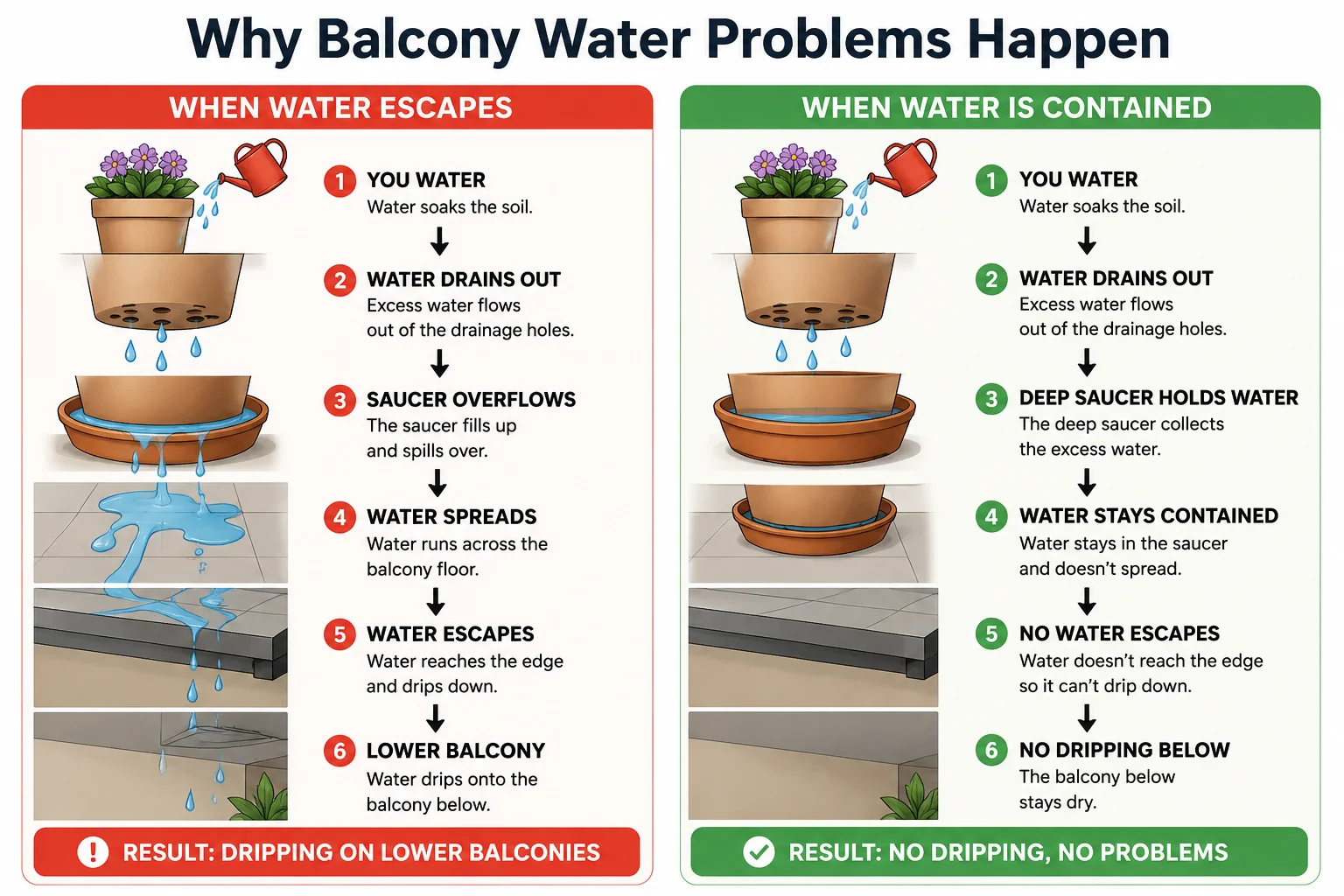
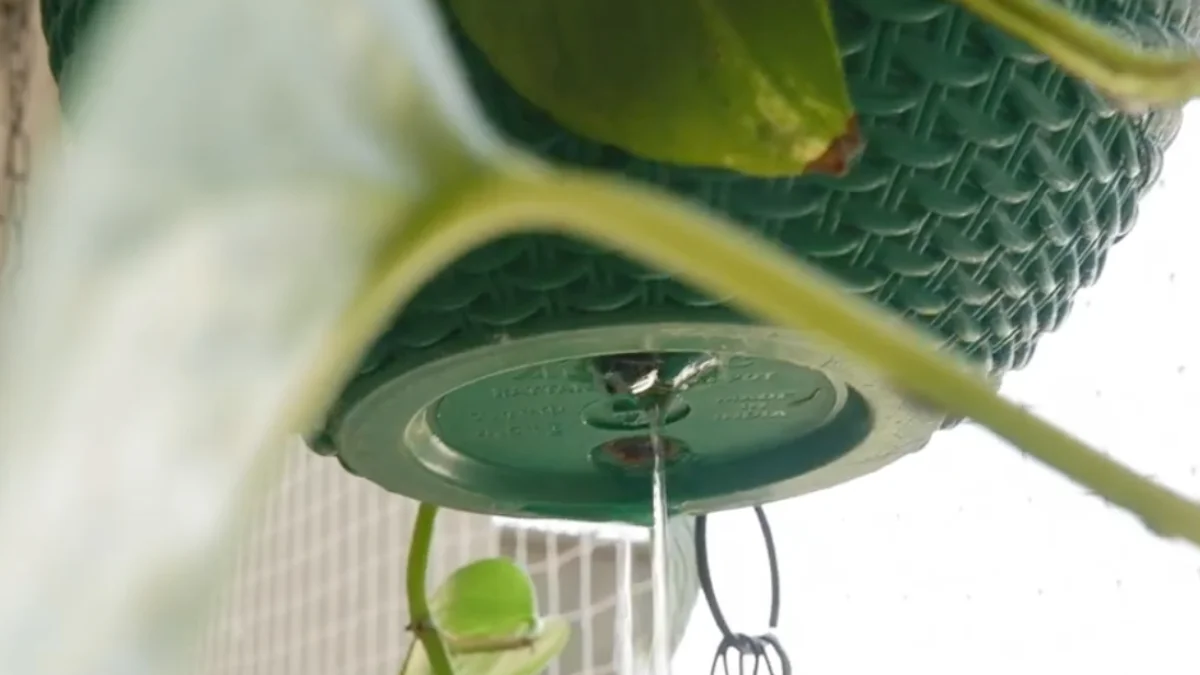
Water dripping from a balcony usually happens when runoff has no controlled place to stay. The water may come from watering plants, heavy rain, overflowing saucers, wet balcony mats, or pots draining directly onto tiles.
Once water reaches the balcony floor, gravity takes over. If the balcony slopes toward the edge, water may move away from the wall and drip down. If the balcony has uneven tiles or small gaps, water may collect in places that are hard to see before it escapes.
Common causes include pots with open drainage holes sitting directly on tiles, saucers that are too shallow, water pooling under outdoor mats, and pots placed too close to the balcony edge.
Watering less may help a little, but it often does not solve the real problem. If the setup allows water to escape, even careful watering can still cause dripping.
Why Water Escapes Some Balconies More Easily Than Others
Two balconies in the same building can behave very differently. One gardener may water plants without any issue, while another may get complaints from below after using the same amount of water.
The difference is often the water path. A balcony with deeper saucers, raised pots, a large tray, and enough distance from the edge is more likely to contain runoff. A balcony with shallow saucers, flat pots on tiles, wet mats, or pots near the edge is more likely to drip.
This is why the first step is observation. After watering, watch where the water actually travels. Does it stay inside the saucer? Does it run under the pot? Does it spread across the tiles? Does it move toward the balcony edge? That simple check often shows exactly what needs changing.
Balcony Water Control Methods Compared
There is not one perfect solution for every balcony. The best method depends on where the water comes from, how many pots you have, and whether your balcony has any safe place for extra water to go.
| Water Control Method | Best For | Cost Level | Apartment-Friendly Result |
|---|---|---|---|
| Deep pot saucers | Stopping normal pot runoff after watering | Low | Very useful because water stays under each pot instead of spreading across the floor. |
| Pot feet or risers | Keeping pots off wet tiles and improving airflow | Low | Helpful when water spreads sideways under pots or stays hidden underneath them. |
| Large waterproof trays | Grouping several pots in one controlled area | Medium | Good for renters because it creates a water collection zone without changing the balcony. |
| Self-watering pots | Reducing free drainage from individual containers | Medium | Very useful for upper-level balconies because water is stored in a reservoir. |
| Absorbent mat inside a tray | Small spills, light runoff, and wet pot bases | Low to medium | Helpful for catching small amounts of water, but it still needs to be dried or replaced when wet. |
| Small bucket for extra water | Emptying full saucers or trays after rain | Low | Useful on balconies with no drain because collected water can be removed safely. |
| Moving pots away from the edge | Preventing runoff from escaping quickly | Free | Simple and often effective, especially for narrow balconies. |
If your containers drain too quickly or leave water everywhere, this guide on drainage tips for small balcony containers may help you improve the pot setup itself.
Use Deep Saucers That Actually Hold Water
Shallow saucers are one of the most common reasons water keeps dripping onto lower balconies. They look useful, but many overflow as soon as a pot drains heavily after watering.
A deeper, stronger saucer gives excess water somewhere to sit. This slows the water down and stops it from spreading across the balcony floor. In many cases, the plant may reabsorb some of the water later, especially in warm weather.
The saucer should be wide enough for the pot and deep enough to hold normal runoff without spilling. Very thin plastic saucers can bend, crack, or overflow easily, so a sturdier saucer is usually better for apartment balconies.
After heavy rain, check the saucers. If they stay full for too long, empty them carefully into a bucket. A saucer should help control water, not become a small pond under the pot.
Raise Pots Slightly Off the Floor
Pots sitting flat on tiles can trap water underneath. This makes it harder to see where the water is going and can cause slow spreading across the balcony surface.
Pot feet, small risers, or low plant stands can help by lifting the pot slightly. This allows airflow under the container and makes water easier to see, catch, or remove. It also helps stop the pot from sitting in dirty standing water after rain.
Raising pots does not mean creating a tall or unsafe display. Even a small gap can help. The goal is to keep water visible and contained rather than hidden underneath the pot.
Create a No-Drain Balcony Watering Zone
Many balcony dripping problems become worse because pots are spread randomly across the balcony. Some pots may sit near the edge, some may release water where people walk, and some may drip onto tiles before anyone notices.
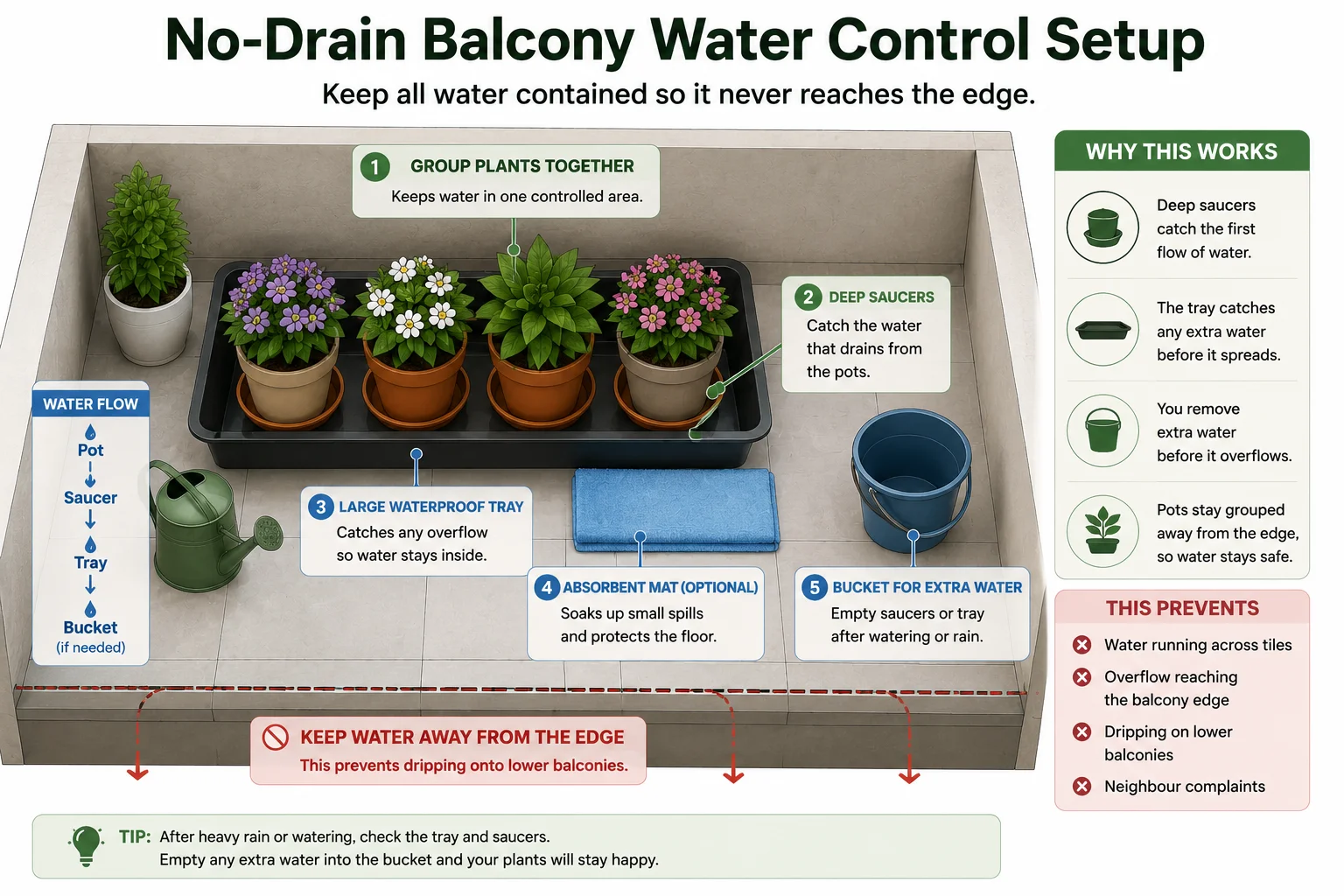
A better approach is to create a simple no-drain watering zone. This means grouping the plants in one part of the balcony where water can be controlled with deep saucers, a large waterproof tray, and a small bucket for removing extra water.
The watering zone should be away from the balcony edge where possible. If a saucer or tray overflows, the water should still stay inside the balcony rather than immediately reaching the edge.
This does not need to look complicated. A small group of pots on deep saucers, placed inside a large tray and set back from the edge, is often enough to reduce dripping. If the tray collects too much water after rain, empty it into a bucket and dispose of the water safely.
Are Self-Watering Pots Worth It for Balcony Dripping?
Self-watering pots can be very useful for balconies above other units because they reduce free drainage. Instead of water running straight through the pot and onto the floor, extra water is held in a base reservoir.
This makes watering more controlled. It also helps busy gardeners because the plant can draw moisture from the reservoir over time instead of needing frequent top watering.
Self-watering pots are not magic, though. They can still overflow if they are overfilled or left in heavy rain without checking the reservoir. They also need to be matched to the plant type, pot size, and balcony conditions.
If you are thinking about switching containers, this article on best self-watering pots for balconies explains what works in small apartment spaces and what to watch for.
How to Stop Water Pooling on a Balcony Without a Drain
Water pooling on a balcony often happens when water has nowhere controlled to sit. This may be caused by shallow saucers, uneven flooring, balcony mats, large pots, heavy rain, or watering several containers at once.
Pooling matters because standing water eventually moves somewhere. If it cannot stay inside a tray, saucer, or other controlled area, it may move toward the balcony edge or through small gaps. That is when dripping onto lower balconies becomes more likely.
Start by checking the balcony after watering or rain. Look for where the water sits. If it pools under a mat, lift the mat and let the area dry. If it spreads from a pot, use a deeper saucer or place that pot inside a larger tray. If a tray fills after rain, empty it into a bucket before it overflows.
For renters, avoid making permanent changes unless building management approves them. It is usually safer to solve the problem with movable trays, saucers, pot stands, absorbent mats, and better placement.
Which Solution Fits Your Balcony Problem?
The best solution depends on what you see after watering. A balcony that drips because saucers overflow needs a different fix from a balcony that drips because rainwater pools under a mat.
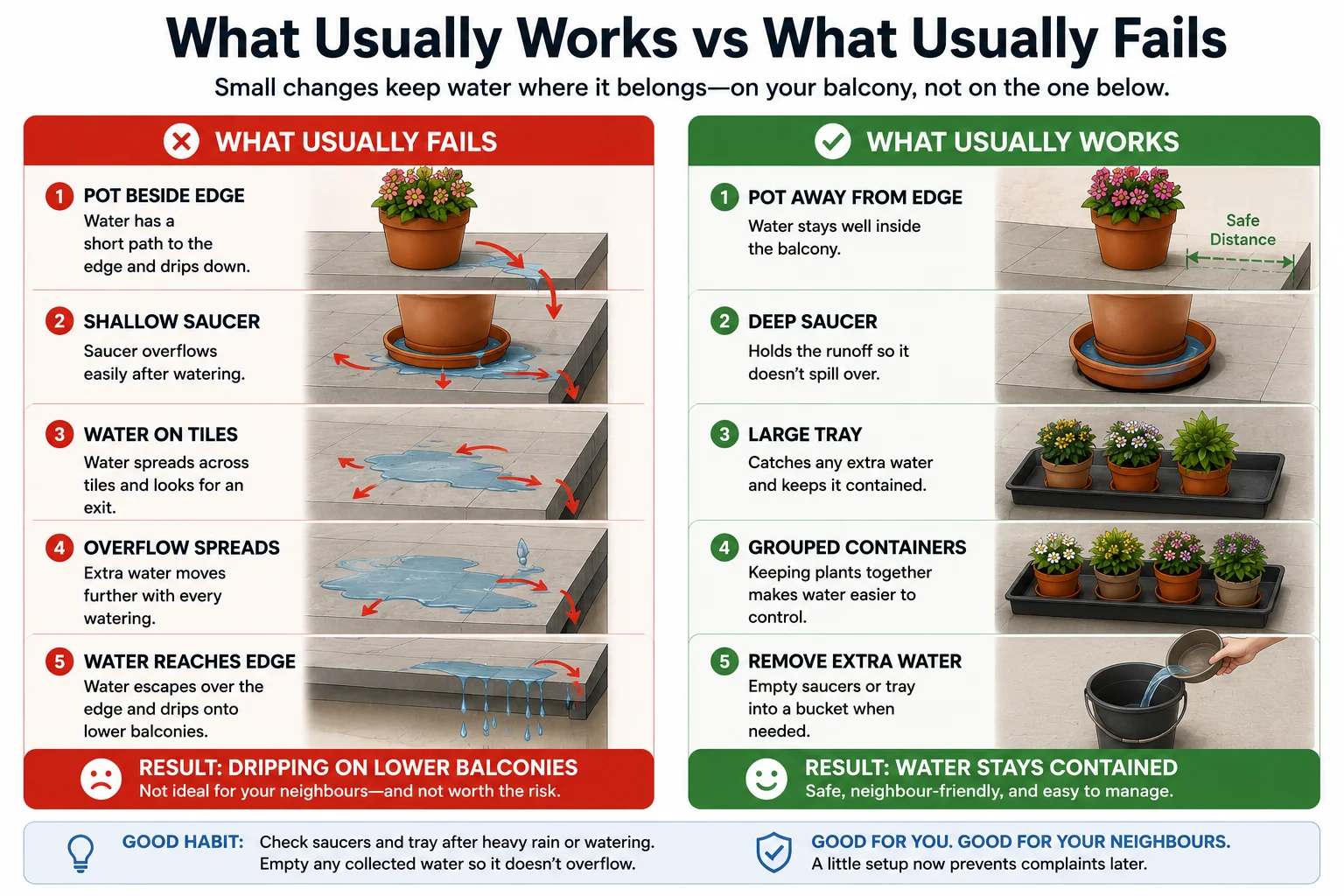
If water comes from the bottom of pots, focus on deeper saucers, better pot setup, or self-watering containers. If water spreads across the floor, focus on large trays, pot feet, and placement. If water pools after rain, focus on emptying saucers, lifting mats, and removing extra water before it reaches the balcony edge.
Sometimes the answer is a combination. For example, a deep saucer may stop normal watering runoff, while moving the pot away from the edge may stop rainwater from escaping downward during storms. A large tray can also give you a backup layer when one pot releases more water than expected.
Practical Tips That Make the Biggest Difference
Small changes can reduce balcony dripping without making plant care difficult. These are the adjustments most apartment gardeners can try first.
- Water slowly so pots have time to absorb moisture before saucers overflow.
- Use deeper saucers under pots that drain heavily.
- Keep pots away from balcony edges where runoff can escape quickly.
- Group plants in one controlled watering area instead of spreading them everywhere.
- Use a large waterproof tray under groups of pots.
- Check saucers and trays after heavy rain and empty them if they stay full.
- Lift wet mats so trapped water can dry instead of spreading unseen.
- Avoid watering right before storms if the plants are already moist.
If your main issue is deciding how much water to give your plants, this guide on best balcony watering methods for beginners may help you water more calmly without creating unnecessary runoff.
Common Mistakes That Cause Balcony Dripping
Most balcony dripping problems are not caused by one big mistake. They usually come from small setup choices that allow water to escape over time.
- Using shallow saucers that overflow after normal watering.
- Placing pots directly beside balcony edges.
- Assuming the balcony floor will safely carry water away.
- Leaving balcony mats flat on wet tiles for long periods.
- Watering all pots heavily at once with no pause.
- Letting trays or saucers stay full until they overflow.
- Forgetting to check the balcony after heavy rain.
Another common mistake is thinking that watering less is always the answer. Plants still need enough water to stay healthy. The better goal is to water in a way that keeps excess water contained.
Seasonal Considerations for Australian Apartments
In Australian apartments, balcony water problems can change across the year. Summer storms may fill saucers and trays quickly. Hot weather can also make gardeners water more often, which increases runoff if the setup is not controlled.
Cooler months can create a different problem. Water may dry more slowly, especially on shaded or covered balconies. Saucers, trays, and mats can stay wet for longer, which may lead to pooling even when less water is used.
After strong rain, it is worth checking your balcony even if you have not watered the plants. Sometimes the dripping problem is not from your watering routine at all. It may be rainwater collecting around pots, inside trays, or under mats.
Balcony Haven Note: One thing I have noticed is that balcony water problems are usually easier to solve than they first appear. In many cases, the issue is not how much water is being used but where that water ends up after watering. A deeper saucer, a large tray, or moving a pot away from the edge can sometimes solve a problem that has been frustrating people for months.
Frequently Asked Questions
How do I stop water dripping from my balcony onto neighbours?
Use deeper saucers, move pots away from balcony edges, group plants in a controlled watering zone, and place pots inside large waterproof trays where needed. The goal is to stop water from spreading across the balcony floor and escaping downward.
What if my balcony has no drain?
If your balcony has no drain, focus on containment. Use deep saucers, large trays, self-watering pots, and a small bucket to remove extra water after watering or rain. Do not let water spread freely across the floor.
Is balcony dripping a watering problem or a setup problem?
It is often a setup problem. Water may drip because it has no controlled place to collect, not because the plants are always being watered too much.
Do self-watering pots help stop balcony dripping?
Self-watering pots can help because they hold water in a reservoir instead of letting it drain freely onto the balcony floor. They still need to be checked after heavy rain or overfilling.
Can balcony mats make dripping worse?
Yes, balcony mats can trap water underneath and redirect it toward edges or gaps. If water pools under a mat, lift it, dry the area, and check whether water is being hidden underneath.
Can neighbours complain about balcony water dripping?
Yes, neighbours may complain if water regularly lands on their balcony, furniture, washing, or outdoor area. It is better to fix the water path early before it becomes a building management issue.
Final Thoughts
Water dripping onto lower balconies is usually a sign that runoff needs better control. It does not mean you have to stop growing plants or remove your balcony garden completely.
Deep saucers, raised pots, self-watering containers, large trays, absorbent mats, and a simple bucket can make a big difference. These small changes help keep water where you can see it, manage it, and stop it from reaching the balcony edge.
Most dripping problems are solved through observation rather than expensive products. Once you see where water is escaping, the solution often becomes surprisingly simple.
The most useful approach is to observe your balcony after watering and rain. Once you understand where the water travels, it becomes much easier to adjust the setup and keep balcony gardening comfortable for you and your neighbours below.
Leave a Reply