What Are the Best Self-Watering Pots for Balconies?
Keeping balcony plants alive shouldn’t feel like a daily negotiation with a watering can. Yet for many apartment gardeners, inconsistent watering is one of the biggest challenges — especially when balconies heat up, dry out quickly, or get strong wind exposure.
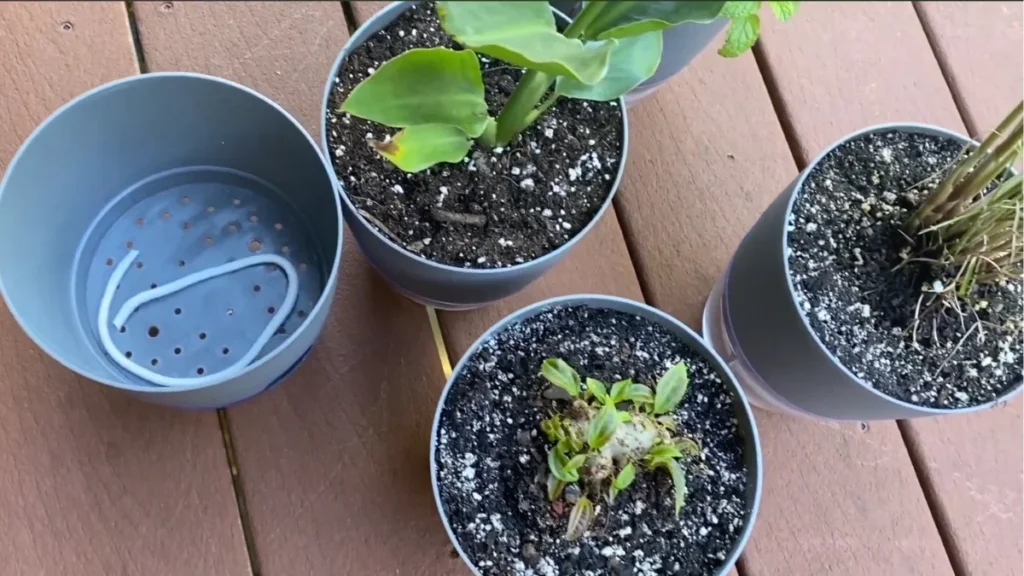
The best self-watering pots for balconies have a built-in water reservoir, a soil separation layer (wicking system), and enough depth to support root growth without becoming waterlogged. Medium-sized rectangular or round planters usually work best, offering moisture stability without excess weight.
Self-watering pots are often recommended as the solution, but not all of them work well in balcony conditions. Some dry out faster than expected, while others stay too wet and cause root problems. Knowing which designs actually suit balconies makes a noticeable difference.
The best self-watering pots for balconies are those with a well-sized water reservoir, proper separation between soil and water, and a stable, lightweight build suitable for elevated spaces. When chosen correctly, they reduce watering stress without creating soggy roots or excess weight.
If watering has become a chore — or worse, a guessing game — this guide will help you choose self-watering pots that genuinely support healthy balcony plants rather than complicate things further.
Understanding the Reality of Balcony Watering
Balconies behave very differently from garden beds. Elevated spaces are exposed to wind, reflected heat, and faster evaporation, which means soil dries out more quickly — sometimes within hours on hot days.
At the same time, overcompensating by watering too often can lead to water pooling at the bottom of pots. This is especially common on balconies where drainage is limited or pots sit directly on flat surfaces.
Self-watering pots help balance these extremes by supplying moisture gradually from below. However, they only work properly when the pot design matches the conditions of a balcony rather than a backyard or greenhouse.
If your balcony soil seems to dry out faster than expected, this deeper breakdown of why it happens and what actually helps can clarify whether a self-watering pot is the right solution.
What Makes a Self-Watering Pot Suitable for Balconies?
Not all self-watering pots are created with apartment living in mind. Some are designed for patios or ground-level use and become impractical when weight, size, and airflow are limited.
A balcony-friendly self-watering pot should prioritise controlled moisture delivery rather than maximum water storage. Oversized reservoirs can actually create more problems than they solve in small spaces.
Good balcony designs focus on stability, breathable soil space, and predictable watering intervals rather than “set and forget” claims.
Best Types of Self-Watering Pots for Balconies
Compact Self-Watering Pots (Small Balconies)
Smaller self-watering pots work well for herbs, leafy greens, and compact flowering plants. They reduce watering frequency without overwhelming roots with constant moisture.
Because their reservoirs are limited, they are easier to manage and less likely to stay wet for too long — an important factor on shaded or cooler balconies.
These pots are best suited to balconies with limited floor space or weight restrictions.
Medium Self-Watering Planters (Most Balconies)
For most apartment balconies, medium-sized self-watering planters offer the best balance. They hold enough water to stabilise moisture levels while still allowing soil to breathe.
Rectangular designs are especially useful, as they fit neatly along railings or walls and distribute weight evenly. They also suit vegetables, flowering plants, and small shrubs.
This size range tends to perform most reliably across different balcony orientations.
Large Self-Watering Pots (Only If Space Allows)
Large self-watering pots can support deeper-rooted plants, but they must be chosen carefully. On balconies, excess size often means excess weight and prolonged moisture retention.
If used, they should be lightweight materials with a clearly defined soil-to-water separation. Without this, roots may sit in damp conditions for too long.
These are better reserved for spacious balconies with strong load capacity.
Do Self-Watering Pots Really Work on Balconies?
Self-watering pots do work — but only when expectations are realistic. They are designed to reduce watering frequency, not eliminate monitoring entirely.
On hot or windy balconies, reservoirs may still empty quickly. In cooler or shaded areas, water may last longer than expected, requiring occasional checks to prevent overwatering.
When matched correctly to plant type and balcony exposure, they provide more consistency than traditional pots.
Practical Tips for Using Self-Watering Pots on Balconies
Self-watering pots perform best when paired with sensible setup and plant choices.
- Use free-draining potting mix, not garden soil
- Avoid filling the reservoir to maximum during cool weather
- Elevate pots slightly to improve airflow underneath
- Match plant size to pot size rather than “growing into it”
- Check reservoir levels weekly until you learn your balcony’s pattern
These small adjustments significantly improve long-term success.
Common Mistakes Balcony Gardeners Make
Many issues blamed on self-watering pots are actually caused by setup errors rather than the pots themselves.
- Choosing pots that are too large for the plant
- Using dense or water-retentive soil mixes
- Blocking airflow by placing pots flat on balcony floors
- Assuming all plants prefer constant moisture
- Ignoring seasonal changes in evaporation
Avoiding these mistakes keeps self-watering systems working as intended.
Balcony Conditions in Australia (Why It Matters)
Australian balconies often experience intense sun, sudden heat spikes, and drying winds — particularly in high-rise buildings. These conditions increase evaporation rates and stress plants faster than many generic guides account for.
Self-watering pots are especially useful here, but only when reservoir size and soil mix are adjusted for local conditions. In summer, water may be used rapidly; in winter, reservoirs may stay full for days.
Understanding this seasonal shift prevents both underwatering and root rot.
The Balcony Haven Note
With best self-watering pots for balconies, one thing that stood out quickly was peace of mind during short trips away. Knowing plants wouldn’t dry out while travelling removed a lot of worry, especially in warm weather. From limited use, these pots felt less like a replacement for care and more like a safety net when daily watering wasn’t possible. That alone made balcony gardening feel more relaxed and manageable.
FAQs
What are the drawbacks of self-watering pots?
Self-watering pots can cause overwatering if the soil mix is too dense or the water reservoir is oversized for the plant, which may lead to roots sitting in constantly damp conditions. When this happens, oxygen levels around the roots drop, increasing the risk of root rot and slower growth, especially for plants that prefer some drying between watering. These pots reduce natural dry-down cycles, so plant choice and soil quality matter more than with traditional pots.
How often should I refill a self-watering pot on a balcony?
Refill frequency depends on balcony exposure, weather, pot size, and season rather than a fixed schedule. On hot or windy balconies, reservoirs may empty within a few days, while shaded or cooler balconies can hold water for up to a week or longer. The best approach is to check the reservoir regularly at first and adjust based on how quickly your balcony environment uses moisture.
Are self-watering pots good for windy balconies?
Yes, self-watering pots are well suited to windy balconies because they reduce moisture loss caused by airflow drying out the soil surface. By delivering water from below, they help maintain more consistent moisture levels, although they don’t remove wind stress entirely. Plants may still need shelter, as strong wind increases transpiration and can strain stems even when soil moisture is stable.
Can all plants grow in self-watering pots?
No, not all plants are suitable for self-watering pots. Plants that prefer soil to dry out between watering — such as succulents, cacti, and some Mediterranean herbs — often struggle with constant moisture availability. These systems work best for plants that prefer evenly moist soil, including leafy greens, herbs, and many flowering plants.
Final Thoughts
Self-watering pots aren’t a shortcut — they’re a stabiliser. When chosen thoughtfully, they smooth out watering extremes caused by heat, wind, and busy schedules, making balcony gardening more forgiving without removing the learning process. They support consistency, not perfection, which is often what plants need most in apartment environments.
Start with a pot size that suits your space and plant, then take time to observe how your balcony behaves across different weather and seasons. Sun exposure, airflow, and temperature shifts all influence how quickly water is used, and small adjustments make a big difference over time. As you learn these patterns, self-watering systems help reduce guesswork and prevent both overwatering and drought stress.
Balcony gardening works best when systems support the space — not fight it. When your pots work with your environment rather than against it, watering becomes a manageable routine instead of a daily concern, and plants grow with more stability and confidence.
Happy Balcony Gardening!
Leave a Reply