Overview
Growing fruit on an apartment balcony often sounds unrealistic. Many people imagine fruit trees needing large gardens, deep soil, and years of care. When space is limited, balconies can feel better suited to herbs or flowers than anything that produces food.
Balcony-friendly dwarf fruit plants are compact fruiting plants that grow well in pots and small containers, making them suitable for apartment balconies. These include strawberries, dwarf citrus plants (such as lemons, limes, and mandarins), dwarf blueberry bushes, and some compact stone fruit varieties like dwarf peaches or nectarines. These plants are naturally smaller than standard fruit trees and are better adapted to restricted root space.
When fruit plants struggle on balconies, it is usually not because the plant is “wrong,” but because the space places limits on roots, sunlight, airflow, and moisture. These limits affect fruit plants more quickly than leafy plants, which is why many balcony gardeners feel discouraged early on.
The good news is that dwarf fruit plants are designed for these conditions. This article explains what makes a fruit plant balcony-friendly, which types are most realistic, and how to choose plants that match your space rather than fight against it.
Table of Contents
Understanding the Balcony Reality for Fruit Plants
Balconies behave very differently from garden soil. Pots heat up faster, dry out quicker, and restrict root growth. Wind can be stronger at height, and sunlight is often blocked or shortened by nearby buildings.
Fruit plants are sensitive to these factors because they need steady growth before they can produce flowers and fruit. On a balcony, growth tends to happen in shorter bursts rather than continuously. This does not mean fruit plants cannot grow, but it does mean expectations need to be adjusted.
Dwarf varieties help by growing slower, staying compact, and focusing energy on manageable fruit production rather than size. When paired with suitable pots and realistic sunlight exposure, they fit into balcony environments far better than full-size fruit trees.
What Makes a Fruit Plant “Balcony-Friendly”?
Not every small plant is suitable for a balcony. Balcony-friendly dwarf fruit plants share a few important traits that help them cope with containers and apartment conditions.
They are bred or selected to stay smaller without constant pruning. Their roots tolerate restricted space better than standard fruit trees. They also tend to handle watering fluctuations and wind stress more calmly.
Most importantly, they fruit reliably without needing perfect conditions. This makes them forgiving choices for balconies where light, heat, and airflow can change across seasons.
Types of Dwarf Fruit Plants That Work Best on Balconies
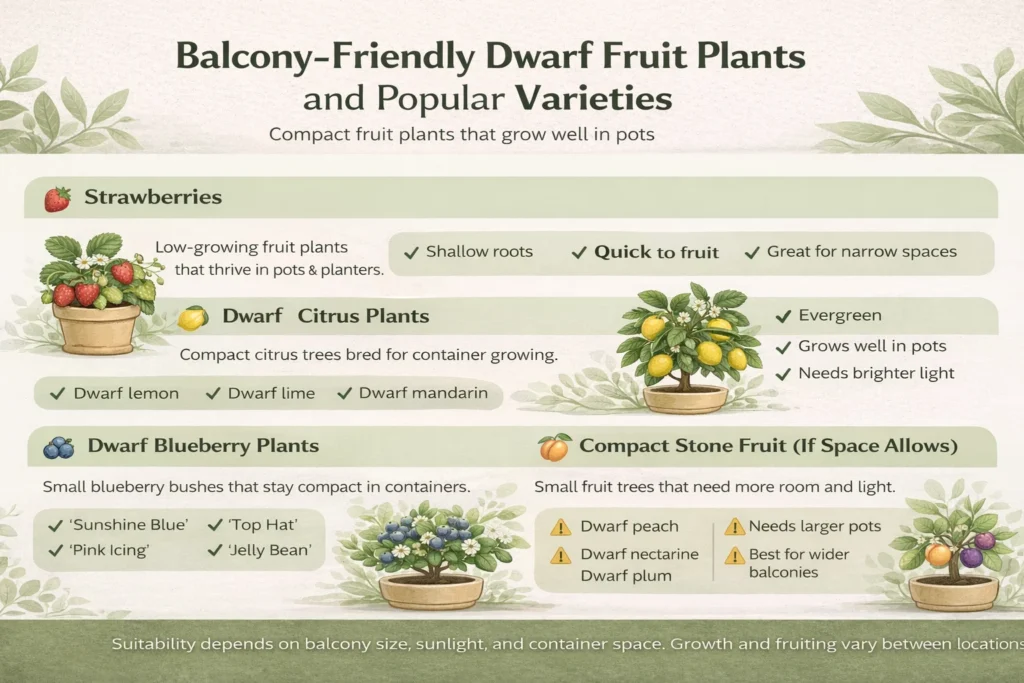
Different fruit plants respond differently to pot life. Some adapt naturally, while others only work in very specific conditions.
Dwarf Citrus Plants
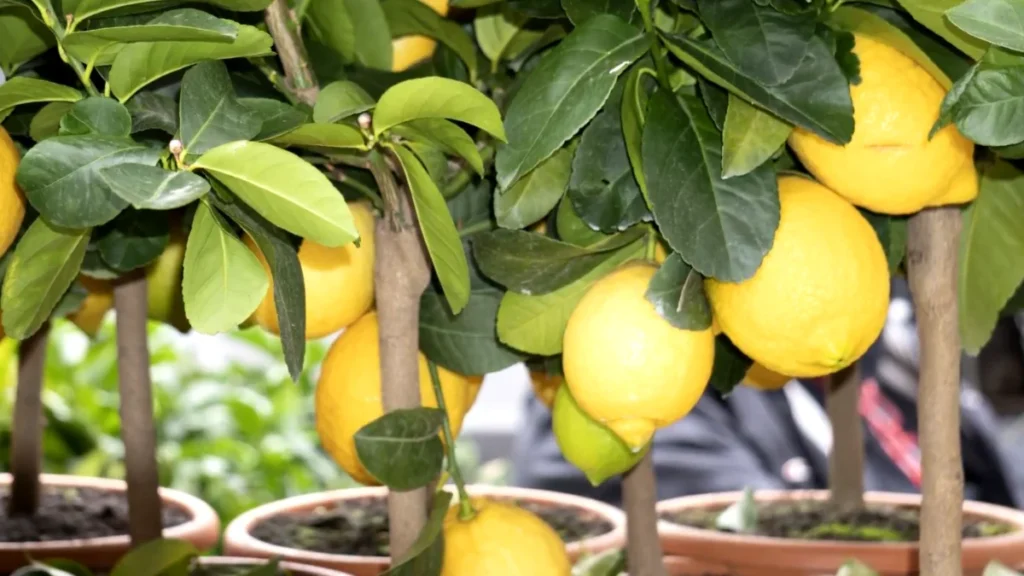
Dwarf lemons, limes, and mandarins are among the most popular balcony fruit plants. They stay compact, tolerate pots well, and are evergreen, which keeps balconies looking green year-round.
They prefer brighter light than most other dwarf fruits, but many still cope with partial sun. Their slow growth makes them manageable in containers, especially when pot size is gradually increased as the plant matures.
Strawberries
Strawberries are one of the easiest fruit plants for balconies. They grow shallow roots, produce fruit quickly, and fit well in pots, troughs, and hanging planters.
Because they stay low and spread gently, they suit narrow balconies and rail planters. They are also forgiving if conditions are not perfect, which makes them ideal for beginners or families gardening with kids.
Blueberries
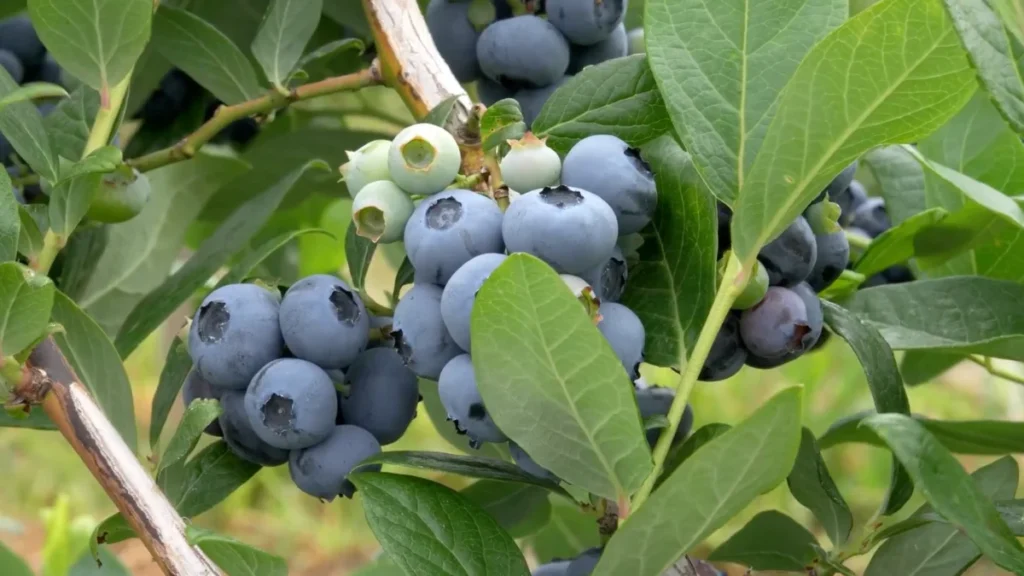
Dwarf blueberry varieties grow well in pots and are well suited to balconies that receive gentle morning sun. They prefer consistent moisture and slightly acidic soil, which pots can provide more easily than garden beds.
They grow slowly and stay bush-shaped, making them easier to control in small spaces. While fruiting takes patience, the plant itself remains tidy and attractive.
Compact Stone Fruit (Special Cases)
Some dwarf peaches, nectarines, and plums can grow on balconies, but they need more space and sunlight than most other dwarf fruits. These plants are best suited to wider balconies with strong light and enough room for larger pots.
They are best considered optional rather than beginner-friendly, especially on narrow or shaded balconies.
Recommended Pot Sizes for Common Dwarf Fruit Plants
Pot size strongly affects how well fruit plants grow on balconies. Too small, and the plant struggles to hold moisture and nutrients. Too large, and weight or space can become an issue.
The table below helps visualise realistic pot sizes for common balcony-friendly dwarf fruit plants.
| Dwarf Fruit Plant | Minimum Pot Size | Ideal Pot Size |
|---|---|---|
| Strawberries | 3–5 litres | 5–10 litres |
| Dwarf Blueberries | 20 litres | 30–40 litres |
| Dwarf Citrus | 30 litres | 40–60 litres |
| Dwarf Stone Fruit | 40 litres | 60+ litres |
This table is intended as a starting point rather than a strict rule. Balcony shape, weight limits, and watering habits all influence what works best.
Do Dwarf Fruit Trees Really Grow Well in Pots?
Dwarf fruit trees are specifically bred to grow in restricted root spaces. Pots naturally slow growth, which helps keep these plants compact.
However, growth speed is usually slower than garden-planted trees. This is normal and not a sign of poor health. On balconies, steady growth matters more than fast growth.
With enough light, correct pot sizing, and patience, dwarf fruit trees can remain healthy and productive for many years in containers.
How Much Sun Do Balcony Fruit Plants Need?
Most fruit plants prefer more light than leafy vegetables, but “full sun” on a balcony does not always mean all-day sun.
Many dwarf fruit plants grow well with:
- Morning sun and afternoon shade
- Bright indirect light for most of the day
- Filtered sun through railings or screens
What matters most is consistency. Sudden changes in sun exposure can stress fruit plants more than slightly lower light levels.
Practical Tips for Growing Fruit on Balconies
Fruit plants respond best to stable conditions. These simple habits help support steady growth without overcomplicating care.
- Choose pots with good drainage to avoid soggy roots
- Water deeply but less often rather than lightly every day
- Protect plants from strong wind using screens or positioning
- Feed lightly during active growth periods
- Observe leaves and growth patterns before making changes
If a tip feels unclear or stressful, it is usually safe to slow down and observe instead.
Common Mistakes With Balcony Fruit Plants
Many balcony fruit problems come from good intentions rather than neglect.
- Using pots that are too small for fruiting plants
- Expecting fast growth or heavy harvests early
- Overwatering in cool or shaded conditions
- Moving plants too often between sun and shade
- Treating fruit plants like herbs or flowers
Recognising these patterns early helps prevent long-term stress.
Australian Balcony Conditions and Seasonal Reality
In Australia, balconies often face stronger sun, hotter surfaces, and drying winds. Summer heat can build up quickly around concrete and glass.
Dwarf fruit plants tend to slow down during heat waves and resume growth once conditions ease. This is normal. Winter growth may also slow depending on location and exposure.
Balcony gardeners benefit most from adjusting expectations to seasonal rhythms rather than forcing growth year-round.
Balcony Haven Note
With a fairly typical apartment balcony, I’ve noticed that balcony-friendly dwarf fruit plants tend to respond more to wind, heat, and container size than to variety alone. Small, realistic adjustments often make a bigger difference than trying to create ideal conditions. This can vary from one balcony to the next depending on layout and exposure.
If you are specifically interested in citrus on balconies, Can lemon trees grow in small balcony pots explores how dwarf citrus behaves in tight spaces and what usually limits success.
Frequently Asked Questions About Balcony-Friendly Dwarf Fruit Plants
What fruits grow best on apartment balconies?
Strawberries, dwarf citrus, and dwarf blueberries are among the most reliable fruit plants for balconies. They adapt well to pots and tolerate variable conditions better than most fruit trees.
Do dwarf fruit plants need special soil?
They benefit from quality potting mix with good drainage. Soil that stays wet for too long often causes more problems than soil that dries slightly between watering.
How long does it take for dwarf fruit plants to produce fruit?
Strawberries can fruit within months, while dwarf citrus and blueberries may take one to two years. Growth speed depends heavily on light and seasonal conditions.
Can fruit plants survive windy balconies?
Some can, but wind protection is important. Constant strong wind stresses leaves and flowers, reducing fruit production.
Are dwarf fruit plants safe for kids to grow?
Yes. Many, especially strawberries, are easy for kids to observe and harvest. Adult supervision helps with watering and pot placement.
Final Thoughts
Balcony-friendly dwarf fruit plants make fruit growing possible in small spaces, but success comes from working with the balcony rather than against it. These plants are designed to stay compact, grow steadily, and fruit within limits.
Balcony conditions vary widely, even within the same building. Paying attention to light, wind, and pot size helps reveal what your space can support over time.
Start small, observe how plants respond, and adjust gradually. Fruit growing on a balcony is less about perfection and more about patience, balance, and learning what works in your own space.
Happy Balcony Gardening!
Leave a Reply