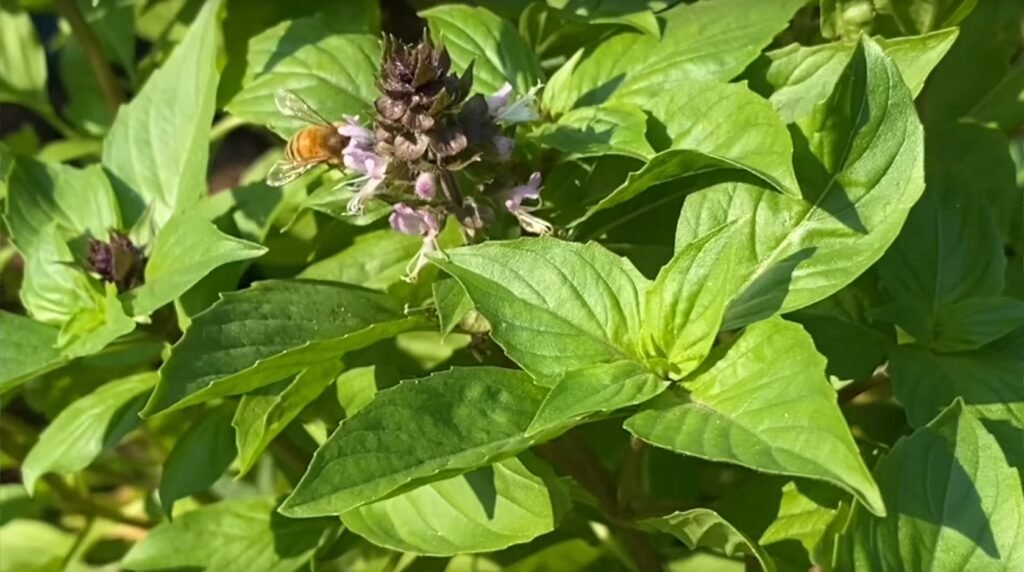
Can Basil Grow on a Shaded Balcony?
Growing basil on a shaded balcony can feel discouraging, especially when most gardening advice insists that basil needs full sun to thrive. That’s why many apartment dwellers go searching for basil growing tips for shaded balcony spaces, often assuming their balcony simply isn’t suitable for herbs.
Yes, basil can grow on a shaded balcony if it receives bright indirect light or around 2–4 hours of gentle sun, ideally in the morning. Growth may be slower, but usable harvests are still achievable with consistent care.
The reality is more encouraging. Basil is adaptable, and while it won’t grow as fast or as large in shade, it can still produce healthy, aromatic leaves when cared for correctly. The key is understanding how basil behaves when light is limited and adjusting expectations and care habits accordingly.
In shaded conditions, basil doesn’t fail — it simply grows differently. Once you work with those differences instead of fighting them, basil becomes surprisingly manageable on apartment balconies.
Understanding the Reality of a Shaded Balcony
Most shaded balconies are not dark — they are filtered. Light reflects off walls, railings, neighbouring buildings, and even nearby windows, creating a soft brightness rather than direct sun. This is very different from deep indoor shade, where plants struggle to photosynthesise at all.
On a shaded balcony, basil uses its energy more cautiously. Leaves grow a little smaller, stems may lean toward the brightest direction, and soil stays moist longer after watering. These conditions reward patience, observation, and restraint rather than aggressive feeding or frequent watering.
Once you recognise this slower rhythm, basil becomes much easier to manage and far less frustrating.
How to Grow Basil on a Shaded Balcony Successfully
Choosing a Basil Variety That Handles Shade
Not all basil varieties respond the same way to low-light conditions. Compact and small-leaf basils generally adapt better to shaded balconies because they require less energy to sustain leaf growth.
Bush basil and Greek basil often perform more reliably than large-leaf sweet basil, which tends to stretch, thin out, and lose structure when light is limited. That doesn’t mean sweet basil won’t grow — it simply needs closer attention and regular pruning to stay productive.
If you’re new to shaded balcony gardening, starting with a compact variety often leads to quicker success.
Pot Size and Drainage Matter More in Shade
In shaded balcony conditions, water evaporates slowly. Basil roots remain moist for longer periods, which makes drainage far more important than pot size alone.
A medium-sized pot with multiple drainage holes works best. Containers that are too large often stay wet in the centre, while very small pots dry unevenly and stress the roots. Lightweight pots are also safer for balconies and easier to reposition as light patterns shift throughout the day.
Using a free-draining potting mix helps prevent the soggy soil conditions that shaded balconies naturally encourage.
Positioning for Maximum Available Light
Even on a shaded balcony, light is rarely evenly distributed. Some areas receive reflected brightness from walls or railings, while others remain dim all day.
Basil grows best near open edges, balcony railings, or light-coloured surfaces that bounce light back onto the plant. If your balcony receives brief morning sun, prioritise that spot. Morning light is gentler, cooler, and ideal for basil growing in shade.
Rotating the pot every few days helps prevent leaning and encourages more balanced growth.
How to Grow Basil in Shade Without Weak Growth
Basil grown in shade doesn’t need more water or fertiliser — it needs balance. Overcompensating is one of the most common reasons shaded basil struggles.
Allow the top layer of soil to dry slightly before watering again. This encourages stronger roots and prevents the constantly damp conditions that lead to yellowing leaves and slow growth. Feeding should be light and infrequent, especially during cooler or cloudier periods.
In shaded conditions, steady care always beats intensive care.
Practical Basil Growing Tips for Shaded Balcony Conditions
Small, consistent habits make a noticeable difference when sunlight is limited:
- Water only when the top soil feels dry
- Pinch growing tips regularly to encourage bushier plants
- Use a free-draining potting mix
- Avoid crowding basil with taller or denser plants
- Rotate pots weekly to balance light exposure
These adjustments help basil stay healthy and productive even without full sun.
What Happens If Basil Doesn’t Get Enough Sun?
When basil doesn’t receive enough light, growth slows and stems stretch toward the brightest available source. Leaves may become smaller, and the spacing between nodes increases.
This doesn’t mean the plant is failing. It simply means expectations need adjusting. Regular pruning, correct watering, and improved placement help shaded basil remain productive despite slower growth.
Understanding these signs early prevents unnecessary changes that often make things worse.
Common Mistakes When Growing Basil on a Shaded Balcony
Shaded balconies tend to magnify common beginner mistakes:
- Overwatering because soil looks dry on the surface
- Using deep pots with poor drainage
- Leaving basil in deep shade all day
- Expecting fast growth like full-sun gardens
- Forgetting to prune regularly
Avoiding these issues improves leaf quality, plant structure, and overall longevity.
Seasonal Notes for Australian Apartment Balconies
In warm Australian summers, shaded balconies can actually protect basil from extreme afternoon heat. Growth may be steadier, and leaves are less likely to wilt or scorch.
During cooler months, basil growth slows significantly. Plants may survive but should be treated as light-harvest herbs rather than heavy producers. Reducing watering and pruning less frequently helps basil cope with seasonal changes.
Balcony Haven Note
On my own shaded balcony, basil responded very differently than it would in a full-sun garden setting. When growth expectations were adjusted, the plant appeared more stable over time, even though progress was slower. What stood out was that steady conditions mattered more than rapid growth in lower-light spaces. This can vary between balconies, but shaded environments often reward consistency over speed.
Frequently Asked Questions
How to grow basil on a balcony?
Use a well-draining pot, bright indirect light, and consistent pruning.
How to grow basil in shade?
Focus on reflected light, avoid overwatering, and rotate the plant regularly.
How to grow basil without sunlight?
Basil needs light — without sunlight or bright indirect light, growth will be weak.
Can basil survive indoors near a window?
Yes, if the window provides several hours of bright indirect light daily.
Final Thoughts
A shaded balcony doesn’t limit your gardening — it refines it. Basil may grow more slowly, but with the right care, it can still reward you with fresh, aromatic leaves.
Start small, observe how light moves across your space, and let the plant guide your adjustments. That’s how balcony gardening really works.
Happy Balcony Gardening!
Leave a Reply