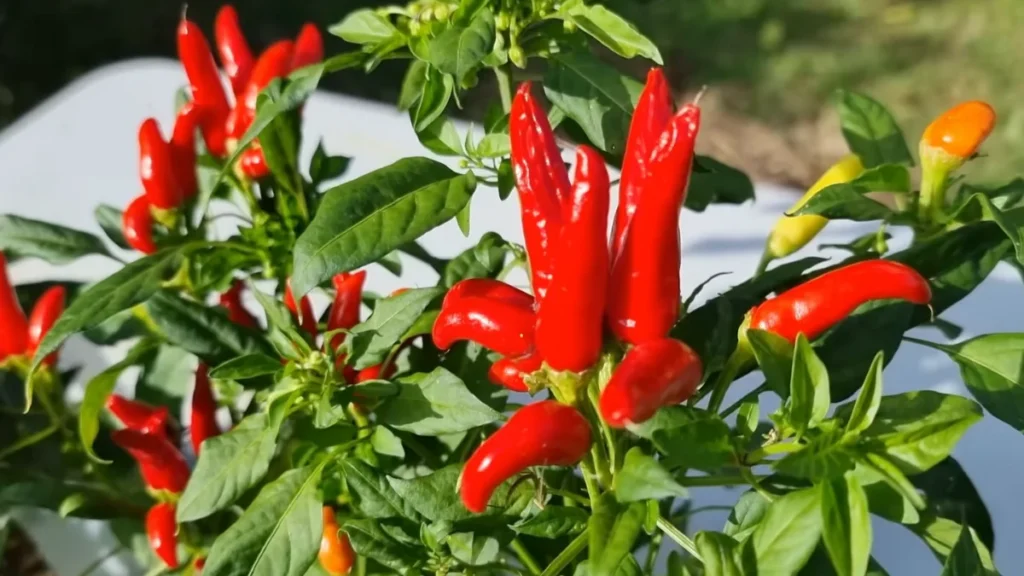
Can Chili Plants Grow on a Windy Balcony?
Growing chilli plants on a balcony often feels straightforward until wind enters the picture. Many apartment gardeners watch healthy plants struggle with torn leaves, dropped flowers, or constant leaning and assume chillies simply aren’t suited to exposed spaces. On windy balconies, the challenge isn’t a lack of skill or care — it’s the environment working against the plant in subtle but persistent ways.
Yes, chilli plants can grow on a windy balcony, but constant strong wind can slow growth, damage stems, and reduce fruiting. With some shelter, staking, and airflow management, chilli plants usually adapt and continue to produce well in balcony conditions.
What makes balconies tricky is that wind behaves very differently compared to ground-level gardens. Airflow is often accelerated by surrounding buildings, creating steady directional wind or sudden gusts that hit plants from the same angle all day. Even balconies that don’t feel particularly windy to people can be stressful environments for potted plants.
Wind also amplifies moisture loss. Balcony pots dry from all sides, and wind speeds up evaporation through both the soil surface and the leaves. This means chilli plants may appear watered yet still experience stress because moisture is being pulled away faster than roots can replace it. Over time, this imbalance affects growth, flowering, and fruit development.
Another overlooked factor is consistency. Garden plants usually experience changing wind directions and calmer periods. Balcony plants, especially those near open railings, often face uninterrupted exposure from one direction. This one-sided pressure shapes how chilli plants grow, weakens stems, and increases flower drop if not addressed.
Understanding this balcony-specific reality is key. Once wind is managed — not fought — chilli plants often prove far more adaptable and productive than expected.
Understanding the Reality of Windy Balconies
Wind on a balcony behaves very differently from wind at ground level. In apartments, airflow is often accelerated by surrounding buildings, creating sudden gusts or steady directional wind that hits plants for hours at a time. Even balconies that don’t feel “very windy” to people can be stressful environments for plants.
Unlike garden soil, balcony pots dry from all sides. Wind speeds up evaporation not only from the soil surface but also through the leaves, increasing water loss. This creates a situation where chilli plants may look watered, yet still experience stress because moisture is being pulled away faster than roots can absorb it.
Another overlooked factor is consistency. Garden plants usually experience changing wind directions and calmer periods. Balcony plants, especially those near railings or open edges, often face constant pressure from one direction. Over time, this one-sided stress affects growth shape, flowering, and stem strength.
Understanding this difference helps explain why chilli plants struggle on balconies even when sunlight and nutrients seem adequate.
Chillies aren’t the only plants that cope well with wind. If your balcony is often breezy, you may also find this guide to the best plants for a windy balcony helpful.
How Wind Affects Chili Plants
Chilli plants are naturally flexible and can benefit from light airflow, which helps strengthen stems and reduce fungal issues. Problems arise when wind becomes relentless rather than occasional.
Continuous wind forces chilli plants into survival mode. Energy that would normally support leaf growth, flowering, and fruit development is redirected toward repairing tissue and maintaining hydration. Leaves may become smaller, curl inward, or develop rough edges as a protective response.
Flower drop is one of the most common wind-related issues. Even healthy plants may produce flowers that never turn into fruit because wind physically dislodges them or dries the plant too quickly during this sensitive stage. This often leads gardeners to over-fertilise or over-water, unintentionally creating new problems.
When wind stress is reduced, chilli plants typically respond within weeks by producing stronger stems and more stable flowering.
Setting Up Chili Plants for Windy Balconies
Pot Choice and Stability
Pot choice plays a much bigger role on windy balconies than many gardeners expect. Lightweight containers shift, vibrate, and tip during gusts, repeatedly disturbing the root system. This constant movement prevents roots from establishing properly and increases stress even when the plant looks fine above the soil.
Heavier pots stabilise the plant and act as a buffer against sudden wind changes. For most balcony chilli varieties, containers between 15 and 25 litres provide enough weight and depth to support root development while holding moisture more evenly during windy conditions.
Stable pots also reduce temperature swings in the soil, which is especially helpful on exposed balconies where wind cools pots quickly after sunset.
Positioning Makes the Biggest Difference
Where a chilli plant sits on a balcony often matters more than the overall windiness of the building. Plants placed at the very edge of a balcony receive the strongest airflow, especially at higher levels.
Moving pots closer to a wall, solid railing, or corner softens wind without sacrificing sunlight. Walls absorb and redirect airflow, creating calmer microclimates that chilli plants respond to quickly. Even a small shift inward can noticeably reduce leaf movement and moisture loss.
The best position is one where the plant still experiences gentle movement but is not constantly pushed or shaken throughout the day.
Do Pepper Plants Like Wind?
Pepper plants, including chillies, tolerate light, intermittent airflow but do not thrive in constant wind. Gentle movement encourages stronger stems, but ongoing force weakens tissues rather than strengthening them.
A simple way to judge tolerance is observation. If leaves are always moving, stems lean consistently, or the plant dries out much faster than expected, the wind level is too high. In these cases, sheltering the plant improves growth more effectively than any fertiliser or supplement.
Wind should support plant health, not dominate it.
What Conditions Do Chili Plants Prefer?
Chilli plants grow best when warmth, sunlight, and moisture are stable. Wind becomes problematic only when it disrupts this balance. On balconies, the combination of wind and sun often leads to rapid drying, which stresses plants even when watering seems frequent.
Chillies prefer evenly moist soil rather than cycles of drying and soaking. Wind interferes with this by pulling moisture from both soil and leaves, making consistent hydration harder to maintain. Reducing exposure allows the plant to use water efficiently and focus on growth rather than recovery.
When these basic conditions are met, chillies adapt surprisingly well to apartment environments.
Practical Tips That Actually Help
Rather than over-correcting, small targeted adjustments usually work best:
- Choosing heavier pots to limit movement
- Supporting stems early before they weaken
- Grouping plants so they shield each other
- Increasing watering frequency during windy spells
These changes reduce stress without turning balcony gardening into a complicated routine.
Common Balcony Growing Mistakes
Many balcony chilli problems blamed on nutrients or plant variety are actually exposure issues. Lightweight pots, exposed railing placement, and inconsistent moisture often combine to create long-term stress that isn’t immediately obvious.
Another common mistake is reacting too quickly. Moving plants repeatedly or changing multiple factors at once can make stress worse rather than better. Chilli plants respond best when one adjustment is made and allowed time to show results.
Understanding wind as a constant influence helps prevent unnecessary interventions.
Windy Balconies in Australia
Australian balconies often experience seasonal wind patterns, particularly in spring and early summer when chilli plants begin flowering. Coastal cities and high-rise apartments are especially prone to strong, dry winds that coincide with peak growth stages.
During these periods, extra attention to positioning and watering makes a noticeable difference. Many balcony gardeners see improved fruit set simply by adding temporary shelter or moving pots slightly away from open edges.
The Balcony Haven Note
Wind often affects plants by causing stress rather than direct damage. On balconies, chilli plants can look weak at first but still recover well once the surrounding conditions feel more balanced. Some balconies that seem “too windy” at a glance can still support healthy chilli plants when the space works with the airflow instead of against it. This makes wind more of a condition to understand than a reason to give up.
FAQs
Can chilli plants survive strong wind?
Chilli plants can tolerate short bursts of strong wind, especially if they are well-established and properly supported. The problem arises when wind is constant day after day. Ongoing exposure forces the plant to focus on staying upright and hydrated, which slows growth and reduces flowering and fruit production over time.
Should I bring chilli plants indoors on windy days?
It’s usually better to improve shelter on the balcony rather than moving chilli plants in and out. Frequent relocation exposes plants to sudden light, temperature, and humidity changes, which can be more stressful than wind itself. Creating a more protected spot outdoors helps the plant adapt and grow more consistently.
Do chillies need staking on balconies?
Yes, staking is strongly recommended on windy balconies, even for compact chilli varieties. Early support prevents stems from bending or cracking under repeated wind pressure and helps the plant direct energy toward flowering instead of structural recovery. Waiting until damage appears often makes recovery slower.
Will wind stop chilli plants from fruiting?
Strong or constant wind can interfere with fruiting by causing flowers to drop before pollination occurs. Wind also increases moisture loss during flowering, which makes fruit set less reliable. Once wind stress is reduced, many chilli plants resume flowering and fruiting without additional intervention.
Final Thoughts
A windy balcony doesn’t disqualify chilli plants — it just requires a different approach. Stable pots, better positioning, and consistent moisture allow chillies to grow confidently even in exposed apartments.
Start small, adjust gradually, and let the plant show you what it needs. Balcony gardening is less about control and more about understanding your space.
Leave a Reply