Which Drought-Tolerant Plants for Hot Balconies Actually Survive?
Hot balconies are one of the fastest ways to lose confidence in balcony gardening. Plants dry out faster than expected, pots heat up like ovens, and watering feels like a daily battle that still doesn’t guarantee success.
Drought-tolerant plants for hot balconies are species that store water in their leaves or roots, have thick or waxy foliage, and can handle intense sun and heat without constant watering. Succulents, hardy herbs, Mediterranean shrubs, and certain native plants perform especially well in exposed apartment balconies.
Most apartment gardeners don’t struggle because they forget to water. They struggle because many common plants simply aren’t suited to intense heat, reflected sunlight, and fast-drying containers.
That’s where drought-tolerant plants for hot balconies make a real difference. These plants are adapted to survive heat stress, limited soil moisture, and inconsistent watering — which makes them far more forgiving in apartment conditions.
If your balcony gets long hours of sun, feels hotter than ground level, or regularly dries out pots before the next watering, this guide will help you choose plants that work with those conditions instead of fighting them.
Understanding the Reality of Hot Apartment Balconies
Balconies don’t behave like garden beds. Heat builds up faster, wind strips moisture from soil, and pots absorb and radiate warmth all day long. On higher floors, these effects are amplified by stronger sun exposure and airflow.
Containers also limit root growth. Once soil dries out, roots have nowhere else to search for moisture. This is why many leafy or moisture-loving plants decline quickly on hot balconies even with regular care. If your balcony pots seem to dry out far faster than expected, the issue isn’t always plant choice — it’s often how balcony soil behaves in heat.
Drought-tolerant plants succeed here because they’re built for stress. They slow water loss, tolerate dry periods, and recover better after heat spikes — making them far more realistic for apartment life.
The Best Drought-Tolerant Plants for Hot Balconies
Succulents and Fleshy-Leaf Plants
Succulents are often the first plants people think of, and for good reason. Their thick leaves store water, allowing them to cope with long dry periods and harsh sunlight.
On balconies, they perform best in free-draining soil and pots that don’t trap moisture. While they dislike soggy conditions, they handle heat extremely well once established.
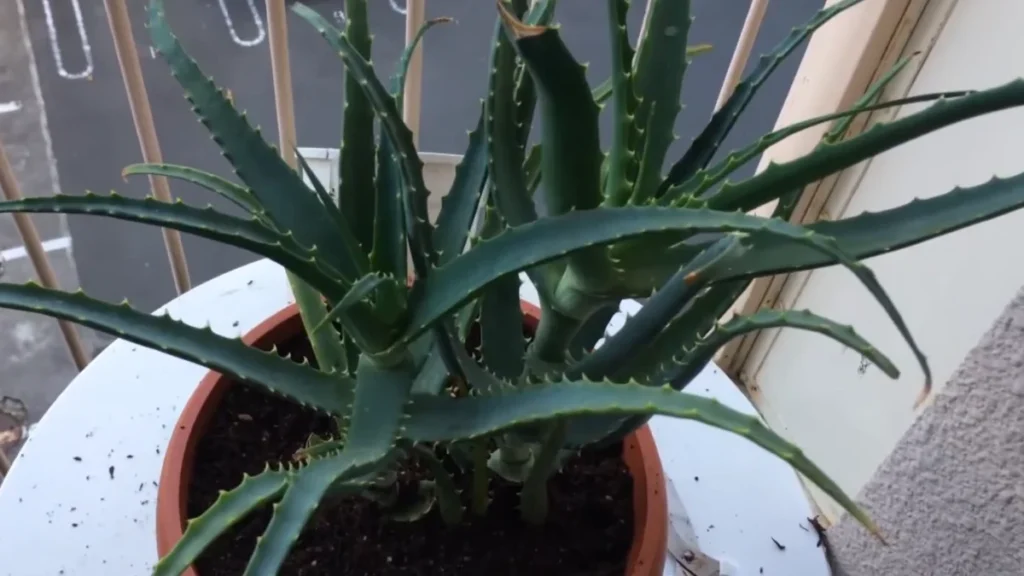
Common balcony-friendly options include aloe varieties, echeveria, jade plants, and crassula types that tolerate full sun.
Hardy Herbs That Thrive in Heat
Not all herbs are fragile. Many Mediterranean herbs evolved in dry, sunny climates and are ideal for hot balconies.
Rosemary, thyme, oregano, and sage all prefer soil that dries slightly between waterings. In fact, overwatering is more damaging than drought for these plants. Once settled, they require minimal maintenance and reward you with fragrance and harvests year-round in warm climates.
Herbs also tend to cope well with reflected heat from balcony walls and railings.
Tough Flowering Plants for Hot Conditions
Some flowering plants are far more resilient than they look. These species often have narrow leaves, deep roots, or waxy surfaces that reduce water loss.
Portulaca, gazania, vinca, and lantana are well known for surviving heat and sun exposure with minimal watering. On balconies, they perform best in medium-to-large pots that buffer temperature swings.
These plants offer colour without the constant care that thirstier flowering varieties demand.
Compact Native and Mediterranean Shrubs
For larger balconies, compact shrubs adapted to dry climates can provide structure and shade while handling heat effortlessly.
Lavender, dwarf olive varieties, westringia, and some grevillea cultivars are excellent examples. They tolerate strong sun, handle wind, and require far less water once established.
Shrubs also help shade the soil surface, which further reduces moisture loss in containers.
What Plants Are Good for Hot Balconies?
Plants that succeed on hot balconies usually share three traits: thick or narrow leaves, slower growth, and tolerance for drying soil. They don’t panic when conditions fluctuate, which is exactly what happens in apartment environments.
If a plant naturally grows in rocky, coastal, or Mediterranean climates, it’s often a strong candidate for balcony heat.
What Plants Can Survive Extreme Heat in Australia?
Australian summers place extra pressure on balcony plants due to intense sun and warm nights. Drought-tolerant natives, Mediterranean herbs, and succulents generally cope best.
Plants that evolved with seasonal dryness are better equipped to survive heatwaves without constant intervention.
Practical Tips for Success on Hot Balconies
Choosing the right plant is only part of the equation. Small adjustments make drought-tolerant plants even more reliable.
- Use light-coloured or insulated pots to reduce heat absorption
- Choose larger pots where possible to slow soil drying
- Water deeply but less often to encourage strong root systems
- Avoid saucers that trap heat and moisture under pots
- Group plants to create shared shade and humidity
These changes reduce stress without increasing daily maintenance.
Common Mistakes That Kill Drought-Tolerant Plants
Even tough plants fail when balcony conditions are misunderstood.
- Overwatering plants that prefer dry soil
- Using compacted or water-retentive potting mixes
- Choosing small pots that overheat and dry too fast
- Placing plants against reflective walls without airflow
- Assuming drought-tolerant means “never water”
Most failures come from kindness rather than neglect.
Hot Balcony Gardening in Australian Conditions
Australian balconies often face stronger sun angles and higher overnight temperatures than many overseas climates. This means soil stays warm longer and evaporation continues even after sunset.
Drought-tolerant plants reduce the need for constant watering during heatwaves and offer far better survival rates during summer travel or busy periods.
The Balcony Haven Note
With drought-tolerant plants for hot balconies, many struggles seem to come from trying to grow plants that don’t suit the heat. On hot balconies, some plants need constant attention just to survive, which can quickly feel tiring and frustrating. Plants that handle dry conditions more naturally often appear calmer in these spaces, even during long hot spells. When the right plants match the environment, balcony gardening usually feels easier and more enjoyable.
FAQs
What are the best low-maintenance balcony plants in Australia?
Drought-tolerant herbs, succulents, and compact native shrubs are among the lowest-maintenance balcony plants in Australia because they cope well with heat, wind, and drying soil. Plants like rosemary, thyme, aloe, lavender, and dwarf natives require less frequent watering and recover better after hot weather, making them ideal for busy apartment gardeners.
Do drought-tolerant plants still need watering?
Yes, drought-tolerant plants still need watering, but much less often than moisture-loving plants. The key difference is that they can tolerate dry periods between deep waterings, especially once established, which reduces stress during heatwaves or missed watering days.
Are hanging baskets suitable for hot balconies?
Hanging baskets can work on hot balconies, but only when planted with drought-tolerant species. Because baskets dry out faster due to airflow and sun exposure, plants like succulents, trailing rosemary, or portulaca perform far better than thirsty plants that require consistently moist soil.
Can drought-tolerant plants handle full sun all day?
Most drought-tolerant plants can handle full sun all day once established, particularly those adapted to Mediterranean or Australian climates. However, newly planted or young plants benefit from gradual sun exposure at first, allowing them to harden off and avoid heat stress or leaf burn.
Final Thoughts
Hot balconies aren’t a design flaw or a gardening failure — they’re simply a different environment with their own rules. When plants are chosen for ground gardens instead of exposed containers, heat stress and constant watering become unavoidable. The shift happens when plant selection matches the reality of sun, wind, and fast-drying pots.
Drought-tolerant plants remove much of the daily pressure from balcony gardening. They forgive missed watering, recover better after heatwaves, and grow more steadily in harsh conditions. Combined with the right pot size, free-draining soil, and thoughtful placement, they turn survival into consistency.
Start small, observe how your balcony behaves through the day, and build around plants that thrive in that space. With time, even the hottest balcony can become a stable, low-stress green area that fits naturally into apartment living — not something you constantly have to manage or rescue.
Happy Balcony Gardening!
Leave a Reply