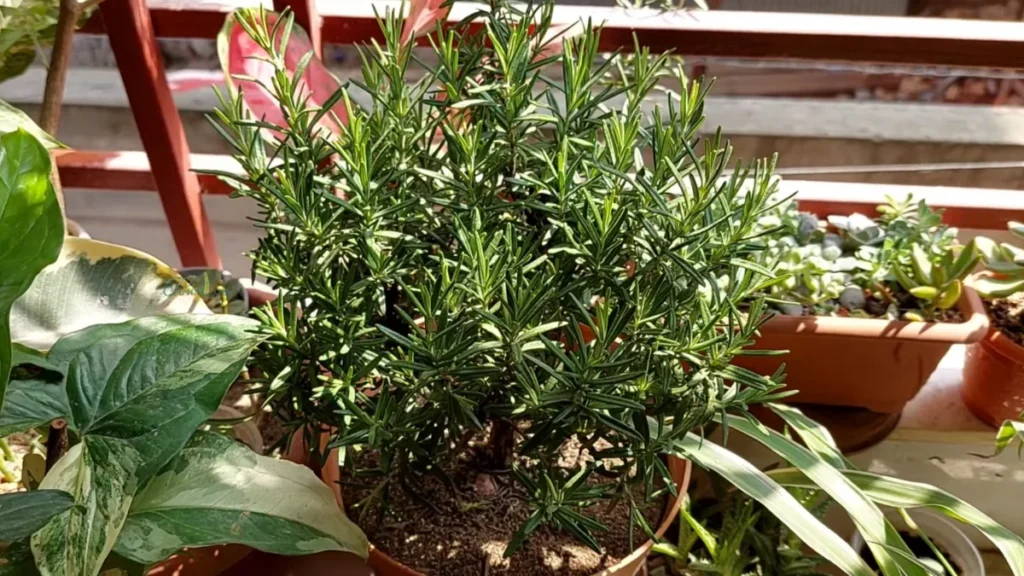
How to Care for Rosemary on a Hot West-Facing Balcony?
Growing rosemary on a west-facing balcony often sounds easier than it turns out. The plant is known for loving sun, yet many balcony growers watch their rosemary dry out, turn woody, or struggle during hot afternoons. On apartments with strong afternoon sun, heat can build quickly and stress the plant more than expected.
Rosemary care for hot west-facing balconies works best when sunlight, heat, airflow, and soil moisture are balanced rather than maximised. While rosemary enjoys bright light, intense afternoon sun combined with reflected heat and wind can dry out pots too quickly and damage roots if conditions are not managed carefully.
When these stresses add up, rosemary may stop producing soft new growth, develop brittle stems, or lose its aroma. This often leads people to think rosemary is hard to grow on balconies, even though the issue is usually the environment rather than the plant itself.
This article explains how west-facing balconies affect rosemary, what conditions help it stay healthy in heat, and how to care for rosemary realistically in hot apartment settings without overcomplicating the process.
Table of Contents
Understanding the Reality of a West-Facing Balcony
| Balcony Condition | What Happens on West-Facing Balconies | How Rosemary Responds |
|---|---|---|
| Afternoon Sun | Strong, direct sun during hottest hours | Leaves may scorch if heat builds |
| Heat Reflection | Walls and floors hold heat | Roots warm faster in pots |
| Wind Exposure | Common in higher apartments | Soil dries faster |
| Pot Dry-Out | Small pots lose moisture quickly | Growth slows under stress |
West-facing balconies receive the strongest sunlight during the hottest part of the day. By afternoon, concrete floors, walls, and nearby buildings often hold and reflect heat back toward plants. This creates a hotter microclimate than ground-level gardens experience.
Wind is also common on west-facing apartments. While airflow can be helpful, strong or constant wind speeds up moisture loss from both soil and leaves. Combined with heat, this can cause pots to dry faster than expected.
Space and weight limits matter too. Many apartment balconies cannot support very large containers, which means soil volume is limited. Smaller pots heat up and dry out faster, making moisture control more difficult for woody herbs like rosemary.
How Heat and Sun Affect Rosemary on Balconies
Rosemary is naturally drought-tolerant once established, but container-grown plants behave differently than those planted in the ground. On a hot west-facing balcony, roots are more exposed to temperature swings and rapid drying.
Too much afternoon sun can cause leaf scorch, especially during heatwaves. Instead of steady growth, the plant may shift into survival mode, slowing new shoots and hardening existing stems.
At the same time, insufficient airflow can trap heat around the plant. This makes rosemary more sensitive to watering mistakes, where soil swings between overly dry and overly wet.
Choosing the Right Pot Size and Setup
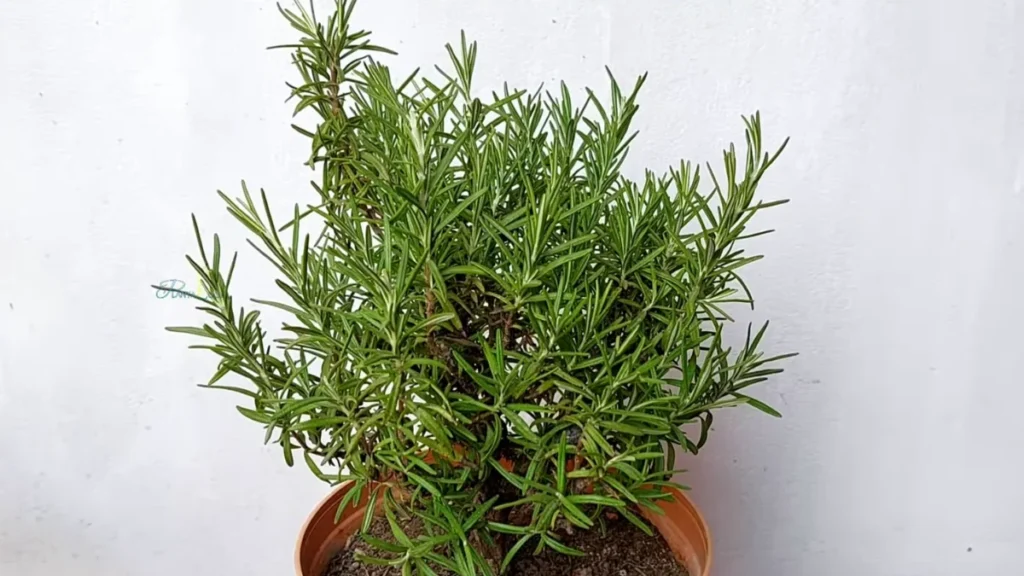
Pot size plays a major role in rosemary care for hot west-facing balconies. Containers that are too small dry out quickly and overheat in the sun.
A medium-sized pot offers a better balance between moisture retention and weight. Deeper pots help insulate roots from heat while allowing excess water to drain away. Shallow containers tend to heat faster and stress the plant during hot afternoons.
Material also matters. Unglazed terracotta allows moisture to evaporate through the sides, which can cool roots slightly but also increases water loss. Plastic or glazed pots hold moisture longer but can trap heat if placed in full sun.
Soil and Drainage in Hot Conditions
Rosemary prefers free-draining soil, especially in hot environments. On balconies, poor drainage can quickly lead to root stress if watering is inconsistent.
A light, well-aerated soil mix helps excess water escape while still holding enough moisture between waterings. Soil that stays compacted or soggy in heat often leads to root damage rather than healthy growth.
Drainage holes are essential. Even drought-tolerant herbs struggle when water has nowhere to escape, particularly during warm evenings when evaporation slows.
Watering Rosemary on a West-Facing Balcony
Watering patterns matter more than frequency. On hot west-facing balconies, rosemary often needs deeper but less frequent watering rather than daily light watering.
Afternoon heat increases evaporation, so watering earlier in the day helps moisture reach the roots before temperatures rise. Evening watering can work in some conditions but may leave soil damp overnight if airflow is poor.
Instead of following a schedule, observing soil moisture gives better results. Rosemary prefers soil that dries slightly between waterings rather than staying constantly moist.
Should Rosemary Get Full Afternoon Sun?
Many people assume rosemary needs full sun all day, but on west-facing balconies, full afternoon exposure can be too intense. Bright morning and midday sun with some protection during peak afternoon heat often produces healthier growth.
Partial shade from nearby walls, balcony railings, or light shade cloth can reduce heat stress without limiting light too much. This balance helps rosemary maintain flavour and leaf health.
Practical Tips for Hot West-Facing Balconies
Small adjustments often make the biggest difference when caring for rosemary in hot balcony conditions.
- Place pots slightly away from walls that reflect heat
- Rotate containers occasionally to balance sun exposure
- Elevate pots slightly to improve airflow underneath
- Avoid overcrowding plants, which traps heat
- Use mulch sparingly to reduce moisture loss without trapping excess heat
Common Rosemary Mistakes on Hot Balconies
Many problems come from trying to treat rosemary like a soft herb rather than a woody Mediterranean plant.
- Overwatering to compensate for heat
- Using pots that are too small
- Leaving plants in full afternoon sun during heatwaves
- Ignoring wind exposure
- Using heavy, water-retentive soil mixes
Australian Summer Considerations
In Australia, west-facing balconies can become extremely hot during summer. Heatwaves and warm nights increase stress on container plants, even those considered drought-tolerant.
During extended hot periods, rosemary may slow growth naturally. This is not always a sign of failure but a response to conditions. Seasonal adjustments are often necessary rather than permanent changes.
A Balcony Haven Note
From what I’ve seen on my own balcony, plants respond more to heat, sunlight, and exposure than to perfect techniques. My current balcony is not west-facing, but I have grown rosemary before on a west-facing space where afternoon heat clearly shaped how the plant behaved. Small changes over time revealed what worked and what didn’t, and this can vary widely depending on layout, weather, and exposure.
If heat stress is affecting your herbs and other plants, you may find Balcony plants wilting in afternoon sun especially helpful. It explains how heat and sunlight interact on balconies and why wilting often happens even when soil appears moist.
Frequently Asked Questions
Can rosemary grow on a west-facing balcony?
Yes, rosemary can grow on a west-facing balcony if heat, watering, and airflow are balanced. Afternoon sun is not a problem on its own, but combined heat and drying conditions need to be managed.
Does rosemary need full sun all day?
Rosemary prefers bright light, but full afternoon sun on hot balconies can be excessive. Many plants perform better with partial protection during peak heat.
How often should I water rosemary in hot weather?
Watering frequency depends on pot size, soil, and exposure. Rosemary generally prefers soil that dries slightly between waterings rather than staying constantly wet.
Why is my balcony rosemary turning woody?
Woody growth often increases when plants are stressed by heat, limited root space, or inconsistent watering. This is common on hot west-facing balconies.
Final Thoughts
Caring for rosemary on a hot west-facing balcony is less about pushing sunlight and more about managing heat and moisture realistically. Strong afternoon sun, reflected heat, and wind all play a role in how the plant behaves.
Instead of trying to optimise everything at once, paying attention to how your own balcony responds across the day usually leads to better results. Small adjustments over time often matter more than dramatic changes.
Every balcony behaves differently. With observation and patience, rosemary can adapt well to west-facing apartment conditions when its limits are respected rather than ignored.
Happy Balcony Gardening!
Leave a Reply