Starting plants for the first time feels exciting — until the first one struggles. Many beginners assume they’re doing something wrong, when in reality, balconies simply behave differently from gardens. So what are the easiest plants for beginners?
The easiest plants for beginners are those that tolerate mistakes and adapt to changing conditions. On balconies, this usually means leafy greens, forgiving herbs like mint and parsley, and a few heat-tolerant plants that recover well from uneven watering, wind, and limited sunlight.
Most “easy plant” lists are written for backyards with open soil and steady conditions. Balconies are smaller, hotter, windier, and far less forgiving. That’s why some plants that are easy in gardens fail quickly in pots, while others quietly thrive with very little effort.
This guide explains which plants are actually easiest for beginners on balconies — and, more importantly, why they work. You’ll learn how to choose plants that tolerate learning mistakes, adapt to changing conditions, and grow steadily without needing perfect care.
Table of Contents
Why “Easy Plants” Are Different on Balconies
On a balcony, plants experience stress more quickly.
Sun arrives in short bursts instead of lasting all day. Wind pulls moisture out of pots faster than expected. Containers limit root space, and heat reflects off walls and railings rather than escaping into the ground.
Because of this, easy balcony plants are not the fastest growers or the most productive ones. They’re the plants that cope well with fluctuation — in water, temperature, and light — without collapsing.
For beginners, resilience matters far more than performance.
What Makes a Plant Beginner-Friendly on a Balcony?
Before naming specific plants, it helps to understand what “easy” actually means in an apartment setting.
Beginner-friendly balcony plants usually:
- Tolerate missed or uneven watering
- Recover after short heat stress
- Adapt to partial or shifting sunlight
- Grow happily in containers
- Show stress gradually, not suddenly
Plants that need strict schedules or constant conditions tend to punish beginners quickly — even when care is well-intentioned.
The Easiest Balcony Plants for Beginners (Explained Properly)
Beginner-Friendly Balcony Plants (Grouped by Behaviour)
| Plant Group | Why They’re Easy | What Balcony They Suit Best |
|---|---|---|
| Leafy greens (lettuce, spinach) | Slow, forgiving growth that tolerates uneven watering | Morning sun or filtered light |
| Forgiving herbs (mint, parsley) | Regrow after stress and adapt to pots easily | Partial shade, mixed light |
| Heat-tolerant plants (chilli, rosemary) | Handle short heat spikes without collapsing | Warm, sunny balconies |
| Early-warning plants (tomato, strawberry) | Show stress before permanent damage | Bright balconies with airflow |
Leafy Greens That Don’t Demand Perfection
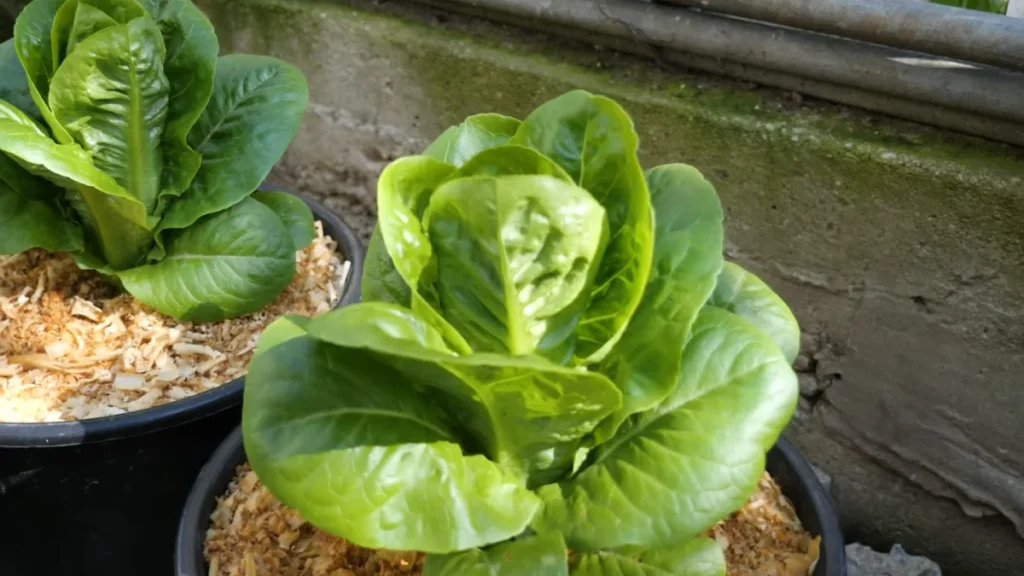
Leafy greens like lettuce, spinach, and Asian greens are among the easiest balcony plants — not because they grow fast, but because they grow forgivingly.
These plants focus on leaves rather than flowers or fruit, which makes them less sensitive to light fluctuations. They grow well in shallow containers, tolerate partial sun, and recover quickly after watering mistakes.
On balconies, slower growth is actually a benefit. It gives beginners time to observe and adjust without losing the plant.
Herbs That Forgive Learning Mistakes
Not all herbs are easy — but a few are excellent for beginners.
Mint, parsley, and coriander handle uneven moisture and imperfect light better than most plants. They grow from the base, which means even if leaves struggle, the plant itself usually survives and regrows.
Mint is especially forgiving, though it behaves differently in pots than in the ground. It may spread oddly or look unruly, but it rarely dies — making it a great confidence-building plant for beginners.
Herbs like basil, on the other hand, are more sensitive to wind and heat, which is why they often disappoint new balcony gardeners.
Plants That Stay Calm in Balcony Heat
Some plants don’t fight heat — they simply wait it out.
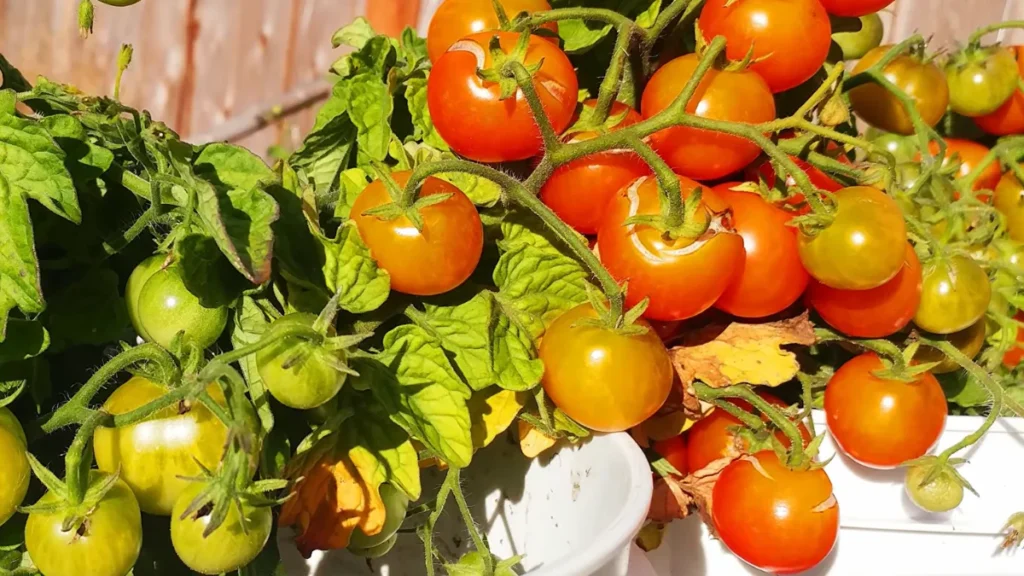
Chilli plants, rosemary, and dwarf tomatoes tolerate balcony heat well when grown in containers with decent drainage. They can handle short dry periods and intense sun better than leafy plants.
For beginners, these plants work best when pots are protected from overheating and not undersized. When set up correctly, they’re surprisingly low-stress and very rewarding.
Plants That Give Early Warning Signs
One underrated beginner advantage is choosing plants that communicate clearly.
Plants like tomatoes, cucumbers, and strawberries show visible signs — drooping, curling, slowed growth — long before permanent damage occurs. This gives beginners time to respond and learn.
Instead of failing suddenly, these plants act like teachers. They show what’s wrong while it’s still fixable.
Matching Easy Plants to Your Balcony Conditions
The easiest plant depends on how your balcony behaves.
Balconies with morning sun tend to suit leafy greens and herbs.
Balconies with strong afternoon heat suit tougher, heat-tolerant plants.
Windy or exposed balconies favour plants with flexible stems and smaller leaves.
When plants match the balcony’s natural conditions, care becomes simpler — even for beginners.
Simple Tips That Make Easy Plants Stay Easy
Plant choice matters, but setup matters just as much.
- Use pots slightly larger than the plant needs
- Avoid black plastic pots in direct sun
- Group plants to reduce wind exposure
- Watch how fast soil dries instead of watering on a schedule
- Accept slower growth as a sign of adjustment, not failure
Small changes like these often matter more than fertilisers or special products.
Common Beginner Mistakes That Make Easy Plants Struggle
Many beginner failures aren’t caused by plant choice.
- Overwatering small pots with poor drainage
- Expecting garden growth rates on balconies
- Ignoring reflected heat from walls
- Treating all sunlight as equal
- Moving pots too often instead of letting them settle
Avoiding these mistakes makes almost any beginner-friendly plant easier to manage.
Seasonal Reality for Beginners
Balconies change with the seasons faster than gardens.
In warm months, heat and evaporation dominate. In cooler months, moisture retention and reduced light matter more. Plants that feel easy in spring may need adjustment in winter — especially on shaded balconies.
Understanding this helps beginners choose plants that remain manageable year-round, not just at planting time.
Balcony Haven Note
Some of the easiest plants aren’t the ones that look perfect — they’re the ones that quietly survive while you learn. Balconies reward observation more than precision.
If you’ve noticed plants reacting differently at certain times of day, that’s not failure. It’s your balcony explaining itself.You may notice the same pattern when plants lose colour or slow down — it’s often about light and conditions, not feeding or effort.
If an “easy” plant struggles on your balcony, light is often the real reason. Before changing plants, it helps to understand how much sun your balcony actually gets and when it arrives during the day. How to measure sunlight on a balcony explains this simply, so your choices match your space instead of guesswork.
Frequently Asked Questions
Are herbs the easiest plants for beginners?
Some are, especially herbs that regrow from the base and tolerate uneven care. Others are surprisingly sensitive to wind, heat, or shallow pots, so “herb” alone doesn’t automatically mean easy.
Is slow growth a problem?
Not at all. On balconies, slow growth usually means the plant is adjusting to light, temperature, and container limits. Rushing growth often creates more problems than it solves.
Can beginners grow fruiting plants on balconies?
Yes. Fruiting plants can work well for beginners when container size is adequate and roots are protected from overheating. Many failures come from small pots rather than lack of skill.
Do beginners need special equipment?
No. Watching how plants respond to sun, water, and heat teaches more than tools ever will. Simple setups paired with good observation lead to better long-term results.
Final Thoughts
The easiest plants for beginners aren’t chosen from a list — they’re chosen by matching resilience to real balcony conditions.
When you focus on adaptability instead of perfection, balcony gardening becomes calmer, more forgiving, and far more enjoyable. Start with plants that tolerate learning, observe how your space behaves, and let confidence grow alongside your plants.
Balcony gardening isn’t about getting it right immediately — it’s about choosing plants that grow with you.
Happy Balcony Gardening!
Leave a Reply