Balcony gardening can feel simple until the weather turns. Heavy rain does not just water your plants — it hits leaves, floods containers, and washes nutrients away much faster than in a garden. What works well in dry or mild conditions can suddenly struggle when your balcony is exposed to constant rain. So, what plants can handle heavy rain on a balcony?
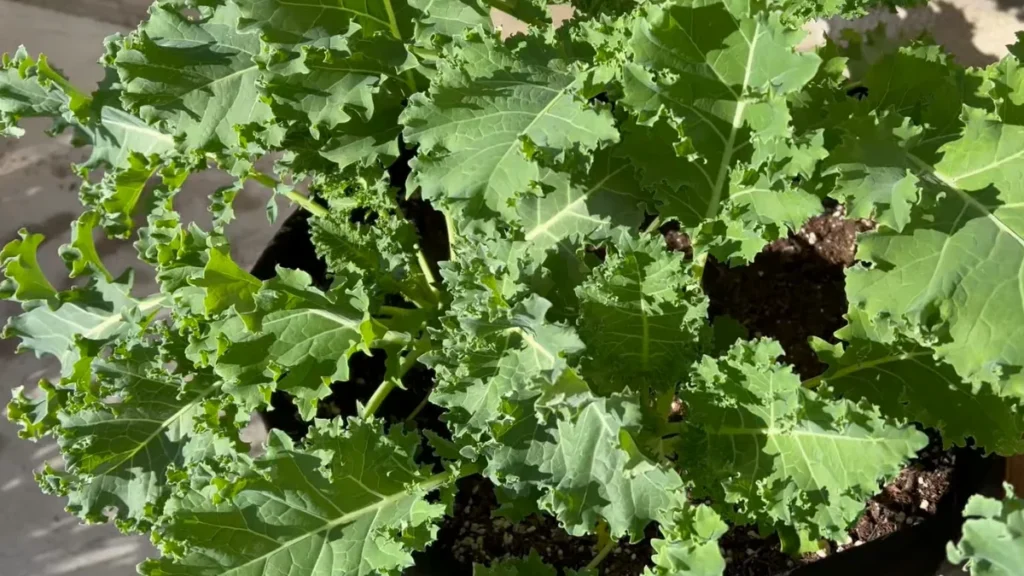
Plants that handle heavy rain on a balcony are those with flexible leaves, strong stems, and good drainage tolerance, such as mint, rosemary, lemongrass, kale, and ferns. These plants can tolerate wet conditions and recover quickly after repeated rain exposure.
This guide will help you choose plants that can handle heavy rain on a balcony, understand why some plants fail in wet conditions, and avoid common mistakes that lead to root rot or damaged leaves. We will focus on practical plant choices and simple adjustments — not complex systems or expensive setups.
Table of Contents
Balcony-Specific Constraints
On a balcony, rain behaves differently compared to ground gardens. Water does not spread evenly — it falls directly into pots, often faster than soil can absorb or drain it.
Containers also trap moisture. If drainage is slow or blocked, roots sit in water longer than they should. This is one of the main reasons balcony plants fail during heavy rain periods.
Wind often comes with rain, pushing water sideways and physically stressing plants. At the same time, limited space means plants are closer together, which reduces airflow and keeps surfaces wet for longer.
Balcony design matters too. Overhangs, walls, and railings can create uneven rain patterns — some plants get soaked constantly, while others stay relatively dry.
How to Choose Plants That Handle Heavy Rain
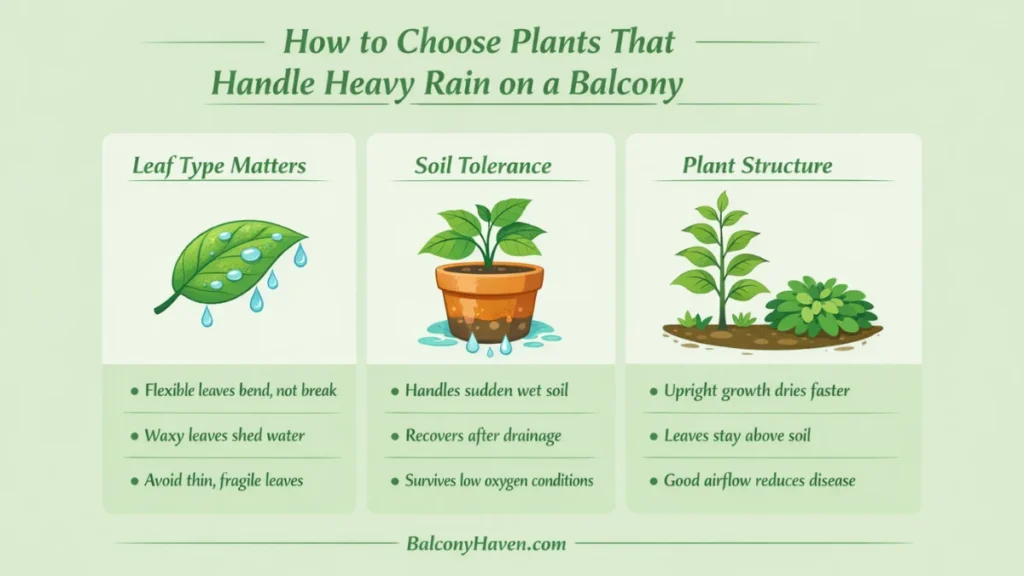
1. Look for Flexible Leaves, Not Soft or Fragile Ones
Plants that survive heavy rain are not necessarily the ones that “like water” — they are the ones that can physically handle impact.
On a balcony, rain doesn’t fall gently. It often hits from angles due to wind, bouncing off walls and railings. This means leaves are repeatedly struck, not just soaked.
Plants with slightly firm, flexible leaves can bend and recover after each hit. You’ll often notice that these plants don’t hold water on their surface — droplets roll off instead of sitting there.
In contrast, very soft or thin leaves behave like paper. After repeated rain, they may tear, fold, or stay wet too long, which invites disease.
2. Choose Plants That Tolerate Fast Soil Changes
Heavy rain changes soil conditions much faster than normal watering. Within hours, soil can go from “perfectly moist” to fully saturated and low in oxygen.
On balconies, this effect is stronger because pots have limited depth and no natural drainage into the ground.
Plants that perform well in these conditions usually:
- Can survive short periods of “wet feet”
- Recover quickly once soil drains
- Do not depend on perfectly stable soil conditions
This is why many rain-tolerant balcony plants are also found in humid or tropical environments, where soil conditions change frequently.
What’s often overlooked is that these plants don’t just survive water — they survive instability.
3. Avoid Plants That Sit Close to Wet Soil
One hidden problem with heavy rain is how long moisture stays near the soil surface.
When leaves sit close to wet soil, they remain damp for extended periods. This creates a perfect environment for fungal issues, especially on balconies where airflow is limited.
Plants that grow slightly above the soil — even by a small margin — dry faster and stay healthier.
Look for plants with:
- A visible gap between soil and leaves
- Upright or airy growth
- Space between stems for airflow
This small structural difference often matters more than the plant species itself.
Best Plants That Can Handle Heavy Rain on a Balcony
Instead of chasing “perfect” plants, it helps to understand why certain plants work better. These examples are reliable because they combine flexibility, airflow, and recovery ability.
| Plant | Category | Why It Handles Heavy Rain | Best Balcony Fit |
|---|---|---|---|
| Mint | Herb | Fast regrowth helps it recover after leaves are flattened by rain | Small to medium balconies |
| Rosemary | Herb | Woody stems and narrow leaves reduce water buildup and damage | Exposed or windy balconies |
| Lemongrass | Herb | Tall upright growth helps water slide off instead of pooling | Fully exposed balconies |
| Chillies | Vegetable | Can tolerate rain when the pot drains well | Rainy balconies with fast-draining pots |
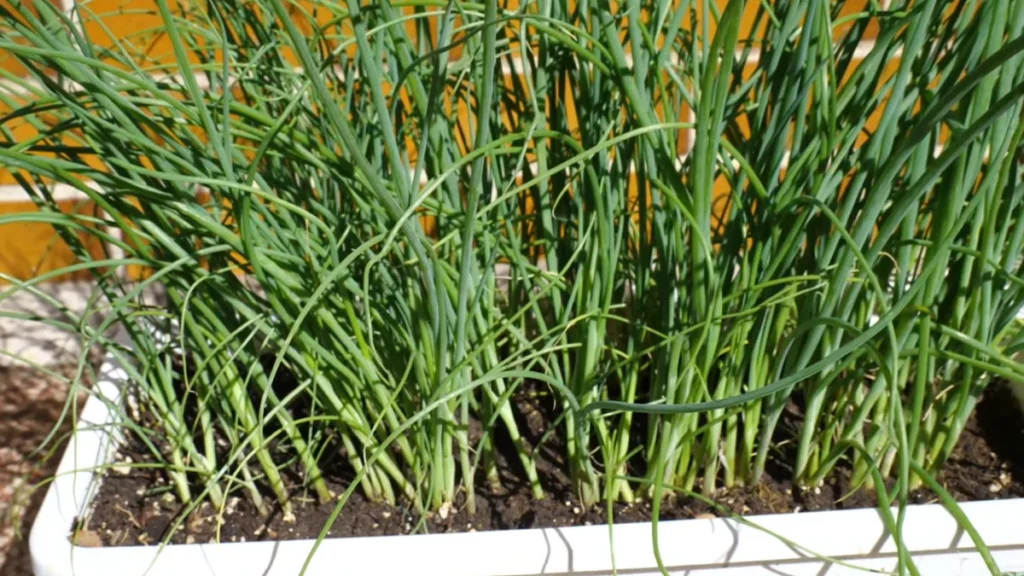
| Spring onions | Vegetable | Minimal leaf surface reduces rain impact | Compact balconies and narrow planters |
| Kale | Vegetable | Thick leaves resist tearing and recover well | Open balconies with regular rain |
| Ferns | Decorative | Naturally suited to damp, moisture-rich conditions | Shaded or humid balconies |
| Snake plant | Decorative | Handles irregular watering and recovers from stress | Partly sheltered balconies |
| Spider plant | Decorative | Flexible leaves and quick regrowth make it forgiving | Mixed balcony conditions |
Herbs That Handle Rain Well
These herbs are not just rain-tolerant — they recover quickly after damage, which makes them reliable for exposed balconies.
Vegetables That Tolerate Rain Exposure
These vegetables combine strong leaf structure with resilience, allowing them to handle repeated rain without breaking down.
Decorative Plants That Cope with Rain
These plants are naturally adapted to moisture or flexible growth, making them more forgiving in wet balcony conditions.
Options & Variations (Balcony Reality Layer)
Heavy rain behaves differently depending on your balcony layout — and this changes everything.
Fully exposed balconies:
Rain hits directly and often with wind. Plants need both structural strength and quick drainage. This is where upright plants perform best.
Partially covered balconies:
Rain may drip or collect in certain areas instead of falling evenly. Some pots may stay wet longer than others — even if they look protected.
Small balconies:
Water builds up faster because airflow is limited. Even a small amount of rain can lead to longer drying times.
Large balconies:
You can create zones — placing tougher plants where rain hits most, and more sensitive plants closer to walls or sheltered corners.
A useful trick is to observe where rain naturally collects during a storm. That pattern often tells you more than any guide.
Practical Tips for Managing Heavy Rain
Choosing the right plants helps — but managing water is what keeps them alive long term.
- Use pots with multiple drainage holes, not just one
- Slightly elevate pots so water can escape freely
- Avoid saucers during rainy periods (they trap water)
- Use lighter soil mixes that drain quickly
- Space plants to allow airflow between them
- Turn pots occasionally so one side doesn’t stay constantly wet
- Check soil moisture before watering again — rain does not always mean enough water reached the roots
If water tends to sit in your pots, you can improve it using
“Drainage Tips for Small Balcony Containers.”
Common Mistakes
Heavy rain problems are often caused by small setup issues rather than plant choice.
- Using dense soil that holds too much water
- Assuming all outdoor plants can handle rain
- Grouping plants too tightly together
- Letting pots sit in collected water
- Continuing regular watering during rainy periods
- Ignoring early signs like slow growth or yellowing leaves
Many of these mistakes happen because balcony conditions look simple — but behave differently from gardens.
Timing / Seasonal Context
Heavy rain usually comes in cycles, not constant conditions. This means your plants experience periods of stress followed by recovery.
The biggest risk is not the rain itself, but what happens after:
- Soil stays wet longer than expected
- Roots receive less oxygen
- Growth slows without obvious signs
During these times, your role shifts from watering to monitoring and adjusting.
When dry weather returns, plants often recover quickly — especially if their roots stayed healthy.
Balcony Haven Note
I’ve noticed that the real damage doesn’t happen during the rain — it builds quietly over a few days when soil stays wet and airflow is low. That slow stress is easy to miss until plants suddenly stop growing.
If your plants already struggle after watering, heavy rain can push them further. I’ve seen this pattern clearly in “Balcony Plants Drooping After Watering.”
FAQ
Do plants need less watering during rainy periods?
Most of the time, yes — but always check the soil first. Balcony conditions can still dry out quickly once sun and wind return.
Can all herbs handle heavy rain?
No. Soft herbs like basil are more sensitive and can struggle with constant wetness and leaf damage.
Is root rot common during heavy rain?
Yes, especially in small containers with poor drainage. It often starts quietly before visible damage appears.
Should I move plants during heavy rain?
If possible, yes. Even shifting plants slightly closer to a wall can reduce direct impact and improve survival.
Final Thoughts
Heavy rain does not make balcony gardening impossible — it simply changes the rules. Instead of focusing on finding the “perfect” plant, it’s more effective to choose plants that can adapt, recover, and tolerate changing conditions.
Start with a few reliable plants and observe how they respond on your balcony. Over time, you’ll notice patterns — where water collects, which plants recover faster, and how your setup affects drying time.
Balcony gardening is not about controlling the weather. It’s about working with it, adjusting small things, and letting your plants gradually adapt to the space you have.
Happy Balcony Gardening!
Leave a Reply