What Plants Grow With 2–4 Hours of Sun?
Not every balcony gets full sun, and that’s perfectly fine. Many apartment balconies receive only 2–4 hours of direct sunlight per day, especially in urban areas or high-rise buildings where surrounding structures block light for much of the day.
The best plants for balconies with 2–4 hours of sun include leafy greens like lettuce and spinach, herbs such as mint, parsley, and coriander, flowering plants like begonias and impatiens, and hardy ornamentals such as ferns. These plants cope well with partial sun and often grow better when sheltered from harsh afternoon heat.
The key to success is choosing plants for balconies with 2–4 hours sun that naturally prefer partial light rather than forcing full-sun plants to survive in unsuitable conditions. With the right plant choices, low-sun balconies can be just as productive and attractive as sunnier spaces.
In this guide, you’ll learn which plants work best, why they thrive in low-sun conditions, and how to care for them so they stay healthy year-round.
Understanding Balcony Sunlight (Why 2–4 Hours Is Enough)
Before choosing plants, it helps to understand what 2–4 hours of sun really means in an apartment setting. Most balconies with limited sunlight still receive a mix of direct sun, reflected light, and bright ambient light throughout the day.
Common low-sun balcony conditions include morning sun only, filtered light between buildings, or bright indirect light for most of the day. These conditions are often described as partial sun or bright shade, and many plants naturally prefer them.
It’s also worth noting that balconies with limited sun are often exposed to wind, especially on higher floors. In these cases, choosing tougher plants that cope with airflow — like those recommended for windy balconies — can improve long-term success.
Best Plants for Balconies With Little Sun
Rather than listing dozens of options, it’s more useful to understand categories of plants that consistently perform well in partial sun.
Leafy Greens That Thrive in Partial Sun
Leafy vegetables are some of the most reliable plants for low-sun balconies. They grow quickly, tolerate cooler conditions, and are less dependent on intense sunlight than fruiting plants.
Good options include:
- Lettuce and loose-leaf salad greens
- Spinach, which prefers cooler, shaded conditions
- Silverbeet (Swiss chard), which is forgiving and productive
- Rocket (arugula), especially with morning sun
These crops are particularly well-suited to Australian balconies, where summer heat can stress plants that receive too much sun.
Herbs That Grow Well With Limited Sun
Many people assume herbs need full sun, but several popular varieties actually perform better with partial shade. Herbs are also ideal for balconies because they stay compact and grow well in containers.
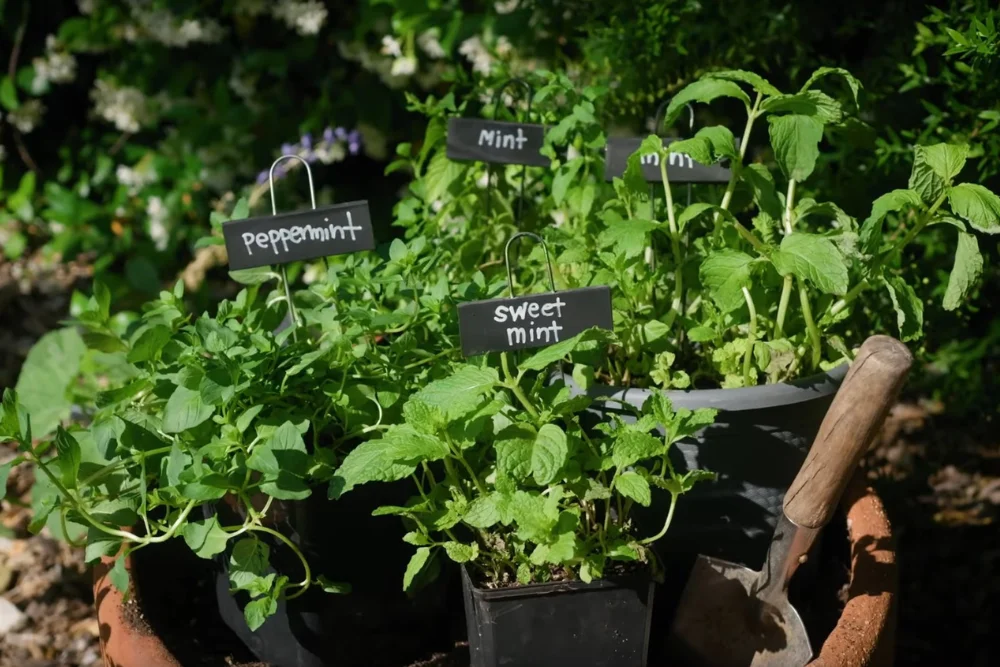
Reliable low-sun herbs include mint, parsley, coriander, and chives. Basil can also grow on low-sun balconies when positioned correctly and cared for properly — especially when grown using the techniques outlined in basil growing tips for shaded balcony conditions.
Flowering Plants for Part-Sun Balconies
If your goal is colour rather than edible plants, many flowering species thrive with only a few hours of sun. These plants often bloom better when protected from intense afternoon heat.
Begonias, impatiens, fuchsias, and peace lilies are popular choices for apartment balconies because they flower reliably in bright shade and adapt well to containers.
Low-Maintenance Plants for Low-Sun Balconies
For gardeners who want greenery with minimal effort, some plants tolerate low light extremely well. These plants are ideal for beginners or busy apartment dwellers.
Options such as ferns, snake plants, ZZ plants, and cast iron plants handle indirect light, irregular watering, and typical apartment conditions with ease.
Balcony Gardening Tips for 2–4 Hours Sun
Small adjustments make a big difference on low-sun balconies:
- Use pots with good drainage to prevent soggy soil
- Avoid dark containers that trap excess heat
- Water in the morning rather than late afternoon
- Rotate pots occasionally for even growth
- Use quality potting mix instead of garden soil
These habits help plants stay healthy even when sunlight is limited.
Common Mistakes to Avoid
Most balcony plants fail not because of sunlight, but because of mismatched expectations. Choosing full-sun plants that require 6–8 hours of light often leads to weak growth and disappointment.
Other common issues include overwatering shade-tolerant plants, ignoring wind exposure, and using containers that are too small. Matching the plant to your balcony’s actual conditions is far more important than chasing ideal light levels.
Balcony Haven Note
On my own balcony, which receives closer to five to six hours of sunlight, leafy greens and herbs have consistently been more reliable than fruiting plants. Lettuce, parsley, and mint handled the conditions well, while flowering plants like begonias added colour without needing much attention. What stood out was that plants tolerant of moderate light seemed easier to manage overall, even when sun exposure wasn’t ideal. This can vary by space, but it reinforced that balconies with fewer direct sun hours can still support a good range of plants when expectations are aligned.
Frequently Asked Questions About Balcony Plants
What plants are good for a sunny balcony?
If your balcony gets a lot of sunlight (about six hours or more each day), you can grow plants that enjoy strong sun. These include rosemary, basil, tomatoes, and peppers.
If your balcony only gets two to four hours of sun, these plants may struggle. In that case, it’s better to choose plants that are happy with less sunlight, such as leafy greens or shade-tolerant plants.
What are the best low-maintenance balcony plants in Australia?
Low-maintenance plants are plants that don’t need much care. They don’t need frequent watering and can grow well with less sunlight.
Good low-maintenance options include snake plants, peace lilies, ferns, and ZZ plants. These plants are often recommended for beginners because they are forgiving if you forget to water them sometimes.
What can I grow on a shaded balcony?
A shaded balcony can still support many plants. You can grow leafy vegetables like lettuce, herbs such as parsley and mint, and some flowering plants that prefer shade.
You don’t need full sun to grow plants successfully. Choosing plants that match your balcony’s light level is more important than having lots of sunlight.
What is the best low-maintenance plant for a balcony?
Snake plants and ZZ plants are among the easiest plants to grow on a balcony. They can handle low light and don’t need much water.
These plants are a good choice if you are new to gardening or want plants that are simple to look after.
What are ZZ plants?
ZZ plants are indoor-style plants with shiny green leaves. They grow well in shaded areas and do not need to be watered very often.
Because they are easy to care for and can handle low light, ZZ plants are a popular choice for beginners and apartment balconies.
Final Thoughts
Having a balcony with only 2–4 hours of sun doesn’t limit your gardening potential. With the right plant choices, you can grow a healthy, attractive, and productive balcony garden that fits apartment living perfectly.
Start with leafy greens or herbs, observe how light and wind move through your space, and adjust as you go. That’s how successful balcony gardens are built.
Happy Balcony Gardening!
Leave a Reply