What Are the Best Balcony Plants for Full Sun?
Balconies that receive full sun often sound ideal, but many apartment gardeners quickly discover that constant sun brings its own challenges. Pots dry out faster, leaves scorch easily, and plants that look healthy in the nursery can struggle once exposed to hours of direct light.
The best balcony plants for full sun are those that tolerate not only strong sunlight but also heat, wind, and limited soil space. These plants are usually drought-tolerant, have thicker leaves or deeper roots, and adapt well to container growing. Plants that thrive in open gardens don’t always perform the same way on sunny balconies, where conditions are more intense and changeable.
When the wrong plants are chosen, the results can be frustrating. Growth slows, flowers drop, and watering becomes a daily battle rather than a routine.
This article explains which plants genuinely perform well on full sun balconies, why they succeed in these conditions, and how to recognise plants that are suited to intense light rather than overwhelmed by it.
Understanding the Reality of Full Sun on Balconies
Full sun on a balcony is often more intense than full sun in a garden. Hard surfaces like concrete and glass reflect heat back onto plants, raising temperatures around pots and roots. At the same time, wind exposure increases water loss and stresses stems and leaves.
Space and weight limits also affect plant choice. Containers heat up quickly and dry faster than ground soil, which means plants must tolerate both strong sun and inconsistent moisture. This combination explains why some “full sun” plants still struggle in apartment settings.
Plants that thrive in these conditions tend to have thicker leaves, deeper roots, or natural drought tolerance. Understanding this helps narrow choices to plants that stay resilient rather than reactive.
Plants That Perform Best on Full Sun Balconies
Drought-Tolerant Herbs
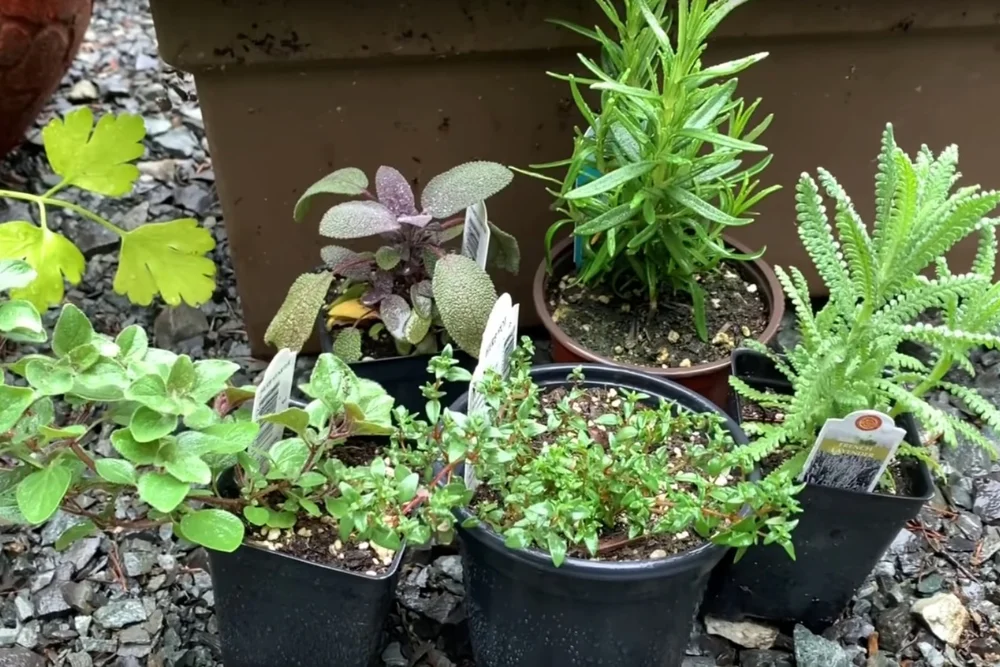
Herbs that evolved in warm, open environments often adapt well to sunny balconies. Rosemary, thyme, oregano, and sage handle long sun exposure and cope better with drying soil than soft-leaf herbs.
These herbs grow steadily rather than rapidly, and their tougher foliage reduces moisture loss during hot days.
Heat-Loving Flowering Plants
Many flowering plants are well suited to full sun balconies when grown in containers. Geraniums, petunias, lantana, and portulaca tolerate heat and continue flowering even during warmer periods.
Their success depends less on constant watering and more on drainage and airflow, which helps prevent root stress.
Vegetables That Handle Intense Sun
Some vegetables thrive in full sun balcony conditions, especially when container size is adequate. Cherry tomatoes, chillies, capsicum, and eggplant benefit from long sun hours and produce better yields when light is consistent.
These plants require more water than herbs but respond well to stable conditions and good drainage.
Succulents and Hardy Foliage Plants
Succulents such as aloe, jade, and certain agave varieties are well suited to full sun balconies. Their ability to store water allows them to cope with heat and reduced watering frequency.
Hardy foliage plants with thick or waxy leaves also perform well, particularly in exposed balconies.
What Plants Are Good for a Full Sun Balcony?
Plants suited to full sun balconies are those that tolerate both heat and container growing. They are usually slow to stress, resistant to drying out, and capable of handling reflected heat.
Rather than focusing on labels alone, it helps to consider leaf thickness, growth rate, and water needs when choosing plants for strong sun exposure.
What Plants Grow Well in Pots in Full Sun Outdoor Areas?
Plants that grow well in full sun pots are those with strong root systems and tolerance for fluctuating moisture. Compact vegetables, Mediterranean herbs, and hardy flowering plants tend to adapt best.
Large-leaf plants that require constant moisture often struggle unless container size and watering are carefully balanced.
Practical Tips for Managing Full Sun Balconies
Full sun balconies benefit from small adjustments that reduce stress on plants.
- Use larger pots to slow soil drying
- Choose light-coloured containers to reduce heat absorption
- Elevate pots slightly to improve airflow and drainage
- Group plants to reduce wind exposure
- Monitor soil moisture rather than watering on a schedule
Common Mistakes on Full Sun Balconies
Even sun-tolerant plants can struggle when conditions aren’t balanced.
- Using small pots that overheat quickly
- Assuming all “full sun” plants behave the same in containers
- Overwatering to compensate for heat
- Ignoring wind exposure
- Placing sensitive plants against reflective walls
Local Context: Full Sun Balconies in Australia
On Australian balconies, full sun often means long exposure combined with high temperatures, especially in summer. Heat stress can build quickly, even when air temperatures seem moderate.
Seasonal changes also matter. Plants that thrive in winter sun may struggle in summer without adjustments. Success often comes from observing how light and heat shift throughout the year rather than treating full sun as a fixed condition.
The Balcony Haven Note
On my own apartment balcony, the balcony plants for full sun that held up best were those naturally suited to heat and exposure rather than delicate or fast-growing varieties. Plants with tougher leaves and a tolerance for dry conditions tended to cope better than plants chosen only for appearance. Which plants succeed can still vary from one balcony to another depending on exposure and layout.
If your full sun balcony also experiences strong heat, plant selection becomes even more important. You may find it helpful to read about drought-tolerant plants for hot balconies, which explore plants that cope well with intense sun and reduced watering.
FAQs About Balcony Plants For Full Sun
What plants grow well in full sun porch areas?
Plants that grow well in full sun porch areas are those adapted to heat, airflow, and exposed conditions. Hardy herbs, sun-loving flowering plants, and compact vegetables tend to cope better because they tolerate drying soil and reflected heat. Plants with thicker leaves or slower growth often handle porch conditions more reliably than soft, shade-loving varieties.
Are low-maintenance plants suitable for full sun balconies?
Yes, many low-maintenance plants perform well on full sun balconies when they naturally tolerate sun and reduced moisture. These plants usually have features like waxy or tough leaves that limit water loss. Their resilience allows them to stay stable even when watering schedules fluctuate in hot weather.
Do full sun balcony plants need daily watering?
Not always. While full sun increases water loss, daily watering depends more on pot size, plant type, and weather than sun alone. Larger containers hold moisture longer, and drought-tolerant plants often remain healthy without constant watering, even during warmer periods.
Can indoor plants survive on full sun balconies?
Most indoor plants struggle on full sun balconies because they are adapted to filtered light rather than direct exposure. Prolonged sun can scorch leaves and stress roots. Only indoor–outdoor plants with known sun tolerance tend to adapt reliably to full sun balcony conditions.
Final Thoughts
Full sun balconies aren’t difficult to work with, but they do place higher demands on plants than shaded spaces. The plants that perform best are those naturally suited to heat, airflow, and container life, where sunlight is strong and conditions change quickly throughout the day. When these traits align, full sun becomes a consistent source of energy rather than a source of stress.
Instead of aiming for ideal garden setups, progress usually comes from recognising what the space can realistically support. As light, temperature, and exposure shift across seasons, balconies tend to reveal which plants remain stable and which struggle. With time and observation, even very sunny balconies can support reliable, long-term plant growth.
Happy Balcony Gardening!
Leave a Reply