Why Does Root Rot Happen in Small Balcony Pots?
Root rot is one of the most frustrating problems balcony gardeners face, especially when plants look healthy on top but suddenly start wilting, yellowing, or collapsing. In small balcony pots, the issue can appear faster and feel harder to control.
Root rot in small balcony pots is caused by excess moisture trapped in compact soil with limited drainage. Plants can recover if the rot is caught early by removing damaged roots, improving drainage, and adjusting watering habits. Prevention depends more on pot setup than watering frequency.
In most cases, root rot in small balcony pots happens because water stays trapped in the soil for too long, depriving roots of oxygen. Limited pot size, poor drainage, and apartment conditions combine to create the perfect environment for rot to develop.
If left untreated, root rot doesn’t just slow growth — it can permanently damage the root system, making recovery difficult even if watering habits improve later. This is why the problem often feels sudden and unforgiving.
The good news is that root rot is rarely caused by “bad gardening.” It’s usually a mismatch between pot size, soil, and balcony conditions. Once you understand what’s really happening below the soil surface, it becomes much easier to fix — and prevent — in the future.
Understanding the Reality of Small Balcony Pots
Balcony pots behave very differently from garden soil. They dry unevenly, hold moisture longer at the base, and offer limited airflow around roots. When pots are small, these issues are amplified.
Unlike garden beds, excess water in a balcony pot has nowhere to escape except through drainage holes. If those holes are blocked, or the soil is too dense, water settles at the bottom of the pot — exactly where roots are most vulnerable.
Balconies also receive inconsistent sun and airflow. Shaded corners, wind tunnels, and overhangs can slow evaporation, making soil appear dry on top while staying wet underneath. This hidden moisture is what allows root rot to develop unnoticed.
Why Root Rot Is More Common in Small Pots
Limited Soil Volume Holds Moisture Longer
Small pots contain less soil, which means water has fewer pathways to drain and evaporate. Once saturated, the soil can remain wet for days longer than expected, especially in cooler or humid weather.
Roots sitting in this environment begin to suffocate. Without oxygen, healthy roots weaken and become vulnerable to fungal pathogens that cause rot.
Drainage Is Often Inadequate
Many small decorative pots have tiny drainage holes — or none at all. Even when holes exist, compacted soil can block them, preventing proper water flow.
In balcony settings, pots placed directly on the floor can trap water underneath, making drainage ineffective even when holes are present.
Overwatering Is Easier Than You Think
In small pots, even a modest amount of extra water can tip the balance. What feels like “light watering” may actually saturate the entire root zone, especially if watering is done frequently rather than deeply and infrequently.
How to Fix Root Rot in Small Balcony Pots
If you suspect root rot, acting quickly makes a huge difference.
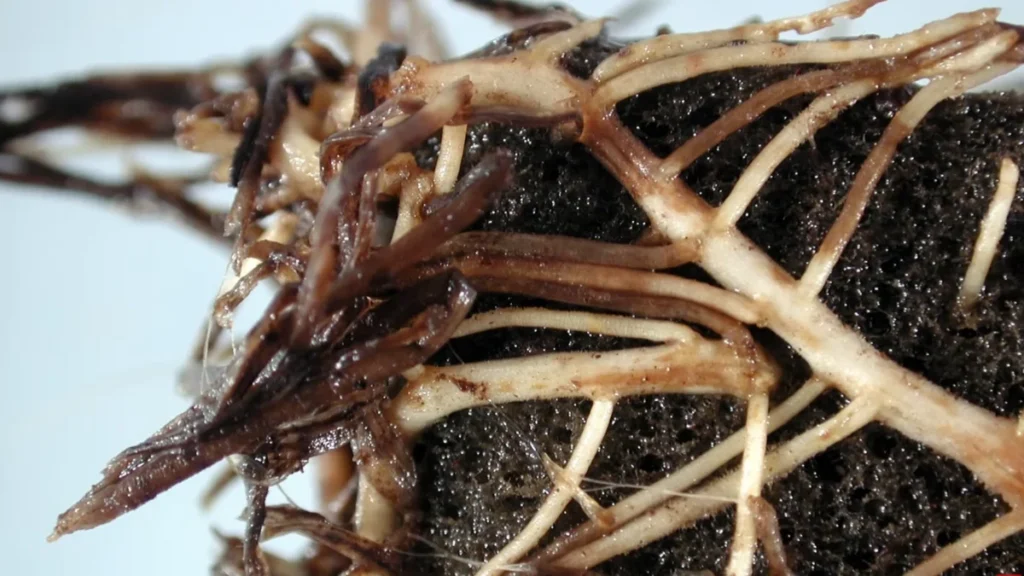
Start by removing the plant from its pot and gently brushing away excess soil. Healthy roots should be firm and pale. Rotten roots appear dark, mushy, or slimy and may smell unpleasant.
Trim away all damaged roots using clean scissors. This step feels harsh, but leaving rotten roots behind allows the problem to continue spreading.
Repot the plant into fresh, well-draining soil and a pot with proper drainage holes. Avoid reusing old soil, as it may contain lingering pathogens.
After repotting, allow the soil to dry slightly before watering again. This gives the remaining healthy roots time to recover and re-establish oxygen flow.
Can a Plant Recover From Root Rot?
Yes, plants can recover from root rot — but only if enough healthy roots remain.
Recovery depends on:
- How early the rot is detected
- The plant’s overall health
- How quickly drainage and watering issues are corrected
Plants with severe root loss may struggle even after repotting, while mildly affected plants often rebound surprisingly well once conditions improve.
Do Terracotta Pots Cause Root Rot?
Terracotta pots do not cause root rot. In fact, they often help prevent it.
Because terracotta is porous, it allows moisture to evaporate through the pot walls, reducing the risk of waterlogged soil. Root rot in terracotta pots usually occurs due to poor soil or blocked drainage, not the pot material itself.
Can a Plant Recover Without Repotting?
In most cases, no. Root rot cannot be fully resolved without repotting.
Simply reducing watering does not remove damaged roots or contaminated soil. Repotting is necessary to stop the rot and give the plant a clean, oxygen-rich environment to recover.
Practical Tips to Prevent Root Rot on Balconies
A few setup changes make a significant difference:
- Use pots with multiple drainage holes, not just one
- Elevate pots slightly so water can escape freely
- Choose light, airy potting mixes rather than dense soil
- Water only when the top few centimetres of soil feel dry
- Match pot size to plant size — avoid “just big enough” containers
Common Balcony Mistakes That Lead to Root Rot
Even experienced gardeners make these errors:
- Using decorative pots without drainage holes
- Leaving saucers full of standing water
- Watering on a fixed schedule instead of checking soil moisture
- Packing soil too tightly when repotting
- Assuming wilting always means more water is needed
Seasonal and Apartment-Specific Factors
In apartments, root rot often appears during cooler months or extended rainy periods. Reduced evaporation combined with consistent watering habits creates prolonged damp conditions.
Balconies with limited sun or heavy wind shielding dry more slowly, increasing risk. Adjust watering frequency seasonally — what works in summer can be harmful in winter.
The Balcony Haven Note
With root rot in small balcony pots, problems often come from the container itself rather than from neglect. Pots can look fine on the outside while still holding too much moisture around the roots. On balconies, limited airflow and tight spaces can make this harder to notice at first. Because of that, root issues often reflect how the pot works, not how much care the plant receives.
Frequently Asked Questions
How do you fix root rot in potted plants?
Start by removing the plant from its pot and gently shaking off the soil to inspect the roots. Trim away any dark, soft, or mushy roots using clean scissors, then repot the plant into fresh, well-draining soil. Make sure the new pot has proper drainage holes and isn’t sitting directly on the balcony floor, as trapped water underneath can cause the problem to return.
Can a plant survive root rot?
Yes, many plants can recover from root rot if it’s caught early. Survival depends on how much of the root system is still healthy and how quickly drainage and watering issues are corrected. Plants with firm, light-coloured roots left intact often bounce back once oxygen reaches the roots again.
Does overwatering always cause root rot?
No. Overwatering alone doesn’t cause root rot — poor drainage is the real issue. Even light watering can lead to rot if water has nowhere to escape. On balconies, compact soil, blocked drainage holes, or pots sitting in saucers can trap moisture long enough for roots to suffocate and rot.
Is root rot more common in small pots?
Yes. Small pots hold less soil, which means moisture levels change more dramatically and stay wet longer at the base. With limited airflow and root space, small pots leave little room for error, making them more prone to root rot than larger, well-draining containers.
Final Thoughts
Root rot in small balcony pots is usually a container and drainage issue, not a sign that you’re overwatering or “bad at plants.” Small pots simply behave differently on balconies, holding moisture longer and offering less room for roots to breathe.
When pot size, soil structure, and drainage work together, root rot becomes far less common and far easier to manage. Most plants don’t need less water — they need a way for excess water to escape and oxygen to reach the roots.
Before changing your watering routine, take a moment to observe what happens after you water. Does excess water drain freely? Does the pot sit flat against the balcony floor? Does the soil stay damp days later? These small details below the soil surface often determine whether a plant struggles or thrives above it.
Balcony gardening is about adapting to your space, not fighting it. Once your setup supports healthy roots, plants become more forgiving, more resilient, and far more enjoyable to grow.
Happy Balcony Gardening!
Leave a Reply