Which Balcony Plants Thrive Best in Tropical Humidity?
Living in a tropical or humid climate can make balcony gardening feel frustrating. Plants grow fast at first, then suddenly rot, yellow, or collapse after heavy rain or steamy nights. Many apartment gardeners assume they’re overwatering or choosing the wrong plants — but in most cases, it’s the humidity itself causing the stress.
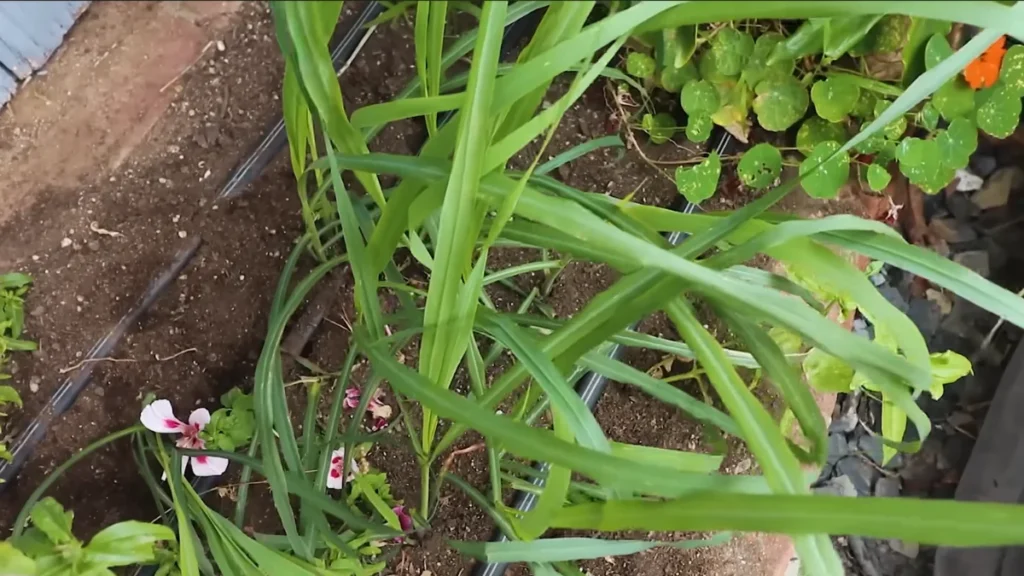
The best balcony plants for tropical humidity are those that tolerate moisture, heat, and limited airflow. Ferns, hibiscus, snake plants, pothos, peace lilies, herbs like mint, and tropical edibles such as chilli and lemongrass handle humid balconies far better than dry-climate plants.
Balconies trap heat and moisture differently from ground gardens. When airflow is limited and nights stay warm, moisture lingers in pots far longer than expected. Choosing the right balcony plants for tropical humidity makes a bigger difference than watering schedules or fertiliser ever will.
If left unchecked, constant humidity leads to root rot, fungal growth, and weak stems that struggle in wind. Plants may look healthy one week and decline rapidly the next, especially during wet seasons.
The good news is that many plants naturally thrive in humid conditions. With the right selections and a few balcony-specific adjustments, a tropical balcony can become one of the easiest environments to grow in — not the hardest.
Table of Contents
Understanding the Reality of Humid Balconies
Humidity on a balcony behaves differently than in a backyard. Concrete floors hold warmth overnight, while surrounding walls reduce airflow. Rain often hits pots directly but drains slowly, especially in decorative containers without proper clearance.
In tropical regions, the challenge isn’t just heat — it’s warm, wet conditions persisting day and night. Plants that dislike constant moisture struggle to dry out between waterings, even if you’re careful. This is why Mediterranean and desert plants often fail on tropical balconies, despite plenty of sun.
Choosing plants adapted to moisture-rich environments removes much of this stress before it starts.
Best Balcony Plants for Tropical Humidity
Leafy Plants That Love Moist Air
Ferns are among the most reliable choices for humid balconies. Boston ferns, bird’s nest ferns, and maidenhair ferns naturally thrive in damp, shaded environments and cope well with steamy air.
Peace lilies and pothos are also excellent options. Their thick leaves tolerate moisture without rotting, and they recover quickly from occasional overwatering. These plants are especially useful for partially shaded balconies where humidity stays high but sunlight is filtered.
Flowering Plants That Handle Heat and Humidity
Hibiscus performs exceptionally well in tropical conditions. It thrives in heat, tolerates moisture, and produces flowers consistently when grown in well-draining pots.
Begonias and impatiens also adapt well to humid balconies, especially where direct sun is limited. Their shallow roots cope with moisture better than woody flowering plants, reducing the risk of rot.
Herbs and Edibles for Humid Balconies
Not all herbs dislike humidity. Mint, basil, Vietnamese coriander, and lemongrass thrive in warm, moist environments and grow vigorously in pots.
Chilli plants are another strong choice. In tropical regions, chillies often perform better in containers than garden beds, as pots allow better control over drainage during heavy rain.
What Plants Do Well in High Humidity?
Plants that succeed in high humidity are usually built to manage constant moisture without suffocating their roots. They tend to have broader leaves that release excess water efficiently and flexible stems that tolerate heavy rain and still air. Many also originate from forest edges or tropical understories, where airflow is limited and soil stays damp for long periods.
On apartment balconies, this matters because humidity rarely drops overnight. Warm concrete, nearby walls, and reduced wind mean moisture lingers around leaves and soil. Plants adapted to these conditions continue growing steadily, while dry-climate plants often show yellowing, fungal spots, or sudden wilting even when watered carefully.
Plants that struggle most in humidity are those that rely on rapid dry-out cycles. Succulents, rosemary, lavender, and other Mediterranean plants can survive short humid periods but decline over time unless airflow and drainage are exceptional. On most balconies, choosing humidity-tolerant plants from the start leads to stronger growth and far fewer maintenance issues.
What Plants Are Good for Hot Balconies?
Plants that do well in high humidity are adapted to warm, moist environments with limited airflow. They tolerate constant moisture without root stress and often have leaf structures that release excess water efficiently. Many of these plants naturally grow in tropical or subtropical climates where humidity is part of everyday conditions.
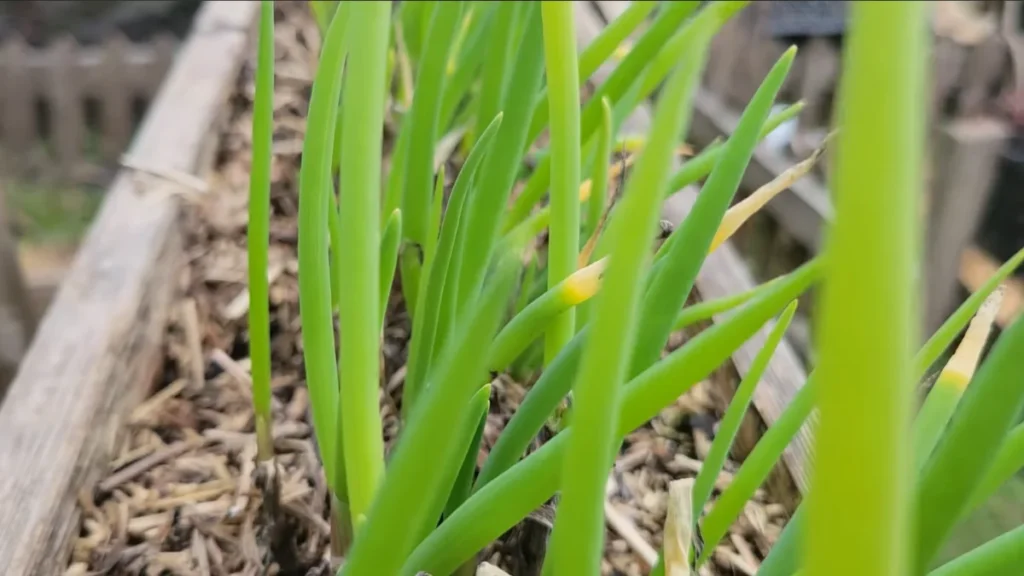
On apartment balconies, humidity often lingers overnight due to warm concrete, nearby walls, and reduced wind. In these conditions, edible plants such as mint, basil, Vietnamese mint, chilli, lemongrass, spring onions, turmeric, ginger, sweet potato vines (leaves), and pandan grow reliably. These sit alongside humidity-tolerant ornamentals like ferns, hibiscus, snake plants, pothos, and peace lilies, which also cope well with moist air.
Plants that struggle most in humidity are those that prefer dry air and rapid soil dry-out. Succulents, rosemary, lavender, and other Mediterranean plants may tolerate short humid periods, but often decline over time unless airflow and drainage are excellent. Choosing plants suited to humidity from the start usually leads to healthier growth and fewer ongoing issues on tropical balconies.
Practical Tips for Growing Plants in Tropical Humidity
Humidity doesn’t mean plants should sit in soggy soil. Small adjustments make a big difference:
- Use pots with generous drainage holes
- Elevate pots slightly to improve airflow underneath
- Choose lighter, free-draining potting mixes
- Space plants so leaves aren’t constantly touching
These steps reduce fungal issues without fighting the climate itself.
Common Mistakes on Humid Balconies
Many balcony plant failures come from well-intended mistakes:
- Using decorative pots with no drainage
- Grouping plants too tightly
- Watering on a fixed schedule instead of checking soil
- Choosing dry-climate plants for tropical conditions
Recognising these early prevents sudden plant loss later.
Tropical Balcony Gardening in Australia
In northern and coastal parts of Australia, humidity peaks during the wet season. Plants may grow rapidly but need extra airflow and drainage during extended rainy periods. Selecting tropical-adapted plants reduces maintenance and keeps balconies looking healthy year-round.
The Balcony Haven Perspective
With balcony plants for tropical humidity, moisture is often part of daily life rather than a problem to remove. On humid balconies, some plants seem more comfortable when the air stays damp, especially those used to warm, tropical conditions. These plants often grow more steadily, while others struggle even with extra care. When plant choice matches the humidity, watering and growth tend to feel more predictable.
Improving drainage becomes just as important as choosing the right plants, especially in smaller containers where moisture lingers.
FAQs
What potted plants do well in full hot sun and humidity?
Potted plants that handle full hot sun and humidity are those adapted to tropical heat where strong sunlight and moist air occur together. Hibiscus, chilli, lemongrass, and snake plants tolerate warm soil, intense sun, and humid nights without relying on dry-out periods to recover, making them far more reliable on exposed apartment balconies than dry-climate plants.
Can indoor plants survive on humid balconies?
Many indoor plants can survive on humid balconies if they’re protected from harsh midday sun and planted in pots with excellent drainage. Plants such as pothos, peace lilies, and ferns often benefit from outdoor humidity, but should be introduced gradually and placed in shaded or semi-covered areas to avoid leaf scorch and waterlogged roots.
Is high humidity bad for all balcony plants?
High humidity is not bad for all balcony plants; it mainly affects species that evolved in dry, well-ventilated environments. Tropical plants often prefer humid air because it reduces leaf stress and supports steady growth, while dry-climate plants struggle unless airflow and soil drainage are exceptional.
Do humid balconies need less watering?
Humid balconies usually need less frequent watering because moisture evaporates more slowly and soil stays wet longer, especially during warm nights or rainy periods. Checking soil moisture before watering is more reliable than following a schedule and helps prevent root rot and fungal problems common in humid conditions.
Final Thoughts
Tropical humidity doesn’t have to limit your balcony garden — it simply changes which plants will succeed. When you choose species adapted to warm, moisture-rich conditions, growth becomes more consistent, maintenance becomes easier, and sudden plant loss becomes far less common.
Rather than fighting humidity, work with it. Start with resilient tropical plants, prioritise drainage and basic airflow, and observe how your balcony holds heat and moisture throughout the day. Over time, these small adjustments turn a challenging humid balcony into a productive, low-stress growing space that improves with each season.
Happy Balcony Gardening!
Leave a Reply