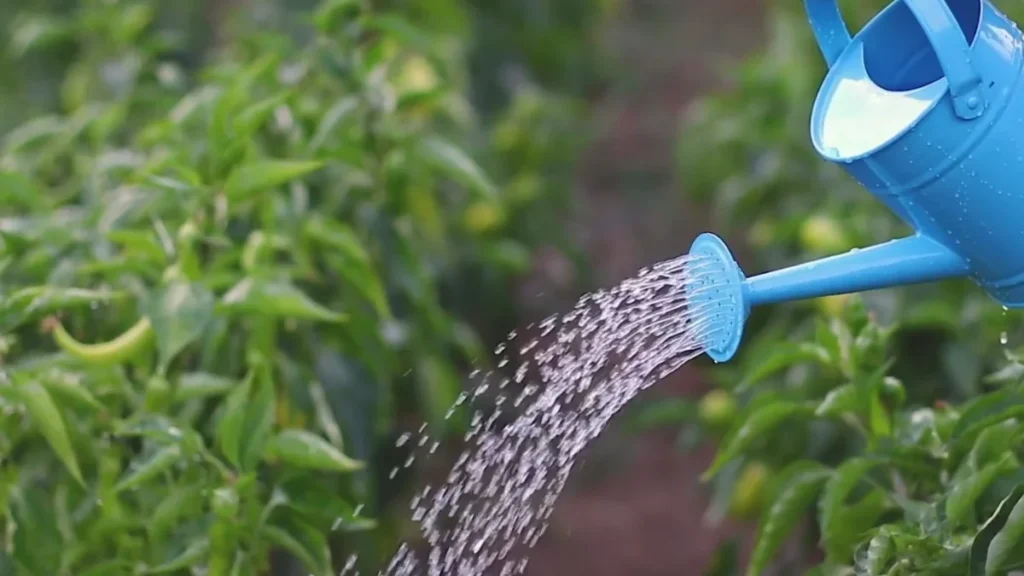
What Are the Best Balcony Watering Methods for Beginners?
Watering plants on a balcony sounds easy—until leaves start wilting, pots stay soggy, or water drips onto the neighbour below. Many beginners assume they’re doing something wrong, when in reality balcony watering behaves very differently from garden watering.
The best balcony watering methods for beginners include manual watering with a can, self-watering pots, and simple drip systems without a tap. These approaches provide controlled moisture, reduce the risk of overwatering, and work well in small apartment spaces without complex installation.
Most balcony issues come from limited soil volume, faster drying conditions, and the lack of natural drainage. Once you understand how water behaves in containers and how balconies amplify small mistakes, things quickly become easier.
Successful balcony watering focuses on consistency, controlled moisture, and reducing guesswork. You don’t need advanced systems or expensive tools—just the right approach for apartment conditions.
This guide breaks down beginner-friendly watering methods, explains when each works best, and helps you choose a setup that fits your space, time, and confidence level.
Table of Contents
Understanding the Balcony Watering Reality
Balconies dry out faster than ground gardens because pots are exposed to wind, sun, and heat from surrounding walls. Water evaporates more quickly, especially on higher floors and west- or north-facing balconies.
At the same time, excess water has nowhere to escape except through drainage holes. If pots sit flat on tiles or lack airflow underneath, roots can remain wet long after the surface looks dry.
This mix of fast drying on top and slow drainage underneath is what confuses most beginners. Successful balcony watering isn’t about watering more—it’s about watering smarter and matching the method to your setup.
The Best Balcony Watering Methods for Beginners
Manual Watering with a Watering Can (Best Starting Point)
For most beginners, manual watering is the safest and most educational method. It forces you to observe soil moisture, leaf condition, and drainage behaviour.
Watering slowly until water exits the drainage holes helps flush salts and ensures roots are reached evenly. It also makes it easier to stop before overwatering.
This method works best when you have a small number of pots and can check them daily during hot weather.
Why beginners like it:
You learn quickly how much water your plants actually need, rather than relying on assumptions.
Self-Watering Pots (Low-Effort & Forgiving)
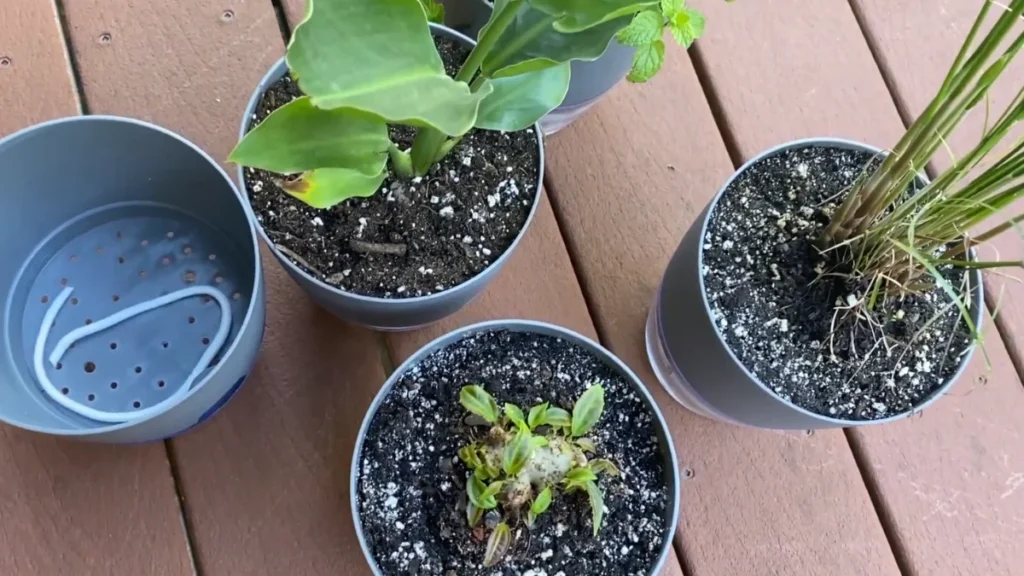
Self-watering pots include a built-in reservoir that supplies moisture from below as the plant needs it. This reduces surface evaporation and helps maintain steady moisture levels.
They’re especially useful for herbs, leafy greens, and beginners who worry about forgetting to water.
However, they still require occasional checking. Overfilling the reservoir or using poor soil can still cause issues.
Drip Watering Systems (Beginner-Friendly Automation)
Simple drip systems deliver water slowly at the soil level using gravity or low pressure. Many balcony versions work without a tap and can be filled manually.
This method reduces water waste, avoids wet leaves, and keeps moisture where plants need it most.
It’s a good step up once you’re comfortable with basic plant care but don’t want daily watering. Ideal when you have multiple pots or travel occasionally but still want control.
Watering Trays & Capillary Mats (For Very Small Setups)
Trays and mats allow plants to absorb water from below. They’re best used temporarily or for seedlings and small herb pots.
On balconies, they must be monitored carefully to avoid stagnant water, especially in warm climates.
This method works best indoors or on covered balconies with good airflow.
How to Water Plants on a Balcony Properly
Water balcony plants early in the morning or late afternoon to reduce evaporation. Always check soil moisture a few centimetres below the surface before watering again.
Lift pots occasionally—light pots usually mean dry soil, while heavy pots often indicate retained moisture.
Avoid watering on a strict schedule. Balcony conditions change quickly with weather, season, and plant growth stage.
How to Self-Water Balcony Plants
Self-watering works best when paired with the right soil mix. Use well-draining potting mix and avoid compacting soil too tightly.
Refill reservoirs only when they’re nearly empty, not daily. Roots need oxygen as much as water.
If plants look limp despite a full reservoir, check for root rot or blocked wicks.
How to Get Water to a Balcony Without a Tap
Many beginners assume that a tap is required to water balcony plants, but this isn’t the case. There are several simple and renter-friendly ways to get water to a balcony without permanent plumbing. Carrying water with a lightweight watering can works well for small setups and allows controlled watering. Refillable gravity-fed drip systems are another practical option, supplying slow, steady moisture without needing a tap. If building rules allow, collecting rainwater can also reduce reliance on mains water. Some gardeners even reuse household water, such as cooled vegetable rinse water, to minimise waste. Together, these methods keep balcony watering simple, flexible, and suitable for apartment living.
Practical Watering Tips for Beginners
Start simple and adjust as you learn what your balcony needs.
- Water slowly, not all at once
- Ensure every pot has drainage holes
- Raise pots slightly to improve airflow underneath
- Use mulch to slow evaporation
- Group plants with similar water needs
Common Balcony Watering Mistakes
Most beginner problems come from good intentions.
- Watering on a fixed schedule
- Using pots without drainage
- Letting pots sit in pooled water
- Over-relying on self-watering reservoirs
- Watering leaves instead of soil
Avoiding these mistakes alone solves most balcony plant issues.
Balcony Watering in Australian Conditions
Australian balconies often experience intense sun, dry winds, and sudden heat spikes. This causes soil to dry unevenly—wet underneath, dry on top.
In summer, smaller pots may need daily checks, while larger containers hold moisture longer. Shaded balconies may require less frequent watering but still need good drainage.
Understanding your local climate helps you choose the right method rather than copying general advice.
The Balcony Haven Note
With best balcony watering methods for beginners, it’s easy to think drooping leaves always mean a plant needs more water. On balconies, plants can look thirsty even when their roots are already too wet. This can make watering feel confusing at first, especially for beginners. Over time, many balcony gardeners notice that paying attention to plant signals matters more than following habits.
FAQs
What is the best watering system for a balcony?
For beginners, manual watering and self-watering pots are the most reliable and flexible options because they allow you to observe how your plants respond to moisture. Manual watering helps you learn when soil is genuinely dry, while self-watering pots reduce stress by supplying water gradually from below. Both methods suit small spaces, require no installation, and adapt easily as your plant collection changes. Once you’re comfortable with these basics, simple drip systems can be added later if needed.
How often should I water balcony plants?
Balcony plants should be watered only when the soil is dry a few centimetres below the surface, not on a fixed schedule. Hot, windy days can dry pots quickly, while cooler or shaded balconies may hold moisture for several days. Pot size also matters—small pots dry faster than larger containers. Checking soil moisture with your finger or lifting the pot to feel its weight is more reliable than watering by the calendar.
Are drip systems good for balconies?
Drip systems can work very well on balconies, especially gravity-fed or low-pressure designs made for small spaces. They deliver water slowly at the soil level, which reduces evaporation and prevents water splashing onto floors or walls. For beginners, simpler systems are best, as they require minimal setup and allow adjustments based on plant needs. They’re particularly helpful if you have many pots or can’t water every day.
Can I overwater plants on a balcony?
Yes—overwatering is one of the most common balcony gardening mistakes, especially in containers without good drainage. Water can become trapped at the bottom of pots, leading to root rot even when the surface looks dry. This problem is more likely on tiled balconies where pots sit flat and airflow is limited. Ensuring proper drainage, raising pots slightly, and checking soil moisture before watering helps prevent this issue.
Final Thoughts
Balcony watering doesn’t need to be complicated or technical to be effective. The best approach is the one that fits your space, daily routine, and comfort level, not what looks impressive or automated. Many beginner problems come from trying to do too much too soon rather than working with the balcony’s natural conditions.
Start with simple, reliable methods and take time to observe how your pots dry, how weather affects moisture, and how different plants respond. Small adjustments—such as slowing down watering, improving drainage, or changing pot placement—often make a bigger difference than switching systems.
With a thoughtful watering approach, even first-time balcony gardeners can grow healthy, resilient plants without stress. Your plants don’t need perfect timing or advanced setups—just steady attention, a little patience, and consistent care as you learn what works best for your balcony.
Happy Balcony Gardening!
Leave a Reply