Overview
Strong afternoon heat is one of the toughest conditions balcony plants face. On many apartment balconies, the sun arrives later in the day when temperatures are already high, and heat reflected from walls, floors, and railings makes the space feel even hotter. So which plants actually cope best in these conditions and continue growing?
Chilli plants, capsicum, cherry tomatoes, eggplant, rosemary, thyme, oregano, sage, succulents, and geraniums are plants that survive strong afternoon heat because they tolerate high temperatures, drying soil, and prolonged direct sun without shutting down or wilting permanently.
On apartment balconies, heat stress often comes from a combination of intense sun, restricted root space, and heat trapped by concrete and surrounding surfaces rather than sunlight alone.
When plants are not suited to this kind of heat, they often wilt every afternoon, drop flowers, stop growing, or show scorched leaf edges. This can be frustrating, especially when the plant looks healthy in the morning but struggles later in the day.
The good news is that many plants are naturally adapted to hot, sun-exposed environments. This article explains which plants cope best with strong afternoon heat on balconies, why they survive when others fail, and what to realistically expect when growing in these conditions.
Table of Contents
Understanding Afternoon Heat on Apartment Balconies
Afternoon heat on balconies is different from garden heat. In apartments, sunlight usually arrives later in the day and stays intense for several hours. During this time, surrounding walls, floors, and railings absorb heat and radiate it back toward plants.
Unlike garden soil, pots heat up quickly and dry faster. Roots have limited space to cool themselves, and warm pot walls can stress plants even when the air temperature feels manageable.
Wind can also play a role. On some balconies, hot afternoon sun combines with dry wind, pulling moisture from leaves and soil at the same time. On others, still air traps heat around the plant canopy.
Because of this, plants that survive strong afternoon heat on balconies tend to share a few natural traits rather than relying on perfect care.
What Makes a Plant Heat-Survivable on a Balcony
Plants that handle strong afternoon heat usually have built-in ways to protect themselves. These adaptations allow them to keep functioning even when conditions become uncomfortable.
Heat-tolerant balcony plants often:
- Have thicker or smaller leaves that reduce water loss
- Can slow growth temporarily without dying
- Store moisture in stems, leaves, or roots
- Come from naturally hot or sun-exposed environments
These traits matter more on balconies than fast growth or high yield. A plant that grows slowly but stays healthy usually performs better long-term than one that grows quickly and collapses under stress.
Plants That Consistently Survive Strong Afternoon Heat
Herbs That Cope Well With Heat
Many Mediterranean and warm-climate herbs are well suited to afternoon sun on balconies. They are adapted to bright light, warm soil, and dry periods.
Rosemary handles strong sun and heat well once established. Its narrow, leathery leaves reduce moisture loss, making it suitable for west-facing or sun-exposed balconies.
Thyme stays compact and tolerates hot conditions, especially when grown in well-draining soil. It does not require constant moisture to survive heat.
Oregano and sage also perform well in strong afternoon sun. They prefer warmth and remain productive even when temperatures rise.
Basil can survive afternoon heat, but it often shows stress faster than woody herbs. On very hot balconies, basil may wilt temporarily during peak heat but recover later if conditions are not extreme.
Vegetables That Handle Afternoon Heat
Some vegetables are naturally more heat-tolerant than others, especially fruiting plants.
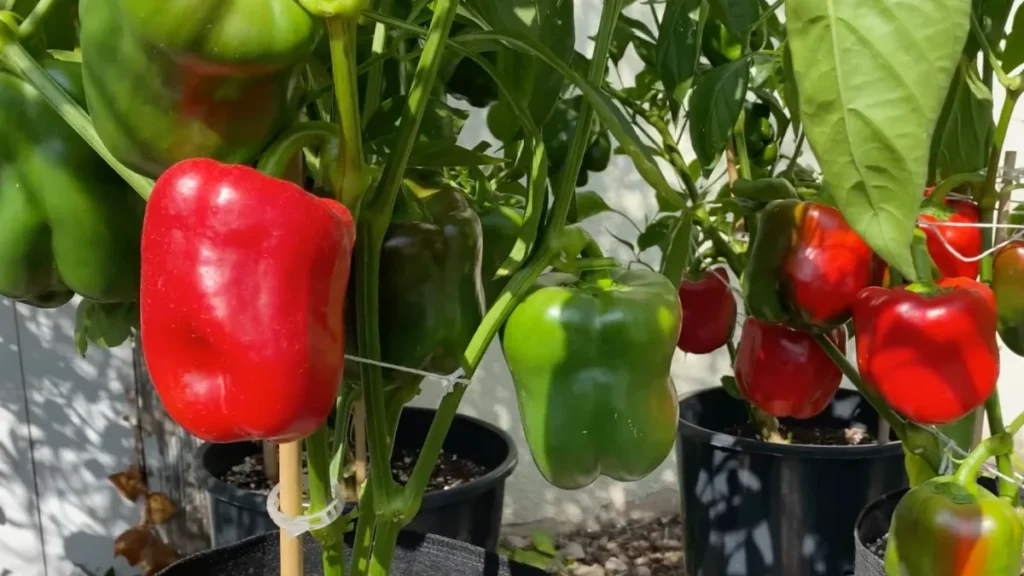
Chilli plants are among the best vegetables for hot balconies. They thrive in warm conditions, tolerate direct sun, and often perform better with strong afternoon heat than in cooler locations.
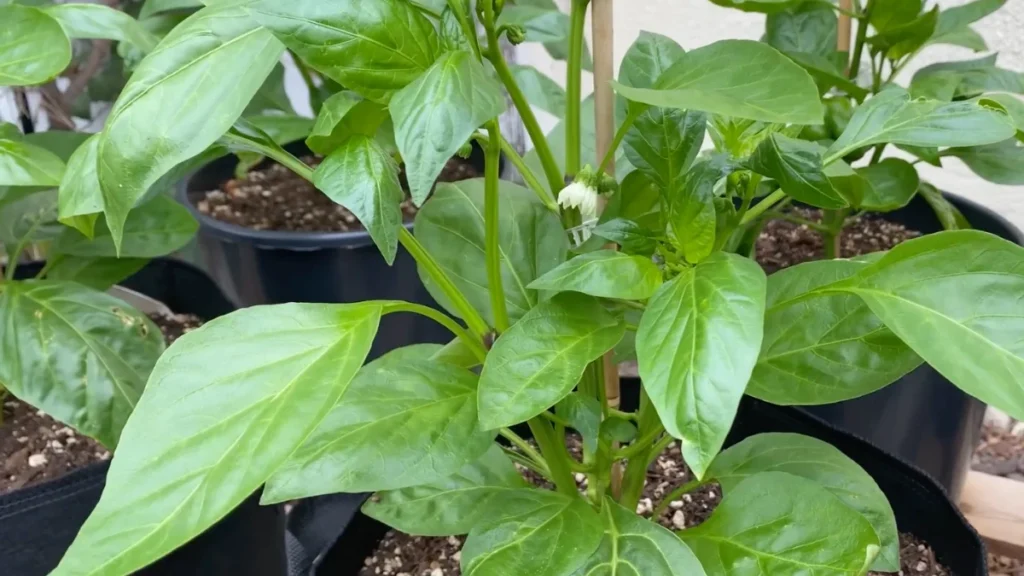
Capsicum (bell peppers) also cope well with heat when given enough root space. They may slow growth slightly during extreme heat but usually remain healthy.
Cherry tomatoes and smaller tomato varieties handle afternoon heat better than large, heavy-fruiting types. They are less demanding on roots and recover more easily after hot days.
Eggplant tolerates heat well and prefers warm conditions, though it requires stable moisture to avoid stress.
Foliage and Decorative Plants for Hot Balconies
Not all heat-survivable plants need to produce food. Some foliage and decorative plants tolerate strong afternoon heat surprisingly well, especially on exposed apartment balconies.
- Succulents are naturally adapted to hot, dry conditions and handle direct sun well when pots drain freely.
- Geraniums tolerate heat and strong sun and continue flowering even during warm periods.
- Oleander is highly heat-tolerant, though it requires sufficient space and careful placement due to its size and toxicity.
- Ornamental grasses can perform well in afternoon heat, particularly compact varieties suited to container growing.
Plants That Often Struggle With Afternoon Heat
Understanding what does not work can be just as helpful as knowing what thrives, especially on sun-exposed apartment balconies.
- Leafy greens such as lettuce, spinach, and coriander often struggle in strong afternoon heat and tend to bolt quickly or wilt repeatedly.
- Ferns and shade-loving plants rarely tolerate direct afternoon sun and commonly scorch or decline when exposed.
- Plants with large, thin leaves lose moisture rapidly and usually suffer in hot, exposed balcony conditions.
These plants are not poorly grown — they are simply mismatched to environments with intense afternoon heat.
Practical Ways to Help Heat-Tolerant Plants Cope Better
Even heat-tolerant plants benefit from supportive conditions on balconies.
- Larger pots help buffer root temperatures and slow soil drying
- Light-coloured containers reflect heat better than dark ones
- Stable pot placement reduces heat stress from hot surfaces
- Grouping plants can reduce direct exposure without full shade
These adjustments do not change the plant’s nature, but they help reduce unnecessary stress during peak heat.
Common Mistakes With Afternoon Sun Balconies
Many balcony gardeners unintentionally make heat stress worse.
- Using very small pots that overheat quickly
- Expecting shade plants to adapt to full sun
- Watering heavily at the hottest part of the day
- Assuming wilting always means permanent damage
Many balcony plants temporarily collapse during extreme afternoon heat even when they recover later in the evening. Why Balcony Plants Wilt in the Afternoon Sun? explains why this happens, what heat stress looks like inside the plant, and how to tell the difference between temporary wilting and serious damage.
Temporary wilting is common in heat-tolerant plants and does not always indicate failure.
Strong Afternoon Heat in Australian Balcony Conditions
In Australia, strong afternoon heat often coincides with dry air, seasonal heatwaves, and reflective urban surfaces. Balconies may receive sun later in the day when temperatures are already high.
This makes plant choice more important than technique. Selecting plants that naturally tolerate heat reduces the need for constant adjustment and intervention.
What works in one city or building may not work in another, even within the same climate zone.
The Balcony Haven Note
With a fairly typical apartment balcony, I’ve noticed that limitations like heat, reflected sun, and container size often matter more than plant variety alone. Small, realistic changes tend to have a bigger impact than chasing ideal setups. This can differ from one balcony to the next depending on conditions.
If you are also dealing with plants collapsing or wilting late in the day, Why do plants wilt in the afternoon sun explains what is happening inside the plant and why recovery often occurs later in the evening.
Frequently Asked Questions
What plants like the hot afternoon sun?
Plants that like hot afternoon sun include chilli plants, rosemary, thyme, oregano, eggplant, succulents, and some ornamental grasses. These plants are adapted to high temperatures and intense light.
What plants do well with afternoon sun on balconies?
Plants that do well with afternoon sun on balconies are those that tolerate heat, dry soil, and reflected warmth. Herbs from warm climates and fruiting vegetables usually perform better than leafy greens.
What plants survive extreme heat in Australia?
Plants that survive extreme heat in Australia often come from Mediterranean or tropical regions. Chilli plants, rosemary, oleander, succulents, and certain grasses cope well with prolonged heat.
Do plants need shade from afternoon sun?
Some plants need shade from afternoon sun, especially leafy greens and shade-loving species. Heat-tolerant plants usually do not require shade but benefit from stable conditions.
Final Thoughts
Strong afternoon heat does not mean a balcony cannot support healthy plants. It simply means the environment favours certain types of growth over others.
By choosing plants that naturally tolerate heat and understanding how balconies amplify sun exposure, many gardeners find their results improve with less effort. Success comes from matching plants to conditions rather than forcing plants to adapt.
Every balcony behaves differently. Paying attention to how heat builds up over time helps reveal what your space can support and which plants will thrive long-term.
Happy Balcony Gardening!

Leave a Reply