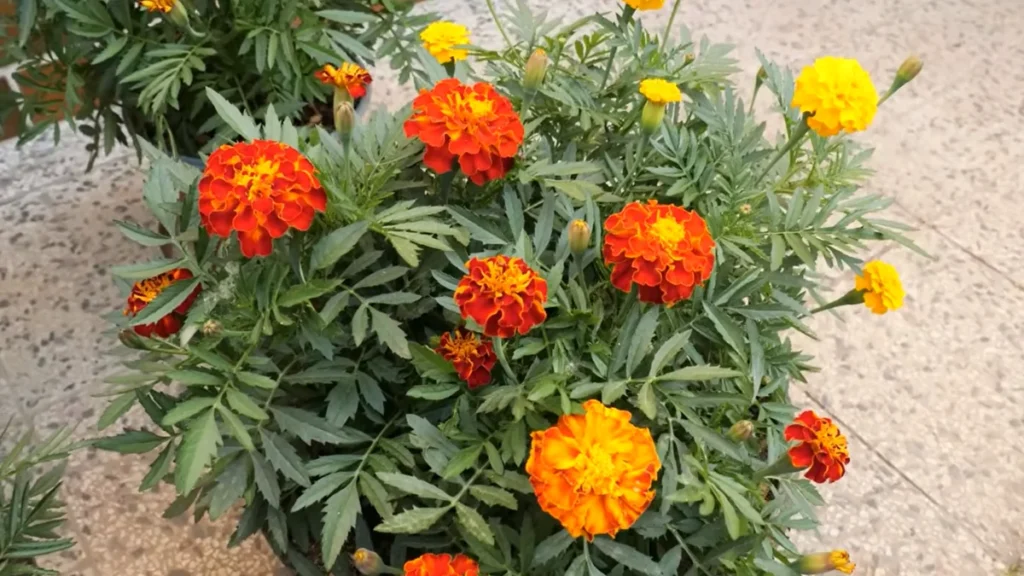
Growing plants on a balcony facing a busy street can feel discouraging at first. Dust settles quickly, airflow is unpredictable, and some plants that look beautiful in stores slowly lose their charm once exposed to traffic conditions. What looks like a bright, open space can actually be quite harsh for plant life.
The best plants for balconies facing busy streets are hardy, dust-tolerant, and able to handle heat and airflow. Plants with thicker or waxy leaves, along with soft trailing plants, compact flowers, and strong structural greenery, tend to perform well while still keeping the space visually soft and inviting.
The best plants for balconies facing busy streets are hardy, dust-tolerant, and visually forgiving. Plants with thicker or waxy leaves, flexible growth, or soft decorative textures—like trailing flowers, compact blooms, and structured greenery—tend to handle these conditions better while still keeping the space beautiful.
Table of Contents
Balcony-Specific Constraints You Need to Understand
Busy street balconies are not just “outdoor spaces”—they are exposed micro-environments.
Air carries more than just wind. It brings fine dust, heat from the road, and sometimes dry, polluted particles that settle quietly on leaves. Over time, this reduces how well plants absorb light, even if the balcony looks bright.
Space is also limited. Unlike gardens, your plants rely fully on containers, which means roots cannot escape stress. If leaves are constantly exposed, the roots must compensate, which is why some plants decline slowly rather than suddenly.
Light can also be misleading. Reflections from buildings and roads create uneven conditions—one side of the plant may receive intense light while another struggles. This imbalance matters more on balconies than in open gardens.
Choosing Plants That Stay Strong and Look Beautiful
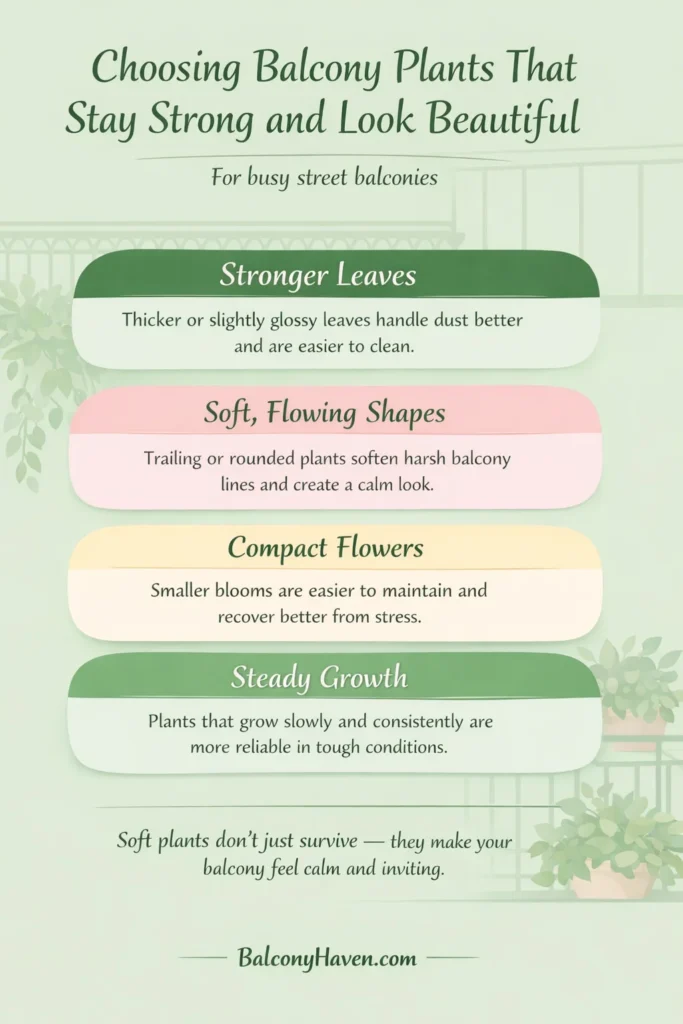
On a busy street balcony, the goal is not just survival—it’s creating a space that feels soft and calming despite the harsh surroundings. The plants that work best here usually combine resilience with appearance. Varieties with slightly thick or glossy leaves tend to handle dust better because particles don’t cling as easily, and they are also simpler to wipe clean when needed.
At the same time, shape plays a quiet but important role. Plants with soft, trailing forms or rounded foliage help reduce the rigid, hard feel created by railings, concrete, and passing traffic.
Compact flowering plants also tend to perform better than large, delicate blooms, as they require less energy to maintain and recover more easily from stress. In most cases, plants that grow steadily and consistently—rather than quickly and dramatically—are the ones that settle in and stay healthy over time.
This is where adding a gentle, “girly” touch becomes surprisingly practical. Softer textures like cascading flowers or layered greenery don’t just look pretty—they visually balance the environment, making the balcony feel more inviting even when conditions are less than ideal.
Best Plant Types for Busy Street Balconies
Tough Herbs That Still Look Neat
Herbs like rosemary, thyme, and oregano are not only resilient—they also stay visually tidy. Their small leaves don’t show dust easily, and their structured shapes give your balcony a clean, organised feel.
They are especially useful if your balcony also gets heat exposure. Many of the plants discussed in Drought-Tolerant Plants for Hot Balconies naturally adapt well to these combined conditions.
Soft Trailing Plants for a Gentle Look
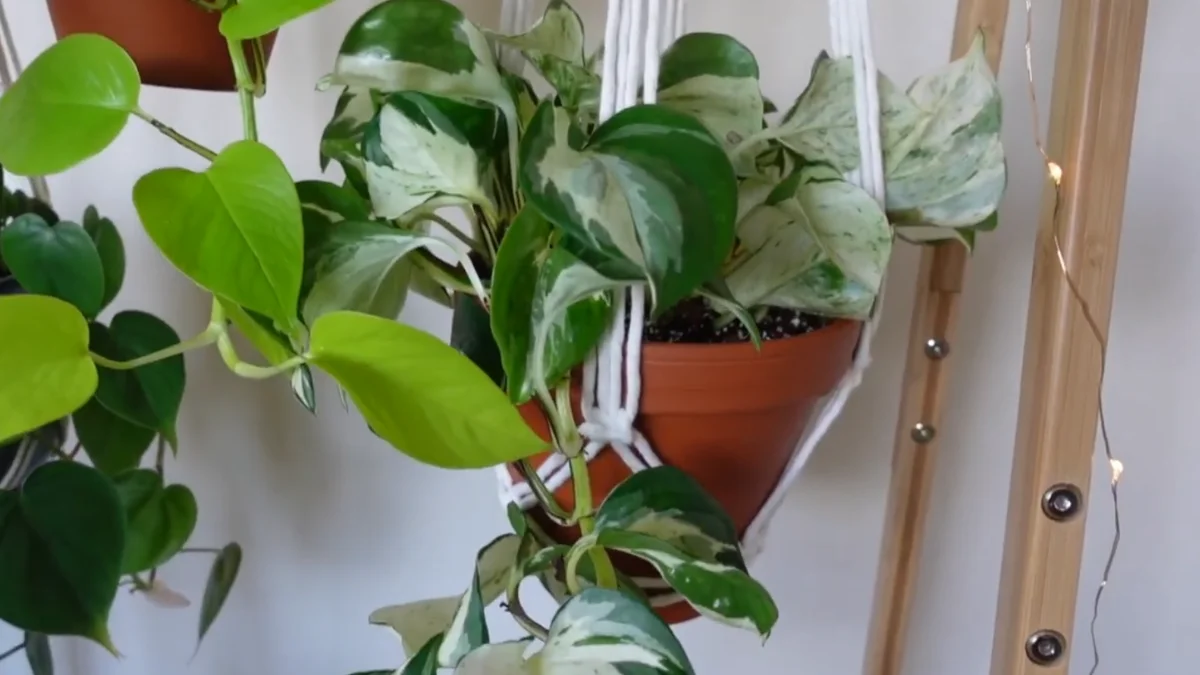
Trailing plants are one of the easiest ways to soften a busy street balcony. Their cascading growth helps break the sharp lines of railings and adds a gentle, flowing look that makes the space feel calmer.
Plants like trailing petunias or ivy also help hide dust visually. Even when slightly affected, they still look full and lively, which makes them very forgiving in exposed conditions.
Structural Green Plants (The Background Support)
Plants like snake plants or rubber plants act as the backbone of your balcony. Their thicker leaves handle pollution better and stay stable even when conditions change.
They also provide a clean green backdrop that helps softer plants stand out. While they may not draw attention on their own, they quietly keep the whole setup looking balanced.
Compact Flowers That Don’t Overreact
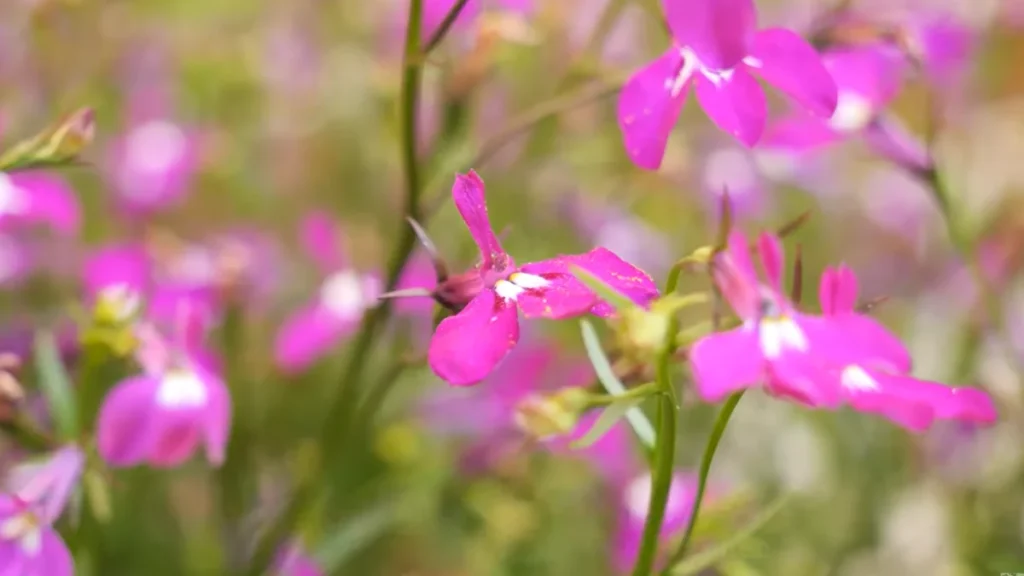
If you enjoy flowers, smaller and more resilient varieties usually work better than large, delicate blooms. They require less energy and recover more easily after exposure to heat or dust.
Plants that flower steadily and stay compact are easier to manage in pots. If your balcony has limited light, combining this with guidance from Plants for Balconies With 2–4 Hours Sun can help you choose varieties that perform more reliably.
How to Arrange Plants for Protection and Style
Arrangement matters just as much as plant choice.
The front (near the railing) should be reserved for your toughest plants. These act as a natural shield, taking the brunt of dust and airflow.
Behind them, place your softer or more decorative plants. This layering creates a subtle protection system while also improving the visual depth of your balcony.
Grouping plants closely helps reduce airflow impact and makes the space feel fuller. It also prevents each plant from being fully exposed on its own.
If your balcony also deals with strong wind, the positioning ideas from Protecting Balcony Pots from Strong Winds can be adapted here without making the setup heavy or cluttered.
Options Based on Balcony Conditions
| Balcony Condition | What Happens | Best Plant Type |
|---|---|---|
| Strong sun + traffic heat | Dry, harsh, reflective heat | Tough herbs, heat-tolerant plants |
| Shaded + busy street | Dust lingers longer | Structural leafy plants |
| Small balcony | Limited placement | Fewer, stronger plants |
| Rental setup | Needs flexibility | Lightweight pots, movable plants |
Not all busy street balconies behave the same way. Small differences in height, surrounding buildings, and airflow can change how much heat and dust your plants receive, so the goal is to match plants to your exact conditions rather than follow a fixed list.
If your balcony gets strong sun, heat from both sunlight and the road can make it harsher than it looks. Tough herbs and heat-tolerant plants usually perform better here. If your balcony is shaded or partially blocked, dust tends to linger longer, so structural leafy plants are the safer choice as they handle build-up more easily.
For smaller balconies, fewer stronger plants often work better than trying to grow many types. This makes placement easier and keeps the space visually clean. For renters, lightweight pots allow small adjustments over time, and even slight repositioning can noticeably improve plant health.
Practical Tips That Make a Big Difference
A few simple habits can quietly improve your results:
- Wipe leaves occasionally to remove dust build-up
- Rotate pots so one side isn’t constantly exposed
- Use slightly deeper pots to stabilise moisture
- Group plants to reduce airflow stress
- Choose proven plants instead of experimenting too early
- Let plants adjust before making big changes
Common Mistakes to Avoid
Most problems come from small mismatches rather than big mistakes:
- Choosing delicate plants for visual appeal only
- Placing all plants at the railing for maximum light
- Ignoring airflow and focusing only on sunlight
- Using very small pots that dry too quickly
- Expecting fast results in a stressful environment
Timing and Seasonal Behaviour
Plants on busy street balconies often respond more to daily conditions than to seasons. Heat, dust, and airflow can shift quickly, so growth may not follow a predictable pattern.
In hotter months, dust and heat can slow growth even if sunlight is strong. During cooler periods, plants often recover and grow more steadily as the environment becomes less harsh.
Balcony Haven Note
On my own balcony, I noticed that the plants closest to the street always looked slightly tired, even when everything else seemed fine. Moving them just a little further back made more difference than changing the plant itself.
It reminded me of how airflow and spacing quietly affect plant health—something I explored more in Balcony Pot Spacing for Airflow. Sometimes, the difference between struggling plants and thriving ones is not what you grow, but where you place them.
Frequently Asked Questions
Can plants survive pollution from busy streets?
Yes, but tougher plants handle it better. Delicate plants may struggle over time if constantly exposed.
Do I need to clean my plants regularly?
Not often, but occasional cleaning helps remove dust that can block light and affect growth. A quick gentle wipe every couple of weeks is usually enough to keep leaves functioning well.
Are edible plants safe to grow here?
They can be grown, but it’s best to wash them well before eating. Growing them slightly further back from the railing can also reduce direct exposure to dust.
Can I still grow flowers?
Yes, but choose compact, resilient varieties rather than delicate blooms. Placing them in slightly sheltered spots helps them stay healthy and bloom more consistently.
Is airflow always bad for plants?
Not always. Gentle airflow helps, but dusty or strong airflow is what causes stress.
Final Thoughts
Balconies facing busy streets are not the easiest spaces to grow plants, but they can still become calm, beautiful corners with the right approach.
Instead of fighting the environment, it helps to choose plants that naturally handle it—then soften the space with gentle shapes, layered placement, and small adjustments over time.
In balcony gardening, beauty does not come from perfect conditions. It comes from working with what you have—and slowly turning it into something that feels alive and welcoming.
Happy Balcony Gardening!
Leave a Reply