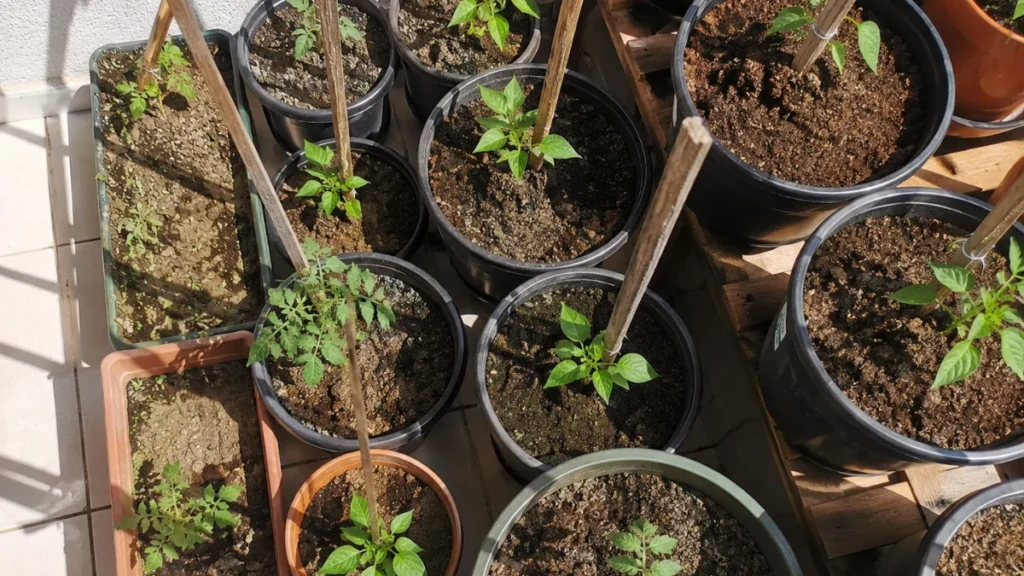
Balcony plants can look healthy on the surface while struggling underneath. Water suddenly pools on top of the pot instead of soaking in, roots stop spreading properly, and the soil begins feeling heavy or hard after watering. This often happens slowly, especially on balconies where containers face repeated drying, strong heat, wind tunnels, and limited natural soil life.
Compacted soil in pots can often be loosened naturally by improving airflow inside the container, reducing repeated compression from watering patterns, and reintroducing organic material that helps soil stay crumbly instead of dense. On balconies, compacted pot soil usually forms because containers dry differently from garden beds, especially in hot sun, windy corners, or lightweight pots that lose moisture unevenly.
The confusion comes from the fact that many gardening tips are written for backyard soil rather than balcony containers. Garden soil naturally benefits from worms, deeper drainage, shade from surrounding ground, and wider root movement. Balcony pots operate more like isolated mini-environments where soil structure changes faster and becomes compacted more easily.
This article explains why compacted soil happens in balcony pots, why some natural methods work better than others, and why the same soil can behave differently depending on balcony conditions. It also explores the hidden causes many gardeners overlook when trying to loosen compacted soil in pots naturally.
Table of Contents
Balcony Reality Check
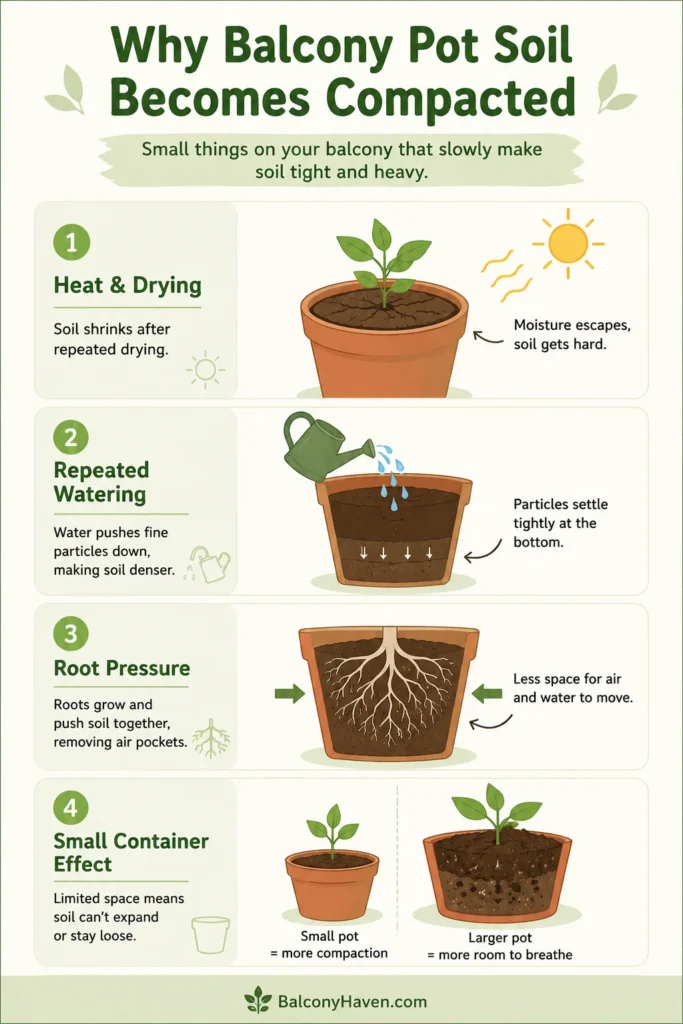
Balcony containers experience pressure that ground gardens rarely deal with. Heat reflects from walls, glass railings, and concrete flooring, which repeatedly dries the upper layers of potting mix. Then, after watering, the same soil collapses downward and settles tighter over time. This repeated cycle slowly removes the tiny air gaps that roots depend on.
Wind also changes how soil behaves in pots. On open balconies, wind pulls moisture from containers faster than expected, especially from lightweight mixes. Many gardeners respond by watering more frequently, but repeated top watering can gradually press fine particles closer together, particularly in smaller pots.
Container size matters too. Small balcony pots have limited room for soil movement. Once roots fill the space, the soil naturally becomes tighter because there is less open structure remaining. Heavy rain on exposed balconies can worsen this by compacting the upper layer like a crust.
Balcony gardening also comes with weight and space restrictions. Many apartment gardeners choose lightweight potting mixes or compact containers to reduce strain on the balcony itself. These choices help practically, but they can also cause the soil structure to break down faster over time.
What Most Advice Misses
A lot of general gardening advice assumes soil behaves naturally forever if compost or organic matter is added occasionally. That works reasonably well in open ground because nature constantly rebuilds the structure underneath through insects, microbes, deeper moisture movement, and natural decomposition.
Balcony pots behave differently because they are closed systems. Once soil particles settle tightly together, there are fewer natural forces reopening those spaces. Even high-quality potting mix can slowly compress after months of watering, root growth, summer heat, and repeated drying cycles.
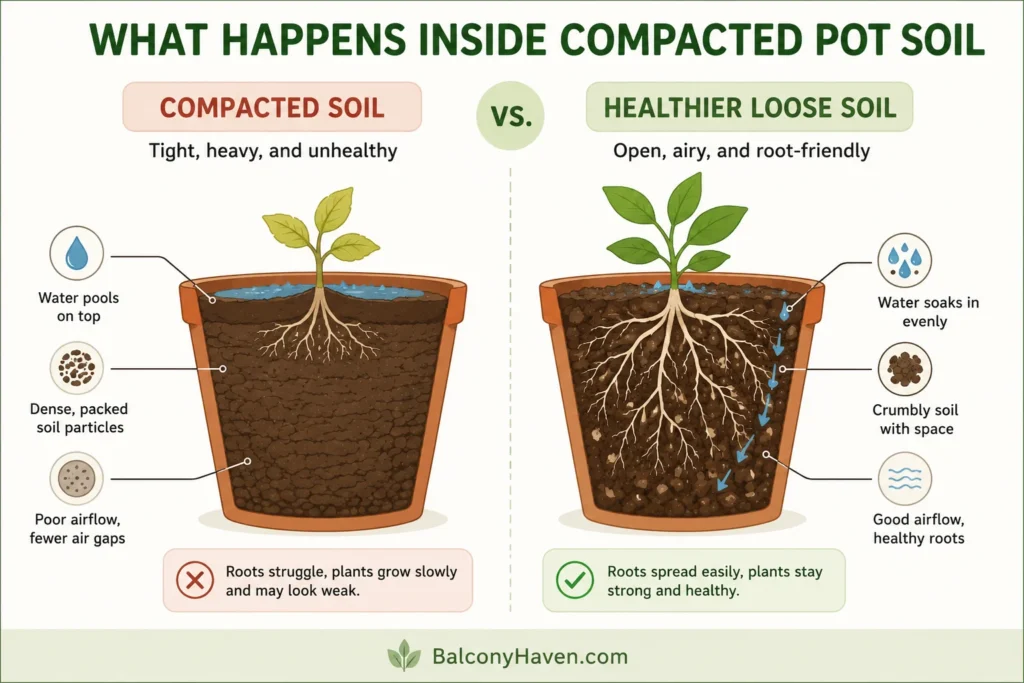
Another thing many articles miss is that compacted soil does not always look compacted immediately. Sometimes the surface still appears soft while deeper layers underneath have already become dense and oxygen-poor. Plants may respond with slower growth, pale leaves, reduced flowering, or roots circling tightly near the pot walls.
This is why learning how to loosen compacted soil in pots naturally is often less about “fixing bad soil” and more about understanding how balcony conditions quietly change the structure over time.
Why Balcony Pot Soil Becomes Dense Faster Than Expected
Small Pots Compress Soil More Quickly
Small balcony containers often compact faster because the soil has nowhere to expand or shift naturally. Roots quickly fill the available space, and watering pressure repeatedly pushes fine particles downward. Over time, the lower section of the pot can become heavy and dense even if the surface still feels loose.
This is especially noticeable in herbs, strawberries, and compact vegetable containers. Smaller pots dry quickly, which increases the cycle of shrinking and swelling inside the soil structure. Container shape and weight can also influence how tightly soil settles over time, especially in setups discussed in Deep vs Shallow Pots for Balcony Veggies and Lightweight Pots for Apartment Balconies, where limited soil space and lighter materials often change how moisture moves through balcony containers.
Repeated Drying and Rewetting Changes Soil Texture
One overlooked reason pot soil becomes compacted is repeated hard drying. When balcony soil dries completely, especially in hot Australian conditions, some organic materials shrink tightly together. After watering again, the soil may absorb water unevenly and settle more densely than before.
This creates a cycle where the soil becomes harder after each drying period. Some potting mixes even begin repelling water on the surface while staying dense underneath.
This connects closely with moisture problems discussed in “Balcony Soil Drying Out Too Fast (What Actually Helps)”.
Roots Can Quietly Create Compaction
Healthy roots can actually contribute to compacted soil over time. In crowded containers, roots weave tightly through the entire pot and gradually squeeze remaining air pockets away. This is common in balcony tomatoes, mint, and fast-growing summer plants.
Sometimes gardeners assume the soil itself is poor when the real issue is that the container has become root-heavy. In these situations, natural loosening often comes from restoring airflow and organic breakdown rather than simply adding more water.
| Balcony Condition | What Happens to the Soil |
|---|---|
| Hot west-facing balcony | Soil dries and shrinks repeatedly |
| Small containers | Soil compresses faster |
| Strong wind exposure | Faster moisture loss |
| Heavy rain exposure | Upper soil crust forms |
| Root-bound pots | Air pockets disappear |
| Lightweight potting mix breakdown | Soil settles downward |
Natural Ways Soil Structure Starts Recovering
Organic Matter Helps Rebuild Air Pockets
Natural materials like compost, aged bark, coco coir, leaf mould, or worm castings slowly help compacted soil regain texture. These materials create irregular shapes inside the potting mix, which naturally form tiny gaps for air and moisture movement.
What makes this important on balconies is that lightweight organic materials also reduce how tightly the soil settles after watering. Instead of forming dense layers, the mix stays more open and sponge-like.
Interestingly, balcony containers exposed to partial shade often maintain these air gaps longer because the soil does not repeatedly bake dry between waterings.
Soil Life Changes the Texture Over Time
One reason garden beds stay healthier naturally is because living organisms constantly move through the soil. Balcony pots contain far less biological activity, but natural amendments can slowly encourage more microbial life inside containers.
As organic material breaks down, it creates softer channels and crumbly texture that helps loosen compacted soil naturally. This process is slower on balconies than in gardens, especially in fully exposed apartment settings, but it still matters.
Many balcony gardeners notice older pots becoming healthier after months of stable moisture and organic feeding, even without replacing the entire soil mix.
Water Movement Matters More Than Most Realise
Water itself can either worsen or improve soil compaction depending on how it moves through the container. Gentle, slower moisture movement often helps soil remain open, while heavy sudden soaking can collapse fine particles downward.
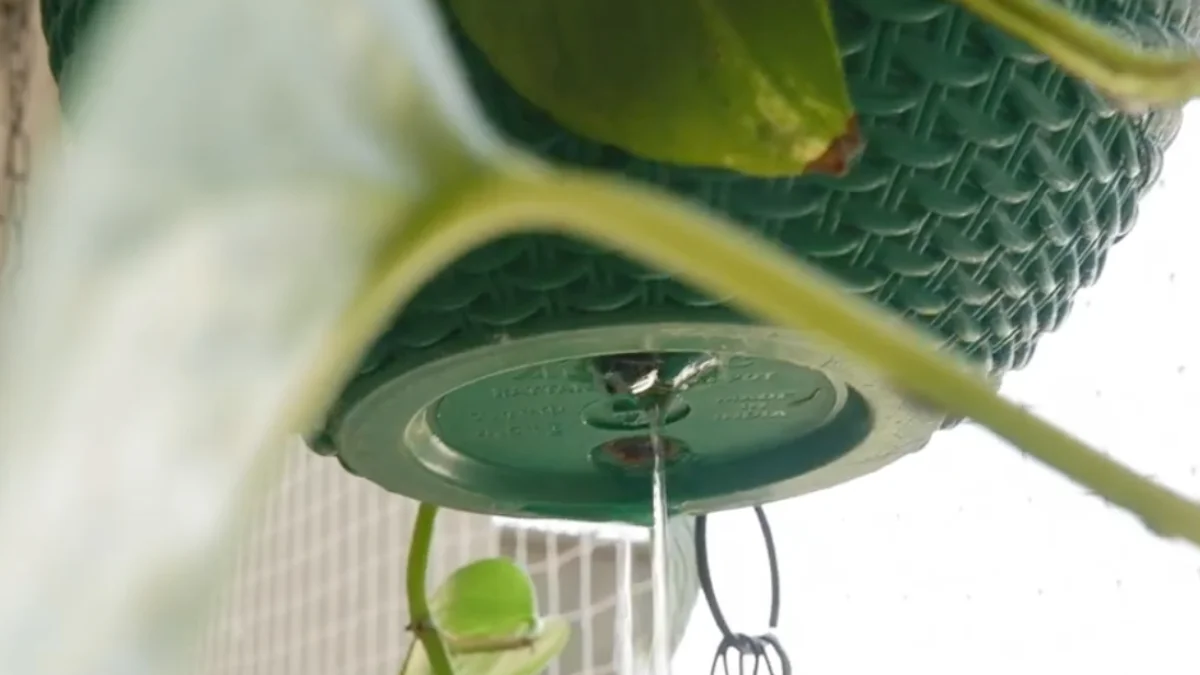
This partly explains why some self-watering containers develop healthier long-term soil texture than traditional top-watered pots. The moisture stays more stable, reducing the harsh drying-and-collapse cycle. This pattern becomes easier to notice in setups similar to those discussed in Best Self-Watering Pots for Balconies, where more consistent moisture levels often help balcony soil stay looser for longer.
Practical Insights
Compacted pot soil often improves gradually rather than instantly. On balconies, small environmental changes can noticeably affect how soil behaves over time.
- Soil that dries completely repeatedly often becomes denser after rewatering
- Lightweight organic material usually keeps balcony soil looser for longer
- Smaller pots tend to compact faster than wider containers
- Root-heavy plants may tighten soil even when plants still appear healthy
- Wind exposure can quietly increase compaction through faster drying cycles
- Soil texture usually changes differently on shaded balconies compared to hot west-facing balconies
Common Misunderstandings
Many compacted soil problems continue because balcony conditions are misunderstood rather than ignored.
- Hard soil does not always mean the potting mix was poor quality
- Adding more water alone rarely fixes compacted soil naturally
- Balcony containers do not behave like open garden beds
- Healthy-looking leaves can still hide dense, oxygen-poor soil underneath
- Root-filled pots may compact even with regular fertilising
- Heavy rain can compact exposed balcony containers surprisingly quickly
Local & Seasonal Context
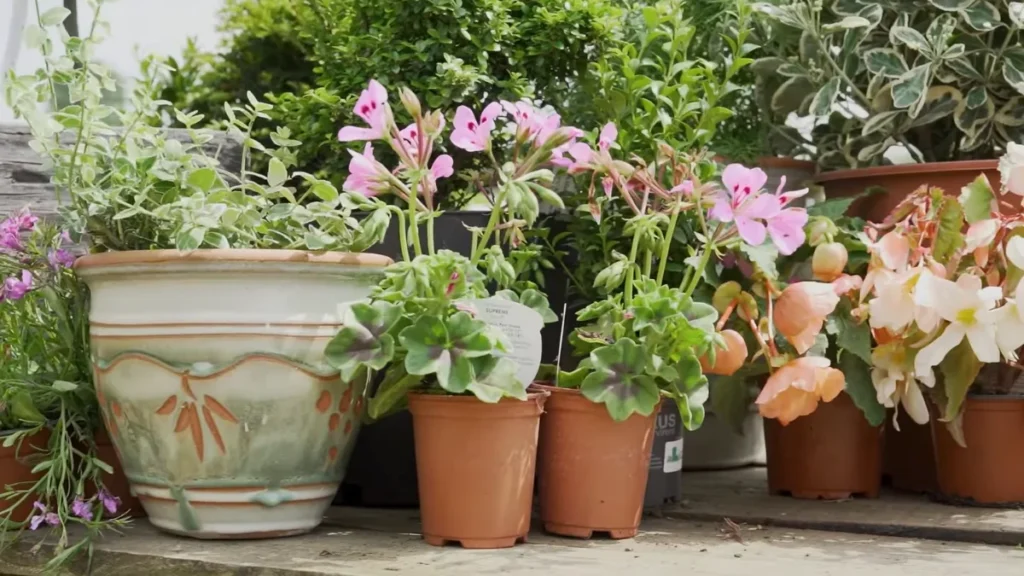
In many Australian balcony settings, compacted soil becomes more noticeable toward the hotter parts of the year. Repeated summer drying can cause potting mix to shrink away from the edges of containers, especially on concrete balconies with reflected heat.
Coastal balconies and high-rise apartments often experience stronger airflow than ground gardens, which changes moisture movement inside pots. Meanwhile, semi-enclosed balconies may stay damp longer, causing compacted soil to hold too much moisture underneath even while the surface appears dry.
These differences explain why the same potting mix may behave completely differently between two balconies in the same city.
Balcony Haven Note
I’ve noticed compacted soil behaves differently depending on where the pot sits on the balcony. Containers near railings often seem to dry harder and faster, while pots closer to walls sometimes stay dense underneath for longer. It also reminded me how often watering problems and soil structure overlap in balcony spaces, especially in articles like “How to Keep Soil Constantly Moist on a Balcony” and “Drainage Tips for Small Balcony Containers,” where the issue is not just moisture itself, but how water moves through limited container space.
Frequently Asked Questions
Can compacted soil kill balcony plants?
Compacted soil can slowly weaken plants because roots struggle to access oxygen properly. On balconies, this often appears as slower growth, yellowing leaves, or poor flowering rather than sudden plant death.
Why does water sit on top of my pot instead of soaking in?
This usually happens when the upper soil layer becomes dense or water-repellent after repeated drying. Balcony heat often worsens this by hardening the surface layer over time.
Is compacted soil worse in plastic pots?
Plastic pots sometimes hold moisture longer, which can cause dense lower layers if drainage and airflow are poor. However, exposed ceramic pots can also compact heavily when the soil repeatedly dries out in heat.
Why does fresh potting mix still become compacted?
Even new potting mix naturally settles over time. Balcony conditions speed this process because containers experience stronger drying, heating, and root pressure than garden beds.
Does compacted soil affect herbs differently?
Many herbs tolerate slightly tighter soil better than vegetables, but strongly compacted pots can still reduce growth, flavour, and root health over time.
Final Thoughts
Learning how to loosen compacted soil in pots naturally is often less about chasing perfect soil and more about understanding how balcony environments slowly change container conditions. Heat, wind, watering patterns, roots, and container size all influence how soil behaves over time.
Many balcony gardeners assume they are doing something wrong when potting mix becomes dense, but compacted soil is actually a very common result of container gardening in exposed apartment conditions.
Once the relationship between airflow, moisture, roots, and balcony conditions becomes clearer, the behaviour of pot soil starts making far more sense. Small changes in soil structure can quietly improve how plants grow, even when the balcony itself remains challenging.
Happy Balcony Gardening!
Leave a Reply