Keeping soil constantly moist sounds simple, but on a balcony it often turns into a frustrating cycle. The soil dries faster than expected, especially in small pots, and watering more frequently does not always solve the problem. Instead, it can create uneven moisture where the surface looks fine, but the roots underneath are still struggling.
To keep soil constantly moist on a balcony, focus on slowing down moisture loss rather than watering more often. Use soil that holds water evenly, water deeply so moisture reaches the roots, reduce evaporation from the surface, and place pots in positions that avoid direct heat and strong airflow. This helps the soil stay consistently moist without becoming overly wet.
This guide will help you understand how to keep soil consistently moist in a way that supports healthy roots, not just surface moisture. You’ll learn how to slow down moisture loss, stabilise your watering approach, and avoid the common patterns that make balcony soil harder to manage.
Table of Contents
Balcony-Specific Constraints
Balcony conditions change how soil behaves in subtle but important ways.
Unlike garden soil, pots have a limited volume, so they cannot store much water. Once moisture is lost, it disappears quickly. At the same time, balconies often trap or reflect heat from floors, walls, and railings, which quietly dries the soil from multiple directions.
Wind also plays a role, even when it feels gentle. It continuously pulls moisture out of the soil throughout the day, which means your soil may be drying out even when the weather does not seem extreme.
Another factor is controlled drainage. On a balcony, you cannot allow water to flow freely like in a garden, so watering habits tend to become cautious. This often leads to soil that never fully stabilises.
Because of these constraints, keeping soil moist is less about how often you water, and more about how well your setup holds and protects moisture over time.
How to Keep Soil Constantly Moist (The Right Way)
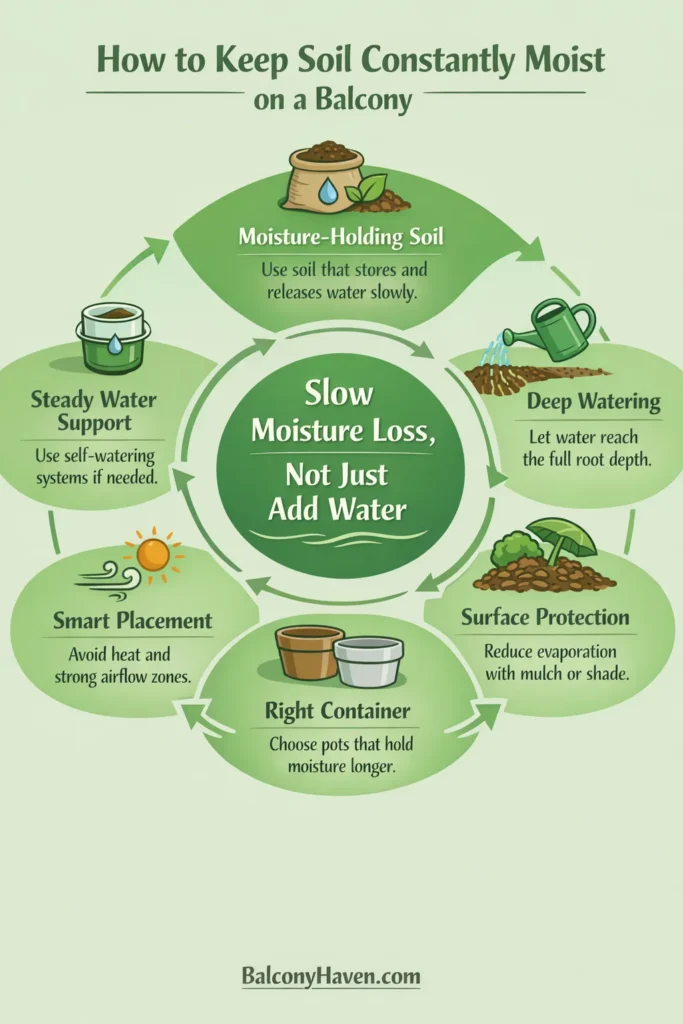
Build a Soil That Holds Moisture, Not Just Drains It
Many balcony soils dry out quickly not because of the weather, but because they are designed to drain too fast.
Light potting mixes often allow water to pass through quickly without storing enough of it. This creates a pattern where soil feels moist briefly, then becomes dry again soon after.
A better approach is to use a soil mix that can hold moisture evenly and release it slowly. This creates a buffer, so your plants are not constantly moving between dry and wet conditions.
If your soil dries out faster than expected, it is often worth adjusting the mix rather than increasing watering. This is explored further in Balcony Soil Drying Out Too Fast (What Actually Helps).
Let Water Reach the Full Depth of the Pot
Watering frequently but lightly is one of the most common habits that leads to unstable moisture.
When water only wets the top layer, roots stay shallow and dependent on constant surface moisture. The deeper soil remains dry, which weakens the plant over time.
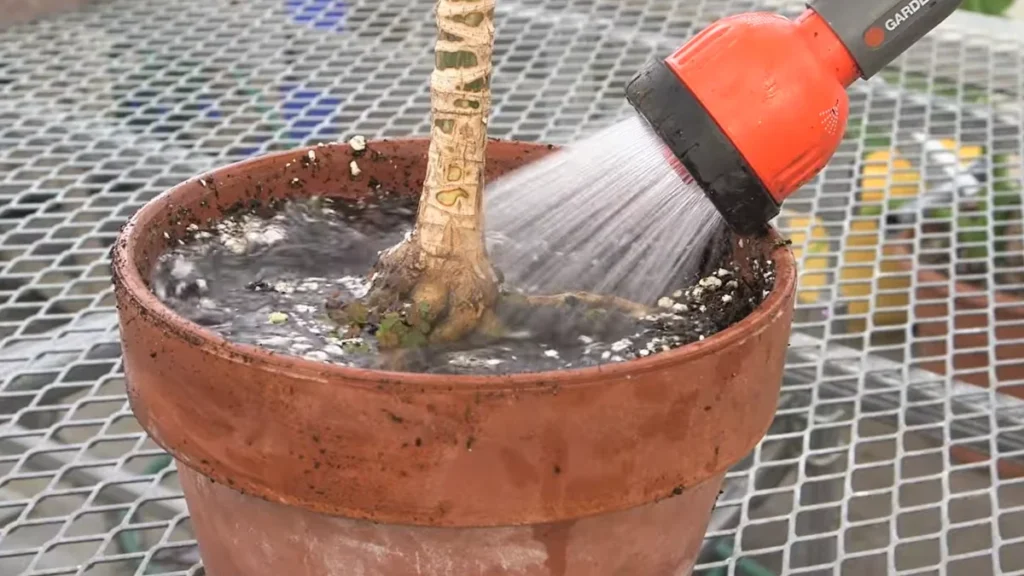
Instead, water slowly so that moisture reaches the full depth of the pot. This allows the soil below to act as a hidden reserve, holding moisture for longer periods.
Once this deeper layer is established, you will notice that the soil stays balanced for longer, even on warmer days.
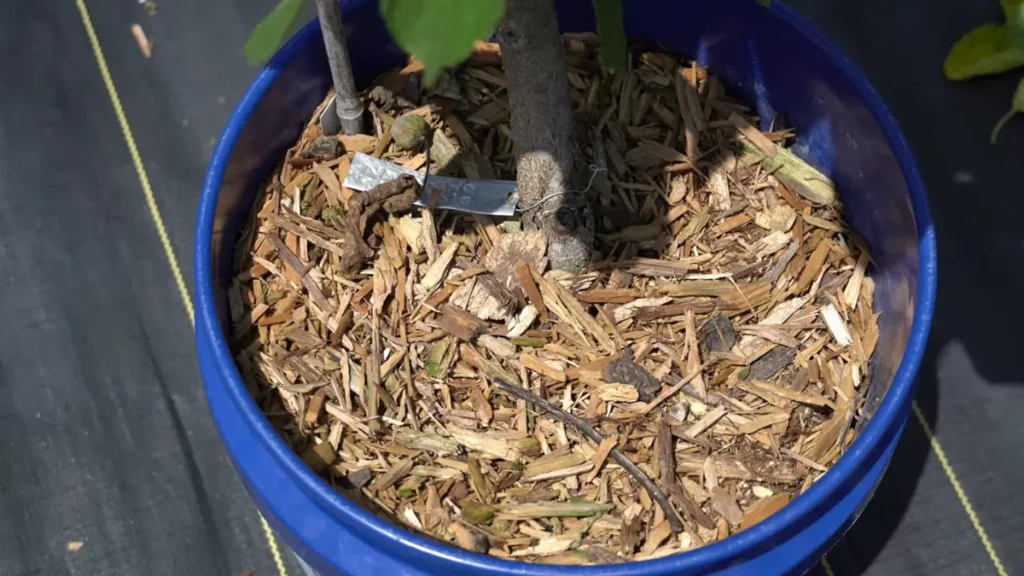
Slow Down Moisture Loss at the Surface
One of the biggest improvements comes not from adding water, but from keeping it from escaping too quickly.
The top layer of soil is where most evaporation happens. When left exposed, it loses moisture faster than the plant can use it.
Covering or shading the soil surface helps reduce this loss. Even a thin protective layer or natural leaf cover can slow evaporation enough to make a noticeable difference.
Over time, this creates a more stable environment where the soil remains gently moist rather than constantly shifting.
Use Container Size and Material to Your Advantage
Containers play a larger role than most people expect.
Small pots dry out quickly because they simply cannot hold much water. Thin containers also heat up faster, which speeds up evaporation.
Choosing slightly larger containers allows the soil to store more moisture. This does not mean heavy or oversized pots, but rather giving the roots enough depth to maintain a stable water level.
The type of pot also matters, which is why many balcony gardeners notice differences depending on their setup. This is discussed in Do Plants Grow Better in Plastic or Ceramic Pots?
Work With Your Balcony Layout, Not Against It
Where you place your pots can affect how quickly soil dries.
Pots placed directly against hot walls or exposed corners tend to lose moisture faster. Even small changes, like moving pots slightly inward or grouping them together, can reduce heat and airflow exposure.
Grouping plants also creates a shared microclimate, where humidity is slightly higher and moisture loss slows down naturally.
If your balcony is exposed to wind, this becomes even more important, as airflow can dry soil quietly throughout the day. This is something many people notice in What Are the Best Plants for a Windy Balcony?
Consider Gentle Self-Watering Support
For some setups, especially busy schedules, relying only on manual watering can be difficult.
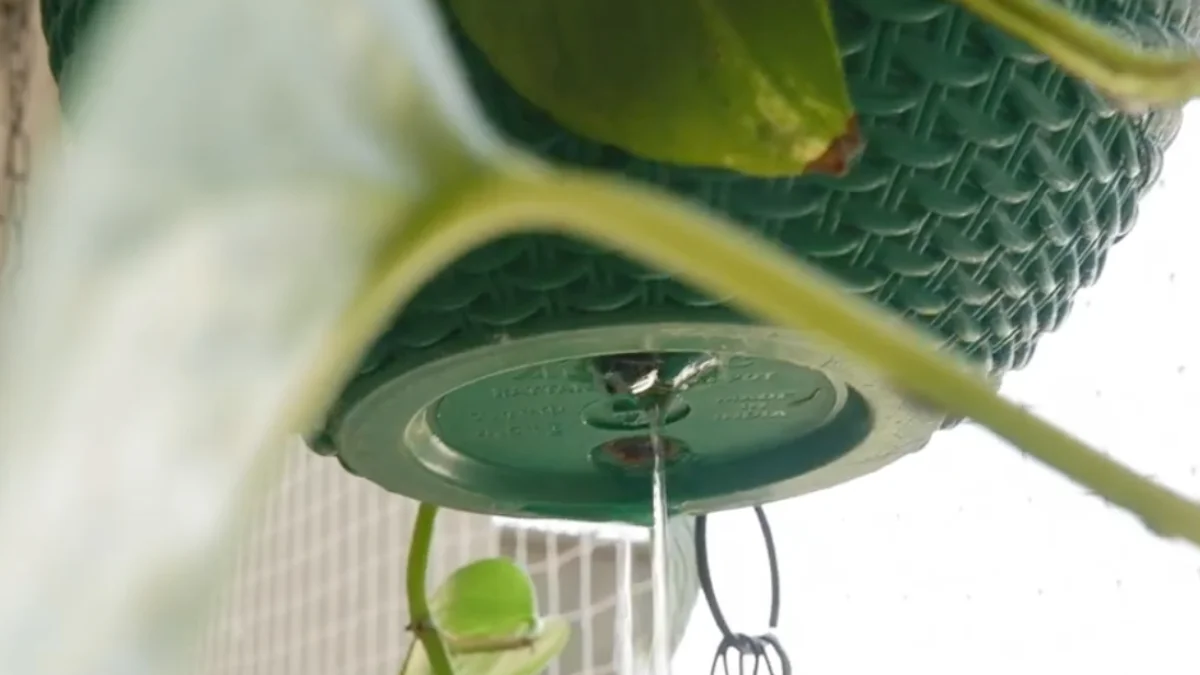
Simple systems like self-watering pots or wick-based watering do not keep soil wet, but they help maintain a more even moisture level over time.
This reduces the stress of trying to keep soil perfectly balanced every day.
Options & Variations Based on Your Balcony
Every balcony behaves differently, so your approach may need small adjustments.
| Balcony Condition | How Soil Behaves | What Helps Most |
|---|---|---|
| Small, exposed balcony | Dries quickly due to wind and heat | Use deeper pots and reduce airflow exposure |
| Shaded or semi-enclosed | Holds moisture longer | Water less often and focus on drainage balance |
| Morning sun | Dries gradually and evenly | Maintain steady, consistent watering |
| Afternoon sun | Loses moisture quickly under strong heat | Protect soil surface and reduce direct heat |
| Windy balcony | Moisture is pulled away throughout the day | Group plants and create wind buffers |
On exposed balconies, moisture tends to disappear quickly, so the focus shifts toward protecting soil from wind and heat. Deeper pots and sheltered placement become more important.
On shaded or semi-enclosed balconies, soil holds moisture longer. Here, the challenge is avoiding overwatering while still maintaining consistency.
Balconies with morning sun often allow for more stable moisture conditions, while those with strong afternoon sun require more effort to slow down evaporation.
These differences are not problems — they simply guide how you manage moisture.
Practical Tips That Make a Real Difference
Small changes often create the biggest improvements when combined together.
- Water earlier in the day so moisture lasts longer
- Use slightly deeper pots to increase water storage
- Check soil below the surface instead of relying on appearance
- Rotate pots occasionally to balance exposure
- Group plants to create a more stable environment
Common Mistakes That Cause Soil to Dry Too Fast
Many moisture problems come from patterns that seem helpful at first.
- Watering lightly instead of deeply
- Using very small containers
- Letting soil fully dry out before watering again
- Ignoring heat reflection from balcony surfaces
- Placing pots in fully exposed windy areas
These habits often lead to soil that never stabilises, even with frequent watering.
Timing and Seasonal Behaviour
Moisture levels shift naturally with the seasons.
During warmer periods, soil dries faster due to increased heat and longer daylight hours. The focus during this time is on retaining moisture rather than simply adding more water.
In cooler conditions, soil holds moisture longer. This can make watering feel easier, but it also increases the risk of soil staying too wet for too long.
Learning to adjust based on conditions, rather than following a fixed routine, is what keeps soil consistently balanced.
Balcony Haven Note
On my own balcony, I used to think the problem was not watering enough. But over time, I realised the soil was never staying in one state long enough for the roots to settle. Once I focused on slowing down moisture loss instead of adding more water, everything started to feel more predictable.
This connects closely with how watering habits actually work in practice. Many of the same patterns appear in Best Balcony Watering Methods for Beginners, where the focus shifts from how often you water to how water behaves after you do.
Frequently Asked Questions
Can soil stay moist all the time without harming plants?
Yes, as long as the soil drains well. Moist soil still contains air, while soggy soil blocks it and can lead to root problems over time.
How do I know if the soil is truly moist?
Check below the surface rather than relying on appearance. The top layer can look dry while the deeper soil is still holding enough moisture for the roots.
Do small pots always dry faster?
In most cases, yes. Smaller soil volume means less water can be stored, so moisture disappears more quickly compared to larger containers.
Is watering every day necessary?
Not always. If the soil is able to hold moisture well, you may find that watering less frequently still keeps conditions stable.
Can I rely on self-watering pots alone?
They can help maintain more consistent moisture, but you still need to observe how your soil behaves and adjust based on your balcony conditions.
Final Thoughts
Keeping soil constantly moist on a balcony is not about watering more often. It is about creating a system where moisture stays longer and changes more slowly.
Once your soil begins to hold moisture evenly, everything becomes easier. Watering feels less urgent, plants respond more steadily, and the overall growing environment becomes more stable.
You do not need perfect conditions to achieve this. Small adjustments, made thoughtfully, often create lasting results that feel natural rather than forced.
Happy Balcony Gardening!
Leave a Reply