Starting a garden sounds cheap in theory — seeds are inexpensive, plants are “natural,” and sunlight is free. But for beginners on balconies, costs creep in quickly through the wrong containers, soil that doesn’t work, and replacing plants that fail early. So, how to do a garden on a budget for beginners?
You can do a garden on a budget as a beginner by starting small, choosing durable containers once, reusing materials where possible, and selecting plants that forgive early mistakes. On balconies, spending less works best when you match plants to light and wind conditions first, then build soil and watering habits around that space instead of copying backyard gardens.
This guide explains how to build a beginner-friendly balcony garden on a budget without shortcuts that cause problems later. Instead of copying backyard setups, you’ll learn how to spend less by understanding how balconies behave, choosing fewer but smarter items, and using constraints as a design advantage rather than a limitation.
Table of Contents
Balcony-Specific Constraints (Why Budget Gardening Works Differently Here)
Balconies are controlled environments — and that’s good news for beginners on a budget.
Unlike gardens, balconies:
- Don’t lose nutrients into open ground
- Can reuse soil more safely
- Allow closer observation of water, sun, and stress
- Limit plant numbers (which naturally limits spending)
However, balconies also punish mistakes faster. Shallow pots dry quickly, heat reflects off walls, and wind can undo “cheap” setups overnight. Budget gardening here isn’t about buying the cheapest items — it’s about buying fewer things that won’t need replacing.
A Simple, Budget-Smart Way to Start a Balcony Garden
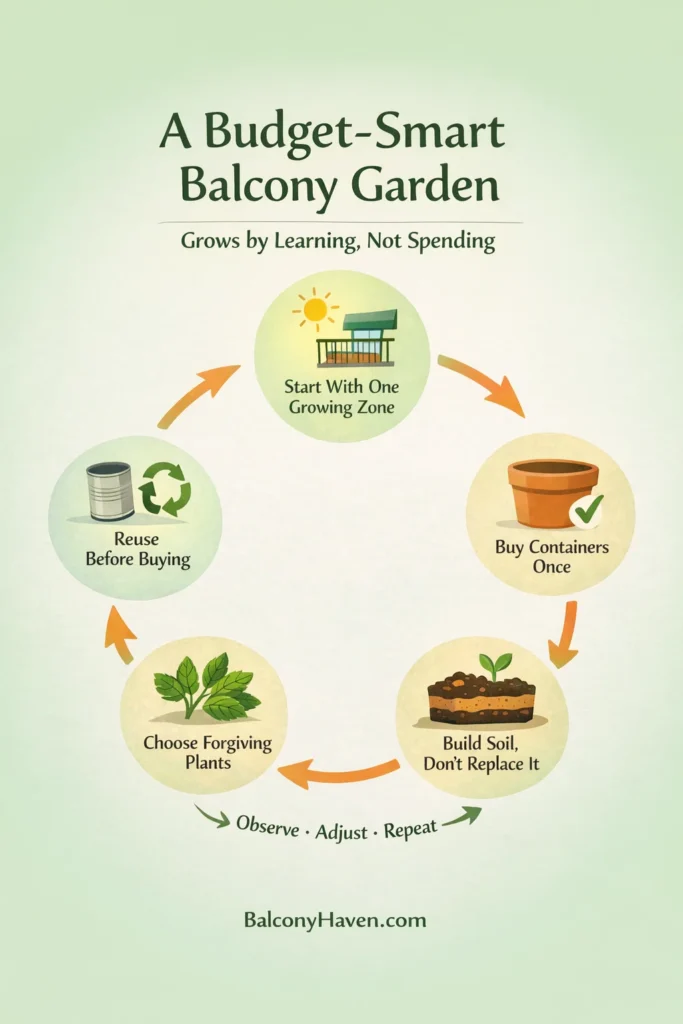
Step 1: Start With One Growing Zone, Not a “Garden”
Most beginners overspend because they try to build a complete garden all at once.
On a balcony, treat your space like a single growing zone:
- One light condition
- One watering rhythm
- One soil style
This means starting with 3–5 plants max, even if you have space for more. Fewer plants let you reuse tools, share soil bags, and learn faster — which prevents the most expensive mistake of all: repeated failure.
Step 2: Spend on Containers Once — Then Stop
Cheap containers are rarely cheap in the long run.
Thin plastic cracks, overheats roots, and warps under sun exposure. Replacing them costs more than buying something stable once. Budget-friendly does not mean flimsy — it means durable and reusable.
Good budget choices include:
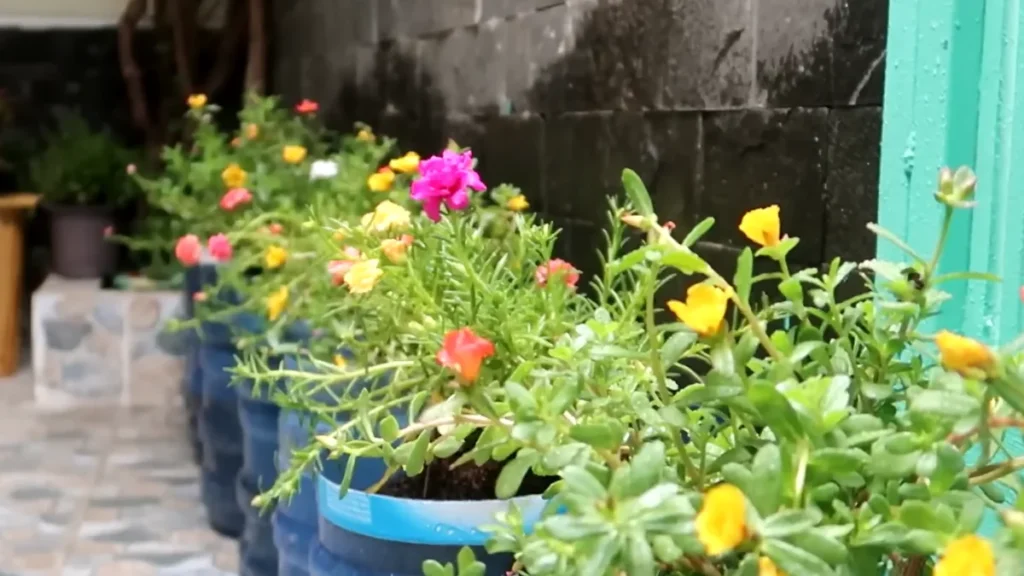
- Reused food-grade buckets with added drainage
- Fabric grow bags (they collapse for storage)
- Second-hand ceramic or thick plastic pots
If weight is a concern, prioritise lightweight designs — especially if you’re gardening higher up. Choosing the right container early prevents the “repot spiral” beginners often fall into. If you’re unsure how size affects plant success, this is explained clearly in Best Pot Size for Balcony Tomatoes.
Step 3: Use Soil Strategy Instead of “Premium Mixes”
You don’t need expensive branded soil — but you do need the right structure.
Balcony soil should:
- Drain freely
- Hold moisture evenly
- Resist compaction over time
A simple budget approach is to build soil once, then maintain it. Mix a basic potting mix with:
- One part compost (for nutrients)
- One part aeration material (perlite, bark, or reused coarse material)
This prevents constant replacement and reduces water waste. Many beginners mistake soil drying for “bad soil,” when it’s actually a structure issue — something covered in Balcony Soil Drying Out Too Fast (What Actually Helps).
Step 4: Choose Plants That Save Money Over Time
Some plants quietly save you money by lasting longer and forgiving mistakes.
Beginner-friendly, budget-smart plants often:
- Regrow after cutting
- Tolerate missed watering
- Don’t need frequent feeding
Herbs like mint, basil, and rosemary can be harvested repeatedly instead of replaced — but only if matched correctly to light and wind conditions. Choosing plants based on your balcony’s sun hours (not popularity) avoids waste. If your balcony gets limited light, Best Plants for Shaded Apartment Balconies helps prevent costly trial-and-error.
Step 5: Reuse Before You Buy Anything New
Balconies are perfect for reuse because everything stays visible and manageable.
Before buying:
- Check if containers can be repurposed
- Save food containers for seed starts
- Use cardboard or paper as temporary mulch
- Reuse plant ties, trays, and saucers
Unlike gardens, balconies don’t require heavy-duty materials. Lightweight reuse works well — and can be upgraded later only if needed. This mindset keeps spending reactive instead of impulsive.
Options & Variations (Real Balcony Situations)
| Balcony situation | What usually causes problems | Budget-smart approach |
|---|---|---|
| Tiny balconies | Too many small pots dry out quickly and compete for light | Use vertical or clustered setups with fewer containers that share shade and moisture |
| Windy balconies | Broken stems, tipped pots, and rapid moisture loss | Prioritise wind protection before adding plants; stability matters more than fertiliser |
| Renters | Fixed or heavy setups that are hard to move or remove | Choose movable options like grow bags, freestanding racks, and pots that won’t mark surfaces |
Practical Tips That Actually Save Money
A budget garden succeeds when small decisions stack up.
- Buy seeds only after measuring sunlight
- Start plants small — mature plants cost more and adapt worse
- Group pots to reduce evaporation
- Water early to reduce heat stress
- Observe before adjusting — don’t “fix” daily
Each of these reduces replacements, which is where most beginner budgets collapse.
Common Budget Mistakes Beginners Make
Most overspending happens early — and silently.
- Buying too many plants at once
- Using decorative pots without drainage
- Overwatering and replacing soil repeatedly
- Copying backyard advice without adjustment
- Adding fertiliser instead of fixing light or drainage
Avoiding these keeps your setup stable long enough to actually learn.
Timing & Seasonal Context (Why Budget Gardening Isn’t Rushed)
Balcony gardening rewards patience more than speed. Unlike garden beds, balcony conditions change quickly with heat, wind, and reflected light, and rushing early setups often leads to unnecessary losses.
Starting slower reduces the number of plants lost to sudden temperature swings and helps you notice how sunlight actually moves across your space. Over time, this understanding prevents wasted soil, seeds, and replacements. Budget success on balconies comes from aligning growth with real conditions rather than calendars — especially in apartments where microclimates shift throughout the year.
Balcony Haven Note
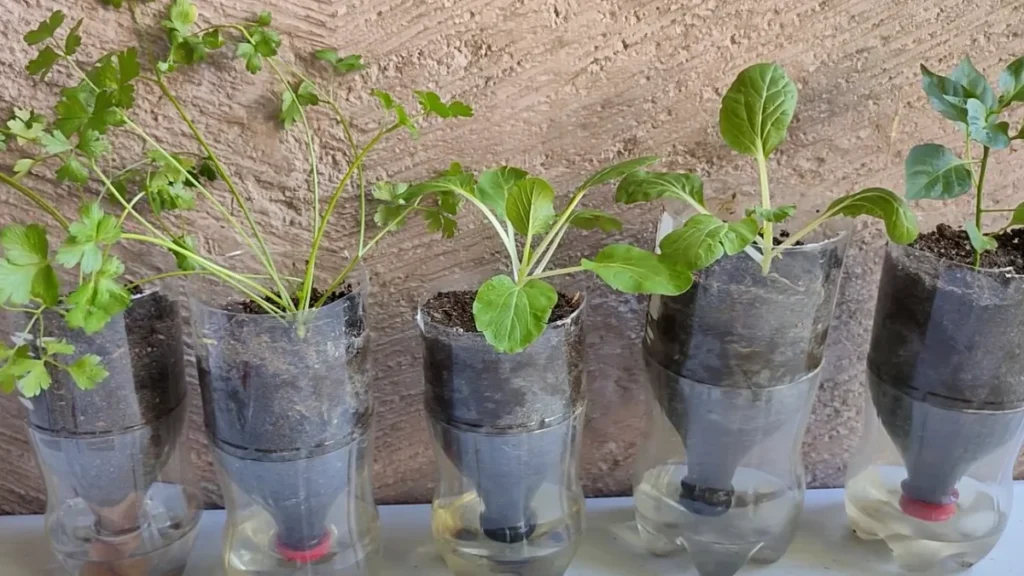
Every budget garden I’ve seen fail didn’t fail because of money — it failed because of mismatched expectations. Low-cost options like grow bags, reused bottles, or regrowing spring onions can work well on balconies when they’re treated as learning tools, not permanent solutions.
If you’ve ever wondered why plants struggle even when “everything should work,” the same logic applies across many balcony problems. You’ll recognise it again in Why are my plants losing their colour? — different symptom, same underlying balcony rules.
FAQs
Can I start a balcony garden with almost no money?
Yes — if you start small and reuse materials. Costs rise when replacing mistakes, not when starting. Beginning with just one or two plants also makes it easier to notice what your balcony actually supports before spending more.
Are cheap pots bad for plants?
Not always, but poor drainage and heat retention cause most failures. Structure matters more than price. A well-draining, sturdy container will outlast decorative pots that overheat or trap moisture.
Do I need fertiliser early?
Usually no. Soil structure and light consistency matter more in the first few months. Feeding too early often masks underlying light or watering problems instead of fixing them.
Is growing food cheaper than buying it?
Not immediately. The value comes from learning and repeat harvests, not instant savings. Over time, plants that regrow or produce multiple harvests offer the best return for beginners.
Final Thoughts
A budget balcony garden isn’t about cutting corners — it’s about learning how your space behaves before spending more. When you work with your balcony instead of forcing quick results, costs naturally stay low.
Simple setups, reusable containers, and a small number of well-chosen plants give you room to observe, adjust, and improve. With patience, experience replaces guesswork — and that’s how beginner balcony gardens quietly turn into long-term successes.
Leave a Reply