Overview
You water your balcony plants, step back feeling good about it, and then notice something confusing. Instead of looking fresh and upright, the leaves start to droop. Sometimes they look even worse a few hours later. For many apartment gardeners, this moment causes instant worry.
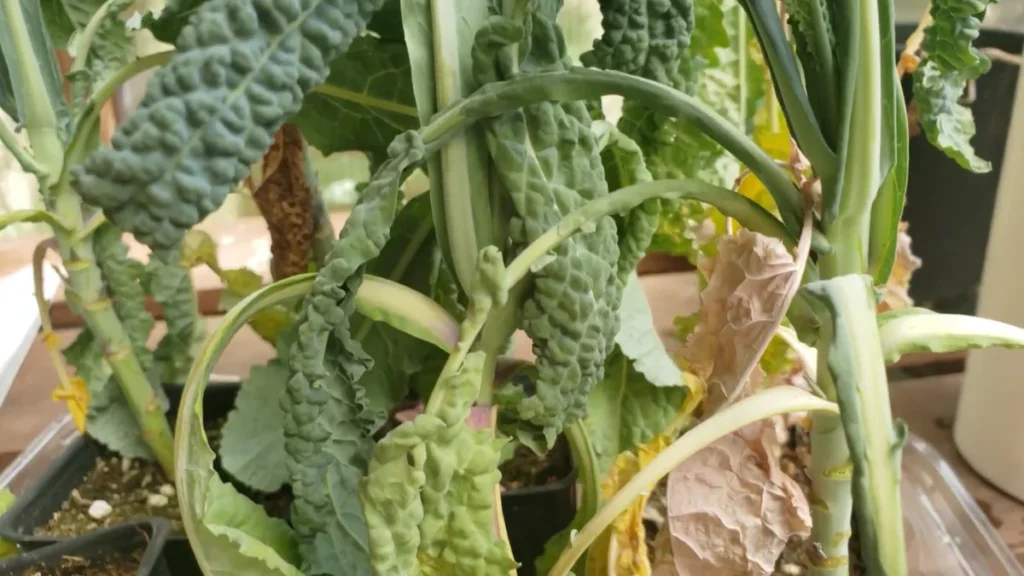
Balcony plants drooping after watering is usually caused by temporary root stress rather than a lack of water. On balconies, excess moisture can push air out of the potting mix, making it harder for roots to absorb water immediately. This short-term imbalance often causes leaves to droop even though the soil is wet, and many plants recover once drainage improves and oxygen returns to the roots.
In reality, this reaction is usually linked to how balcony pots handle water, air, and heat rather than the plant itself. On balconies, roots behave very differently compared to garden beds, especially right after watering.
The good news is that drooping after watering is common, and in most cases, it’s temporary. This article explains why it happens, what it means, and how balcony conditions play a bigger role than many people realise.
Table of Contents
Understanding the Balcony Reality
Balconies create a very different growing environment from ground gardens. Pots are smaller, drainage depends entirely on the container, and sunlight often comes in short bursts or intense heat waves. Wind can dry out soil quickly, while concrete and walls trap warmth.
When water is added to this setup, roots can react fast. In some cases, they get more water than oxygen. In others, the sudden temperature change in wet soil can briefly stress the plant. This is why plants on balconies often respond more dramatically to watering than expected.
Drooping does not always mean the plant needs more water. Sometimes it means the roots are struggling to breathe or adjust to sudden moisture changes.
Why Balcony Plants Droop After Watering
Temporary Root Stress
When dry soil suddenly becomes very wet, roots can go into short-term shock. They stop absorbing water properly for a while, which causes leaves to lose firmness and droop. This is more noticeable in balcony pots because there is less soil buffer.
In many cases, the plant perks up again within a few hours once the roots adjust.
Poor Drainage in Pots
If water cannot drain out easily, air pockets in the soil fill with water. Roots need oxygen as much as they need moisture. Without enough air, roots confirming water uptake slow down, and leaves respond by drooping.
Balcony pots without drainage holes or with blocked holes are a common cause.
Compacted or Old Potting Mix
Over time, potting mix can break down and become dense. When this happens, water sits around the roots instead of flowing through. Even careful watering can lead to drooping because roots are stuck in soggy conditions.
This is especially common in older balcony containers that have not had their soil refreshed.
Heat and Watering Timing
On warm balconies, watering during the hottest part of the day can cause sudden temperature changes around the roots. Cool water hitting hot soil can briefly interrupt normal water movement inside the plant, leading to temporary drooping.
Will a Droopy Balcony Plant Recover?
In most cases, yes. If the drooping is caused by temporary root stress or slow drainage, plants often recover once the soil settles and oxygen returns.
Recovery usually depends on how long the roots stay wet. Short-term drooping is very different from ongoing soggy conditions, which can cause longer-term problems like root rot.
A plant that starts lifting its leaves again within the same day is usually not in danger.
How Long Does It Take for an Overwatered Balcony Plant to Recover?
This depends on the cause and the pot setup.
| Situation | Typical Recovery Time |
|---|---|
| Brief drooping after watering | A few hours |
| Slow drainage but airy soil | 1–2 days |
| Compacted, waterlogged soil | Several days or longer |
If leaves remain limp for many days and soil stays wet, the issue may need closer attention.
How to Fix a Droopy Plant From Overwatering (Balcony Context)
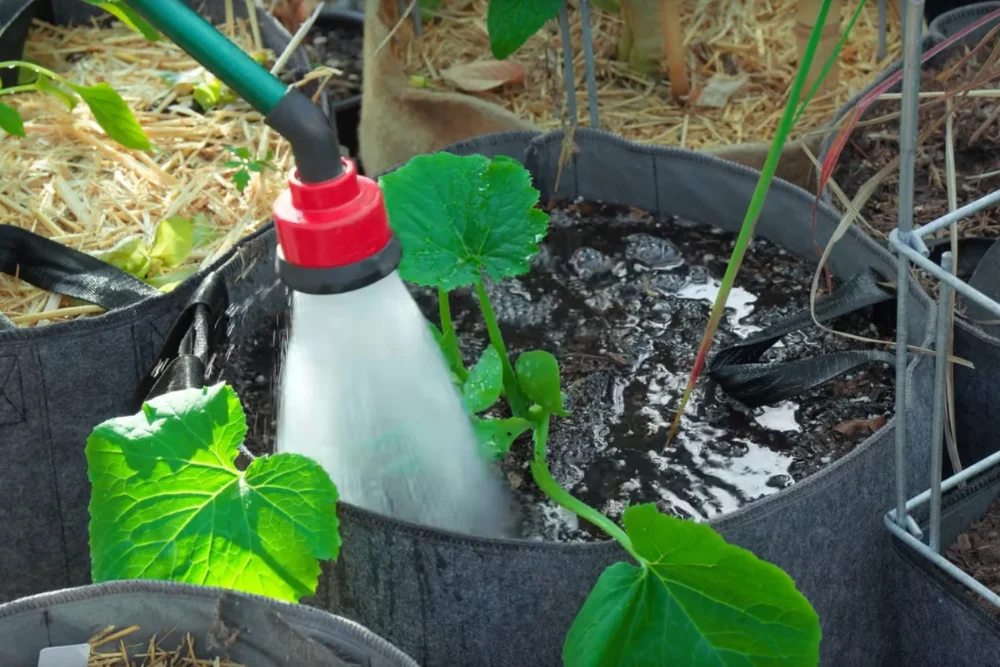
Most fixes on balconies are about improving conditions rather than changing the plant. Changing soil can help if balcony plants keep drooping after watering because compacted or old potting mix holds too much water and limits airflow around the roots.
- Allow the soil surface to dry slightly before watering again
- Check that water flows freely out of the pot
- Lift the pot after watering to feel if it stays unusually heavy
- Avoid watering during extreme heat
If a pot stays wet for days, the issue is often the container or soil, not your watering effort.
Common Balcony Watering Mistakes
Even careful gardeners can run into trouble on balconies.
- Watering on a schedule instead of checking soil moisture
- Using decorative pots without drainage holes
- Letting saucers stay full of water underneath pots
- Reusing old, compacted potting mix
These mistakes trap water around roots and increase the chance of drooping after watering.
Local and Seasonal Factors
In many parts of Australia, balconies experience strong sun followed by cooler evenings. This temperature swing can make soil dry fast on the surface while staying wet underneath. During warmer months, plants may droop after watering simply because roots are adjusting to moisture changes in warm containers.
Windy balconies can also dry leaves quickly, making drooping more noticeable even when roots are wet.
Balcony Haven Note
On a fairly typical apartment balcony, I’ve noticed that balcony plants drooping after watering can look more dramatic than it actually is. Leaves sometimes sag for a short time after watering, particularly on warmer days or when plants are growing in smaller pots. This reaction seems to vary with wind exposure, container size, and how quickly excess water drains from the soil.
If you’ve noticed that your pots stay wet longer than expected, it may help to read Balcony soil drying out too fast (What actually helps). That post looks at how pot size, soil mix, and airflow affect moisture balance on balconies, and why some containers behave unpredictably.
FAQ
Why are my plants drooping after watering but the soil is wet?
This usually happens when roots are temporarily stressed or lacking oxygen. Wet soil does not always mean roots can absorb water properly, especially in compacted balcony pots.
Can overwatering cause permanent damage?
Short-term overwatering usually does not. Damage is more likely if soil stays wet for long periods, which can affect root health over time.
Should I water drooping plants again?
If the soil is already wet, adding more water can make things worse. It’s better to let excess moisture drain and allow air back into the soil.
Is drooping always a sign of overwatering?
No. Heat, wind, transplant stress, or sudden temperature changes can also cause drooping, even when watering is correct.
Final Thoughts
Seeing balcony plants drooping after watering can be unsettling, but it’s often a normal response to how pots, soil, and roots behave in small spaces. On balconies, plants react quickly to changes because their environment is more limited.
Most drooping after watering is temporary and improves once roots regain balance. Paying attention to drainage, pot weight, and how long soil stays wet usually tells you more than leaf appearance alone.
Every balcony behaves differently. Learning how your specific space responds to water over time is often more helpful than trying to follow strict rules.
Happy Balcony Gardening!
Leave a Reply