Why Are My Balcony Plants Not Growing New Leaves?
Watching balcony plants sit still for weeks without new leaves can be frustrating. The soil looks fine, the plant is still alive, and yet nothing seems to change. Many apartment gardeners assume something is wrong with their care, even when they are watering and feeding regularly.
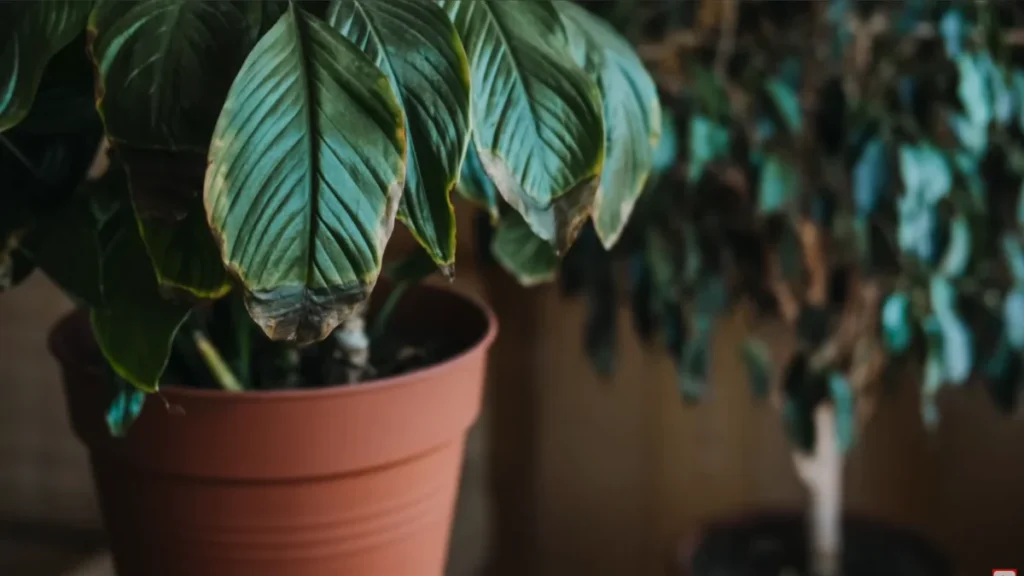
Balcony plants often stop growing new leaves because they are under environmental stress rather than poor care. Limited sunlight, restricted root space, temperature swings, strong wind, or inconsistent moisture can cause plants to pause leaf production and focus on survival instead of new growth.
When new leaves fail to appear, plants often stay stuck in a holding pattern. Growth slows, stems look unchanged, and the plant may appear healthy but inactive. Over time, this can lead to weaker plants that struggle to recover when conditions finally improve.
The good news is that this problem is common on balconies and is usually linked to the environment rather than poor gardening skills. This article explains why balcony plants stop producing new leaves, what conditions trigger stalled growth, and how to recognise what your balcony plants are responding to.
Table of Contents
Understanding the Balcony Reality
Balconies are very different from gardens or open yards. Sunlight often arrives in short bursts rather than steady exposure, and nearby buildings can block or reflect heat in unpredictable ways. Even a bright-looking balcony may only receive a few hours of usable light each day.
Wind is another major factor. Elevated balconies experience stronger and more constant airflow, which dries soil faster and stresses leaves. Plants may conserve energy under these conditions by slowing leaf growth rather than expanding foliage that loses moisture quickly.
Container size also plays a role. Roots are confined, and once they fill the pot, plants often reduce above-ground growth. On balconies, space and weight limits mean pots are often smaller than what the plant would prefer.
All of these factors combine to create an environment where plants prioritise staying alive over producing fresh leaves.
Why Balcony Plants Stop Producing New Leaves
| Cause | What You’ll Notice | Common Balcony Trigger |
|---|---|---|
| Low sunlight | No new leaf buds | Nearby buildings, short sun window |
| Root restriction | Healthy leaves but no growth | Small or shallow pots |
| Wind stress | Dry leaf edges | High-rise or exposed balcony |
| Heat stress | Midday slowdown | West-facing concrete balconies |
| Water stress | Drooping without growth | Fast-drying containers |
Limited Sunlight Slows Growth
Leaf production depends on light. When plants do not receive enough direct or usable sunlight, they reduce growth to match the available energy. This often happens on shaded, south-facing, or partially blocked balconies.
Plants in low light may stay green but fail to push new leaves, especially during cooler months or shorter days.
Root Restriction in Containers
Roots need space to expand before new leaves can form. When roots circle the pot or hit the container walls, growth above the soil often slows or stops entirely.
Balcony plants in undersized pots commonly pause leaf production even when watered and fed correctly.
Temperature Stress
Balconies heat up and cool down faster than ground-level gardens. Hot afternoons followed by cool nights can confuse plant growth cycles. Many plants respond by pausing new leaf development until conditions stabilise.
Cold nights, even without frost, can also slow leaf production significantly.
Inconsistent Moisture
Soil that dries too fast or stays wet for too long stresses roots. When roots are stressed, plants stop investing energy in new leaves. This is especially common on windy or exposed balconies.
How to Encourage New Leaf Growth on Balcony Plants
Healthy leaf growth returns when plants feel stable rather than pushed. Before expecting new leaves, plants need time to adjust to improved conditions.
Short-term improvements often come from creating consistency rather than changing many things at once. Stable light patterns, predictable watering, and reduced stress allow plants to restart growth naturally.
It is common for plants to pause growth for several weeks after changes such as repotting, moving position, or seasonal shifts.
How to Fix Stunted Growth in Container Plants
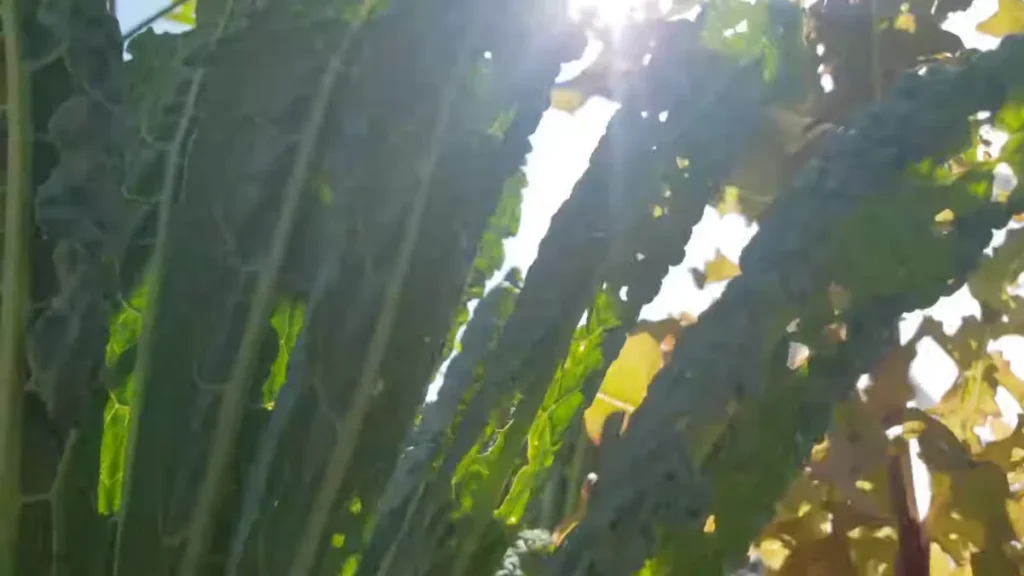
Stunted growth usually develops gradually. Plants adapt to limitations instead of failing suddenly.
Key conditions that support renewed growth include:
- Enough light for the plant type
- A pot size that allows root expansion
- Soil that drains well but does not dry instantly
- Reduced wind exposure where possible
Once these conditions improve, new leaves often appear slowly rather than all at once.
The Most Common Mistake With Balcony Container Plants
The most common issue is assuming more water or fertiliser will force growth. On balconies, this often makes the problem worse.
Plants that are stressed by light, wind, or roots do not respond well to extra feeding. Instead of producing new leaves, they may become weaker or show yellowing and drooping.
Growth usually improves when stress is reduced, not when inputs are increased.
Practical Signs Your Plant Is Ready to Grow Again
Plants often give small signals before new leaves appear:
- Stems look firmer and more upright
- Leaf colour deepens slightly
- Small buds appear at leaf joints
- Growth points become more visible
These signs suggest the plant is shifting back into growth mode.
Common Balcony Growth Mistakes to Avoid
Many stalled plants share similar issues:
- Pots that are too small for the plant size
- Balconies with less light than expected
- Constant exposure to strong wind
- Watering on a fixed schedule instead of responding to conditions
- Moving plants frequently, preventing adjustment
Avoiding these patterns helps plants stabilise over time.
Seasonal and Australian Balcony Factors
In Australia, balcony plants often slow leaf growth during heatwaves and again during cooler months. Even evergreen plants may pause growth during temperature extremes.
Strong sun combined with wind can dry soil quickly, while humid periods may keep soil damp longer than expected. These shifts affect leaf production cycles throughout the year.
Seasonal slowdowns are normal and do not always indicate a problem.
A Balcony Haven Note
On a typical apartment balcony, plants not growing new leaves are often responding to conditions like strong wind, heat buildup, or limited container space rather than plant choice alone. These factors can slow or pause leaf growth even when plants look healthy. Small, realistic adjustments often make a bigger difference than trying to create an ideal setup, and results can vary from one balcony to another.
If you want to understand how light affects growth patterns, How to measure sunlight on a balcony explains how sunlight actually behaves in apartment spaces and why many balconies receive less usable light than expected.
FAQs
Why aren’t my plants growing new leaves?
Most balcony plants stop producing new leaves when stressed by light limits, root restriction, wind, or temperature changes. They often stay alive but pause growth until conditions improve.
How long can plants go without growing new leaves?
Plants can remain inactive for weeks or even months, especially during seasonal transitions. As long as leaves remain healthy, this pause is usually temporary.
Does fertiliser help plants grow new leaves faster?
Fertiliser only helps when light, roots, and moisture are already balanced. Without those conditions, extra feeding rarely restarts leaf growth.
Should I move my plant to a new spot?
Moving a plant can help if light or wind exposure improves, but frequent moves often delay growth further. Plants need time to adjust before producing new leaves.
Final Thoughts
Balcony plants not growing new leaves is usually a sign of environmental stress rather than failure. Limited light, container size, wind, and temperature changes all influence how and when plants decide to grow.
Leaf growth returns gradually when conditions stabilise. Small adjustments and patience often work better than quick fixes. Every balcony behaves differently, and learning how your space affects plants is part of the process.
By observing patterns and responding gently, most balcony plants eventually resume healthy leaf growth in their own time.
Happy Balcony Gardening!
Leave a Reply