Why Do Balcony Plants Wilt in the Afternoon Sun?
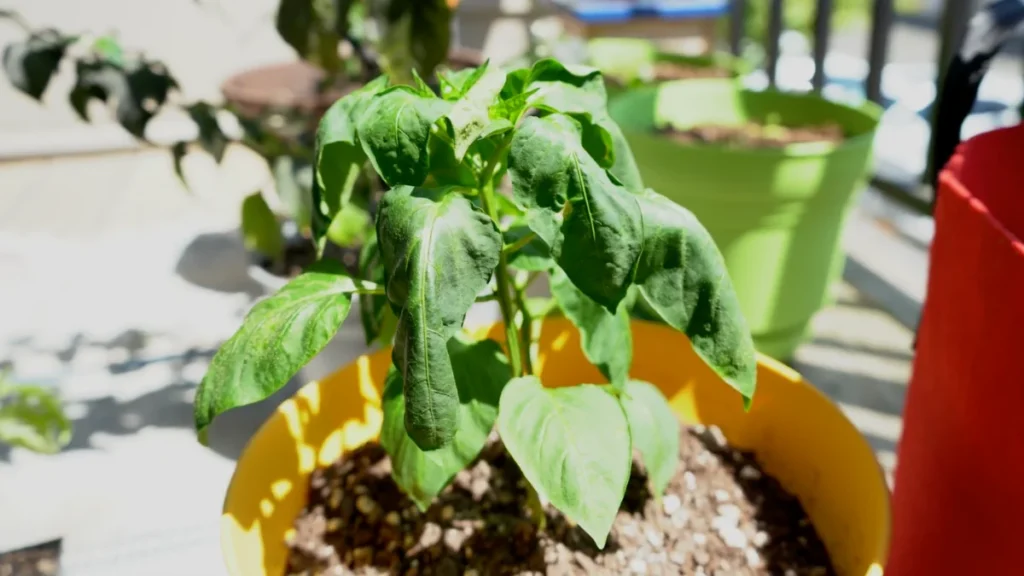
If you live in an apartment and grow plants on a balcony, you may notice a worrying pattern. Your plants look fresh and upright in the morning, but by mid-afternoon they suddenly droop, wilt, or look lifeless. Leaves hang down, stems soften slightly, and the whole plant appears stressed — sometimes within just a few hours. This often leads apartment gardeners to panic, water again, move pots around, or assume the plant is dying.
Balcony plants often wilt in afternoon sun because heat builds up faster than the plant can move water from its roots to its leaves. In apartments, this type of wilting is usually temporary and protective, not a sign the plant is dying or needs more water.
For apartment dwellers, afternoon wilting is extremely common and widely misunderstood. In many cases, the plant is responding normally to heat stress — not failing — and will recover once temperatures drop.
Why Balcony Plants Wilt in the Afternoon Sun
Apartment balconies create a much harsher growing environment than garden beds. Plants are confined to containers and surrounded by heat-absorbing materials like concrete floors, walls, metal railings, and glass doors.
As afternoon temperatures rise, plants lose water through tiny pores in their leaves. When water loss happens faster than the roots can replace it, the plant reduces pressure inside its tissues. Leaves droop to reduce surface area and slow further moisture loss. This response helps the plant survive short bursts of heat.
On balconies, this process happens faster and more intensely than most people expect.
Why This Happens More Often in Apartments Than in Gardens
Wilting is far more common in apartments because balconies amplify heat stress in several ways:
- Pots heat up faster than garden soil
- Root systems are limited by container size
- Heat reflects off walls and balcony floors
- Airflow can be restricted
- Sun exposure can be concentrated and direct
A west-facing balcony is especially challenging. By the time afternoon sun arrives, the air temperature is already high and surrounding surfaces are releasing stored heat back onto plants.
This combination creates a level of stress that “full sun” labels don’t account for.
The Hidden Role of Pot Temperature
One factor many apartment gardeners overlook is pot temperature. On hot days, small containers — especially dark plastic or ceramic pots — can become extremely warm.
When root zones overheat, roots temporarily slow down water uptake. Even if the soil is moist, the plant struggles to move water upward efficiently. Leaves droop as a protective response.
Once temperatures drop later in the day, root activity improves and the plant often recovers without intervention.
Why Soil Can Be Moist but Plants Still Wilt
This is one of the most confusing aspects of afternoon wilting. You check the soil, it feels damp, yet the plant looks stressed.
This happens because wilting is often a transport problem, not a supply problem. Water exists in the soil, but heat stress limits how quickly it can move through the plant.
Adding more water during peak heat does not solve this issue. In fact, repeated watering can reduce oxygen in the soil and increase the risk of root problems over time.
Balcony Plants That Commonly Wilt in Afternoon Sun
Some plants are more sensitive to heat stress in containers, including:
- Basil and other soft herbs
- Leafy greens such as lettuce and spinach
- Mint
- Young seedlings
- Shallow-rooted flowering plants
These plants often appear dramatic when stressed but can recover fully once temperatures ease.
Why Afternoon Sun Is More Stressful Than Morning Sun
Morning sun is cooler and allows plants to photosynthesise efficiently. Afternoon sun arrives when air temperatures are already high and is often combined with reflected heat from apartment structures.
This is why plants may look perfect at 9am and severely wilted by 3pm. The change can feel sudden, but it is usually a response to accumulated heat rather than a sudden lack of water.
Temporary Wilting vs Real Trouble
Knowing the difference between normal and problematic wilting helps apartment gardeners avoid unnecessary intervention.
Usually normal:
- Wilting appears during the hottest part of the day
- The plant recovers by evening or the next morning
- Leaves remain green
- Growth continues normally
More concerning:
- The plant stays wilted overnight
- Leaves turn yellow, brown, or crispy
- Stems soften permanently
- Growth slows for several days
Persistent wilting suggests deeper issues such as poor drainage, root damage, constant overheating, or nutrient imbalance.
Common Apartment Gardening Mistakes That Make Wilting Worse
When plants wilt, many apartment gardeners act quickly — and unintentionally make things worse.
Common mistakes include:
- Watering repeatedly during hot afternoons
- Moving pots while plants are stressed
- Using very small containers that overheat easily
- Assuming every wilt means dehydration
These actions treat the symptom, not the cause. Heat stress requires environmental adjustment, not emergency watering.
Balcony Haven Note
On my own balcony, plants exposed to strong afternoon sun seemed to struggle more from heat stress than from lack of water alone. What stood out was that conditions affecting temperature — like shade, pot size, and surface heat — appeared to influence plant health more consistently than simply watering more often. When heat buildup was reduced, plants generally looked less stressed over time, even during hotter parts of the day. This can vary depending on balcony layout and exposure, but heat management seemed to matter more than increasing water volume.
The Role of Soil Mix on Balconies
Soil mix matters more in containers than in garden beds. Very light mixes dry and heat quickly, while overly dense mixes can hold too much moisture and heat.
A balanced mix with organic matter helps regulate moisture, improve airflow, and support root resilience during heat spikes — all especially important in apartment conditions.
When to Act — and When to Wait
One of the hardest skills for apartment gardeners is knowing when not to intervene.
If a plant wilts in the afternoon but looks normal again the next morning, observation is usually better than action. Watching patterns over several days gives clearer information than reacting to a single hot afternoon.
If wilting worsens daily or recovery slows, environmental adjustments are usually more effective than adding more water.
The Biggest Mistake Apartment Gardeners Make
The most common mistake is treating every wilt as an emergency.
Overwatering heat-stressed plants is one of the fastest ways to damage roots and create long-term decline. Understanding that some wilting is normal removes unnecessary stress — for both the plant and the gardener.
Final Thoughts
Balcony plants wilting in afternoon sun is one of the most misunderstood issues apartment gardeners face. In most cases, it is a short-term response to heat, not a failure of care.
Once you understand how balconies trap heat, how pots affect root temperature, and how plants protect themselves, balcony gardening becomes calmer and more predictable.
If your plants recover once the sun eases, they are often doing exactly what they were designed to do.
Happy Balcony Gardening
Leave a Reply