
What Are the Best Plants for a North Facing Balcony?
A north facing balcony often sounds ideal, but many people struggle to grow plants successfully in it. The light feels bright, yet plants sometimes grow slowly, stretch, or fail to thrive the way expected.
The best plants for a north facing balcony include lettuce, spinach, parsley, mint, coriander, ferns, pothos, strawberries, cherry tomatoes, and chilli plants. These plants grow well in bright, indirect light, tolerate gentler sun exposure, and are less affected by heat build-up from walls and floors.
When the wrong plants are chosen, the balcony can feel frustrating. Leaves stay small, flowers drop early, and growth feels inconsistent. Over time, this can make it seem like the balcony itself is the problem.
In reality, north facing balconies can support a wide range of plants when expectations are matched to how the space actually behaves. This article explains what north facing balconies are like, which plants grow best in them, and how to avoid common mistakes.
Table of Contents
Understanding the Balcony Reality
In Australia, a north facing balcony usually receives the most consistent daylight, but not always direct sunlight all day. The sun is often higher in the sky, so light reaches plants at an angle rather than shining directly for long periods.
This creates a bright but softer environment. While this is comfortable for people and many plants, it is different from full-sun garden conditions. Heat, reflected light from buildings, seasonal sun angles, and wind exposure all influence how plants grow on a balcony.
Because of this, plant choice matters more than trying to force the space to behave like a backyard garden.
Best Plants for a North Facing Balcony
This table would summarize the main plant types you already mention (leafy greens, herbs, foliage, compact fruiting) and add a few key details that help readers decide quickly:
| Plant | Type/Use | Light Preference | Grow Tips |
|---|---|---|---|
| Lettuce | Leafy green | Bright indirect light | Keep soil moist |
| Spinach | Leafy green | Bright shaded spots | Harvest regularly |
| Parsley | Herb | Partial shade | Pinch to encourage growth |
| Mint | Herb | Bright, indirect | Invasive — pot separately |
| Ferns | Foliage | Shade-tolerant | Keep evenly moist |
| Pothos | Foliage | Low light | Good for hanging/place away from direct sun |
| Cherry tomatoes | Compact fruiting | Bright indirect + a bit of sun | Place in brightest location |
| Chillies | Compact fruiting | Bright light | Feed lightly for best yields |
North facing balconies suit plants that prefer steady light rather than intense sun.
Leafy greens and foliage plants
Plants grown for their leaves are the most reliable choice. They focus on foliage growth rather than flowers or fruit, making them well suited to indirect light.
Lettuce, spinach, silverbeet, rocket, kale, ferns, pothos, snake plants, and peace lilies all grow well in these conditions.
Herbs that tolerate indirect sun
Many common herbs prefer gentler light, especially in warmer climates.
Parsley, mint, coriander, chives, lemon balm, and Vietnamese mint stay healthier on north facing balconies and are less likely to bolt compared to full sun exposure.
Compact fruiting plants (with enough light)
Some fruiting plants can grow if the balcony receives a few hours of direct or reflected sun.
Cherry tomatoes, strawberries, chillies, and dwarf citrus varieties can succeed when placed in the brightest part of the balcony and given enough pot space.
What Plants Grow on a North Facing Balcony in Australia?
Australian north facing balconies benefit from long daylight hours, even when direct sun is limited. This means plants receive consistent light across the day without the harsh intensity that can stress leaves or dry pots too quickly.
Because of this, leafy vegetables such as lettuce, spinach, silverbeet, and rocket grow reliably, focusing on steady leaf production rather than rapid, weak growth. Soft herbs like parsley, mint, coriander, and chives also perform well, staying greener for longer and bolting less often compared to full sun positions.
Foliage plants and heat-sensitive flowers benefit from these conditions as well. Ferns, pothos, peace lilies, begonias, and impatiens prefer bright, indirect light and often look healthier on north facing balconies than in exposed full sun areas.
Seasonal changes still play an important role. In winter, the lower sun angle can allow direct light to reach deeper into the balcony, supporting stronger growth. In summer, light remains bright but indirect, helping plants avoid heat stress while continuing to grow steadily over time.
Do North Facing Balconies Get Any Sun?
Yes, north facing balconies do get sun, but it is often filtered or indirect for much of the day. This type of light is gentler and more consistent than full sun, which helps reduce heat stress on plants.
In many apartments, direct sun appears in the morning, late afternoon, or during certain seasons, depending on building height and surrounding structures. Even without constant direct sun, this steady brightness is usually enough for a wide range of balcony-friendly plants to grow steadily and stay healthy.
What Plants Are Good for Hot Balconies?
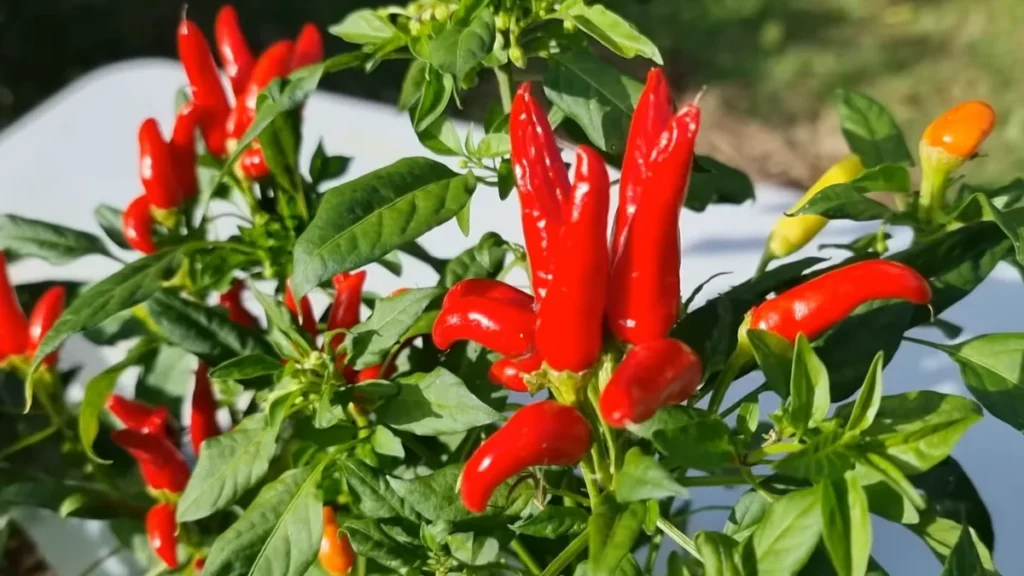
On hotter north facing balconies, plants that handle warmth without needing harsh sun perform best. These plants tolerate heat build-up from walls, floors, and reflected light while continuing to grow steadily.
Chillies, rosemary, thyme, succulents, drought-tolerant foliage plants, and hardy herbs cope well when watering and pot size are balanced. Many of these plants also handle short dry periods better, making them more forgiving on balconies where temperatures rise quickly.
Practical Tips for North Facing Balconies
Choosing the right plants matters, but placement and setup also help.
- Place sun-loving plants closer to balcony edges
- Use light-coloured pots to reduce heat stress
- Group pots to create small microclimates
- Rotate pots occasionally to balance growth
Common Mistakes to Avoid
- Choosing full-sun plants that need all-day direct light
- Assuming slow growth means failure
- Placing all pots against shaded walls
- Ignoring reflected light from nearby buildings
- Using very small pots for long-term plants
A Balcony Haven Note
From what I’ve seen on my own north facing balcony, plant success tends to come from how well they match the light conditions rather than from perfect techniques. Plants that suit bright, indirect light usually settle in more easily, while others struggle quietly over time. This can vary depending on balcony layout, surrounding buildings, and seasonal changes.
If your north facing balcony only receives limited direct sun, you may also find plants for balconies with 2–4 hours sun helpful. That article looks more closely at plant choices for spaces with short daily sun windows and pairs well with the conditions discussed here.
Frequently Asked Questions
What plants can I grow on a north facing balcony?
You can grow leafy greens, shade-tolerant herbs, foliage plants, compact vegetables, and some fruiting plants if enough light is available. These plants tend to grow more steadily in bright, indirect light rather than needing strong midday sun.
What plants grow on a north facing balcony in Australia?
In Australia, north facing balconies support lettuce, spinach, parsley, mint, strawberries, cherry tomatoes, ferns, and many indoor-outdoor foliage plants. Long daylight hours help these plants stay productive even when direct sun is limited.
Do north facing balconies get enough sun for vegetables?
They get enough sun for leafy vegetables and some compact crops, but not for all heavy fruiting plants. Crops grown for leaves usually perform better than those grown mainly for fruit.
What plants are good for hot balconies?
Heat-tolerant herbs, chillies, succulents, and drought-resistant foliage plants cope well on warmer balconies. These plants handle heat build-up from walls and floors better than moisture-loving species.
Final Thoughts
A north facing balcony is not a poor growing space — it simply supports a different mix of plants. The consistent daylight, softer sun, and reduced heat stress create conditions that suit leafy greens, herbs, and many foliage plants particularly well.
When plant choices match the light and heat conditions, growth becomes steadier and easier to manage over time. Instead of forcing full-sun plants to struggle, choosing species that prefer bright, indirect light often leads to stronger plants with fewer ongoing issues.
Paying attention to how sunlight shifts across seasons and how plants respond helps the balcony reveal what it can support. Working with these conditions rather than against them leads to healthier plants and a more enjoyable growing experience overall.
Leave a Reply