Overview
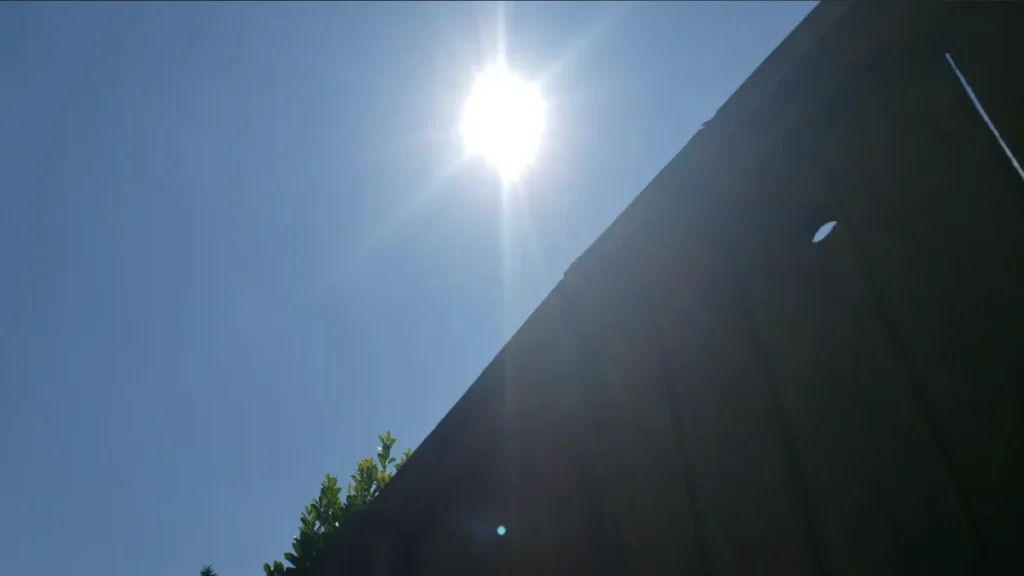
Measuring sunlight on a balcony can feel confusing at first. The sun moves throughout the day, nearby buildings cast shadows, and light often changes without warning. Many apartment gardeners struggle to tell whether their balcony gets “enough” sun or just bright daylight.
You can measure sunlight on a balcony by observing direct sun exposure over time, using simple shadow tracking, and matching sunlight hours to plant needs. You do not need special tools to do this. What matters most is understanding when direct sunlight actually hits your balcony, not how bright it looks.
When sunlight is misjudged, plants often grow slowly, stretch toward the light, or stop producing flowers and fruit. This can be frustrating, especially when watering and soil seem fine but growth still struggles.
This article explains practical ways to measure sunlight on a balcony, how to avoid common mistakes, and how to use what you observe to make better plant choices for your space.
Table of Contents
Understanding Sunlight on a Balcony
Balcony sunlight is different from garden sunlight. Walls, railings, neighbouring buildings, and roof overhangs all affect how light reaches your plants. Even a bright balcony can receive very little direct sun.
Sunlight on balconies usually arrives in blocks rather than full-day exposure. You might get strong sun in the morning, filtered light in the afternoon, or short bursts at specific times of the day. This is why counting real sun hours matters more than guessing based on brightness.
Weather and seasons also change how sunlight behaves. The same balcony can feel sunny in summer and shaded in winter, even though nothing around it has changed.
What Counts as Sunlight for Plants?
Plants respond to direct sunlight, not general daylight. Direct sunlight means the sun is shining directly onto the balcony surface or plant leaves, creating clear shadows.
Bright shade, reflected light, or indirect light through buildings still looks bright to us, but many plants do not treat it as usable sun. This is a common reason balcony plants struggle even when the space looks well-lit.
For most balcony plants, sunlight is measured in hours of direct sun per day, not total daylight hours.
How to Measure Sunlight on a Balcony Without Tools
The simplest way to measure sunlight is observation. This method works well and costs nothing.
Start by checking your balcony several times a day. Note when direct sunlight first appears and when it disappears. Do this over at least one full day, and ideally over several days.
Pay attention to where the sun hits. Some parts of a balcony receive sun while others stay shaded. Pots near railings often get more light than those near walls.
This method helps you understand not just how much sun you get, but where you get it.
Using Shadow Tracking to Measure Sunlight
Shadows are one of the easiest ways to confirm direct sunlight.
When the sun is directly hitting your balcony, objects will cast sharp, defined shadows. When shadows are soft or missing, the light is indirect.
You can place a simple object like a stick, pot, or chair in one spot and check its shadow at different times of the day. This makes sunlight changes easier to notice, especially on balconies with mixed light.
Over time, this helps you build a clear picture of your balcony’s true sun exposure.
Measuring Remaining Sunlight During the Day
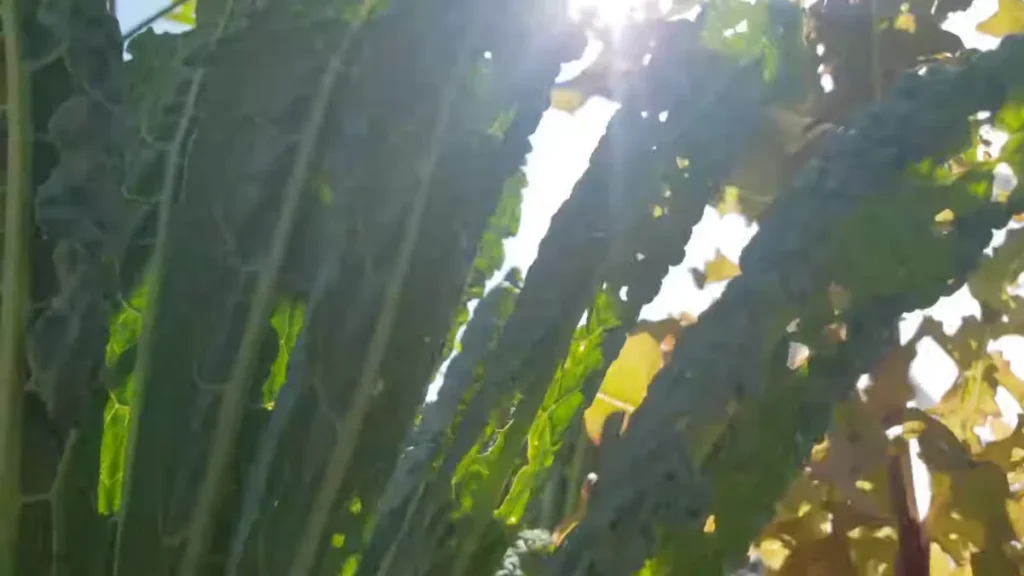
Many gardeners wonder how much sunlight is left in the day, especially when moving pots or planning watering.
A practical way to estimate remaining sunlight is to observe the sun’s direction and how shadows move across your balcony. When shadows begin stretching long and sunlight starts sliding off surfaces, direct sun is usually ending soon.
Balconies often lose sunlight earlier than expected because of nearby buildings or railings. This is why checking late afternoon light is just as important as checking the morning sun.
How to Calculate Sun Position on a Balcony
You do not need to calculate angles or use charts to understand sun position.
Instead, observe where the sun rises and sets in relation to your balcony. East-facing balconies get morning sun, west-facing balconies get afternoon sun, north-facing balconies get the longest exposure, and south-facing balconies usually receive limited direct sun.
These patterns stay fairly consistent, even though the exact sun angle shifts with seasons.
Understanding this helps explain why sunlight appears at certain times and disappears suddenly.
How to Judge Sunlight Intensity
Sunlight intensity on a balcony is influenced by height, reflection, and surrounding surfaces.
Strong sunlight usually feels warm on your skin and creates strong shadows. Softer light feels bright but does not heat surfaces as much.
Plants that need full sun usually require strong, direct exposure for several hours. Shade-tolerant plants handle lower intensity and shorter exposure better.
Intensity matters because short bursts of strong sun can sometimes support plants better than long periods of weak light.
Practical Tips for Tracking Balcony Sunlight
Once you start observing, a few habits make sunlight tracking easier:
- Check sunlight at the same times each day
- Take simple notes or photos to compare patterns
- Observe different seasons if possible
- Watch both the floor and the walls for sun movement
- Notice which areas stay shaded all day
These small steps make sunlight patterns much clearer over time.
Common Mistakes When Measuring Balcony Sunlight
Many balcony gardeners misjudge sunlight without realising it.
- Assuming brightness equals direct sun
- Checking sunlight only once during the day
- Ignoring seasonal changes
- Measuring only one spot on the balcony
- Relying on plant labels without matching sun hours
Avoiding these mistakes helps prevent poor plant placement and wasted effort.
Seasonal Sunlight Changes on Apartment Balconies
In Australia, sunlight shifts noticeably between seasons. The sun sits higher in summer and lower in winter, which changes how light enters balconies.
A balcony that gets strong summer sun may receive much less direct light in winter. This is normal and does not mean your setup is wrong.
Being aware of this helps explain why some plants slow down seasonally even when care stays the same.
The Balcony Haven Note
With a fairly typical apartment balcony, I’ve noticed that limitations like surrounding buildings and railings often matter more than how bright the space feels. Small changes in sun angle throughout the day can make a bigger difference than expected. This can vary from one balcony to the next depending on layout and environment.
If you want to go deeper into how sunlight affects plant choice, you may find plants for balconies with 2–4 hours sun especially helpful. This article focuses on what actually grows well when sunlight is limited and uneven.
Frequently Asked Questions
Is there a way to measure sunlight accurately?
Yes. The most reliable way is observing direct sunlight hours using shadow tracking over several days. This gives a realistic picture of usable sun for plants.
How do you measure remaining sunlight?
Watch how shadows move and shorten during the day. When shadows lengthen and slide off surfaces, direct sunlight is ending.
How do you calculate the sun position?
You do not need calculations. Understanding your balcony’s direction and observing daily sun movement is usually enough.
How do you measure sunlight intensity?
Intensity can be judged by shadow sharpness and surface warmth. Strong, direct sun creates clear shadows and warms surfaces quickly.
Final Thoughts
Measuring sunlight on a balcony does not require tools or technical knowledge. What matters most is taking time to notice when direct sunlight appears, how long it stays, and which parts of the balcony it reaches throughout the day.
Every balcony behaves differently. Nearby buildings, railing height, orientation, and seasonal sun angles all affect how light moves through the space. Once you understand your own sunlight pattern, plant choices become clearer, and small setbacks feel less frustrating because they make more sense.
Start by observing, not optimising. With time, your balcony will naturally reveal what it can support, helping you work with the space rather than against it.
Happy Balcony Gardening!
Leave a Reply