Overview
Living near the coast often sounds perfect for balcony gardening, but salt changes everything. Many balcony gardeners notice leaf burn, slow growth, or plants that simply stop thriving, even when watering and sunlight seem fine. Salt carried by sea air settles on leaves and soil, creating stress that most common plants are not built to handle.
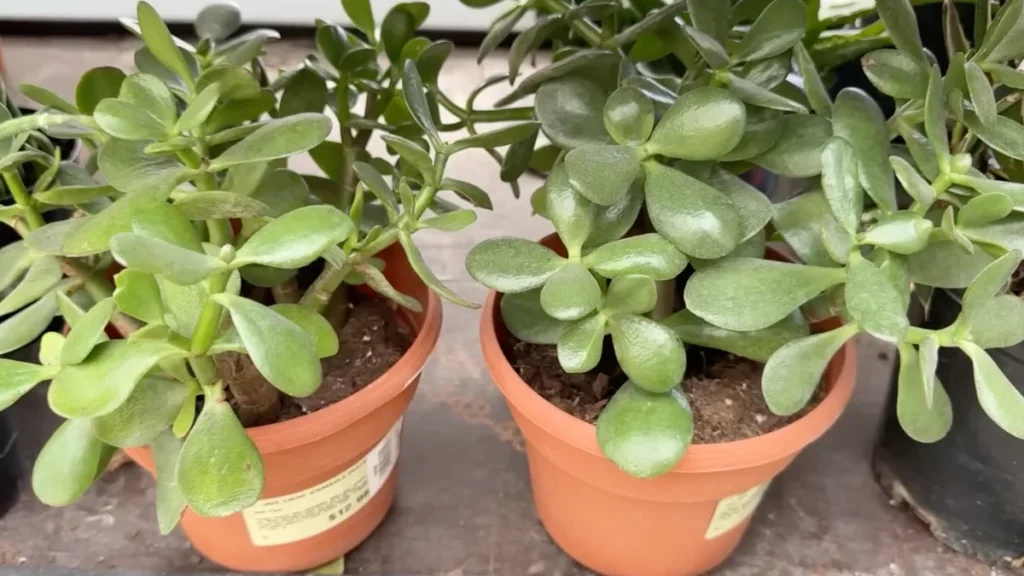
Plants for salty coastal balconies are those that tolerate salt spray, salty air, and mild salt build-up without breaking down. Common salt-tolerant balcony plants include succulents (such as jade plant and aloe), rosemary, lavender, thyme, chives, oleander (ornamental only), and coastal grasses or sedge varieties.
These plants have tougher leaves, lose water more slowly, and handle coastal exposure better than soft herbs or leafy greens.
When salt stress is ignored, plants often show brown leaf edges, patchy growth, or ongoing decline despite good care. This can feel frustrating, especially when nearby balconies seem to grow plants easily.
The good news is that coastal balcony problems are rarely about skill. They are mostly about plant choice. Once you understand which plants naturally cope with salt exposure, balcony gardening near the ocean becomes much simpler and more enjoyable.
Table of Contents
Understanding the Reality of Coastal Balconies
Coastal balconies face a mix of conditions that do not appear extreme at first glance. Salt travels through the air, settles on surfaces, and builds up over time in potting soil. Wind often increases this exposure, pushing salty air directly onto leaves and containers.
Sunlight can also behave differently near the coast. Reflected light from water and buildings may increase leaf stress, while wind dries pots faster than expected. Weight limits and drainage restrictions in apartments add another layer of challenge, especially when flushing salt from containers.
Because of this, coastal balcony gardening works best when plants are matched to the environment rather than forcing delicate varieties to adapt.
Why Salt Is Hard on Most Balcony Plants
Salt affects plants in two main ways. First, salt sitting on leaves pulls moisture out of plant tissue, leading to burnt edges and dry patches. Second, salt in soil interferes with how roots absorb water and nutrients.
In containers, this effect happens faster because there is limited soil volume. Salt does not easily wash away unless there is strong drainage and occasional flushing. Over time, sensitive plants struggle to keep up, even if they look healthy at first.
Plants That Handle Salty Coastal Balconies Best
Some plants naturally evolved in coastal or dry environments and are far more tolerant of salt exposure. These tend to perform consistently on balconies near the ocean.
Hardy Ornamental Plants
These plants are often grown for structure and greenery rather than food, and many cope well with salt in the air.
- Succulents such as jade plant, aloe.
- Rosemary and lavender
- Oleander (ornamental only)
- Coastal grasses and sedge varieties
They usually have thick or narrow leaves that reduce moisture loss and limit salt damage.
Edible Plants That Cope Better With Salt
Edible plants are often more sensitive, but a few perform reasonably well when conditions are right.
- Rosemary
- Thyme
- Chives
- Beetroot (short-term crops)
Leafy greens and soft herbs tend to struggle unless they are well protected from direct salt spray.
Salt Tolerance Comparison for Balcony Plants
This table helps clarify which plants cope better in salty coastal conditions.
| Plant Type | Salt Tolerance | Balcony Suitability |
|---|---|---|
| Succulents | High | Very suitable |
| Rosemary & Lavender | High | Very suitable |
| Chives | Medium | Suitable |
| Leafy Greens | Low | Limited |
| Basil | Low | Poor |
A table is useful here because salt tolerance is not always obvious from plant labels.
Do All Coastal Balconies Have the Same Salt Levels?
No. Salt exposure varies depending on distance from the ocean, wind direction, balcony height, and nearby buildings. Some balconies receive constant salt spray, while others experience only light exposure during storms or strong winds.
This is why the same plant may thrive on one coastal balcony and fail on another only a few floors away.
Practical Ways to Reduce Salt Stress on Balconies
Even salt-tolerant plants benefit from small adjustments that reduce long-term stress.
- Use free-draining potting mix to prevent salt build-up
- Rinse leaves gently after heavy coastal winds
- Avoid shallow containers that concentrate salt quickly
- Place sensitive plants further back from open railings
These steps help, but they work best when paired with suitable plant choices.
Common Mistakes With Coastal Balcony Plants
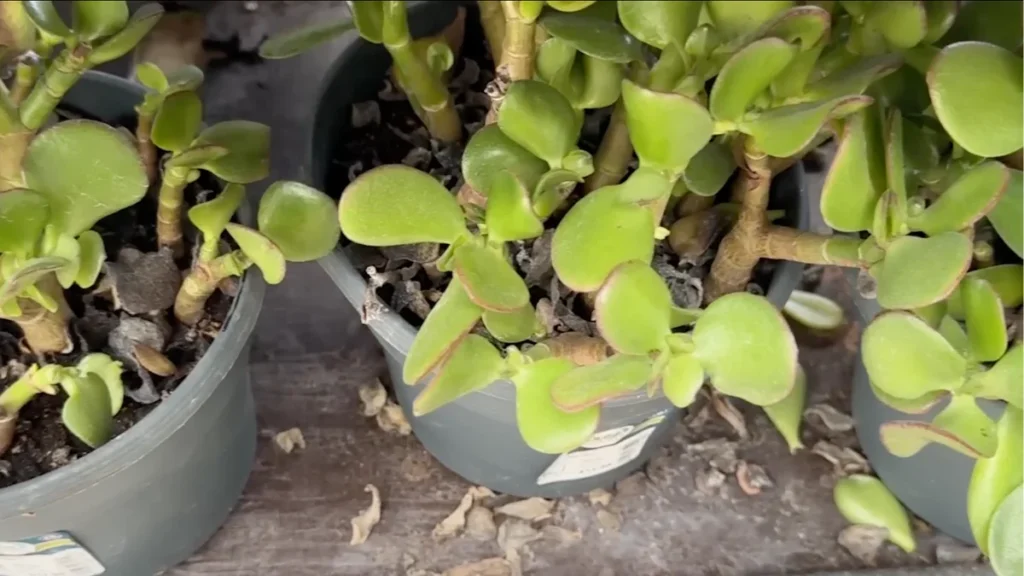
Many problems come from expectations rather than effort.
- Growing soft herbs like basil in exposed positions
- Using small pots that trap salt
- Assuming poor growth is caused by watering mistakes
- Ignoring salt build-up on leaves
Recognising these patterns early saves time and frustration.
Coastal Conditions in Australia
Australian coastal balconies often experience strong winds, bright sun, and dry air combined with salt exposure. Summer heat can intensify salt stress, especially on west-facing or high-rise balconies.
Because seasons are more extreme, choosing resilient plants matters even more than fertilising or frequent watering.
Balcony Haven Note
With a coastal balcony, I’ve found that salty air, wind exposure, and pot conditions often shape plant health more than the type of plant itself. Small, realistic adjustments tend to matter more than trying to create perfect growing conditions. This can vary from one balcony to another.
If wind is also a challenge on your balcony, you may find What are the best plants for a windy balcony especially helpful. This post explains how wind exposure affects plant health and which plants cope better in exposed apartment spaces.
Frequently Asked Questions
Which plants can survive extremely saline conditions?
Plants with thick leaves or natural coastal origins survive best. Succulents, rosemary, lavender, and some ornamental shrubs tolerate salty air far better than soft herbs or leafy vegetables.
What plants are good for salty areas?
Good options include succulents, rosemary, thyme, chives, and certain native coastal plants. These plants handle salt exposure without constant decline.
Are there low-maintenance plants for coastal balconies?
Yes. Salt-tolerant plants are usually lower maintenance because they require fewer corrections. Succulents and woody herbs are among the easiest choices.
What are plants that can tolerate salt called?
Plants that tolerate salt are often called salt-tolerant or halophytic plants. While not all balcony plants fall into this category, many coastal-friendly plants share similar traits.
Final Thoughts
Salty coastal balconies are not impossible places to grow plants, but they do behave differently from inland spaces. Salt in the air, stronger wind, and faster drying pots all affect how plants grow, even when sunlight and watering seem fine. Many struggles come from using plants that are simply not suited to coastal exposure.
Choosing plants that naturally tolerate salt, such as tougher herbs, succulents, and coastal-friendly varieties, removes much of that stress. These plants cope better with salt spray, lose moisture more slowly, and stay stable in containers where salt can build up over time.
Start with resilient varieties, observe how your balcony responds to wind and salt, and adjust gradually. Every coastal balcony behaves differently, and progress usually comes from working with those conditions rather than trying to force plants to grow outside their comfort zone.
Happy Balcony Gardening!
Leave a Reply