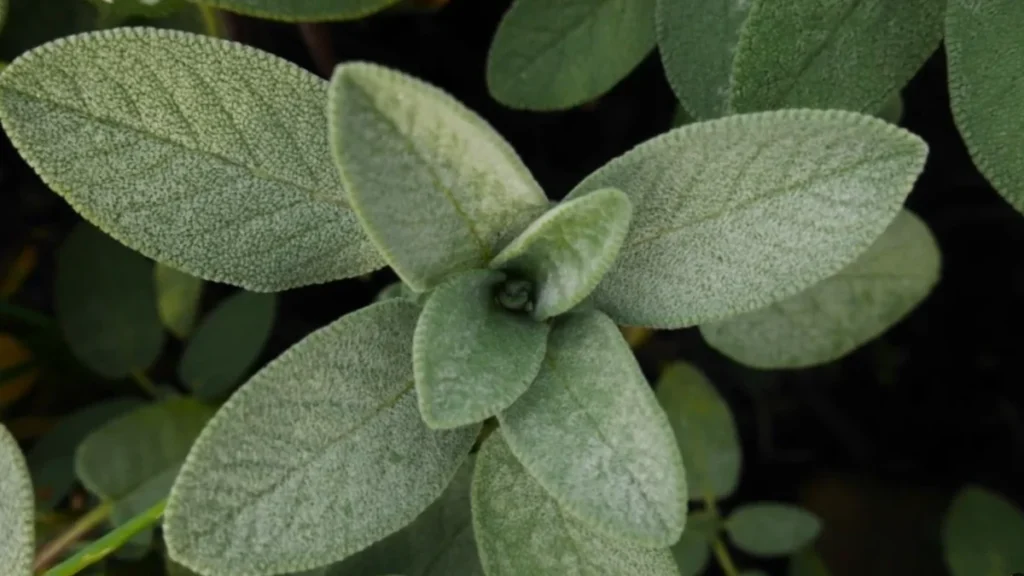
Winter is when many balcony herb gardens quietly fail — not because it’s too cold, but because balconies behave very differently from ground gardens. Pots cool faster, wind strips moisture, and concrete surfaces trap cold overnight. Herbs that survive winter outdoors aren’t just “cold-hardy” — they’re structure-hardy. So what herbs can be left outside in winter?
Herbs that can usually be left outside in winter on a balcony include rosemary, thyme, sage, chives, and bay. These herbs handle cold better because they grow slowly and don’t need constant moisture, unlike softer herbs such as basil or coriander, which often struggle outdoors in winter pots.
This guide helps you understand which herbs genuinely cope with winter balconies, why some struggle even if labels say “hardy,” and how to tell the difference between a sleeping herb and a dying one. It won’t cover indoor growing or grow lights — this is strictly about what can stay outside without drama.
Table of Contents
Balcony-Specific Winter Constraints You Can’t Ignore
Balconies create a strange microclimate that winter gardening books rarely address.
Pots lose heat from all sides, not just the surface. Wind flows underneath and around containers, pulling warmth away even on sunny days. At night, tiles and concrete release cold slowly, keeping roots chilled long after the air warms up.
This is why two balconies in the same building can have completely different winter outcomes — and why winter survival depends as much on pot behaviour as plant genetics.
Herbs That Can Stay Outside All Winter (If the Balcony Allows It)
These herbs don’t just tolerate cold — they tolerate slow growth, firm roots, and low water use, which matters more on balconies.
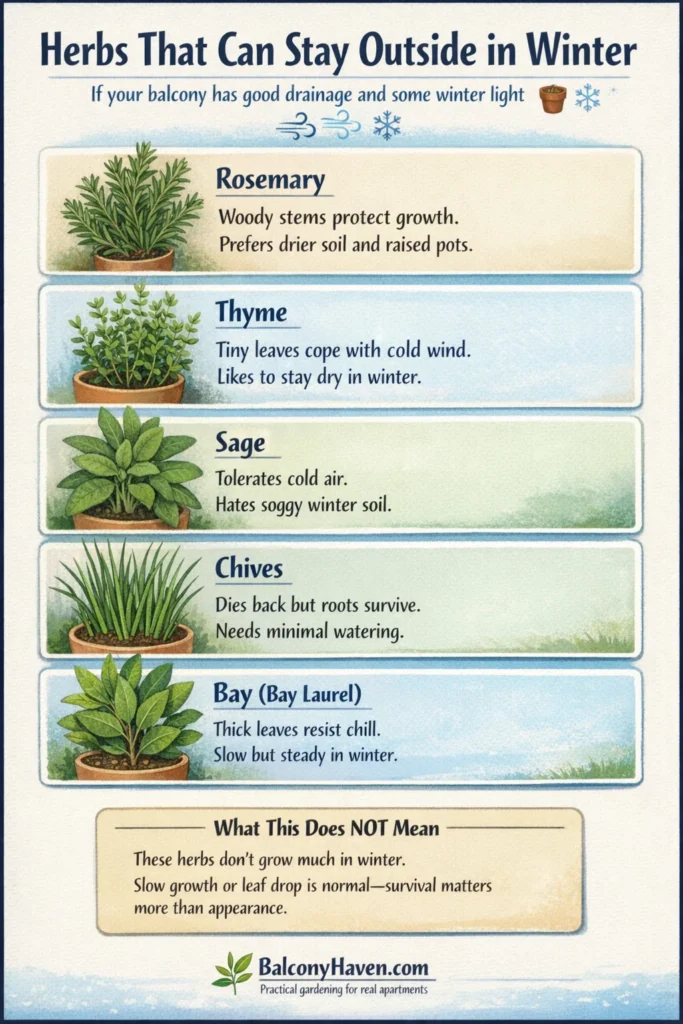
Rosemary (The Balcony Survivor)
Rosemary handles winter well because it treats cold as a pause, not a threat. Its woody stems protect inner growth, and its narrow leaves lose very little moisture.
On balconies, rosemary survives winter best when:
- Pots are slightly raised off cold tiles
- Soil drains freely and never stays soggy
- Plants receive at least a few hours of winter sun
This is why rosemary often outlives softer herbs even on exposed balconies.
Thyme (Small Leaves, Big Advantage)
Thyme’s tiny leaves are a secret weapon. Less leaf surface means less cold stress and less water loss.
It naturally grows low and compact, making it less vulnerable to winter wind than taller herbs. On balconies, thyme does best when left alone — overwatering in winter is its biggest enemy.
Sage (Cold-Tolerant but Root-Sensitive)
Sage handles cold air well but dislikes wet roots. On balconies, winter rain combined with slow evaporation can be more dangerous than frost.
If sage is in a pot that drains quickly and isn’t oversized, it can stay outside all winter without trouble.
Chives (Disappear… Then Return)
Chives often confuse balcony gardeners because they seem to die back completely.
What’s really happening is dormancy. The leaves retreat, but the roots stay alive. On balconies, chives can remain outdoors all winter as long as:
- The pot doesn’t freeze solid
- Watering is minimal
Come spring, they reappear quietly — no rescue required.
Bay Laurel (Slow but Steady)
Bay is surprisingly winter-tough in pots. Its thick, leathery leaves resist cold wind well.
Growth will slow dramatically, but as long as roots stay dry and the pot isn’t waterlogged, bay can remain outside year-round on most balconies.
Herbs That Struggle Outdoors on Balconies in Winter
These herbs aren’t weak — they’re just built for warmth and fast growth, which winter balconies don’t provide.
- Basil
- Coriander (cilantro)
- Parsley (especially in shallow pots)
They suffer not just from cold, but from root slowdown + moisture buildup, which often leads to rot before frost ever does.
If you’ve grown basil before, you may recognise this pattern from warmer months too — it’s explored more deeply in Basil Growing Tips for Shaded Balcony, where slow root activity causes similar stress in low-energy conditions. Published Articles
How Pot Choice Decides Winter Survival (More Than Temperature)
On balconies, the pot is as important as the plant.
Thick-walled pots buffer cold better than thin plastic ones. Slightly snug pots warm up faster than oversized containers filled with cold, wet soil. Elevating pots a few centimetres improves airflow and prevents cold soak from tiles.
If your winter herbs struggle despite “hardy” labels, the real issue is often container behaviour, not cold tolerance.
This connects closely with how soil drains and dries in winter — a problem unpacked in Best Soil Mix for Balcony Herb Gardens, which explains why winter watering mistakes are so common. Published Articles
Practical Tips That Actually Help Winter Herbs on Balconies
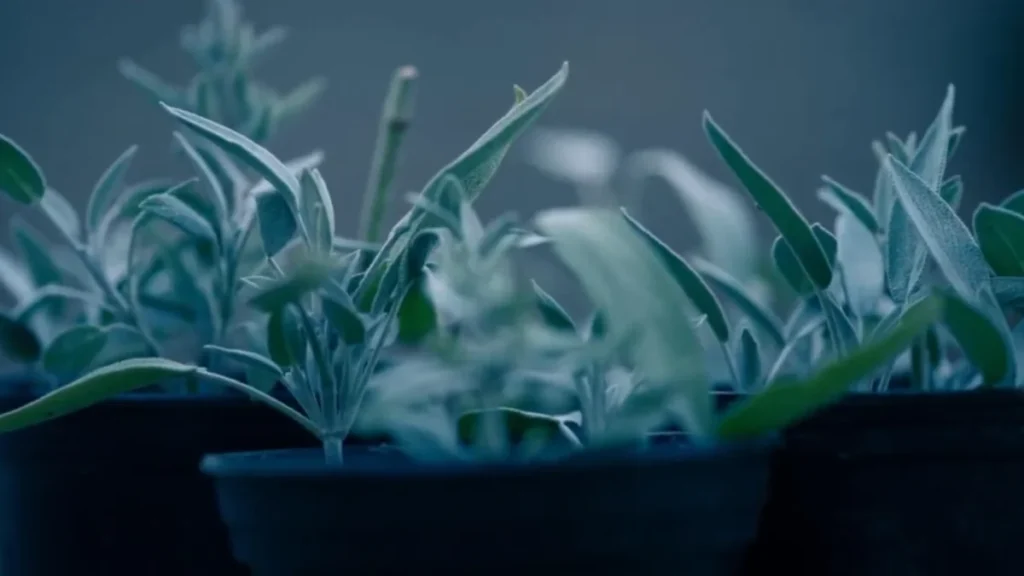
Winter success is more about restraint than protection.
- Water far less than you think — cold soil dries slowly
- Let herbs lean slightly dormant instead of forcing growth
- Group pots together to reduce wind exposure
- Avoid fertilising until new spring growth appears
- Accept yellowing or leaf drop as part of dormancy
Healthy winter herbs look “boring,” not lush.
Common Winter Balcony Mistakes
Many winter failures come from doing too much.
- Watering on a schedule instead of checking soil
- Moving pots indoors and outdoors repeatedly
- Using deep saucers that trap cold water
- Treating dormancy as decline
Winter is a resting season, not a performance test.
Balcony Haven Note
On my own balcony, the herbs that survive winter best are always the ones I forget about a little. When I stop watering constantly and let them slow down, they quietly hold on until spring.
If your balcony tends to run cooler or feels shaded most of the day, it’s worth comparing conditions with Plants for cold south-facing balconies. Many winter herb “failures” turn out to be light and surface temperature issues rather than cold alone.
Frequently Asked Questions
Can herbs survive frost on a balcony?
Some can, but frost usually isn’t the main problem. Cold, wet soil causes more damage than brief cold snaps.
Should I cover herbs at night?
Usually no. Covering traps moisture, which can make roots colder and wetter by morning. On balconies, steady airflow is often safer than insulation, especially when pots are exposed to overnight condensation.
Do herbs need winter sun?
Yes — even low winter light helps roots stay active enough to avoid rot. A few hours of gentle sun also warms the pot surface during the day, helping soil dry slightly before temperatures drop again at night.
Is it better to bring herbs inside?
Only if your balcony freezes solid. Otherwise, stable outdoor conditions are often safer than warm-cold swings indoors.
Final Thoughts
Winter balcony herbs don’t survive because they’re tough — they survive because they’re patient.
When you choose herbs that tolerate slow growth, firm roots, and minimal care, winter becomes a quiet pause instead of a battle. Letting herbs rest outdoors often leads to stronger, faster regrowth when spring returns.
A calm winter is usually the best gift you can give your balcony garden.
Happy Balcony Gardening!
Leave a Reply