Morning sun is often described as gentle, but on a balcony it doesn’t always feel simple. One side of the balcony might receive a few hours of soft light, while another stays shaded by walls or nearby buildings. This leaves many balcony gardeners wondering whether their plants are getting enough sun, or whether even that early light might still be too much — so what potted plants like morning sun?
Potted plants that like morning sun include leafy greens, many herbs, shade-tolerant flowers, and some compact edible plants. These plants benefit from gentle early light that supports growth without overheating pots or stressing roots later in the day, which makes them well suited to apartment balconies.
This guide explains which potted plants genuinely like morning sun, why they cope well with it on balconies, and how to choose plants that match apartment conditions rather than open gardens. The focus is on realistic setups, low stress for plants, and choices that work in containers.
Table of Contents
Why Morning Sun Works Differently on Balconies
On balconies, sunlight behaves very differently compared to garden beds. Buildings block and reflect light, railings trap warmth, and pots heat up much faster than soil in the ground. Morning sun is cooler than afternoon sun, but it can still dry soil quickly if airflow is limited.
Plants that prefer morning sun tend to use early light efficiently. They photosynthesise while temperatures are mild and then slow down as the day warms. This pattern suits balconies well, where heat can build up quickly later in the day.
Balcony-Specific Constraints That Shape Plant Choice
Balcony gardening always comes with limits, and these limits affect how plants experience morning sun. Most balconies receive sunlight for shorter periods than expected because of surrounding structures. Wind exposure can dry pots early in the day, while containers themselves heat up faster than garden soil.
Drainage also plays a bigger role. Excess water cannot escape as easily, and roots have less room to regulate temperature. These constraints explain why some plants thrive with morning sun on balconies while others struggle, even if garden advice says they should cope.
Potted plants for morning sun

Leafy Greens That Prefer Gentle Morning Light
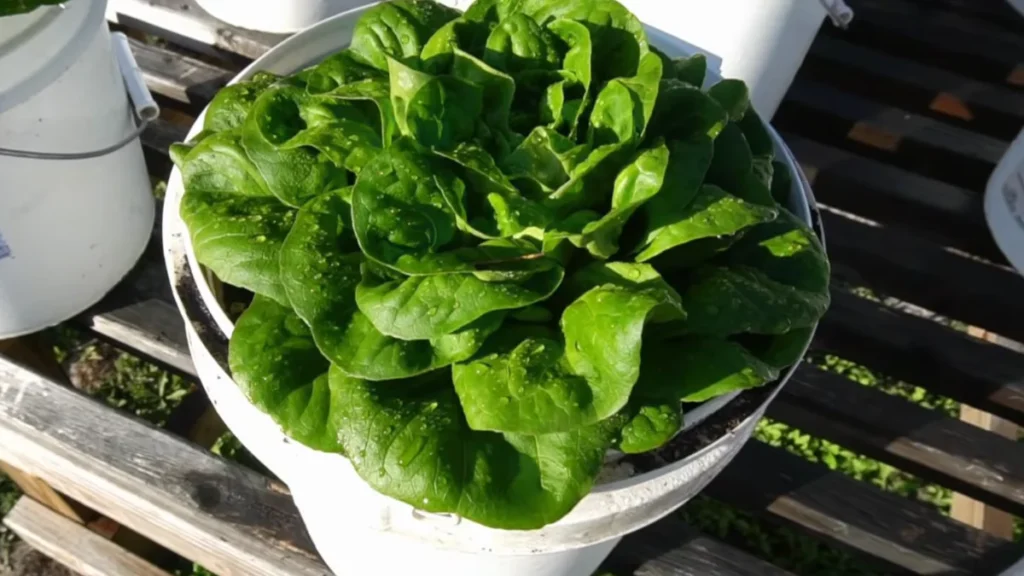
Leafy greens are among the most reliable plants for morning sun balconies. They benefit from early light but are sensitive to strong afternoon heat, especially in pots.
Plants like lettuce, spinach, rocket, and Asian greens grow steadily when they receive two to four hours of morning sun followed by shade. On balconies, this light balance helps them stay tender rather than bolting or wilting. They are also fast growers, which makes them rewarding for beginners and easy for children to observe as they change day by day.
Herbs That Enjoy Morning Warmth Without Heat Stress
Many common herbs naturally prefer bright mornings and calmer afternoons. Morning sun helps dry moisture from leaves, strengthens stems, and supports steady growth without stressing roots.
Basil, coriander, parsley, and chives all do well in containers that receive early light and then partial shade later. On balconies with humidity or limited airflow, spacing pots slightly apart often matters more than increasing sun exposure. Herbs generally cope better when conditions stay balanced rather than intense.
Flowering Plants That Bloom Best in Soft Sun
Not all flowering plants need strong sunlight to bloom. Some actually perform better when mornings are bright and afternoons are cooler.
Begonias, impatiens, torenia, and fuchsias are good examples of flowers that prefer morning sun. On balconies, these plants often stay healthier and flower longer when protected from harsh afternoon exposure. Their roots remain cooler, and their leaves are less likely to scorch.
Edible and Fruit Plants That Can Handle Morning Sun
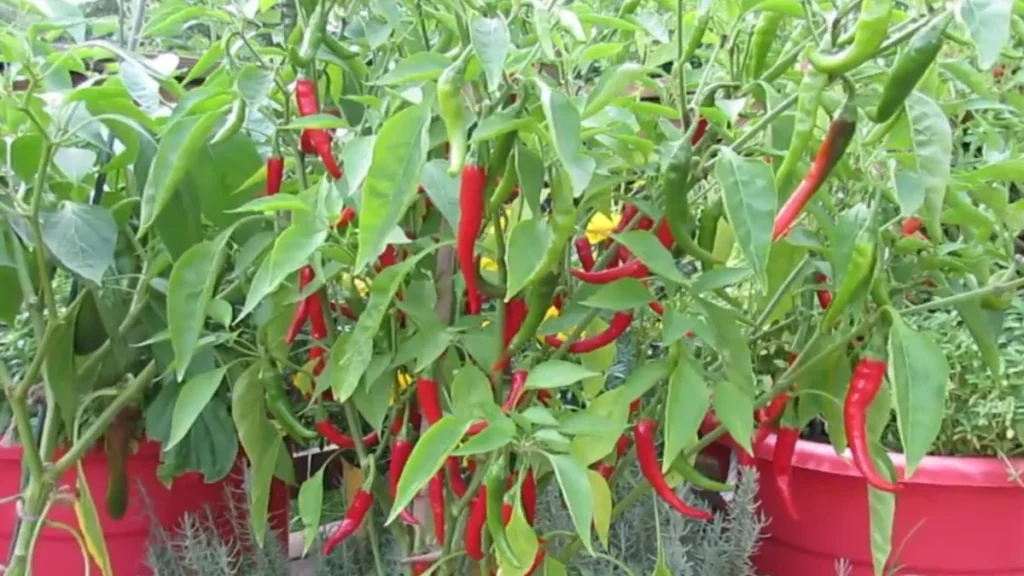
Some edible plants enjoy morning sun as long as their containers are large enough and their roots stay cool. Strawberries, dwarf chillies, and compact tomato varieties can grow well with early light, especially if airflow is good.
On balconies, these plants usually benefit from shade later in the day. Without protection, even fruiting plants that like sun can become stressed once heat reflects off walls and floors.
How Balcony Size and Layout Change the Outcome
The same morning sun can feel very different depending on balcony layout. Small balconies often trap heat near walls, which means leafy greens and herbs tend to cope better than fruiting plants. Larger or more open balconies usually allow more airflow, making it easier to grow a wider mix of plants.
East-facing balconies are ideal for morning sun plants because light arrives early and fades naturally. Balconies that only receive brief morning light are best suited to greens and shade-tolerant flowers rather than crops that demand high energy.
Practical Tips for Success
Morning sun plants still need the right setup to thrive:
- Use light-coloured pots to reduce heat buildup
- Water early so soil stays cool longer
- Avoid overcrowding pots
- Choose containers with proper drainage
- Rotate pots occasionally to balance growth
Each of these helps plants use morning light efficiently without overheating later.
Common Mistakes to Avoid
Many balcony gardeners lose plants not because of sun, but because of small setup issues:
- Treating morning sun as “full sun”
- Using pots that are too small
- Letting soil dry out too fast
- Ignoring wind exposure
- Copying garden advice meant for ground planting
Balcony plants need gentler, more flexible care.
Seasonal Considerations
Morning sun is ideal during spring and autumn, when temperatures stay moderate. In summer, reflected heat from concrete and glass can make even early sunlight feel intense. During hotter months, shifting pots slightly away from railings or adding light shade can help.
In cooler seasons, morning sun becomes especially valuable. It gently warms soil and encourages growth without overwhelming plants.
Balcony Haven Note
From observing my east-facing balcony over time, I’ve noticed that plants receiving morning sun tend to grow steadily rather than quickly. They stay compact, keep their colour, and rarely look stressed, even when weather or temperatures shift. It’s been a good reminder that on balconies, balanced light and calmer conditions often matter more than chasing extra hours of sun.
If you’re working with similar light, Best plants for east facing balconies explores plant choices that consistently cope well with this kind of gentle morning exposure. It helps narrow things down when you want plants that suit east-facing light patterns without constant adjustment or guesswork.
Frequently Asked Questions
Is morning sun enough for potted plants?
For many leafy greens, herbs, and flowers, morning sun is more than enough. Fruiting plants may need extra care, especially in small pots where roots heat up quickly later in the day.
How many hours of morning sun is ideal?
Most morning sun plants do well with around two to four hours before midday, as this gives them enough light to grow without causing heat stress in containers.
Can vegetables grow with only morning sun?
Leafy vegetables usually grow well. Fruiting vegetables need careful variety selection and good pot size, otherwise they may grow leaves but struggle to produce fruit.
Do morning sun plants still need shade?
During warmer months, most benefit from some afternoon protection, particularly on balconies with concrete floors or reflective walls that trap heat.
Final Thoughts
Morning sun is one of the easiest light conditions to work with on a balcony. Potted plants that like morning sun—such as leafy greens, many herbs, and shade-tolerant flowers—benefit from gentle early light without the heat stress that often builds later in the day.
By choosing plants that match this light pattern and setting them up with the right pots, spacing, and watering habits, balcony gardening becomes more predictable and less demanding. In most cases, steady growth and healthy plants come from balance, not from trying to maximise sun exposure.
Happy Balcony Gardening!
Leave a Reply