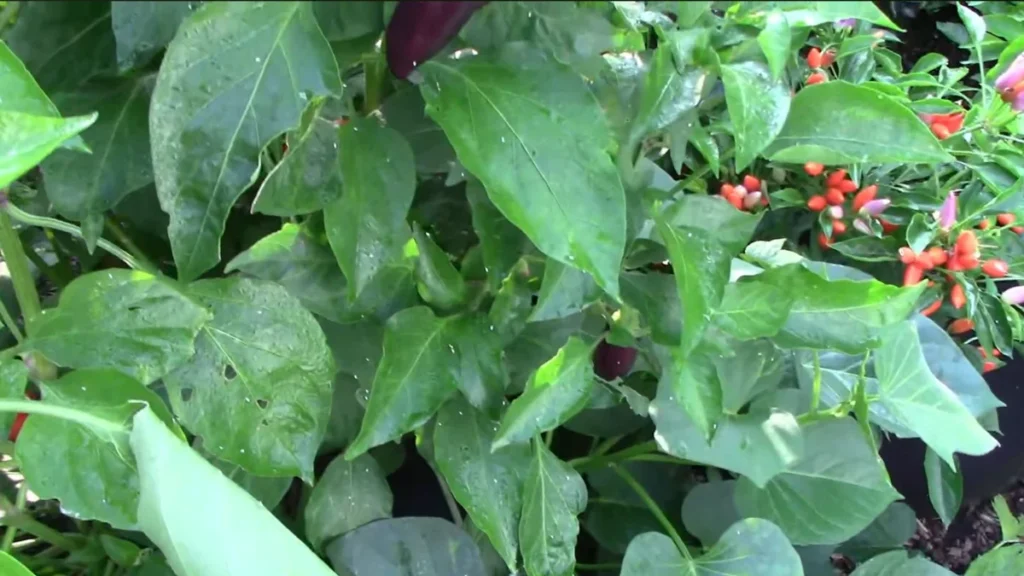
What Are the White Bugs on Balcony Chilli Plants?
Seeing tiny white bugs crawling on your balcony chilli plants can be alarming — especially when the leaves start curling, turning pale, or feeling sticky to the touch. Many apartment growers notice this problem suddenly, even when their plants were thriving just days earlier.
White bugs on balcony chilli plants are most commonly aphids, whiteflies, or mealybugs. They thrive in warm, sheltered balcony conditions and feed on plant sap. Early treatment with gentle sprays, airflow improvement, and regular leaf checks usually removes them completely.
In most cases, white bugs on balcony chilli plants are sap-sucking pests, attracted by warm conditions, limited airflow, and soft new growth. The good news is that these infestations are common in balconies and usually easy to control once identified early.
Left untreated, these pests weaken chilli plants by draining nutrients, slowing fruit production, and encouraging mould growth. Over time, even healthy plants can struggle to recover if the infestation spreads across stems and leaf joints.
The key thing to remember is this: white bugs are not a sign you’re bad at gardening. They’re a balcony-specific issue caused by environment, not effort. This guide will help you identify what the bugs are, why they appear, and how to remove them safely without harming your chillies.
Table of Contents
Understanding the Balcony Reality
Balcony chilli plants grow in a very different environment compared to garden beds. They receive concentrated heat from walls and concrete, less airflow, and often grow closer together in pots. These conditions are comfortable for chillies — but unfortunately, they’re also perfect for pests.
Unlike open gardens where wind, rain, and natural predators help control insects, balconies act like sheltered micro-climates. Once a few pests arrive, they can multiply quickly without disturbance. This is why white bugs often appear suddenly and seem to spread overnight.
Identifying the White Bugs on Your Chilli Plant
Correct identification matters, because different pests behave slightly differently — even if the treatment is similar.
Aphids (Most Common)
Aphids are small, soft-bodied insects that cluster on new growth, stems, and leaf undersides. They may appear white, pale green, or translucent and often leave behind sticky residue.
Whiteflies
Whiteflies resemble tiny white moths. When you disturb the plant, they flutter upward briefly before settling again. Their eggs and larvae live underneath leaves, where damage often starts unnoticed.
Mealybugs
Mealybugs look like white cottony clumps, usually hiding in leaf joints or where stems meet branches. They move slowly but are persistent once established.
Why White Bugs Love Balcony Chilli Plants
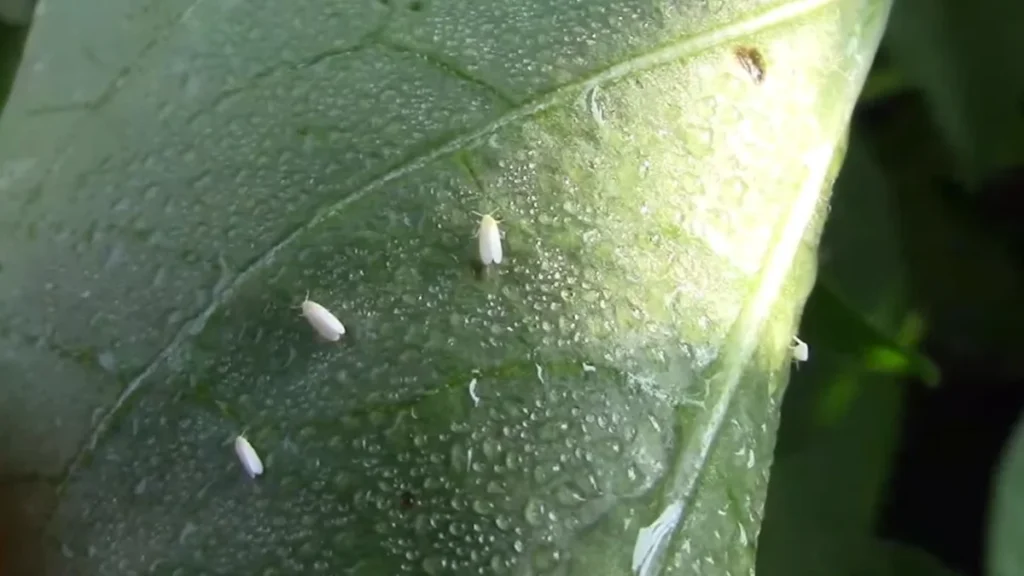
White bugs are drawn to balcony chilli plants primarily because of the way these plants grow in containers. Chillies produce soft, nutrient-rich new growth when they’re watered and fed regularly, which is common in balconies where soil dries faster than garden beds. This tender growth is easier for sap-sucking insects to pierce, making chilli plants an ideal food source.
Balcony environments also remove many of the natural controls that exist in open gardens. Reduced airflow means pests aren’t disturbed as often, while surrounding walls and railings trap warmth — creating a stable, sheltered micro-climate where insects can reproduce quickly. Without wind or rain to knock them off leaves, small infestations can grow unnoticed.
Plants placed close together further increase the risk. When leaves touch, pests can move between plants without needing to fly, spreading rapidly across your balcony collection. Once established, white bugs feed continuously, weakening the plant over time unless their cycle is broken early through airflow, inspection, or treatment.
How to Get Rid of White Bugs on Balcony Chilli Plants
Start gently. Most infestations don’t require harsh chemicals.
- Rinse leaves (especially undersides) with a firm water spray every few days
- Wipe visible bugs off with a damp cloth
- Apply diluted neem oil or mild soap spray in the evening
- Isolate affected plants temporarily to prevent spread
- Remove heavily infested leaves if needed
Consistency matters more than strength. Repeating mild treatments every few days works better than a single aggressive spray.
Do White Bugs Harm Chilli Fruit?
Yes — but usually indirectly rather than by damaging the fruit itself. White bugs feed on the sap inside leaves and young stems, which is where chilli plants store and transport energy. When that energy is constantly drained, the plant has less capacity to support flowering and fruit development.
Over time, this stress shows up as fewer flowers, buds that drop before opening, and chillies that grow smaller or take longer to ripen. In severe cases, plants may prioritise survival over fruiting altogether, resulting in long gaps with little or no harvest.
Another issue is the sticky residue, known as honeydew, that many white bugs leave behind. This sugary coating encourages sooty mould to grow on leaf surfaces. While the mould itself doesn’t infect the plant, it blocks sunlight from reaching the leaves, reducing photosynthesis and slowing overall growth even further.
The good news is that once white bugs are brought under control, chilli plants often recover well. New growth usually returns clean, flowering improves, and fruit size gradually returns to normal — especially when infestations are caught early.
Common Balcony Mistakes That Encourage White Bugs
Even experienced growers make these mistakes on balconies:
- Over-fertilising, which creates soft growth pests love
- Crowding plants too closely together
- Ignoring leaf undersides during checks
- Treating too late, after pests spread across the plant
Catching the problem early makes control simple.
Balcony Haven Note
With white bugs on balcony chilli plants, the problem often seems tied to the space rather than to neglect. On balconies, small changes in airflow and routine checks can make pests easier to spot early. After dealing with an initial outbreak, many growers become more aware of leaf undersides and plant health in general. That awareness alone often means the same issue doesn’t come back as easily.
FAQs
What are the little white bugs on my chilli plants?
They are most commonly aphids, whiteflies, or mealybugs feeding on plant sap. These pests usually gather on the undersides of leaves, soft new growth, and stem joints where the plant tissue is easiest to pierce. Early signs often include curled leaves, pale growth, or a sticky surface on leaves before the bugs themselves are noticed.
How do I get rid of bugs on my chilli plant?
Start with gentle, repeatable methods rather than harsh treatments. Regularly spraying the plant with water helps dislodge pests, especially from leaf undersides. Neem oil or mild soap sprays work best when applied in the evening and repeated every few days. Removing heavily infested leaves early prevents the problem from spreading further.
How do I get rid of little white bugs on tomato plants?
The treatment is the same as for chillies because tomatoes attract the same sap-sucking pests under similar conditions. Check leaf undersides frequently, improve airflow, and use gentle sprays consistently. Treating early is especially important with tomatoes, as pests can spread quickly between plants in containers.
How to get rid of mealybugs on chilli plants?
Mealybugs need a slightly more hands-on approach. Visible white clumps should be removed manually using a damp cloth or cotton bud, as sprays alone often don’t penetrate their waxy coating. Follow up with neem oil applications every few days to stop any remaining insects from returning.
Final Thoughts
White bugs on balcony chilli plants can feel discouraging at first, especially when they appear suddenly on otherwise healthy plants. The important thing to remember is that these pests are a common side effect of balcony conditions, not a sign that something has gone wrong. Warmth, shelter, and soft growth simply make balconies attractive to insects.
With regular leaf checks, gentle treatments, and small adjustments like improving airflow or spacing plants out, most infestations are easy to bring under control. Chilli plants are resilient, and once the pest cycle is broken, they often recover quickly with cleaner growth and improved flowering.
Balcony gardening is a learning process shaped by your specific space. As you become familiar with how pests behave in your environment, managing them becomes less reactive and more routine. Over time, these small lessons build confidence — turning problems like white bugs into just another manageable part of growing food on a balcony.
Happy Balcony Gardening!
Leave a Reply