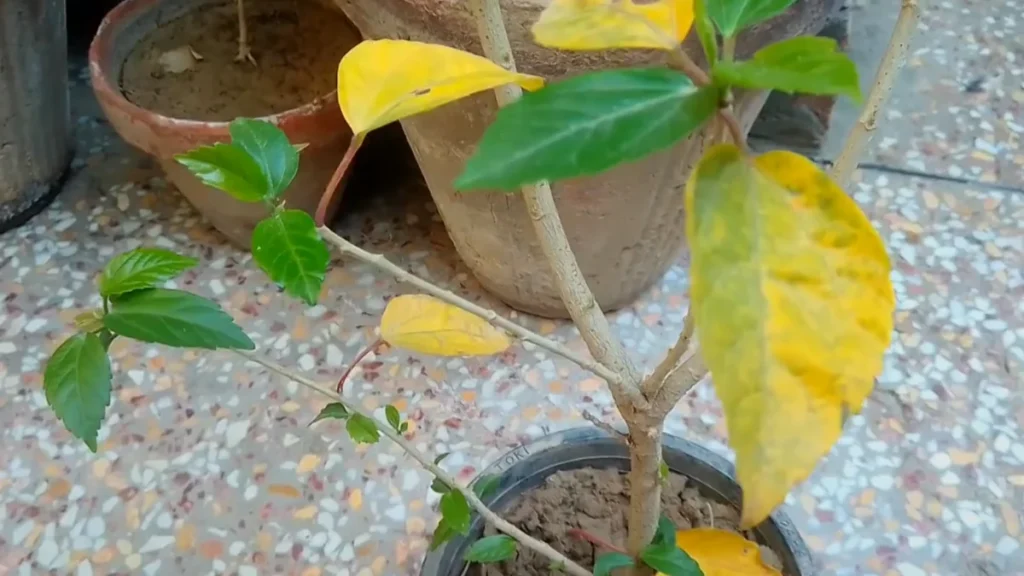
When plants start losing their colour on a shaded balcony, it can feel confusing and frustrating. The leaves are still there, and the plant may even be growing, but the rich green colour slowly fades into something pale, dull, or slightly yellow. This often happens even when watering feels right and nothing seems obviously wrong. So why are my plants losing their color on a shaded balcony?
Plants on shaded balconies usually lose colour because limited, angled light reduces how much chlorophyll the leaves can produce. Instead of failing, the plant is adjusting by spreading its energy over larger leaves, which makes the colour appear lighter even when the plant is still healthy.
This issue is especially common in apartments where sunlight is blocked by walls, railings, or nearby buildings. Shade on a balcony behaves very differently from shade in a garden, and what looks like a nutrient problem is often a light-related response. In this article, we’ll explore why this happens and how balcony conditions quietly shape plant health — so you can make calmer, more confident decisions for your space.
Table of Contents
Why shaded balconies affect plant colour differently
On a balcony, shade is usually solid and fixed. Walls, ceilings, nearby buildings, and railings block light from the sides as well as from above. Unlike garden shade, where light filters through trees and changes throughout the day, balcony shade often stays the same from morning to evening.
Plants rely on light not just to grow, but to maintain colour. When light becomes limited and predictable, plants change how they use their energy. Instead of producing deep green leaves, they spread their resources across larger, thinner leaves to catch as much light as possible. This makes the colour appear lighter, even though the plant may still be alive and functioning.
Your eyes may tell you the balcony is bright, but plants respond to usable light, not brightness. Reflected light, angle, and duration matter far more than how sunny the space feels.
What leaf colour is actually telling you
Leaf colour is a quiet signal, not a warning alarm. When a plant starts losing colour, it is often adjusting rather than failing.
Green colour comes from chlorophyll, which plants produce using energy from light. In shaded conditions, plants make chlorophyll more slowly and distribute it over a larger leaf surface. This causes the green to look diluted. It’s similar to spreading the same amount of paint over a bigger canvas — the colour becomes lighter.
This is why new leaves on shaded balconies often appear paler than older ones. The plant is prioritising leaf size and reach over colour richness. It’s trying to survive with what it has.
Why this is often mistaken for a nutrient problem
Many balcony gardeners assume pale leaves mean the plant needs feeding. While nutrients are important, adding fertiliser doesn’t always solve colour loss in shaded spaces.
| What gardeners often assume | What’s actually happening |
|---|---|
| Pale leaves mean low nutrients | Pale leaves are usually caused by limited light |
| More fertiliser will fix colour | Extra nutrients can’t be used without enough light |
| Feeding helps stressed plants | Overfeeding can stress roots in low light |
| Colour loss means poor care | Colour change is often a normal adjustment |
In low light, plants slow down. Their roots absorb nutrients more gradually because they don’t have enough light energy to use them efficiently. When fertiliser is added without enough light, nutrients can build up in the soil instead of helping the plant. This can stress roots and make leaf colour worse over time.
On shaded balconies, light is usually the limiting factor — not food. Feeding a plant that can’t process nutrients properly is like serving a full meal to someone who isn’t hungry.
The hidden role of light direction and reflection
How light direction and reflection affect plant colour on balconies
| Balcony light situation | What’s happening to the plant |
|---|---|
| Light enters from one side only | Leaves facing away from the light receive less energy and often lose colour first |
| Plant is placed against a solid wall | Light can’t reach the back of the plant, leading to uneven colour |
| Pale walls or tiles nearby | Reflected light helps leaves maintain colour even without direct sun |
| Dark railings or flooring | Light is absorbed instead of reflected, reducing usable energy |
| Two balconies with similar sun hours | Different wall colours and layouts cause very different colour outcomes |
This is why two balconies with the same sun exposure can produce very different results.
When losing colour is completely normal
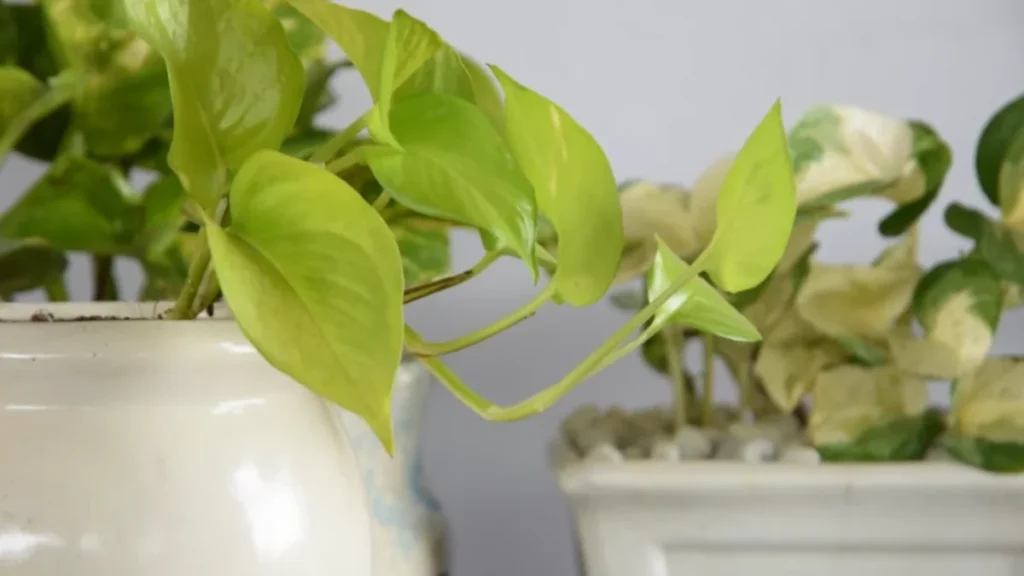
Not all plants are meant to stay dark green in shade. Some naturally lighten as part of their growth pattern.
Leafy greens, many herbs, and shade-tolerant plants often appear softer in colour when grown without direct sun. As long as the plant continues to produce new leaves, holds its shape, and doesn’t drop foliage, lighter colour alone isn’t a sign of poor health.
On balconies, success isn’t always about deep colour. Sometimes it’s about steady growth and resilience.
Why sudden changes make things worse
- Plants grown in shade develop thinner, softer leaves that are not built for strong sunlight.
- Moving a shaded plant straight into sun can cause scorching, curling, or brown patches within days.
- This damage happens because the leaf structure hasn’t had time to adjust, not because the plant is weak.
- Plants need gradual exposure to brighter light so new, stronger leaves can form.
- Slow changes are safer and more effective than dramatic repositioning.
How balcony layout quietly influences plant colour
- These adjustments don’t add sunlight, but they help plants use existing light more efficiently.
- Plants placed too close together shade each other, reducing usable light even further.
- Pots sitting directly on the balcony floor receive less reflected light than raised containers.
- Light usually enters balconies from one main direction, so leaves facing away lose colour first.
- Rotating pots helps distribute light more evenly across the plant over time.
Balcony Haven Note
On my east-facing balcony, light is plentiful but mostly arrives at a low angle. I noticed that plants closer to the railing kept their colour better than those placed further back, even though all of them received sunlight at some point during the day.
That observation changed how I think about plant choice for bright but partially shaded apartments. Some plants simply handle angled, shifting light better than others, which I explore further in my article on best plants for shaded apartment balconies.
Frequently asked questions
Does pale colour mean my plant is dying?
Not usually. If the plant is still growing and holding its leaves, colour change is often an adaptation to shade rather than a sign of decline.
Should I fertilise more to fix the colour?
Only if the plant shows other signs of nutrient deficiency. On shaded balconies, improving light use is usually more effective than feeding.
Can plants regain their colour?
Yes, but slowly. As light conditions improve or the plant adapts, new growth often becomes richer in colour first.
How long should I wait before worrying about pale leaves?
Lighter leaf colour often settles on its own within a few weeks as the plant adjusts. As long as the plant is still growing and holding its leaves, colour alone isn’t a reason to intervene.
Final thoughts
Plants losing colour on shaded balconies aren’t failing — they’re responding intelligently to their environment. Once you understand how light behaves in apartment spaces, pale leaves stop being a mystery and start becoming helpful signals.
Balcony gardening is less about forcing plants to behave like garden plants and more about learning how they adapt in small, enclosed spaces. With patience, observation, and a few thoughtful adjustments, even shaded balconies can support healthy, balanced plant growth — colour included.
Leave a Reply