What Are the Best Herbs for Balconies With 3 Hours of Sun?
Balcony gardening often feels confusing when sunlight is limited. Many herb guides assume full sun all day, but most apartments simply don’t get that luxury. If your balcony receives around three hours of direct sunlight, it can feel like your options are restricted before you even begin.
The best herbs for balconies with 3 hours of sun are leafy, soft-stemmed herbs such as mint, parsley, chives, coriander, and lemon balm. These herbs grow reliably in partial sun because they prefer steady light rather than long, intense exposure. When matched to this light level, three hours of direct sun is enough for healthy leaf growth and regular harvesting.
When sunlight is misunderstood, plants often struggle in ways that look like poor care. Slow growth, pale leaves, or weak flavour are usually signs of light mismatch rather than lack of effort.
This article breaks down which herbs cope best with limited sun, why they work on balconies, and how to recognise when your space is suitable for them—without forcing full-sun plants to survive in the wrong conditions.
Table of Contents
Understanding the Reality of Balcony Sunlight
On paper, three hours of sun can sound inadequate. In reality, balcony sunlight behaves very differently from garden sunlight. Reflected light, surrounding buildings, and open sky exposure all influence how bright those hours actually are.
Many balconies receive their sun in one concentrated window, often in the morning or afternoon. During that time, light can be strong, warm, and more intense than expected. Outside those hours, bright indirect light still plays a role in plant health.
Herbs that evolved in woodland edges or Mediterranean shade pockets often adapt well to this pattern. They grow steadily rather than rapidly, producing usable leaves without stress. Understanding this helps avoid choosing herbs that demand all-day sun and end up underperforming.
Herbs That Grow Well With Around 3 Hours of Sun
Mint
Mint is one of the most forgiving balcony herbs. It prefers partial sun and often grows better with some shade protection, especially in warm climates. On balconies with three hours of sun, mint tends to stay lush rather than drying out.
It also benefits from container growing, where its roots are naturally controlled. As long as the soil stays lightly moist, mint adapts easily to limited light conditions.
Parsley
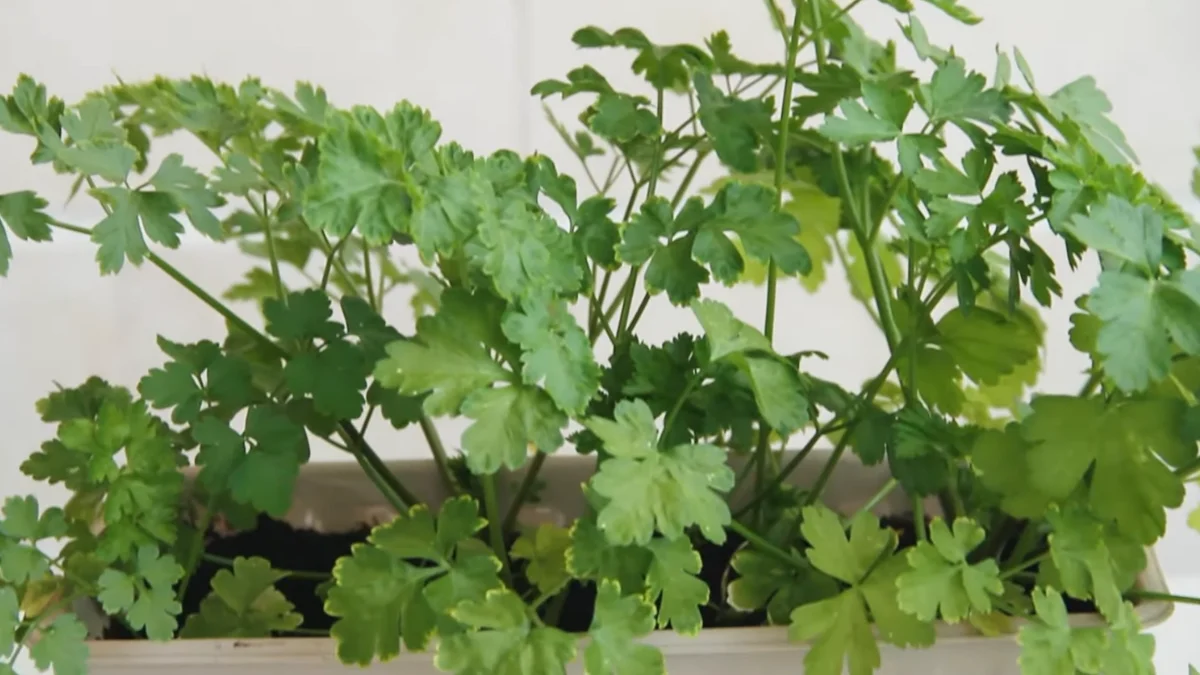
Parsley is well suited to short sun exposure and steady indirect light. It grows slowly but consistently, producing fresh leaves over a long period rather than all at once.
On balconies, parsley often performs better than in open gardens because it avoids heat stress. Its flavour develops well without needing intense sunlight.
Chives
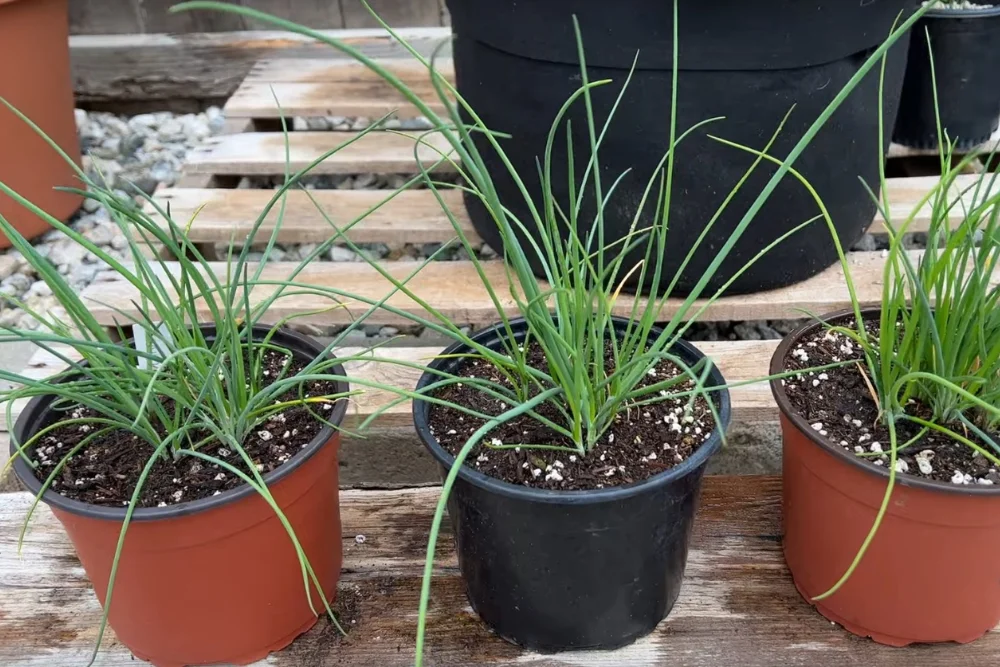
Chives tolerate a wide range of light levels and are comfortable with partial sun. With around three hours of direct sun, they continue to grow upright and green, especially when protected from strong winds.
Their shallow roots also make them suitable for smaller balcony containers, which is helpful in limited spaces.
Coriander (Cilantro)
Coriander prefers cooler conditions and often struggles in full sun. Balconies with limited sun help slow bolting and extend leaf production.
With three hours of sun, coriander focuses more on leaf growth rather than rushing to flower, making it a practical choice for apartment growers.
Lemon Balm
Lemon balm thrives in partial sun and tolerates shade better than many culinary herbs. On balconies, it grows steadily without becoming stressed or leggy.
Its light citrus scent and soft leaves develop well under limited sunlight, especially when temperatures are moderate.
Do Herbs Really Need Full Sun on Balconies?
Many herb labels recommend full sun, but those guidelines are based on open garden conditions. Balconies create microclimates where reflected light and heat can compensate for fewer sun hours.
In practice, several herbs grow better with partial sun because they avoid dehydration and leaf scorch. On balconies, full sun plants often require constant watering and still struggle.
Three hours of direct sun combined with bright indirect light is enough for many leafy herbs to grow well and remain usable.
Practical Tips for Growing Herbs With Limited Sun
Herbs grown in partial sun benefit more from consistency than intensity. Small adjustments often make a noticeable difference.
- Place herbs where they receive uninterrupted sun during their brightest window
- Use light-coloured pots to reflect heat and reduce soil stress
- Rotate containers occasionally to balance growth
- Avoid overcrowding, which reduces airflow and light reach
- Focus on leaf harvest rather than rapid growth
Common Mistakes on Low-Sun Balconies
Limited sunlight can magnify small setup issues, especially for beginners.
- Choosing full-sun herbs like rosemary or basil and expecting them to adapt
- Overwatering to compensate for slow growth
- Placing herbs too far from the balcony edge where light drops sharply
- Ignoring indirect light as a useful source
- Assuming poor growth means poor skill rather than light mismatch
Balcony Haven Note
On my own balcony, I’ve noticed that herbs tend to react more to light patterns than to how much sun they get on paper. Spaces with only a few hours of direct sun often still grow well when the light is consistent and not too harsh. Over time, observing how plants respond has been more helpful than trying to match ideal conditions. This can differ from one balcony to another depending on layout and exposure.
When sunlight is limited, it helps to understand how plants behave across similar light ranges rather than guessing. You may find it useful to explore plants for balconies with 2–4 hours sun to see what tends to grow more reliably in these conditions.
FAQs About Herbs for Balconies With 3 Hours Sun
What herbs need the least amount of sunlight?
Herbs with soft, leafy growth generally cope best with low sunlight. Mint, parsley, chives, and lemon balm evolved to grow along woodland edges or shaded areas, so they don’t depend on long hours of direct sun. As long as they receive consistent light—either short direct sun or bright indirect light—they continue producing usable leaves without becoming stressed or bitter.
Can herbs grow with only morning sun?
Yes, many herbs grow well with only morning sun, especially on balconies. Morning light is gentler and cooler, which reduces water stress and leaf scorch. When combined with bright indirect light for the rest of the day, this setup often supports steady growth better than harsh afternoon sun.
Are herbs slower to grow in partial sun?
Growth is usually slower, but it is often more stable and predictable. Herbs grown in partial sun tend to produce smaller but softer leaves, with less stress from heat or rapid drying. While harvests may take longer, plants often last longer and stay productive over time.
Should I fertilise herbs in low sun?
Herbs in low sun need less feeding than those in full sun because their growth rate is slower. Light, occasional feeding supports healthy leaves, but too much fertiliser can lead to weak, leggy growth. Well-draining soil with steady nutrients is usually more important than frequent fertilising.
Final Thoughts
Three hours of sun doesn’t prevent herbs from growing—it simply influences which ones stay healthy and productive over time. Many leafy herbs respond better to steady, moderate light than to long periods of direct sun, especially on balconies where heat and reflection can add extra stress.
When plant choices match your balcony’s natural light pattern, growth tends to be more consistent and easier to manage. Instead of chasing full-sun conditions that aren’t available, observing how herbs respond to partial sun often leads to stronger plants and fewer setbacks.
Because every balcony reflects and holds light differently, results will always vary. Even so, limited sunlight is rarely a true obstacle when herbs are selected to suit the space rather than the other way around.
Happy Balcony Gardening!
Leave a Reply