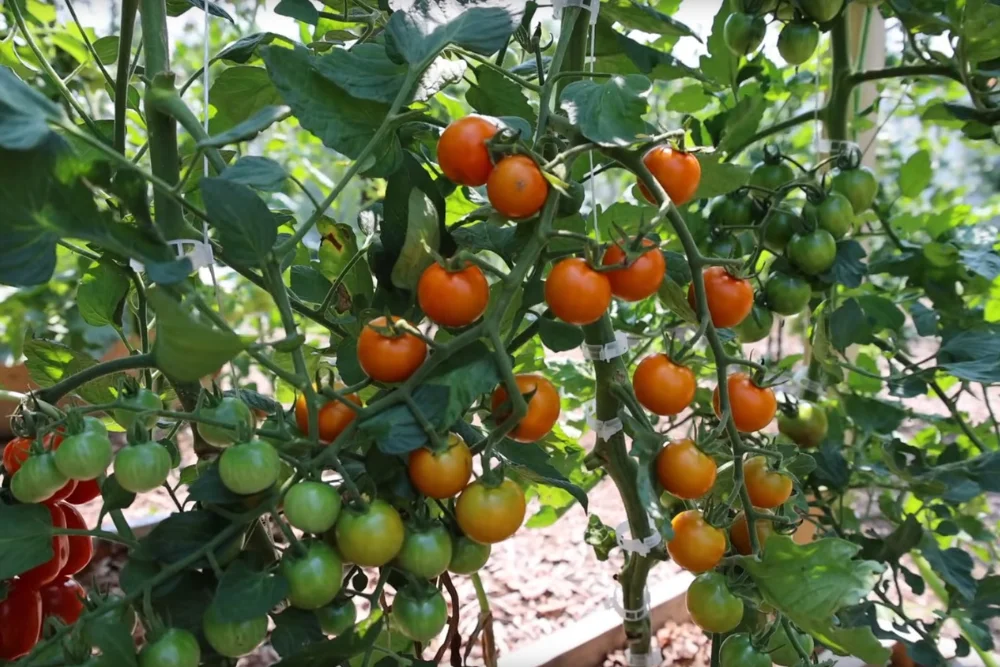
Can you grow tomatoes on a tiny balcony?
Growing tomatoes on a tiny balcony often feels like a stretch. Space is tight, sunlight is limited, and every pot takes up valuable room. Many apartment gardeners wonder if tomatoes are realistic at all in such a small setup.
You can grow tomatoes on a tiny balcony as long as the space provides enough light, adequate container depth, and stable support. Tomatoes do not require a backyard to grow successfully, but limited balcony space directly influences plant size, fruit production, and overall plant health.
When these needs aren’t met, tomato plants often become leggy, drop flowers, or struggle to produce fruit. This can make it feel like tomatoes simply aren’t suited to small balconies, even though the issue is usually the environment rather than the plant itself.
This article explains what actually matters when growing tomatoes in very limited balcony spaces, and why some tiny setups succeed while others don’t.
Table of Contents
Understanding the Balcony Reality
Tiny balconies create a very different growing environment compared to gardens or larger outdoor areas. Space is limited not just horizontally, but vertically and structurally.
Sunlight is often restricted to certain hours of the day, and wind exposure tends to be stronger at building height. Pots dry out faster, and weight limits can restrict container size.
These factors don’t make tomatoes impossible to grow, but they do narrow the margin for error. Understanding these limits helps explain why some tomato attempts thrive while others struggle early on.
What “Tiny Balcony” Really Means for Tomatoes
A tiny balcony usually means limited floor space, narrow depth, and fewer placement options. For tomatoes, this affects root growth, moisture retention, and overall plant stability.
Smaller containers heat up and dry out quickly, which can stress roots. At the same time, tight spaces often reflect heat off walls and railings, creating sudden temperature swings.
Tomatoes can adapt to these conditions, but only up to a point. Choosing the right balance between plant size and available space becomes more important than variety alone.
What Is the Smallest Container You Can Grow Tomatoes In?
| Tomato Type | Best Pot Size | Notes |
|---|---|---|
| Cherry / Patio | 3–5 gallons | Compact, high yield |
| Determinate | 5–7 gallons | Bushy, ideal for limited space |
| Indeterminate | 7+ gallons | Vigorous, needs more support |
Tomatoes can survive in smaller containers, but growth and fruiting are limited.
Very compact setups may support a tomato plant temporarily, but restricted root space often leads to reduced flowering and smaller harvests. Plants grown in undersized containers also require closer attention because moisture levels change quickly.
This is why tiny balconies tend to work best with compact or determinate tomato types, rather than large, sprawling varieties.
How Much Depth Do Tomatoes Need to Grow in Pots?
Tomatoes develop deep root systems compared to many balcony plants. When depth is limited, roots spread horizontally and compete for moisture and nutrients.
Shallow pots can keep a tomato plant alive, but deeper containers provide more consistent moisture and temperature buffering. On tiny balconies, depth often matters more than width, especially where floor space is restricted.
Balconies that can accommodate deeper containers tend to see more stable growth over time.
Will Tomatoes Grow on a Covered Patio or Balcony?
Tomatoes can grow on covered balconies or patios, but light becomes the deciding factor. Covering reduces rain and wind exposure, which can help, but it also limits direct sunlight.
Tomato plants need sufficient light hours to flower and fruit reliably. Covered spaces with bright, indirect light often perform better than fully shaded areas, even if they feel warm.
When light is reduced too much, tomatoes may grow leaves without producing fruit.
Practical Space Considerations for Tiny Balconies
| Factor | Ideal Condition | Minimal Requirement |
|---|---|---|
| Daily Sunlight | 6–8 hrs | 4–6 hrs |
| Container Depth | ≥12 inches | ≥10 inches |
| Wind Exposure | Low–Moderate | Wind protection needed |
| Support Structure | Trellis/Stakes | Simple stake |
Tiny balconies benefit from thoughtful use of vertical and corner spaces.
- Compact tomato varieties take up less room
- Vertical supports help manage growth direction
- Heavier pots improve stability in wind
- Corners often provide more shelter than railings
Small adjustments in placement can make a noticeable difference over time.
Common Mistakes on Very Small Balconies
Tomato problems on tiny balconies often come from mismatched expectations rather than poor care.
- Using containers that are too shallow
- Overcrowding multiple plants in one pot
- Assuming all tomatoes grow the same size
- Ignoring wind and heat reflection from walls
These issues tend to compound quickly in limited spaces.
Local and Seasonal Context (Australia)
In many parts of Australia, balcony tomatoes face strong seasonal shifts. Spring brings fluctuating temperatures and wind, while summer introduces intense heat and rapid moisture loss.
Tiny balconies magnify these effects. Containers heat up faster, and plants can struggle to recover overnight after hot days. Covered balconies may reduce heat stress but can also reduce light, especially during winter months.
Understanding how seasons affect your specific balcony helps explain why tomatoes may perform well one year and struggle the next.
A Balcony Haven Note
In my own balcony setup, I mostly grow chillies and peppers, with the occasional tomato plant. What I’ve noticed is that small changes in pot size, sunlight, or wind exposure often have a bigger impact than trying to optimise everything at once. This can vary depending on the balcony, but observing how the space responds has been more useful than following rigid rules.
If container size is a concern on a small balcony, it can help to understand how pot dimensions affect tomato growth. Best pot size for balcony tomatoes looks more closely at how container size influences moisture, roots, and overall plant stability.
Frequently Asked Questions
Do tomatoes prefer deep or wide pots?
Tomatoes generally perform better in deeper pots because their root systems grow downward as well as outward. Extra depth allows roots to access moisture more evenly and helps buffer temperature changes that occur in exposed balcony containers. Shallow pots may keep a plant alive, but they often lead to faster drying and less stable growth.
Is a 10-litre pot big enough for tomatoes?
A 10-litre pot can support a tomato plant during its early stages, but it usually restricts long-term growth and fruit production. Limited soil volume means moisture levels change quickly, which stresses the plant during warm or windy conditions. Over time, this often results in smaller plants and fewer tomatoes.
How much sunlight do balcony tomatoes need?
Tomatoes need several hours of good light each day to produce flowers and fruit. When light is limited, plants often focus on leaf growth rather than flowering. Balconies with short or inconsistent sun exposure may still support tomato plants, but fruiting tends to be slower and less reliable.
Can tomatoes grow indoors near a window?
Tomatoes can grow near bright windows, especially during warmer months, but fruiting is less predictable indoors. Glass filters light intensity, and indoor airflow and temperature differ from outdoor conditions. As a result, plants may grow leaves successfully while producing few or no tomatoes compared to well-lit balconies.
Final Thoughts
Growing tomatoes on a tiny balcony is possible, but success comes from matching expectations to the space. Limited room, light exposure, and container depth all shape how a tomato plant grows, flowers, and produces fruit. When these limits are ignored, plants often struggle even with regular care.
Tiny balconies tend to reward observation rather than effort. Noticing how light moves across the space, how wind affects pots, and how heat builds up during the day often explains more than changing varieties or routines. Small adjustments over time usually make a bigger difference than trying to recreate garden conditions.
Every balcony behaves differently, even within the same building. Learning what your own space can support helps set realistic goals and leads to more consistent results, season after season.
Happy Balcony Gardening!
Leave a Reply