Overview
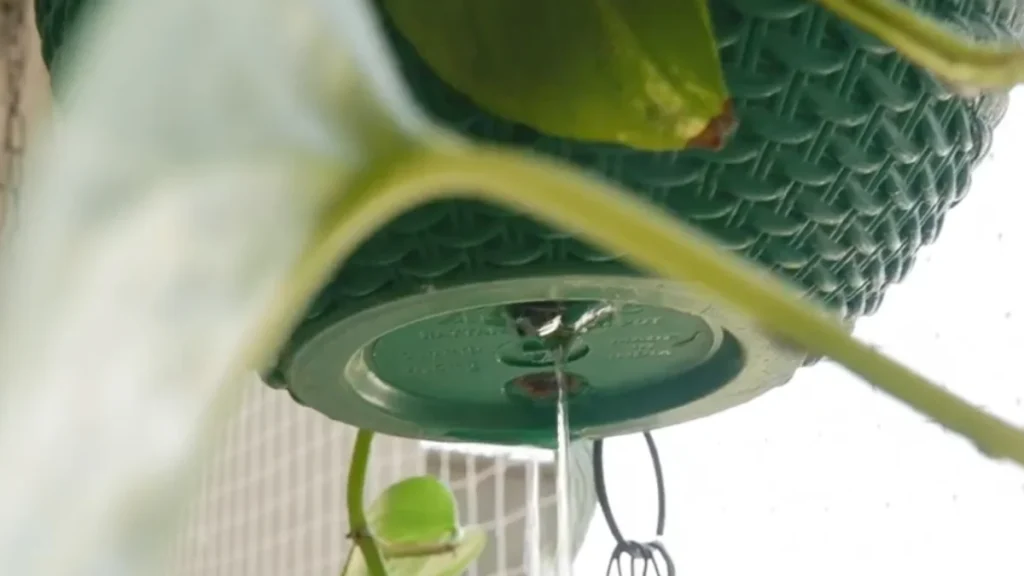
Water dripping from a balcony is one of the most common apartment gardening problems. It often shows up after watering plants, during heavy rain, or when pots stay wet for too long. What feels minor from above can quickly become frustrating for neighbours below — which is why many apartment gardeners start wondering how to stop water dripping on lower balconies?
Water dripping onto lower balconies is stopped by containing excess water and controlling how it drains across the balcony surface. Using proper pot saucers, slowing water runoff, and preventing water from reaching balcony edges reduces dripping far more effectively than watering less. When water is kept contained instead of spreading, it no longer escapes downward.
When dripping continues, it can lead to complaints, strained neighbour relationships, or even building management warnings. Many balcony gardeners then feel pressured to stop growing plants altogether, even though the problem is usually structural or setup-related.
This article explains why balcony water drips downward, what actually causes it, and how apartment gardeners can reduce or prevent it without giving up balcony gardening.
Table of Contents
Understanding the Balcony Reality
Apartment balconies are not designed like garden beds. They are built to handle rainwater moving across flat surfaces, not repeated watering from pots that drain freely. Most balconies rely on subtle slopes, drainage points, or open edges to move water away.
When multiple pots release water at once, or when water pools instead of flowing toward drains, it naturally finds the lowest point. That point is often the balcony edge or floor gaps, which leads straight to the balcony below.
Wind, uneven tiles, balcony mats, and oversized pots all change how water moves. Even two balconies in the same building can behave very differently depending on layout, exposure, and wear over time.
Why Water Drips From Balconies in the First Place
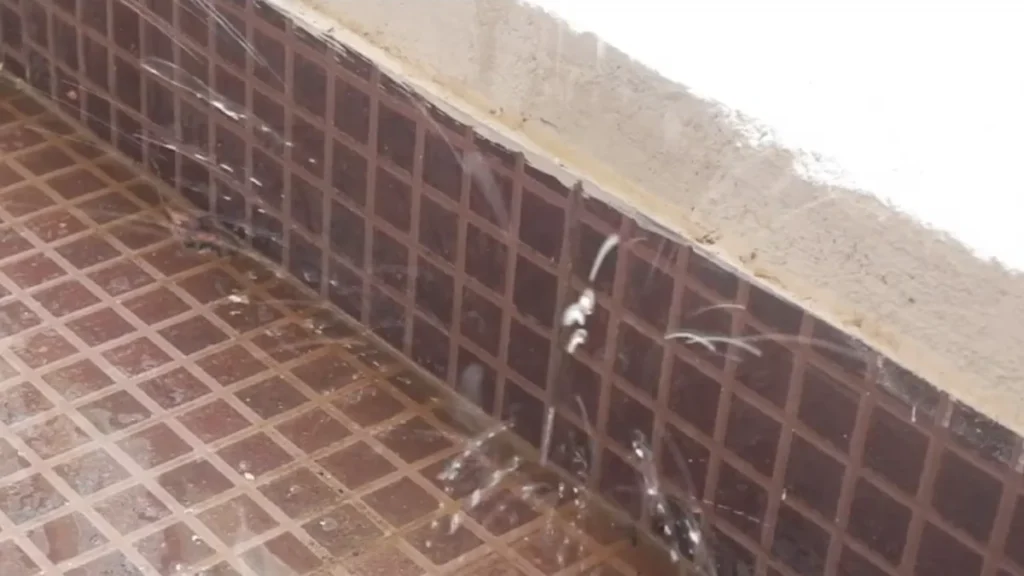
Water dripping is usually not caused by overwatering alone. It is more often linked to how water exits the balcony surface.
Common causes include:
- Pots with open drainage holes placed directly on tiles
- Excess water pooling before reaching the balcony drain
- Uneven flooring that directs water toward the edge
- Balcony mats or trays trapping water underneath
- Rain mixing with watering runoff
When water has no controlled path, gravity does the rest.
Practical Ways to Stop Water Dripping on Lower Balconies
Use Pot Saucers That Actually Hold Water
Many plastic saucers are shallow and overflow easily. When pots release water faster than saucers can hold, overflow spills onto the balcony floor.
Deeper, rigid saucers slow down runoff and allow plants to reabsorb some moisture over time. This reduces sudden water release after watering.
Raise Pots Slightly Off the Floor
Pots sitting flat on tiles release water directly onto the balcony surface. Elevating them slightly helps water stay contained.
Small pot feet, stands, or risers allow airflow and prevent water from spreading sideways across tiles.
Control Where Water Collects
Instead of letting water spread across the balcony, it helps when runoff collects in one predictable area.
Grouping plants over a protected zone allows water to evaporate safely instead of dripping over edges.
Switch to Self-Watering or Reservoir Pots
Self-watering pots limit free drainage. Water stays in a base reservoir and moves upward as plants need it.
This significantly reduces dripping, especially for balconies above other units.
Adjust Watering Timing
Watering early in the day gives moisture time to absorb or evaporate before cooler temperatures slow drying.
Late evening watering often leads to standing water that drains slowly overnight.
How to Waterproof Under a Balcony (What Gardeners Should Know)
Waterproofing under balconies is usually a building-level responsibility. However, gardeners should understand that surface membranes exist to protect lower units.
Repeated uncontrolled dripping can stress these systems over time. Reducing runoff protects not only neighbours but also the balcony structure itself.
Gardeners cannot modify membranes, but they can reduce the load placed on them.
How to Stop Water Pooling on a Balcony
Pooling usually happens when water cannot reach a drain or exit point efficiently. Pots placed directly over subtle floor slopes can block natural water flow, even if drains are present.
Balcony mats can also trap water underneath, especially after rain. When water has nowhere to go, it eventually escapes at the weakest point, which is often the balcony edge.
Reducing pooling almost always reduces dripping. Once water flows where it is meant to go, downward leaks become far less common.
Practical Tips That Make the Biggest Difference
Small adjustments often solve most dripping issues:
- Water slowly instead of pouring large amounts at once
- Empty saucers after heavy rain
- Check where water flows during watering
- Keep drains clear of soil and leaves
- Avoid watering before storms
These changes reduce sudden runoff without affecting plant health.
Common Balcony Watering Mistakes
Many dripping issues come from habits rather than intent:
- Watering all pots at once with no pause
- Using decorative trays with no drainage capacity
- Placing pots directly against balcony edges
- Ignoring how rain adds to watering volume
- Assuming drainage always flows toward the drain
Recognising these patterns helps prevent repeat issues.
Local and Seasonal Considerations (Australia)
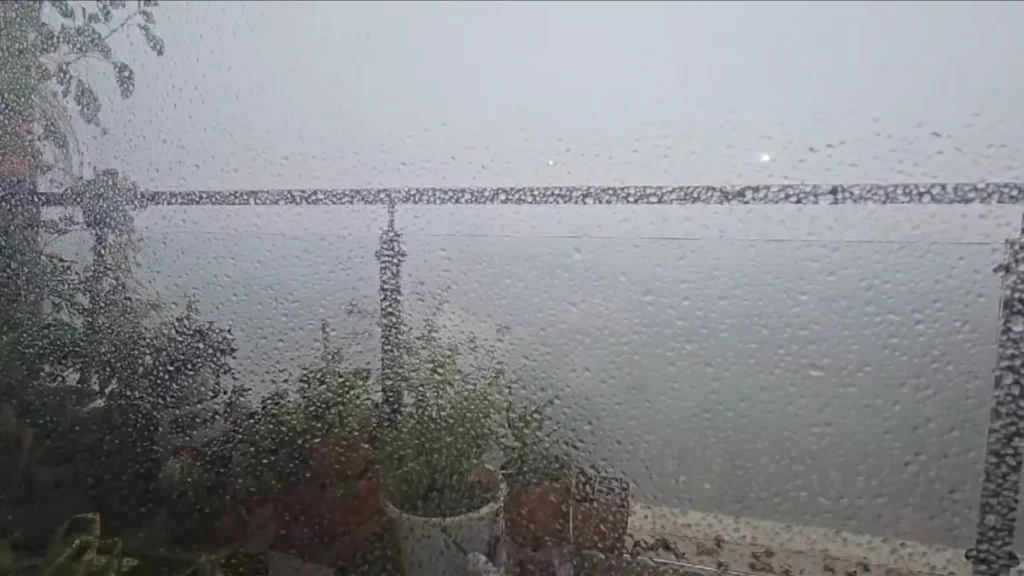
In many Australian apartments, balconies experience sudden heavy rain followed by heat. This combination increases runoff and overflow risk.
Summer storms can fill saucers quickly, while winter rain may drain more slowly due to cooler temperatures. Adjusting pot placement seasonally can reduce problems without major changes.
A Balcony Haven Note
In my own apartment balcony, I haven’t personally dealt with water dripping issues. From what I’ve observed, problems like this usually relate more to how runoff is managed than to how much water is used. Small changes to pot placement or drainage setup often make a noticeable difference, though this can vary depending on balcony layout and exposure.
If you are managing water flow on a small balcony, Best balcony watering methods for beginners explains how watering patterns affect runoff, drainage, and plant health in apartment settings.
FAQ: Balcony Water Dripping Questions
How do I stop water dripping from my balcony onto neighbours?
Controlling drainage is more effective than reducing watering. Using deeper saucers, slowing watering, and preventing water from reaching balcony edges reduces dripping significantly.
Is balcony dripping a watering problem or a drainage problem?
In most cases, it is a drainage problem. Water escapes because it has no controlled path, not because plants are watered too much.
Do self-watering pots really help with dripping?
Yes. They reduce free drainage and limit sudden water release, making them one of the most effective solutions for upper-level balconies.
Can balcony mats cause dripping issues?
Yes. Mats can trap water underneath and redirect it toward balcony edges, increasing dripping onto lower levels.
Final Thoughts
Water dripping from balconies is usually the result of uncontrolled runoff rather than the act of watering itself. When excess water is contained and directed away from balcony edges, dripping is reduced without compromising plant health.
In most cases, small changes to drainage and water flow have a greater impact than changing plants or watering habits. How water collects, spreads, and exits the space matters more than how much is applied at once.
Every balcony behaves differently. Taking time to observe where water actually moves makes it easier to identify simple adjustments that reduce dripping over time.
Happy Balcony Gardening!
Leave a Reply