What Plants Grow Well on Cold South-Facing Balconies?
Cold south-facing balconies can feel frustrating for apartment gardeners. Plants grow slowly, new leaves take a long time to appear, and some plants seem to stall completely even with regular watering. Many people assume they are doing something wrong, when the real issue is often the balcony itself.
Plants for cold south-facing balconies are those that tolerate low light, cool temperatures, and long periods of shade. Ferns, snake plants, peace lilies, mint, parsley, spinach, and lettuce cope best because they do not rely on direct sun to grow. These plants stay healthier and more stable on cold, shaded balconies where sun-loving plants often fail.
When unsuitable plants are placed in these spaces, they often stay small, stop producing new growth, or drop leaves without warning. This can make balcony gardening feel discouraging, even though the conditions are simply mismatched.
This article explains how south-facing balconies behave in cold conditions, which plants cope best, and how to work with the space rather than against it.
Table of Contents
Understanding Cold South-Facing Balconies
South-facing balconies in Australia usually receive indirect light for most of the day. Nearby buildings, balcony ceilings, and railings block direct sun, especially during winter when the sun sits lower in the sky. As a result, these spaces stay cooler and darker compared to north- or east-facing balconies.
Cold air tends to linger longer in shaded areas, particularly overnight. Concrete floors and walls absorb little warmth, which keeps temperatures low even during mild days. Wind can also pass through shaded balconies, further reducing warmth around plants.
Because of this, plants that rely on full sun or warm soil often struggle. Growth is slower, watering needs change, and patience becomes more important than trying to force results.
Best Plants for Cold South-Facing Balconies
| Plant | Handles Low Light | Tolerates Cold | Edible |
|---|---|---|---|
| Ferns | Yes | Yes | No |
| Snake Plant | Yes | Yes | No |
| Peace Lily | Yes | Moderate | No |
| Mint | Yes | Yes | Yes |
| Parsley | Moderate | Yes | Yes |
| Spinach | Moderate | Yes | Yes |
Plants that grow well in cold south-facing balconies are usually shade-tolerant and slow-growing by nature. They focus more on leaf growth than flowers or fruit, and they are comfortable in cooler conditions.
Foliage Plants That Handle Cold and Shade
Foliage plants are often the most reliable choice for these balconies. They are adapted to filtered light and can maintain healthy leaves without direct sun.
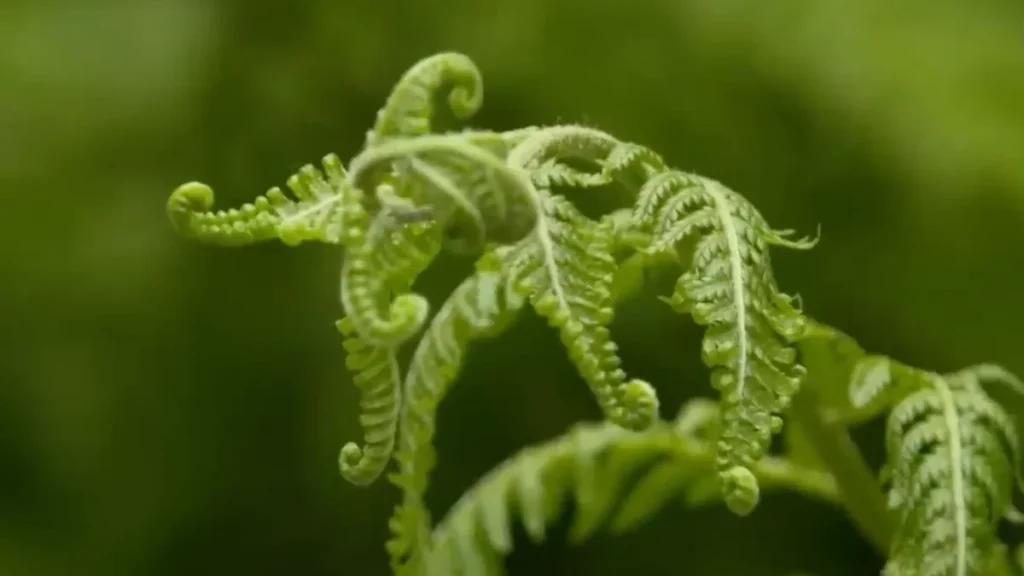
Ferns are a common example. They prefer cool, shaded environments and grow steadily when kept evenly moist. Snake plants are another strong option, as they tolerate low light and cooler temperatures better than many other houseplants.
Peace lilies also perform well in south-facing balconies if protected from strong wind. They grow slowly but consistently and show stress early, making them easier to adjust.
Herbs That Tolerate Cooler Balconies
Some herbs can handle cold south-facing balconies better than others. Mint is one of the most adaptable and continues growing in low light and cooler conditions. Parsley also performs reasonably well, especially during cooler months.
These herbs may grow more slowly, but they remain healthy when given stable conditions. Strong sunlight is not essential for them to survive.
Small Edible Plants That Can Cope
Edible plants are more limited on cold south-facing balconies, but some options still work. Leafy greens such as spinach and lettuce tolerate cooler temperatures and indirect light better than fruiting plants.
Growth may pause during colder periods, but these plants usually recover when temperatures improve.
What to Plant on a Balcony in Winter
Winter makes south-facing balconies even colder and darker. During this season, plant selection becomes more important.
Cool-season leafy greens, such as spinach and Asian greens, tend to cope better than summer vegetables. These plants are adapted to lower light levels and cooler soil temperatures.
Foliage plants often remain the most stable choice during winter, as they are not trying to flower or produce fruit. Keeping expectations realistic during this period helps prevent unnecessary plant loss.
What Plants Do Well on Balconies With Limited Sun
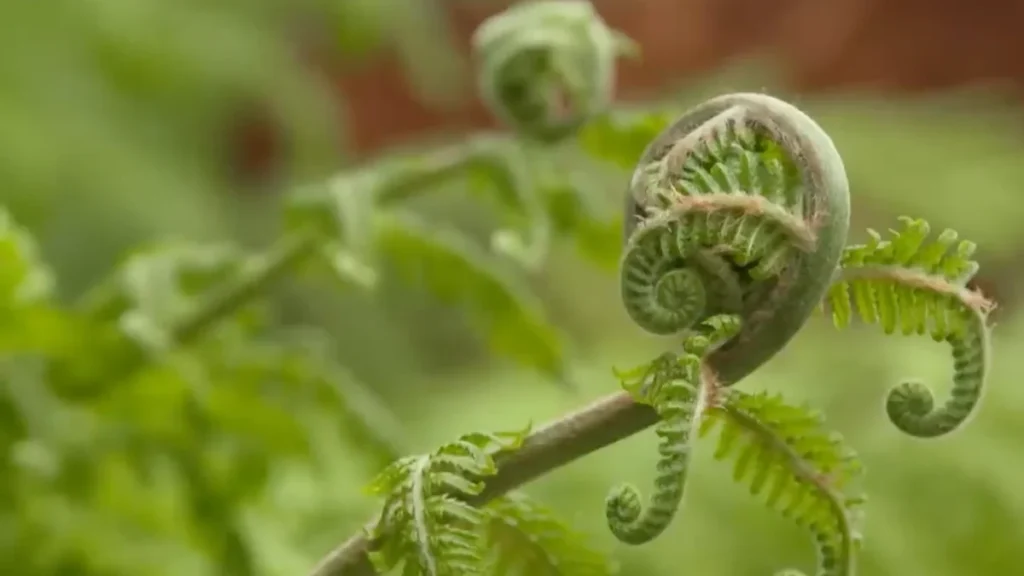
Balconies with limited sun reward plants that grow naturally under trees or in shaded areas. These plants are efficient at using indirect light and do not rely on strong sunlight to survive.
Slow growth is normal in these conditions. Plants may hold their size for long periods before producing new leaves, especially during colder months. This behaviour is usually a response to the environment rather than poor care.
Practical Tips for Cold South-Facing Balconies
Even the right plants benefit from small adjustments that suit cold, shaded spaces.
- Use darker pots to absorb a little extra warmth
- Group plants together to reduce cold air exposure
- Avoid overwatering during cold periods
- Observe which spots receive the most light throughout the day
These small details often matter more than changing plant varieties repeatedly.
Common Mistakes With South-Facing Balcony Plants
Many plant problems come from misunderstanding how cold south-facing balconies behave.
- Choosing sun-loving plants that need direct light
- Expecting fast growth during winter
- Watering on a fixed schedule despite cooler conditions
- Moving plants too often instead of observing gradual changes
Recognising these patterns helps prevent frustration.
Seasonal Considerations in Australia
In Australian apartments, south-facing balconies often feel especially cold during winter months, even in warmer regions. Growth may slow dramatically between late autumn and early spring.
During warmer seasons, these balconies can become more comfortable for plants, but sunlight levels usually remain limited. Adjustments should be made gradually rather than season by season.
A Balcony Haven Note
With a fairly typical apartment balcony, I’ve noticed that cooler temperatures and limited light can affect plant growth more than plant choice alone. Small, realistic adjustments in how the space is used often have a bigger impact than trying to optimise everything at once. This can vary from one balcony to another, depending on light, temperature, and exposure.
If your south-facing balcony is not only cold but also exposed to wind, this may help: What are the best plants for a windy balcony. This article explains how wind exposure affects plant growth and which plants handle moving air better on apartment balconies. Published Articles
Frequently Asked Questions
What plants grow well on a south-facing balcony?
Plants that grow well on a south-facing balcony are usually shade-tolerant and comfortable in cooler temperatures. Ferns, snake plants, peace lilies, mint, and leafy greens are common examples.
What to keep on a south balcony?
A south balcony is best suited to foliage plants, cool-season herbs, and low-light edibles. Decorative plants that do not rely on flowering often perform better than fruiting plants.
Do plants grow slower on south-facing balconies?
Yes, growth is usually slower because of reduced sunlight and cooler temperatures. This is normal and not a sign of poor care.
Final Thoughts
Cold south-facing balconies are challenging, but they are not impossible to garden in. The key is working with the space rather than forcing unsuitable plants to survive.
By choosing plants adapted to shade and cooler conditions, and by paying attention to how your balcony behaves across seasons, progress becomes more predictable and less stressful.
Every balcony is different. With patience and observation, even cold south-facing balconies can support healthy, steady plant growth.
Happy Balcony Gardening!
Leave a Reply