How To Protect Balcony Pots From Strong Winds?
Strong wind is one of the most frustrating parts of balcony gardening. Pots tip over, soil spills out, and plants that looked fine yesterday suddenly look stressed or broken. This is especially common in apartments where balconies act like wind tunnels rather than sheltered garden spaces.
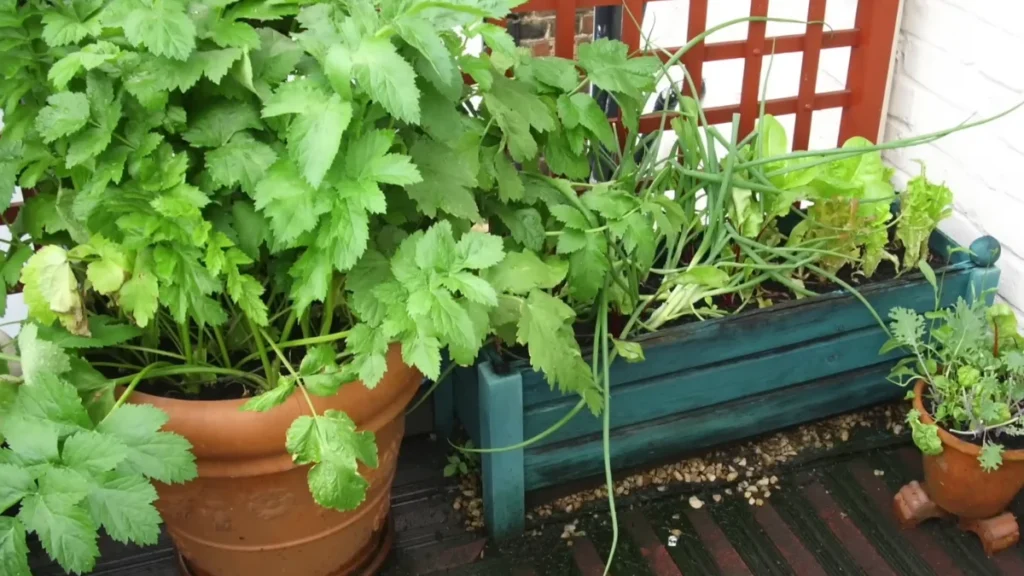
Protecting balcony pots from strong winds is mainly about keeping containers stable rather than stopping the wind itself. Heavier pots, wider bases, and placing containers near walls or sheltered areas all help reduce movement. Grouping pots together also limits how much wind hits each one directly. Over time, noticing which areas of the balcony stay calmer makes it easier to position pots where they are less likely to tip or dry out.
When pots keep shifting or falling, roots loosen, moisture dries out faster, and plants struggle to stay upright. Over time, even hardy plants can stop growing well if their containers never fully settle.
The good news is that wind problems are usually caused by balcony conditions, not poor gardening skills. Once the source of instability is understood, small adjustments often make a noticeable difference.
Table of Contents
Understanding the Reality of Windy Apartment Balconies
Apartment balconies experience wind differently from ground-level gardens. Air moves faster at height, and surrounding buildings can funnel gusts directly into open spaces. Railings, corners, and narrow layouts often amplify wind instead of blocking it.
Unlike backyards, balconies also have weight limits and space constraints. Large planters aren’t always practical, and moving pots indoors during storms isn’t always possible. Because of this, protecting pots is less about eliminating wind and more about managing how pots respond to it.
Learning how your balcony handles airflow throughout the day helps explain why some pots tip while others stay put.
How Strong Winds Affect Balcony Pots
Strong winds don’t usually damage plants directly. The real issue is movement. When pots are pushed, tilted, or knocked over repeatedly, roots loosen inside the soil and moisture levels become uneven.
Over time, this constant shifting stresses the plant. Soil dries out faster, stems lean toward shelter, and growth slows even when watering and sunlight are adequate. Once pots settle and stay in place, plants often recover surprisingly quickly.
Effective Ways to Protect Balcony Pots From Strong Winds
Using Heavier Pots for Stability
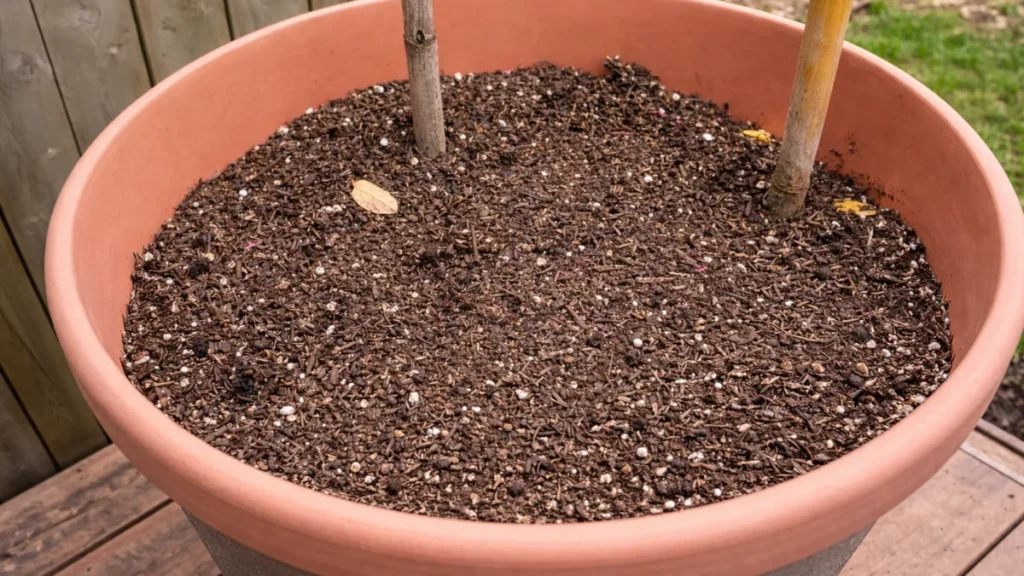
Heavier pots are naturally more resistant to movement. Materials like ceramic, concrete, and thick terracotta stay grounded better than thin plastic.
While lightweight pots are convenient, they are often the first to tip in gusty conditions. Even adding a little extra weight at the base can significantly improve stability.
Lowering the Center of Gravity
Tall pots with narrow bases are more likely to fall over. Shorter, wider containers distribute weight more evenly and sit closer to the ground.
For existing pots, placing heavier material at the bottom before soil is added can help keep the pot grounded without increasing height.
Grouping Pots Together
Grouped pots support each other. When containers are placed close together, they reduce exposed sides and share wind pressure instead of facing it alone.
This approach works especially well along balcony walls or corners where airflow changes direction.
Using Balcony Features as Wind Buffers
Walls, solid railings, and corners naturally reduce wind speed. Placing pots near these areas often makes them more stable than placing them along open edges.
Partial barriers like outdoor screens or furniture can also reduce gust strength without fully blocking airflow.
How to Stop Plant Pots Blowing Over in the Wind
Stopping pots from blowing over usually requires a combination of weight and placement rather than one single fix.
Simple improvements include:
- Switching very light pots to heavier materials
- Avoiding tall, top-heavy arrangements
- Positioning pots where wind breaks naturally occur
Once pots stop shifting, plants often recover quickly.
What to Put in Planters to Weigh Them Down
Adding weight to the base of a pot is one of the simplest ways to improve stability on a windy balcony. Dense materials placed low in the container help anchor the pot without affecting the plant above.
Many balcony gardeners use stones, gravel, or broken terracotta pieces beneath the soil. These materials add weight while still allowing water to drain properly. Heavier soil mixes can also help, especially when very light potting blends dry out too quickly in the wind.
Practical Tips for Windy Balconies
A few small layout changes can noticeably reduce how much pots move during windy weather.
- Place heavier pots along exposed edges and lighter ones closer to walls
- Avoid raising wind-exposed pots on stands or narrow bases
- Rotate pots occasionally so plants don’t lean permanently in one direction
These adjustments work best when combined with heavier containers and sheltered placement.
Common Mistakes That Increase Wind Problems
Many wind issues come from choices that seem harmless at first.
- Using very light plastic pots in exposed areas
- Elevating pots unnecessarily
- Leaving tall plants unsupported
Recognising these patterns helps prevent repeat problems.
Balcony Haven Note
On my own balcony, strong winds were rarely the issue by themselves — it was how the pots reacted to them. What stood out over time was that pots which felt stable and stayed in place handled windy days far better than lighter ones that shifted or tipped easily. This varied depending on where each pot sat on the balcony, but container stability ended up mattering more than the plant itself.
If wind is affecting which plants you can grow, you may also find what are the best plants for a windy balcony? helpful. This article looks at plant types that naturally cope better with constant airflow and exposure.
Frequently Asked Questions
How do I wind-proof my balcony?
Most balconies can’t be completely wind-proofed, especially in apartments where airflow is unavoidable. What usually helps more is reducing how hard wind hits your pots. Solid walls, privacy screens, and furniture can slow gusts down rather than block them. Placing pots near these sheltered areas helps prevent sudden movement and tipping.
Are heavier pots always better for windy balconies?
Heavier pots are generally more stable, but weight alone isn’t enough. Wide, low pots handle strong winds better than tall, narrow containers. Placement also matters, as even heavy pots can tip if they sit in direct wind channels near open edges or corners.
Can wind kill balcony plants?
Wind itself rarely kills balcony plants outright. Damage usually builds up over time when pots keep shifting, soil dries unevenly, or stems weaken. Plants under constant movement struggle more than those in stable containers. Once pots stop moving, many plants recover well.
Should I bring pots inside during strong winds?
Bringing lightweight pots indoors can help during extreme wind or storms. This is usually a short-term solution rather than something to do daily. For normal windy conditions, improving pot stability and placement tends to work better long-term. Stable pots let plants adjust naturally to airflow.
Final Thoughts
Strong winds are a common part of apartment balcony gardening, especially in higher or more exposed buildings. In most cases, the real issue isn’t the wind itself but how pots respond to it. When containers shift, tip, or dry out too quickly, plants struggle to stay settled even if they are otherwise well suited to balcony conditions.
By paying attention to pot stability, weight, and where containers are placed, protecting balcony pots from strong winds becomes far more manageable. Small changes that reduce movement often have a bigger impact than changing plants or chasing ideal setups. Every balcony behaves differently, and observing how yours handles airflow over time makes it easier to adapt.
Once pots stay grounded and secure, growing on a windy balcony tends to feel calmer and more predictable. Stability creates consistency, and consistency gives plants a better chance to grow without ongoing stress.
Happy Balcony Gardening!
Leave a Reply