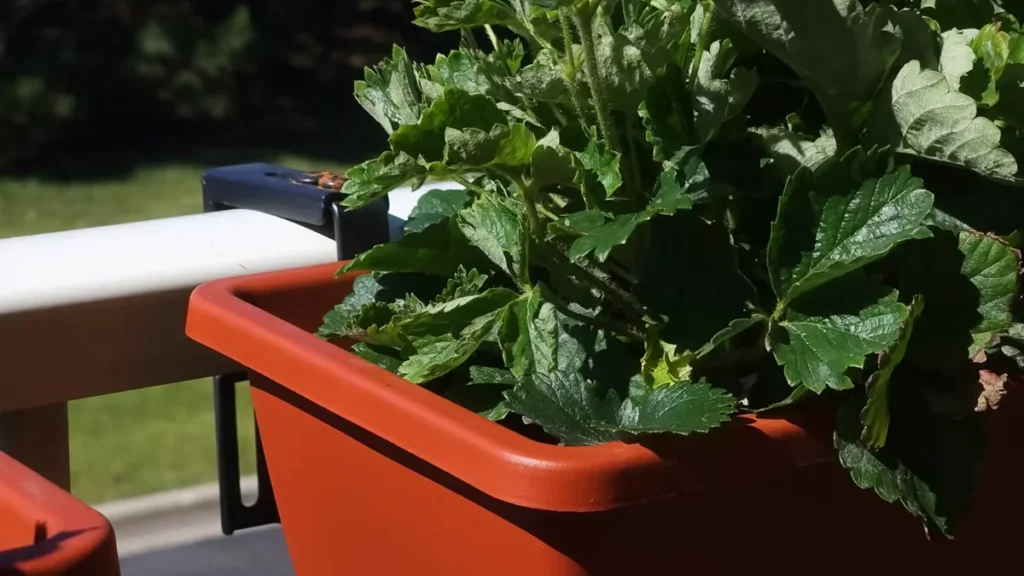
Balcony gardening often looks calm and controlled, but keeping plant pots stable is one of the most overlooked challenges. Unlike ground gardens, balconies deal with sudden wind movement, hard flooring, and limited space — all of which make pots easier to shift, tilt, or fall.
You can secure plant pots on a balcony by using wide, stable pots, adding weight at the base, placing them on non-slip surfaces, and positioning them away from edges or strong wind exposure. The most effective setups focus on preventing movement early, rather than trying to stop pots after they start tipping.
This guide focuses on practical, balcony-friendly ways to secure your pots without making things complicated. You’ll understand what causes instability, how to fix it, and how to adjust your setup based on your balcony conditions.
Table of Contents
Why Securing Pots Is Different on a Balcony
On a balcony, pots are exposed to forces that don’t exist in ground gardens. Wind can move freely between buildings, surfaces are often smooth, and there is no soil around the pot to hold it in place. Even something as simple as watering can change how stable a pot feels.
Space also plays a role. Pots are often placed closer together or near edges, which increases the risk of tipping or sliding. At the same time, weight limits mean you cannot simply solve the problem by choosing the heaviest pot available.
This is why pot choice matters more than most people expect. Some containers are designed to be lightweight and easy to move, but that can also make them less stable in exposed balcony conditions. This trade-off is often seen in setups discussed in Lightweight Pots for Apartment Balconies , where convenience needs to be balanced with safety.
How to Secure Plant Pots on a Balcony (Step-by-Step)
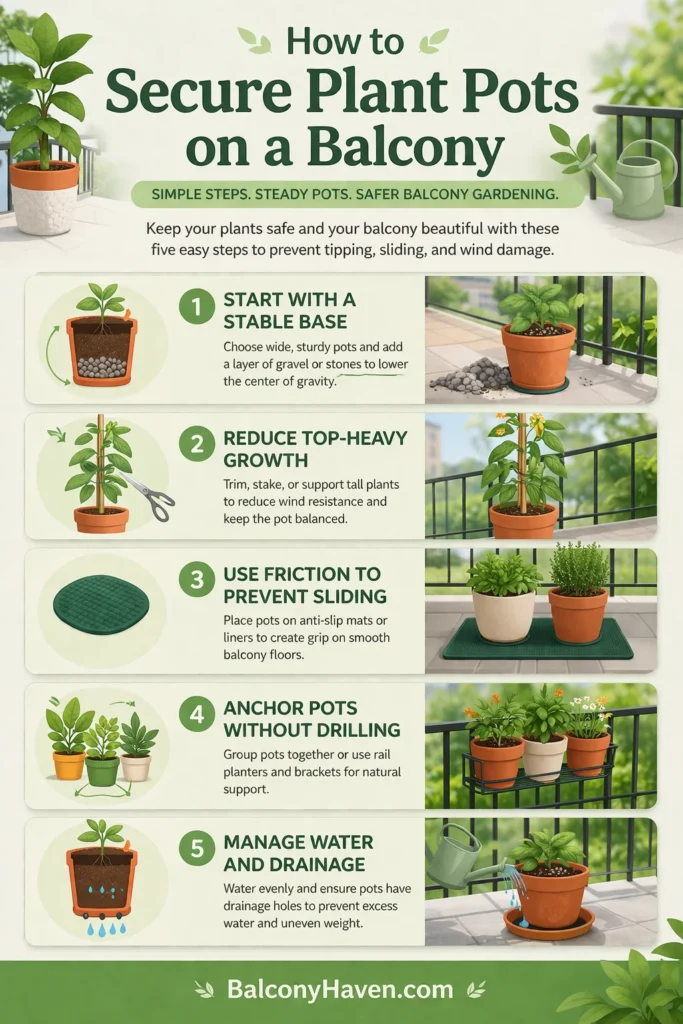
Step 1: Start With a Stable Base
Everything begins with the base of the pot. If the base is unstable, no amount of fixing later will fully solve the problem. A pot that rocks slightly or sits unevenly will slowly shift over time, especially after watering or wind exposure.
In most cases, stability improves when the bottom of the pot is wider and slightly heavier than the top. This lowers the centre of gravity and makes it harder for the pot to tip.
A simple adjustment that works well is adding a thin layer of gravel or small stones at the bottom of the pot. This does not make the pot excessively heavy, but it helps anchor it in place and improves balance.
Step 2: Reduce Top-Heavy Growth
Many balcony pots become unstable not because of the container, but because of the plant itself. When a plant grows tall or dense, it catches wind and creates pressure that pulls the pot sideways.
This is common with fruiting plants and fast-growing herbs. The plant essentially acts like a sail, especially on higher balconies where wind is less predictable.
To manage this, it helps to keep plant growth balanced and controlled. Light pruning, simple staking, and positioning plants closer to walls can significantly reduce movement. These small adjustments often make more difference than increasing pot weight.
If your balcony is exposed, wind behaviour becomes even more important. Sudden gusts can shift even stable pots if the plant above is too large or unbalanced, which is why understanding wind patterns matters in setups like those discussed in Protecting Balcony Pots from Strong Winds .
Step 3: Use Friction to Prevent Sliding
One of the simplest ways to secure pots is also one of the most effective — increasing friction between the pot and the floor. On balconies, surfaces like tiles or sealed concrete can become slippery, especially after watering.
Instead of trying to anchor the pot permanently, it is often more practical to stop it from sliding in the first place. Materials like rubber mats, anti-slip liners, or even cut pieces of old yoga mats can create enough grip to hold the pot steady.
These solutions are especially useful for renters because they do not require drilling or permanent changes. They also work quietly in the background, preventing movement without adding visible complexity to your setup.
Step 4: Anchor Pots Without Drilling
In many apartments, drilling into walls or floors is not allowed. This means securing pots needs to rely on smarter positioning rather than fixed installations.
One effective approach is to use structures that naturally hold pots in place. Rail-mounted planters, tension-based shelves, or simple brackets can stabilise pots without permanent changes. Another overlooked method is grouping pots together. When pots are placed tightly, they support each other and reduce the chance of movement.
This idea of shared stability works particularly well when combined with vertical setups. For example, if you are already using hanging or rail-based systems, integrating ideas from How to Hang Planters on a Balcony can create a more balanced and secure overall arrangement.
Step 5: Manage Water and Drainage Carefully
Water changes how a pot behaves. After watering, soil becomes heavier and may settle unevenly. At the same time, excess water can make the base slippery, especially on smooth balcony surfaces.
Instead of focusing only on securing the pot physically, it helps to manage how water moves through it. Even watering, proper drainage holes, and avoiding standing water all contribute to keeping the pot balanced.
Over time, these small habits prevent gradual shifting, which is often the hidden cause behind pots becoming unstable.
Options Based on Balcony Type
| Balcony Type | Main Risk | What Helps Most |
|---|---|---|
| Small balcony | Pots tipping due to tight space | Use wide pots, place against walls |
| Windy balcony | Pots blowing over | Use heavier pots, keep plants compact |
| Renter-friendly | No drilling allowed | Use anti-slip mats, group pots |
| Enclosed balcony | Pots sliding on smooth floors | Focus on grip and drainage control |
Different balconies require slightly different approaches, and understanding your space helps you choose the right method.
On smaller balconies, stability often comes from positioning. Keeping pots against walls and using shapes that sit flat helps reduce movement. On windy balconies, the focus shifts toward reducing height and choosing heavier, more grounded containers.
For renters, flexibility matters most. Non-slip solutions and grouping methods allow you to secure pots without making permanent changes. On enclosed or semi-enclosed balconies, wind is less of a concern, so preventing sliding becomes the main priority.
Practical Tips That Make a Big Difference
Small adjustments often improve stability more than complex setups. These are simple but effective ways to make your balcony safer:
| Check | What to Look For |
|---|---|
| Base stability | Pot sits flat, no rocking |
| Weight balance | Bottom heavier than top |
| Surface grip | Not sliding when pushed lightly |
| Plant height | Not overly tall or top-heavy |
| Position | Not near balcony edge |
Common Mistakes to Avoid
Most stability problems come from small oversights rather than major mistakes. These are the most common ones to watch for:
- Using tall, narrow pots for large or heavy plants
- Placing pots on smooth surfaces without any grip
- Ignoring wind direction, especially on higher floors
- Overwatering, which increases weight and imbalance
- Spacing pots too far apart, removing shared support
- Copying ground garden setups that don’t suit balconies
Timing and Seasonal Behaviour
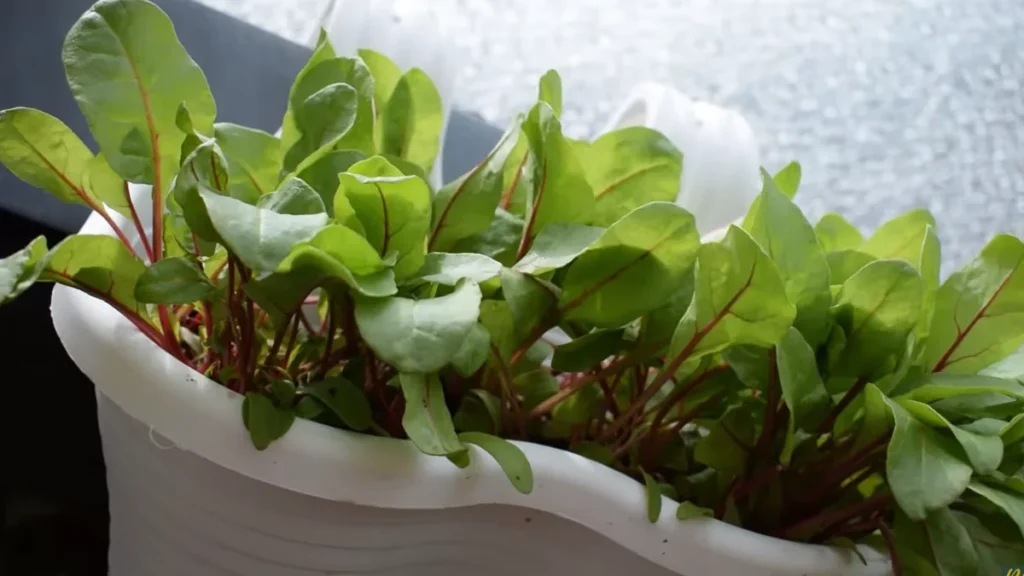
Securing pots is not something that needs a strict schedule, but it does become more important during certain conditions. Windy periods, heavy rain, and hot weather can all affect how stable your pots are.
Instead of focusing on specific dates, it is more useful to observe how your balcony behaves after weather changes. This is usually when movement starts to happen, and when adjustments are most needed.
Balcony Haven Note
I’ve noticed that pots rarely fall suddenly — they usually shift little by little until one day they tip. It often starts with something small, like a slight slide after watering or a subtle lean from wind.
That’s why I always treat stability as something you build early, not something you fix later. Even small layout changes can make a big difference, especially when you start thinking about how your balcony space works as a whole, not just where each pot sits.
Frequently Asked Questions
How do I secure pots without making them too heavy?
Focus on balance rather than weight. Lowering the centre of gravity with a small layer of gravel is usually enough. You can also choose wider pots, which naturally stay more stable without needing extra weight.
Are plastic pots safe for balconies?
They are safe, but more likely to move. Adding friction underneath or grouping them improves stability. Placing them in slightly heavier outer containers can also help keep them in place.
Should I tie pots to railings?
In most cases, it is not necessary. Positioning and friction-based methods are usually safer and simpler. If you do secure them, make sure the ties allow slight movement rather than pulling the pot tightly in one direction.
Can wind knock over heavy pots?
Yes, especially if the plant is tall and catches wind. The shape of the plant matters as much as the weight of the pot. Even heavy pots can shift over time if wind pressure keeps pushing in the same direction.
Is grouping pots effective?
Yes, tightly grouped pots support each other and reduce movement significantly. It also creates a more stable micro-layout that helps protect smaller or lighter pots from shifting.
Final Thoughts
Securing plant pots on a balcony is less about adding more and more support, and more about understanding how movement happens in the first place. Small shifts, uneven weight, and environmental factors build up over time.
When you focus on stability early, your setup becomes easier to manage and safer overall. Your plants grow better, your space feels more organised, and you avoid the stress of fixing problems later.
Balcony gardening works best when everything is steady — not just the plants, but the system around them.
Happy Balcony Gardening!
Leave a Reply