Overview
Growing spinach on a balcony often sounds simple until you realise how little direct sunlight many apartments receive. Tall buildings, covered balconies, and narrow layouts can leave gardeners wondering whether leafy greens are even worth trying in low-light spaces.
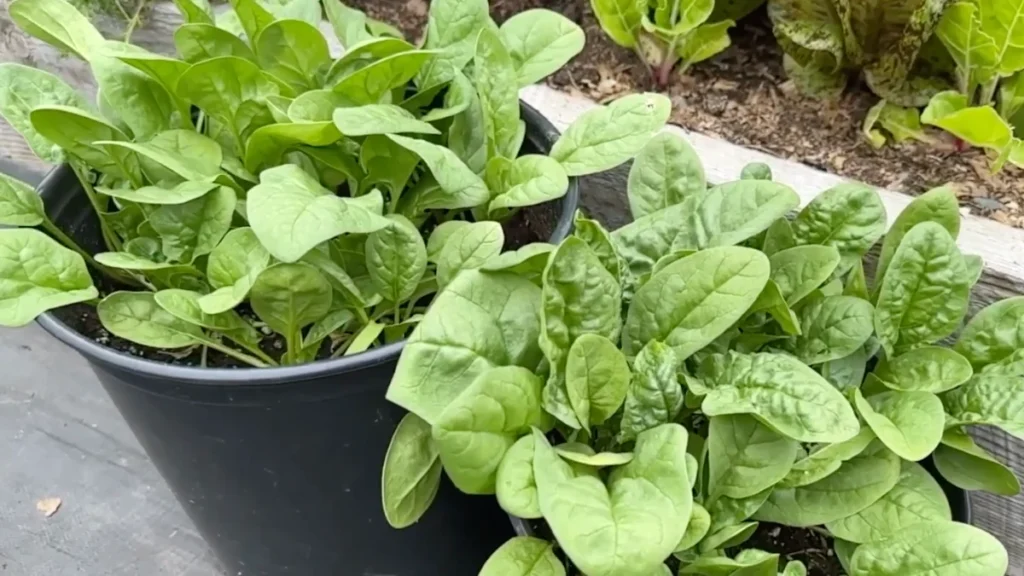
Spinach for low light balconies can grow successfully when the space provides consistent indirect light, cooler temperatures, and enough container depth to support steady root growth. Spinach does not need full sun like fruiting plants, but low light directly affects leaf size, growth speed, and harvest timing.
When light is too weak or inconsistent, spinach may grow slowly, produce smaller leaves, or stall altogether. This often leads balcony gardeners to assume they are doing something wrong, even though the issue is usually the environment rather than the plant itself.
This article explains how spinach behaves on low-light balconies, what conditions actually matter, and how to set realistic expectations so your efforts lead to usable harvests rather than frustration.
Table of Contents
Understanding the Reality of Low-Light Balconies
Most apartment balconies receive less sunlight than people expect. Even balconies that feel bright during the day may only get filtered or reflected light rather than direct sun. Overhangs, neighbouring buildings, railings, and privacy screens all reduce usable light.
Spinach is more tolerant of shade than many vegetables, but it still relies on light to produce energy. On low-light balconies, growth slows because the plant is conserving resources rather than pushing rapid leaf expansion. This does not mean spinach cannot grow, but it does change how quickly and how fully it develops.
Wind exposure, pot size, and temperature also influence results. Cool, stable conditions help spinach cope better with limited light, while heat and drying winds make low-light stress more noticeable.
Why Spinach Is One of the Better Choices for Low Light
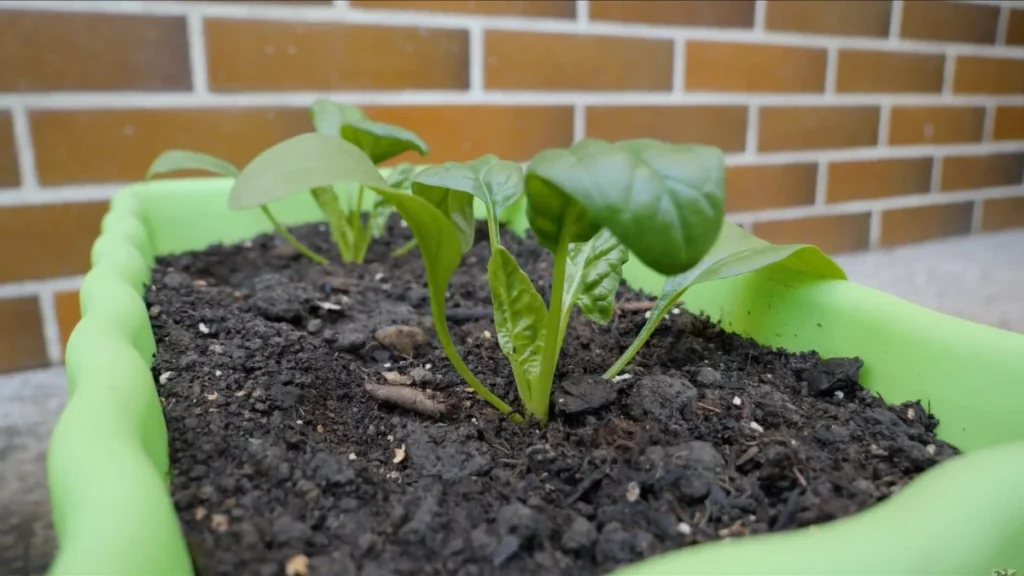
Spinach is a leafy crop, not a fruiting one. This matters because plants grown for leaves generally tolerate lower light better than plants grown for flowers or fruit.
Spinach focuses its energy on leaf production rather than flowering early in cool conditions. This allows it to adapt more easily to shaded balconies where sunlight hours are short but consistent.
That said, low light does not mean no light. Spinach still needs brightness, even if that brightness comes from indirect daylight rather than direct sun.
How Much Light Spinach Actually Needs on a Balcony
Spinach grows best with around 3–4 hours of direct sun, but it can still grow with bright indirect light for most of the day. On low-light balconies, this usually means light bouncing off nearby surfaces rather than direct exposure.
The difference between success and failure often comes down to light quality, not just hours. A shaded balcony that stays bright throughout the day often performs better than a balcony with brief harsh sun followed by deep shade.
Light levels and what to expect
| Balcony light level | Spinach growth outcome |
|---|---|
| 4+ hours direct sun | Fast growth, larger leaves |
| Bright indirect light all day | Steady growth, smaller but usable leaves |
| Mixed shade with brief sun | Slow growth, harvest takes longer |
| Dim or heavily enclosed | Poor growth, weak leaves |
This table helps set expectations rather than promise results. Spinach adapts, but it cannot overcome extremely dark conditions.
Can Spinach Grow in Partial Shade?
Yes, spinach can grow in partial shade, especially on balconies that remain cool and bright. Partial shade often reduces heat stress, which spinach prefers, particularly in warmer months.
In shaded conditions, spinach tends to produce softer leaves and grow more slowly. Harvests may be smaller, but the plant often stays productive longer before bolting.
What matters most is consistency. Sudden shifts from shade to strong sun or fluctuating temperatures tend to stress the plant more than steady low light.
Choosing Containers for Low-Light Spinach
Container choice plays a bigger role in low-light situations because roots need stable moisture and space to compensate for slower top growth.
Shallow containers dry quickly and limit root expansion, which makes low-light stress worse. Deeper containers hold moisture longer and allow spinach to develop a stronger root system.
For most balconies, a pot depth of 20–25 cm provides a good balance between space, moisture retention, and weight.
Soil and Moisture Considerations in Shaded Areas
Low-light balconies dry more slowly than sunny ones. This changes how spinach roots behave and how water moves through the soil.
Overwatering is more common than underwatering in shaded spaces. Constantly damp soil reduces oxygen around roots, slowing growth even further.
A free-draining potting mix helps prevent water buildup while still holding enough moisture for consistent growth. Spinach prefers even moisture rather than cycles of wet and dry.
Practical Tips for Growing Spinach on Low-Light Balconies
Small adjustments make a noticeable difference when light is limited.
- Place pots where the balcony feels brightest during most of the day
- Use light-coloured walls or surfaces to reflect daylight
- Avoid overcrowding plants, as shade compounds leaf competition
- Keep soil consistently moist, not saturated
- Harvest outer leaves regularly to encourage continued growth
These tips support steady progress without over-managing the space.
Common Mistakes That Limit Spinach Growth in Shade
Many issues come from treating spinach like sun-loving vegetables.
- Expecting fast growth in very low light
- Using shallow containers that dry unevenly
- Overwatering due to slow soil drying
- Placing pots in the darkest corner of the balcony
- Ignoring airflow, which helps prevent disease
Avoiding these mistakes often improves results more than changing fertilisers or varieties.
Seasonal Considerations for Australian Balconies
In Australia, spinach performs best during cooler months. Low-light balconies often work in your favour during autumn, winter, and early spring when heat stress is reduced.
During warmer periods, shaded balconies can actually protect spinach from bolting too quickly. However, humidity and airflow become more important to prevent fungal issues.
Seasonal observation matters more than calendar rules. Each balcony responds differently depending on exposure and layout.
Balcony Haven Note
On my own apartment balcony, spinach has been one of the easiest leafy greens to grow, even in low-light conditions. I’ve noticed that spinach and similar greens tend to respond more to available light and airflow than to plant variety alone.
When light is limited, factors like container depth and temperature often shape how steadily spinach grows. Small differences in brightness or exposure can make a noticeable difference from one balcony to another.
If you’re dealing with shade more broadly and want to explore plants that cope well beyond spinach, Best plants for shaded apartment balconies offers a helpful overview of what usually adapts best to low-light apartment spaces.
Frequently Asked Questions
Can I grow spinach on my balcony?
Yes, spinach can grow on balconies as long as the space receives bright light, even if direct sun is limited. Growth speed and leaf size depend on light quality and consistency.
Can spinach grow in low light?
Spinach can grow in low light when the area remains bright throughout the day. Very dim balconies usually result in slow or weak growth.
What can I grow on a shaded balcony?
Leafy greens like spinach, lettuce, and some herbs tolerate shade better than fruiting plants. These crops focus on leaf production rather than flowers or fruit.
Does spinach grow well in partial shade?
Spinach grows well in partial shade, especially in cooler conditions. Partial shade often helps delay bolting and extend the harvest period.
Final Thoughts
Spinach for low light balconies is less about forcing growth and more about working with realistic conditions. When light is limited, success comes from stable moisture, adequate container depth, and patience.
Low-light balconies are not failures; they simply behave differently. Spinach adapts better than many vegetables, but results improve when expectations match the environment.
Start by observing how light moves through your space, adjust placement gradually, and allow time for the plant to respond. Over time, your balcony will show you what it can support.
Happy Balcony Gardening!
Leave a Reply