Overview
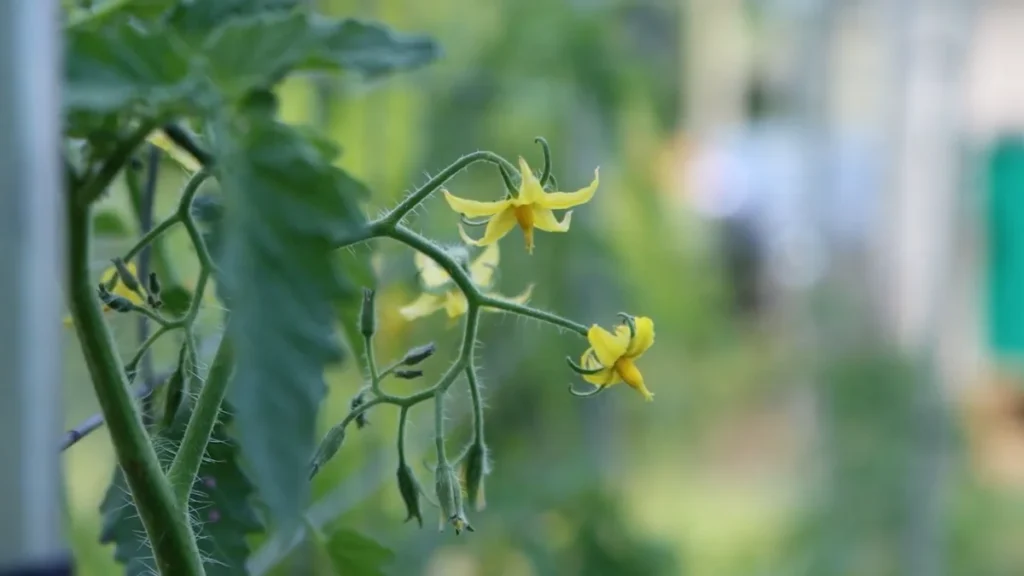
Seeing tomato flowers appear and then fall off can be frustrating, especially when space and time are limited on a balcony. Many apartment gardeners expect flowers to turn into fruit, so when blossoms drop, it often feels like something has gone wrong.
Tomatoes dropping flowers on a balcony usually happens because the plant is reacting to stress rather than disease. Factors like heat build-up, wind exposure, inconsistent watering, limited root space, or sudden environmental changes can interrupt pollination and cause flowers to fall before fruit forms.
When this continues, plants may look healthy but produce little or no tomatoes. Flowers form, drop, and repeat, leaving balcony gardeners wondering if tomatoes are even suited to small spaces.
The good news is that flower drop is one of the most common tomato issues on balconies, and it is almost always linked to conditions rather than skill. This article explains why it happens, how balcony environments influence flowering, and what actually helps tomato plants hold onto their blossoms.
Table of Contents
Understanding the Balcony Reality
Balconies behave very differently from backyards. Surfaces like concrete and glass trap heat, wind flows unpredictably between buildings, and pots dry out faster than garden beds. Even balconies with good sunlight can experience sudden temperature spikes or strong gusts that stress plants.
Tomatoes are especially sensitive during flowering. While they tolerate a wide range of conditions during leaf growth, flowers require more stable temperatures, gentle airflow, and consistent moisture to stay attached and set fruit. On balconies, those conditions can change quickly from day to day.
Because of this, flower drop on balconies is rarely caused by a single mistake. It is usually the result of several small stresses happening at the same time.
Why Tomato Flowers Fall Off on Balconies
Heat Stress Is the Most Common Trigger
Tomato flowers struggle when temperatures rise too high, especially when nights stay warm. On balconies, heat reflects off walls and floors, creating hotter conditions than nearby gardens.
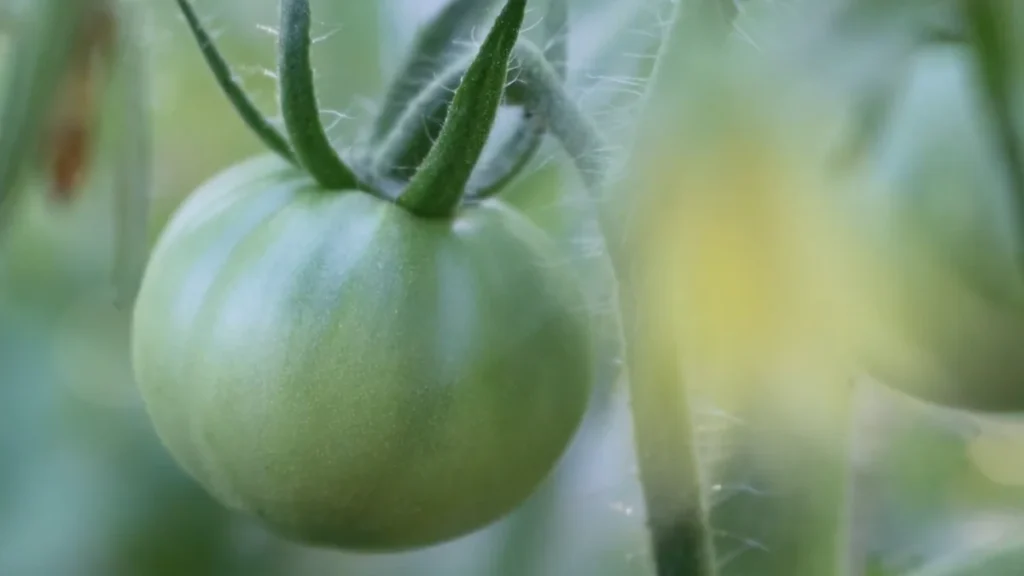
When daytime temperatures climb above roughly 30°C or nighttime temperatures remain high, pollen becomes less viable. Flowers may still open, but they fail to pollinate and drop soon after.
Wind Interferes With Pollination
While tomatoes are self-pollinating, they still rely on gentle movement to release pollen. Strong or constant wind can shake flowers too aggressively or dry them out, making pollination less likely.
Windy balconies often show healthy plants with repeated flower drop, especially on upper floors or exposed corners.
Inconsistent Watering Disrupts Flower Development
Balcony pots dry quickly, particularly in warm or windy weather. When soil moisture fluctuates too much, tomato plants prioritise survival over reproduction.
Even short periods of dryness followed by heavy watering can trigger flower drop, as the plant struggles to balance water uptake.
Limited Root Space Adds Hidden Stress
Tomatoes grown in small containers may produce flowers but lack the root capacity to support fruit development. When resources are limited, the plant sheds flowers to conserve energy.
This is especially common on balconies where weight limits or space restrict pot size.
A Quick Comparison of Common Balcony Stress Factors
| Balcony Condition | How It Affects Flowers |
|---|---|
| High reflected heat | Reduces pollen viability |
| Strong or constant wind | Interrupts pollination |
| Drying soil | Signals stress to the plant |
| Small containers | Limits energy for fruiting |
This combination explains why tomato flowers often drop even when plants look healthy.
Should You Pull Flowers Off Tomato Plants?
Many balcony gardeners wonder if removing flowers helps the plant focus on growth. This can be useful early in the season when plants are very small or recently transplanted.
However, once a tomato plant is established, regularly pulling flowers can delay fruiting rather than improve it. On balconies, it is usually better to focus on stabilising conditions instead of removing blossoms.
If flowers are dropping on their own, the plant is already responding to stress. Removing more flowers does not solve the underlying issue.
Can Overwatering Cause Blossom Drop?
Yes, overwatering can contribute to flower drop, especially in containers with poor drainage. When roots sit in wet soil, oxygen levels drop and nutrient uptake becomes less efficient.
On balconies, overwatering often happens as a reaction to heat. Gardeners water more frequently, but if excess water cannot drain properly, roots become stressed.
The result can look the same as underwatering: healthy leaves, weak flowering, and dropped blossoms.
Practical Ways to Support Flower Retention
Small adjustments often make a noticeable difference on balconies. These are not strict rules, but common improvements that reduce stress.
- Keep soil moisture steady rather than cycling between dry and soaked
- Reduce heat exposure with shade during extreme afternoons
- Position pots where wind is filtered rather than fully blocked or fully exposed
- Use containers deep enough to support stable root growth
Each balcony responds differently, so gradual changes tend to work better than sudden overhauls.
Common Balcony Tomato Mistakes
Even experienced gardeners run into these issues on balconies:
- Using pots that are too small for fruiting tomatoes
- Assuming more sun always equals better flowering
- Watering on a fixed schedule instead of checking soil moisture
- Ignoring wind patterns created by nearby buildings
- Expecting immediate fruit set during heat waves
These mistakes are easy to make because balconies exaggerate environmental effects.
Seasonal Notes for Australian Balconies
In many parts of Australia, tomatoes flower during periods of rising heat rather than stable spring conditions. Early summer heat waves often cause flower drop even on well-set-up balconies.
Later in the season, when temperatures stabilise slightly, the same plants may suddenly begin setting fruit without major changes. This pattern is common and does not necessarily mean the plant is failing.
Balcony Haven Note
On an apartment balcony, tomatoes dropping flowers often seems to come down to environmental limits rather than the plants themselves. Factors like wind exposure, heat build-up, and container size tend to influence flowering more than plant variety alone. Small, realistic adjustments usually make a bigger difference than trying to create ideal conditions, and this can vary from one balcony to the next.
If you want a deeper look at how container size influences tomato performance, Best pot size for balcony tomatoes explains how root space affects flowering, moisture stability, and overall yield.
Frequently Asked Questions
Why do tomatoes drop blossoms before fruit forms?
Tomatoes drop blossoms when pollination fails or the plant senses stress. On balconies, heat, wind, and water fluctuations are the most common causes.
How do I stop tomato flowers from dropping off?
Flower retention improves when conditions are more stable. Reducing heat stress, limiting wind exposure, and keeping soil moisture consistent usually helps more than changing fertiliser or pruning.
When should I stop pulling flowers off my tomato plant?
Once the plant is established and growing steadily, it is usually best to stop removing flowers. Continued flower removal can delay fruiting rather than improve it.
Can overwatering cause blossom drop?
Yes. Overwatering in containers can stress roots and reduce oxygen levels, which may lead to flower drop even when the plant looks healthy.
Final Thoughts
Tomatoes dropping flowers on a balcony is a common response to environmental stress rather than a sign of failure. Balconies amplify heat, wind, and moisture changes, and tomato plants react quickly during flowering.
By paying attention to how your specific space behaves and making small adjustments over time, flower drop often reduces naturally. Every balcony is different, and progress usually comes from observation rather than forcing results.
With patience and steady conditions, many balcony tomatoes eventually settle into fruiting once the environment becomes more supportive.
Happy Balcony Gardening!
Leave a Reply