What Are the Best Plants for a Windy Balcony?
A windy balcony can make gardening feel like a losing battle. Pots tip over, leaves tear, soil dries out faster than expected, and plants that looked strong at the nursery suddenly struggle once exposed to constant airflow.
The best plants for a windy balcony are hardy, flexible, and drought-tolerant plants such as lavender, thyme, rosemary, ornamental grasses, sedum, and native wildflowers. These plants cope well with constant airflow, drying conditions, and exposure, allowing them to stay upright and healthy rather than becoming damaged by wind.
When unsuitable plants are used, the impact builds quickly. Growth slows, foliage looks tired, and watering turns into a daily task with limited results.
This article explains which plants actually cope well on windy balconies, why they perform better than others, and how to recognise plants that suit exposed apartment conditions.
Understanding the Reality of Windy Balconies
Wind behaves differently on balconies than in gardens. Height, surrounding buildings, and open edges can create constant airflow that never fully settles. This affects plants in several ways at once.
Wind pulls moisture from leaves and soil, increasing water stress even when temperatures are mild. It also flexes stems repeatedly, which weakens plants that are not naturally flexible. On top of this, pots dry out faster, and lightweight containers can shift or topple.
Plants that succeed on windy balconies are usually those that evolved in open, exposed environments. They bend instead of snapping, conserve moisture, and tolerate fluctuating conditions without stress.
Plants That Perform Best on Windy Balconies
Hardy Herbs That Cope With Airflow
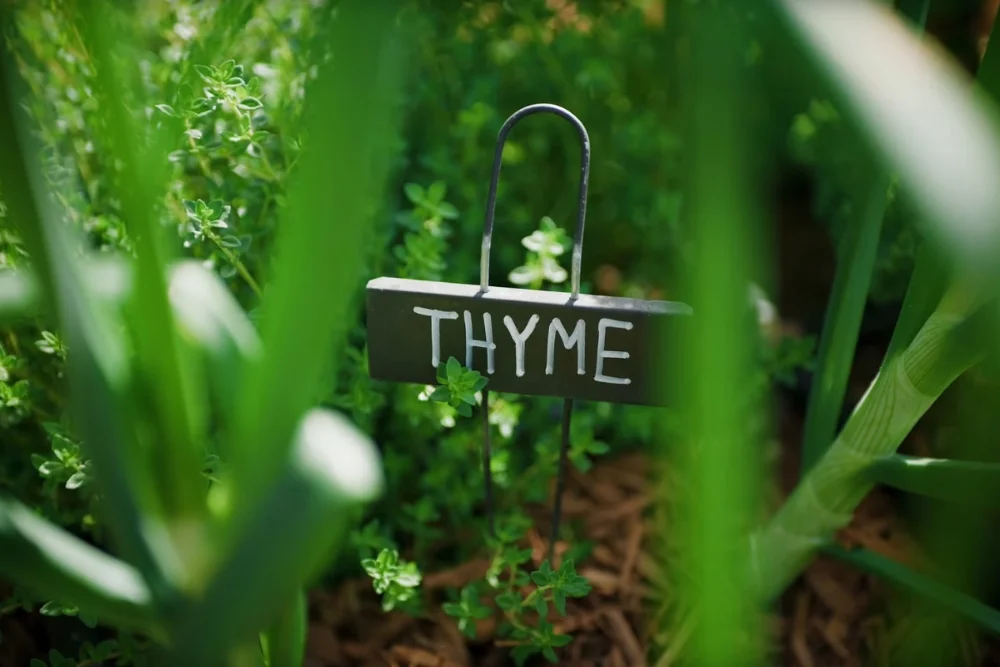
Some herbs naturally tolerate wind because of their woody stems and small leaves. Thyme, rosemary, lavender, and sage handle airflow well and recover quickly after gusts.
These herbs lose less moisture through their leaves and remain stable in containers, making them reliable choices for exposed balconies.
Flexible Flowering Plants
Flowering plants that move with the wind rather than resist it often perform best. Ornamental grasses, snapdragons, and certain native wildflowers bend easily and continue growing without damage.
Their flexible structure allows them to absorb wind energy instead of breaking under pressure.
Succulents and Drought-Tolerant Plants
Succulents such as sedum and hardy groundcovers cope well with wind because they store water internally. Their compact growth and thick leaves reduce moisture loss, even in constant airflow.
These plants are especially useful on balconies that combine wind with strong sun.
Tough Perennials and Shrubs
Plants like Russian sage, daylilies, and hellebores tolerate exposure and continue growing steadily once established. In containers, they remain manageable while offering long-term structure.
What Plants Do Well in Windy Conditions?
Plants that do well in windy conditions are those with flexible stems, smaller leaves, or drought-tolerant traits. They tend to grow steadily rather than rapidly and are less affected by constant movement.
Rather than focusing on appearance alone, it helps to notice whether a plant bends easily and maintains leaf health under stress.
What Are the Best Potted Plants for a Windy Balcony?
The best potted plants for a windy balcony are those that remain stable in containers and don’t rely on soft, delicate growth. Compact herbs, flexible flowering plants, and hardy perennials perform more reliably than tall or top-heavy plants.
Pot weight and balance also matter, as stable containers reduce additional stress on roots.
Practical Tips for Managing Plants on Windy Balconies
Windy balconies benefit from small adjustments that reduce stress without overcomplicating setup.
- Use heavier pots to improve stability
- Choose compact or flexible plants
- Group plants to reduce direct wind exposure
- Avoid very tall, top-heavy varieties
- Check soil moisture more frequently in windy weather
Common Mistakes on Windy Balconies
Many plant failures come from mismatched expectations rather than poor care.
- Choosing soft, leafy plants that tear easily
- Using lightweight pots that tip or shift
- Overwatering to compensate for wind stress
- Ignoring airflow when positioning plants
- Expecting garden plants to behave the same in containers
Local Context: Windy Balconies in Australia
In Australia, windy balconies often combine airflow with strong sun and heat. Coastal areas and high-rise apartments experience especially drying conditions, even outside peak summer.
Seasonal wind patterns also affect plant performance. Plants that cope well in winter may struggle in summer if wind and heat overlap. Observing these patterns helps explain why some plants remain stable year-round while others decline.
The Balcony Haven Note
On my own apartment balcony, rosemary and thyme were the plants that held up best in windy conditions. Their tougher growth and smaller leaves seemed less affected by constant airflow than softer plants. How well they performed still varied depending on balcony height, layout, and overall exposure.
If wind on your balcony also combines with strong sun and heat, plant choice becomes even more important. You may find it helpful to read about drought-tolerant plants for hot balconies, which covers plants that cope well with both exposure and drying conditions.
FAQs About the Best Plants for a Windy Balcony
What plants are good for windy balcony Australia?
Plants that grow well on windy Australian balconies are those adapted to exposure, heat, and drying conditions. Hardy herbs like rosemary and thyme, ornamental grasses, native wildflowers, and drought-tolerant perennials tend to cope better because they evolved in open environments. These plants lose less moisture, bend rather than snap, and recover more easily after strong gusts.
What plants do well in windy conditions?
Plants that do well in windy conditions usually have flexible stems, smaller or thicker leaves, or the ability to store water in their tissues. These traits reduce damage from constant movement and slow moisture loss. Rather than focusing on height or appearance, plants with compact or resilient growth habits tend to remain healthier in exposed spaces.
How do you make a balcony less windy?
Wind on balconies is often shaped by building height, open edges, and surrounding structures. While barriers or screens can reduce airflow in some cases, the biggest improvement usually comes from selecting plants that tolerate wind rather than trying to block it completely. Over time, stable plant choices make the space feel calmer without needing major changes.
What should you do about a windy balcony?
A windy balcony is usually easier to manage by working with the conditions rather than against them. Choosing plants that naturally cope with exposure allows growth to stabilise and reduces ongoing stress. Once suitable plants are in place, the balcony often becomes more predictable and easier to maintain.
Final Thoughts
Windy balconies can feel unforgiving at first, but they are often more predictable than they appear. The plants that succeed are usually those already adapted to open, exposed environments, where movement, drying air, and fluctuating conditions are normal rather than harmful.
When plant choices match these realities, wind stops being a constant setback and becomes just another part of the space. Over time, watching which plants stay upright, retain healthy leaves, and recover after gusts helps narrow future choices. With the right plant types, even very windy balconies can support stable, long-term growth rather than ongoing frustration.
Happy Balcony Gardening!
Leave a Reply