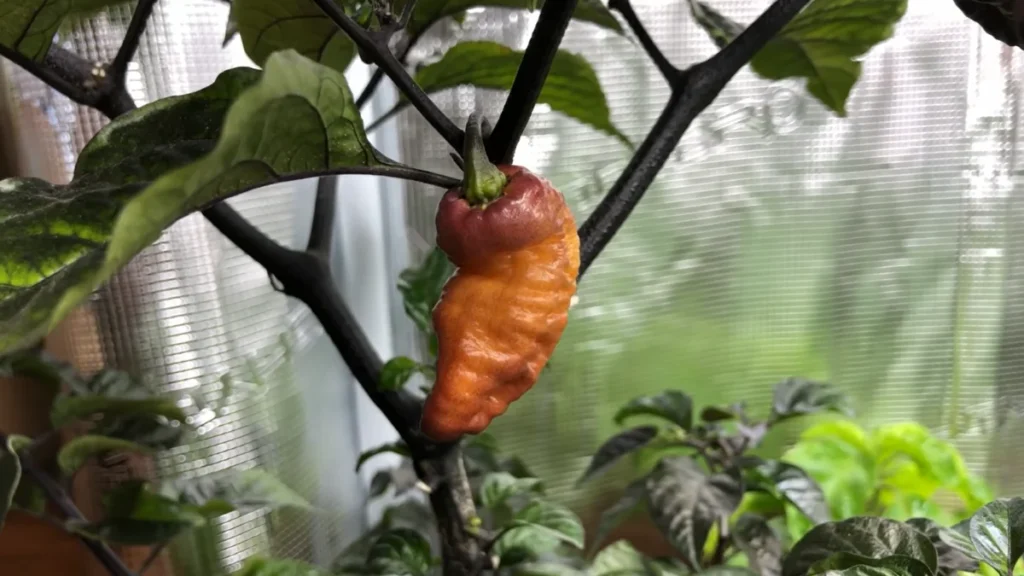
Growing plants in a semi-enclosed balcony can feel surprisingly tricky. At first glance, it seems like the perfect setup — protected from wind, shielded from harsh sun, and easier to manage than an open balcony. But many plants either grow slowly, stretch toward the light, or stay green without really thriving, which leads many people to wonder what plants grow well in a semi-enclosed balcony.
Plants grow well in a semi-enclosed balcony when they can adapt to filtered light, reduced airflow, and slightly higher humidity — such as herbs (mint, parsley, basil), leafy greens (lettuce, spinach), compact fruiting plants like chillies, and shade-tolerant flowers like begonias. These plants naturally suit stable, low-stress balcony environments.
This guide breaks down what actually works in these conditions, why certain plants succeed while others struggle, and how to choose plants that fit your exact balcony — not just general advice.
Table of Contents
Why Semi-Enclosed Balconies Are Different (And Why It Matters)
| Condition | Open Balcony | Semi-Enclosed Balcony |
|---|---|---|
| Soil Drying Speed | Fast | Slow |
| Airflow | Strong | Limited |
| Risk | Underwatering | Overwatering |
A semi-enclosed balcony creates a quiet, controlled growing space. Instead of dealing with strong wind or direct sun, plants experience softened light, slower air movement, and more stable temperatures. This sounds ideal, but it changes how plants behave.
Without strong airflow, moisture tends to stay longer in both soil and leaves. Light often arrives at an angle rather than directly overhead, which reduces intensity even if the space looks bright. Over time, this can lead to plants growing “comfortably” but not actively — meaning they survive, but don’t reach their full potential.
This is why many people see healthy leaves but no flowers or fruits. The environment supports maintenance growth, but not always full development.
If your setup leans more toward low light, it shares similarities with shaded spaces, which is why some plant choices overlap with those recommended in Best Plants for Shaded Apartment Balconies.
Best Potted Plants That Thrive in Semi-Enclosed Balconies
Instead of thinking in terms of “best plants overall,” it helps to group plants based on how they respond to this type of environment.
| Plant Type | Examples | Light Needs | Difficulty | Why It Works Here |
|---|---|---|---|---|
| Herbs | Mint, Basil, Parsley | Low–Medium | Easy | Adapt to soft light and recover fast |
| Leafy Greens | Lettuce, Spinach | Low | Easy | Don’t need strong sun to produce |
| Fruiting Plants | Chillies, Strawberries | Medium | Medium | Can grow, but need some direct light |
| Flowers | Begonias, Impatiens | Low–Medium | Easy | Thrive in filtered light and stable humidity |
Herbs That Adjust Naturally
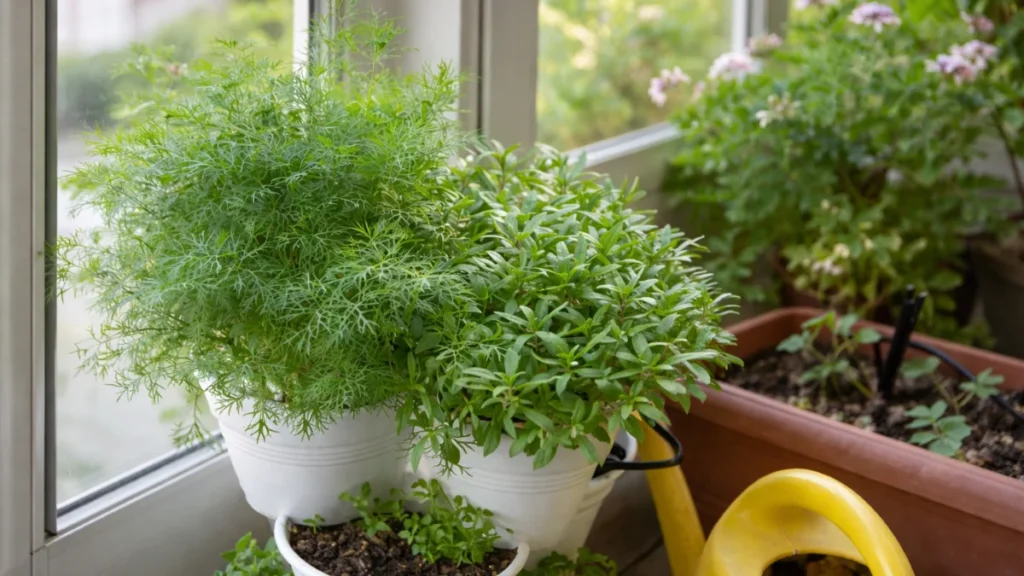
Herbs are often the most forgiving plants in semi-enclosed balconies. They are naturally adaptable and don’t rely heavily on intense sunlight to stay productive.
Plants like mint, parsley, basil, and coriander tend to perform well because they focus on leaf production rather than fruiting. Their growth pattern suits softer light conditions, and they recover quickly even if conditions fluctuate slightly.
Basil, for example, behaves differently depending on light levels. In shaded or semi-enclosed setups, it grows slower but remains usable for longer periods, which is explained further in Basil Growing Tips for Shaded Balcony.
Leafy Greens That Don’t Need Strong Sun
Leafy greens are one of the most reliable choices for semi-enclosed balconies. Unlike fruiting plants, they don’t require intense sunlight to produce results.
Lettuce, spinach, and kale grow steadily in filtered light because their goal is to produce leaves rather than flowers or fruit. In fact, too much heat or direct sun can stress them, so semi-enclosed spaces often create a more stable growing environment for these plants.
This makes them ideal for beginners or anyone wanting consistent, low-maintenance results.
Compact Fruiting Plants (With Limits)
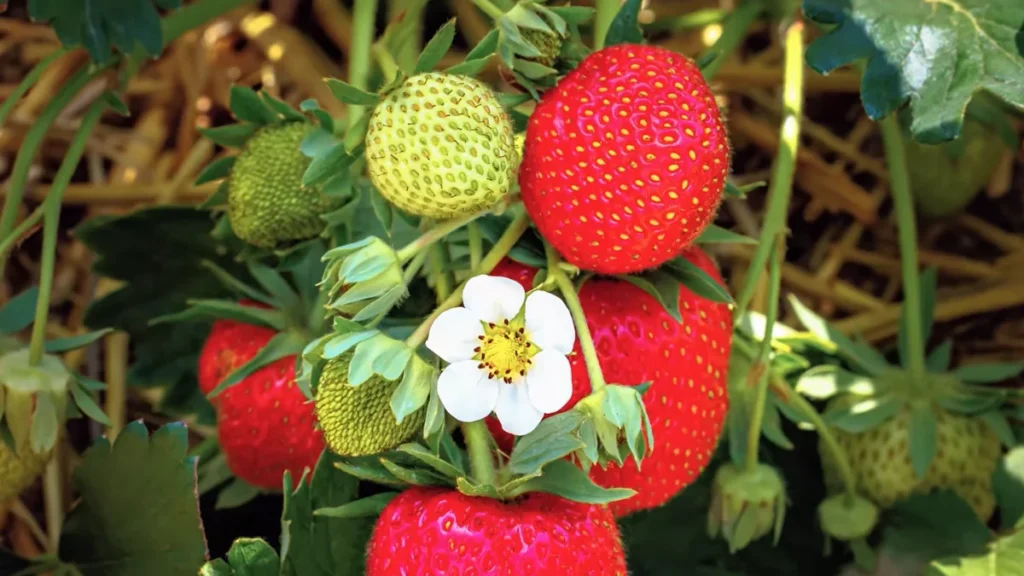
Fruiting plants can still grow in semi-enclosed balconies, but they require a bit more attention to light conditions. Chillies, strawberries, and small tomato varieties can survive and grow, especially if the balcony receives some direct sunlight during the day.
However, these plants are more sensitive to light limitations. They may grow well but produce fewer fruits, which is a common issue in protected balcony environments. This behaviour is explained more clearly in Why Are My Balcony Plants Growing but Not Producing Fruits?
Flowers That Prefer Filtered Light
Not all flowers need full sun. Some are naturally suited to softer, indirect light and can perform better in semi-enclosed balconies than in exposed spaces.
Begonias and impatiens are good examples. They benefit from stable humidity and are less dependent on strong sunlight for blooming. In more enclosed setups, even plants like peace lilies can adapt well, especially if the space feels closer to indoor conditions.
How to Choose the Right Plant for Your Balcony
Choosing the right plant is less about following a list and more about understanding your specific setup. Even small differences in light and airflow can change outcomes.
Light direction plays a major role. A balcony that receives soft morning light behaves very differently from one that only gets indirect brightness. Airflow is equally important, even if it’s subtle. A completely still space can lead to moisture-related issues over time, while even slight air movement can keep plants healthier.
Container choice also becomes more important in semi-enclosed spaces. Since soil dries slower, overly large or poorly draining pots can hold excess moisture, which increases the risk of root problems.
Practical Tips That Make a Noticeable Difference
Small adjustments often improve plant health more than changing the plant itself. In semi-enclosed balconies, these details help balance the environment:
- Rotate pots regularly so plants grow evenly instead of leaning toward light
- Keep some spacing between pots to allow gentle airflow
- Use well-draining soil to prevent water buildup
- Water based on how the soil feels, not a fixed schedule
- Group plants with similar needs together for easier care
These habits help stabilise the environment, which is key for this type of balcony.
Common Mistakes to Avoid
Many issues in semi-enclosed balconies come from treating them like open garden spaces. Plants may look fine at first but slowly decline due to mismatched conditions.
- Choosing full-sun plants without enough light
- Watering too frequently because soil looks dry on top
- Using oversized pots that hold too much moisture
- Placing plants too close together, reducing airflow
- Expecting fruit production without sufficient sunlight
Avoiding these mistakes often leads to better results than switching plants repeatedly.
Timing and Seasonal Behavior
Semi-enclosed balconies tend to soften seasonal extremes, but they don’t remove them completely. During warmer months, heat can build up in enclosed spaces, especially if there is limited ventilation. In cooler seasons, reduced sunlight can slow plant growth noticeably.
Rather than following strict watering or feeding schedules, it’s more effective to observe how your plants respond. Changes in leaf colour, growth speed, and soil moisture give more accurate signals than the calendar.
Balcony Haven Note
From experience, semi-enclosed balconies often become the most consistent growing spaces once you understand them. They remove the stress of harsh weather, but they also require a different way of thinking — less about “maximum growth” and more about “steady, balanced growth.”
If your setup feels more enclosed than open, it behaves very similarly to controlled balcony environments discussed in What Are the Best Vegetables for Enclosed Balconies? — and that’s where many plants quietly do their best.
Frequently Asked Questions
Can plants grow faster in a semi-enclosed balcony?
They can grow steadily due to stable conditions, but growth may slow if light levels are too low. In many cases, plants focus more on leaf growth than rapid overall development in these environments.
Do I need special pots for this type of balcony?
Not special pots, but good drainage is important because water evaporates slower in enclosed spaces. Using slightly smaller or well-aerated containers can help prevent excess moisture from building up.
Are indoor plants suitable for semi-enclosed balconies?
Yes, especially if the balcony has low light and minimal airflow, similar to indoor conditions. They often adapt more easily than outdoor plants because they are already used to stable environments.
Can I grow fruiting plants successfully?
Yes, but only if your balcony receives enough sunlight. Otherwise, plants may grow without producing much fruit. Positioning them in the brightest spot available can make a noticeable difference in fruit production.
Final Thoughts
A semi-enclosed balcony doesn’t limit what you can grow — it simply changes how plants behave. Instead of chasing the “best plants,” it’s more useful to understand how light, airflow, and moisture work in your space, because those factors decide what will truly thrive.
Start with plants that match your conditions, such as herbs and leafy greens, and observe how they respond over time. As you notice patterns — where light hits, how fast soil dries, and how plants grow — choosing the right plants becomes easier and more predictable.
In the long run, a semi-enclosed balcony can become one of the most stable and rewarding growing spaces. Once you work with its conditions instead of against them, even simple setups can turn into a consistent and productive balcony garden.
Happy Balcony Gardening!
Leave a Reply