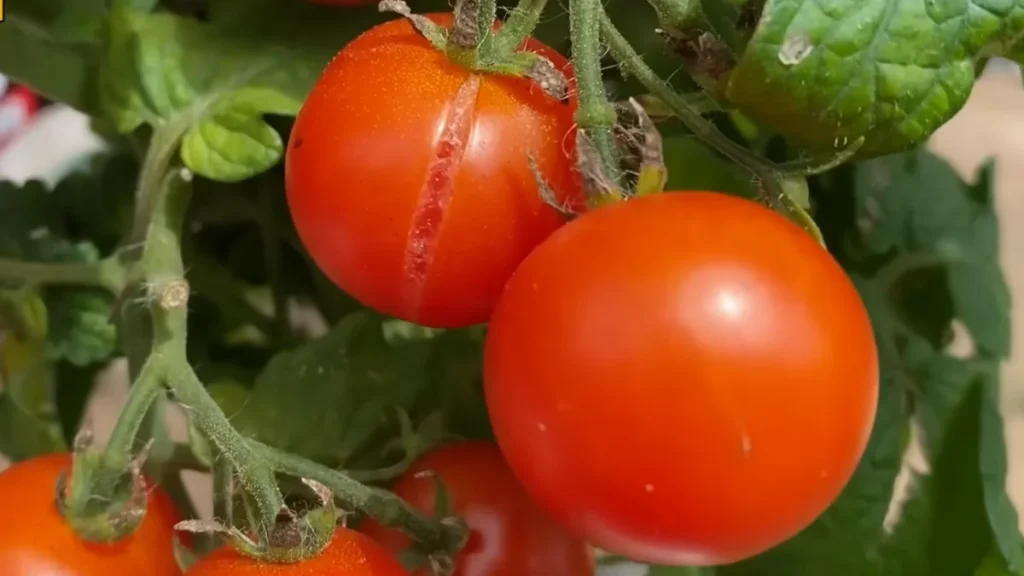
Growing vegetables on a balcony already works differently from growing them in a backyard. But enclosed balconies change the rules even more. Glass railings, walls, and wind protection can make the space warmer, calmer, and sometimes slightly shaded. That combination can be helpful for some plants — but surprisingly stressful for others.
Leafy greens, dwarf tomatoes, chilli and small peppers, vertical cucumbers, and radishes are among the best vegetables for enclosed balconies because they grow well in containers and adapt easily to sheltered balcony conditions.
This guide explains what vegetables actually grow well on enclosed balconies, why they behave differently in this environment, and how to choose plants that stay productive without needing perfect conditions. Instead of copying backyard vegetable lists, we’ll focus on vegetables that naturally adapt to balcony spaces.
Table of Contents
Balcony-Specific Constraints
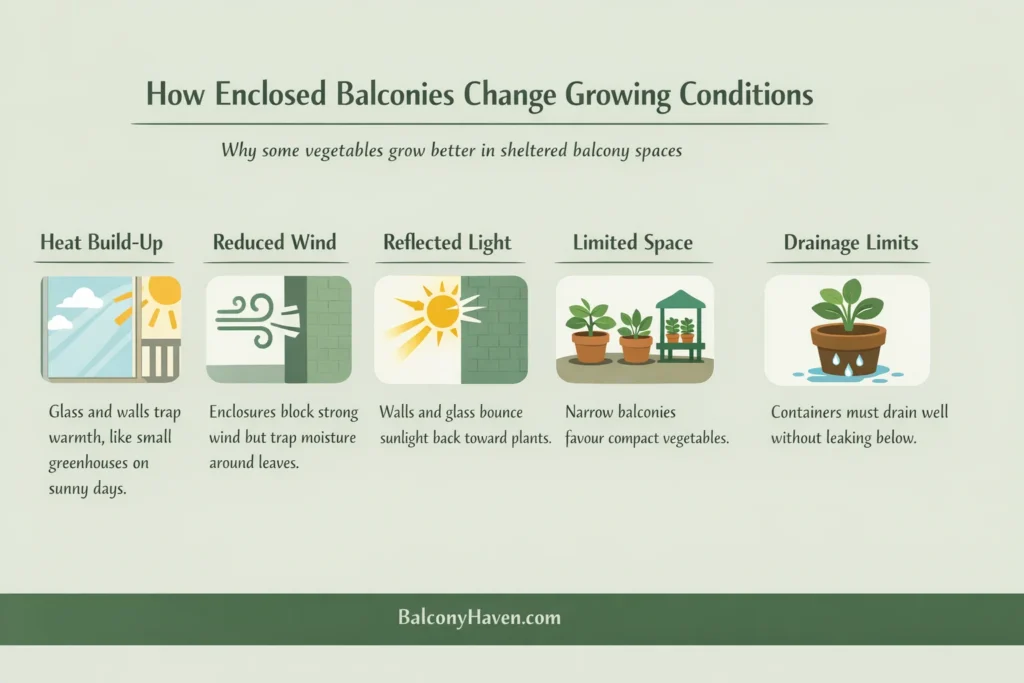
An enclosed balcony creates a very specific growing environment.
First, air movement is usually lower. Walls, glass panels, and railings block wind. This helps delicate plants, but it also means moisture can stay around leaves longer.
Second, heat can build up quickly. Enclosures often reflect sunlight and trap warmth, especially in summer. A balcony that feels comfortable for people may feel like a greenhouse to plants.
Space and weight still matter too. Many apartments restrict heavy containers, and narrow balconies mean plants must grow efficiently without spreading everywhere.
Drainage is another common challenge. Pots must hold enough soil to stay stable while still draining well — something discussed further in our guide to Deep vs Shallow Pots for Balcony Veggies.
Because of these conditions, vegetables that succeed here usually share a few common traits. They tend to tolerate warm, calm air, adapt well to containers, and either stay naturally compact or grow upward instead of spreading across the floor.
Best Vegetables for Enclosed Balconies
Instead of choosing vegetables by popularity, it helps to choose them by how they behave in calm, slightly warmer balcony air.
| Vegetable Type | Why It Works on Enclosed Balconies | Container Depth | Extra Tip |
|---|---|---|---|
| Leafy Greens (lettuce, spinach) | Tolerate mild airflow and grow quickly | 15–20 cm | Harvest outer leaves often |
| Dwarf Cherry Tomatoes | Protected from wind and grow compact | 25–30 cm | Use a small support stake |
| Chilli & Small Peppers | Love warm, stable balcony heat | 20–25 cm | Keep soil evenly moist |
| Vertical Cucumbers | Grow upward, saving space | 25–30 cm | Use a trellis or string support |
| Radishes | Fast harvest and shallow roots | 10–15 cm | Plant every 2–3 weeks |
Leafy Greens
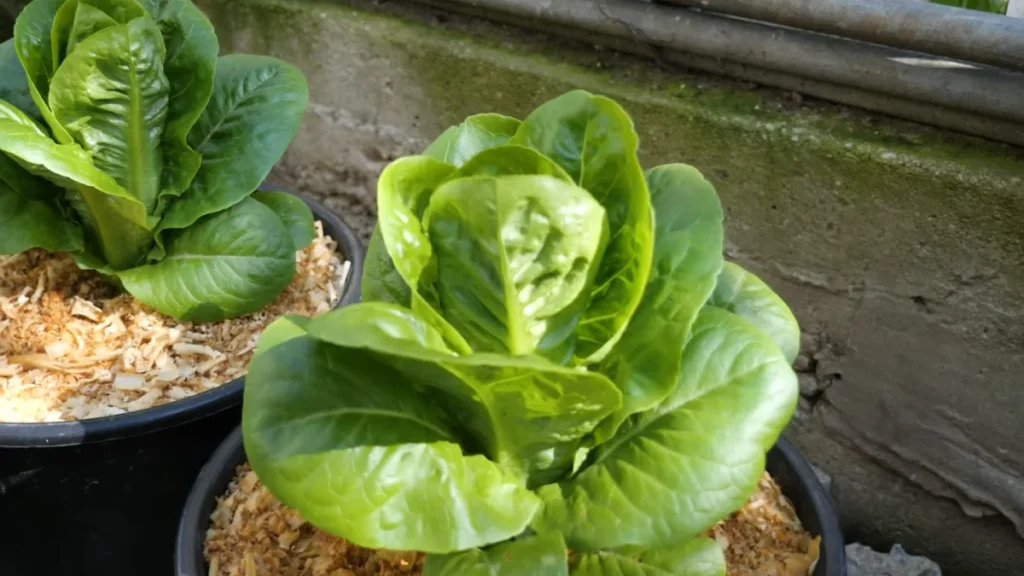
Leafy vegetables are often the most reliable choice for enclosed balconies.
Plants like lettuce, spinach, and Asian greens grow quickly and do not need deep soil or large containers. Because they grow mostly above the soil rather than producing large fruits, they place less stress on the root system inside pots.
Another advantage is that leafy greens tolerate slightly reduced airflow better than many fruiting vegetables. In enclosed spaces where air moves more slowly, this stability helps them grow steadily instead of struggling.
Leafy greens also adapt well to balconies that receive gentler morning sun rather than strong afternoon heat. If your balcony only receives a few hours of light, the growing conditions can resemble those discussed in Plants for Balconies With 2–4 Hours Sun, where many leafy plants still perform well.
Because these plants regrow after harvesting, even a small planter can produce several harvests over time.
Cherry Tomatoes (Dwarf Types)
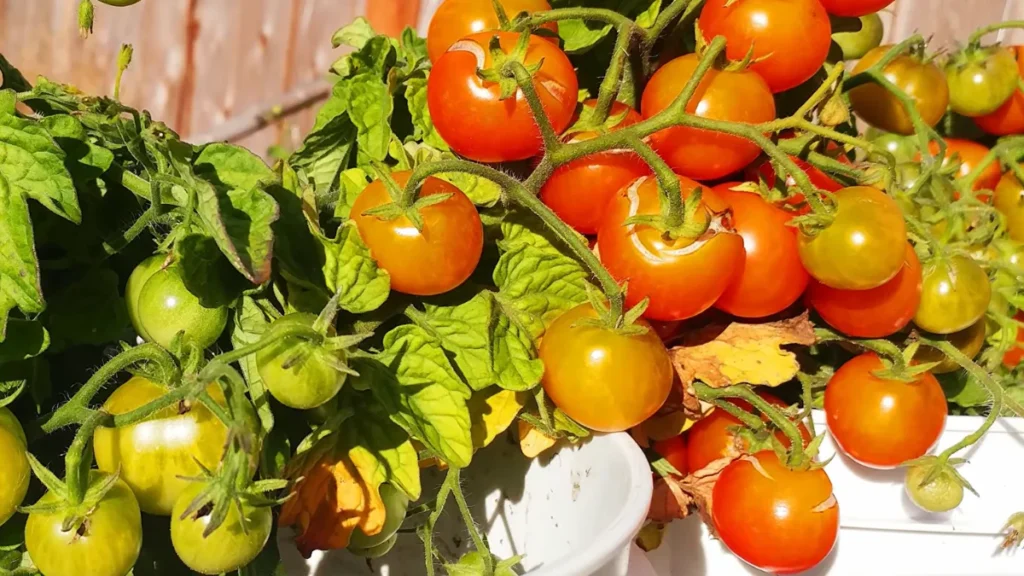
Tomatoes are often associated with large gardens, but compact varieties can grow surprisingly well in balcony containers.
Enclosed balconies actually protect tomato plants from one of their biggest problems: wind. Strong wind can damage stems and cause flowers to drop before fruit forms. A sheltered balcony removes much of that stress.
However, container size still matters. Tomatoes develop deeper root systems than leafy vegetables, so the pot must provide enough soil to hold moisture and nutrients. This is why container depth becomes important, as explained further in Best Pot Size for Balcony Tomatoes.
Choosing smaller tomato varieties makes a big difference. Dwarf and determinate tomatoes naturally stay compact, allowing the plant to focus energy on producing fruit rather than long vines.
Chilli and Small Peppers
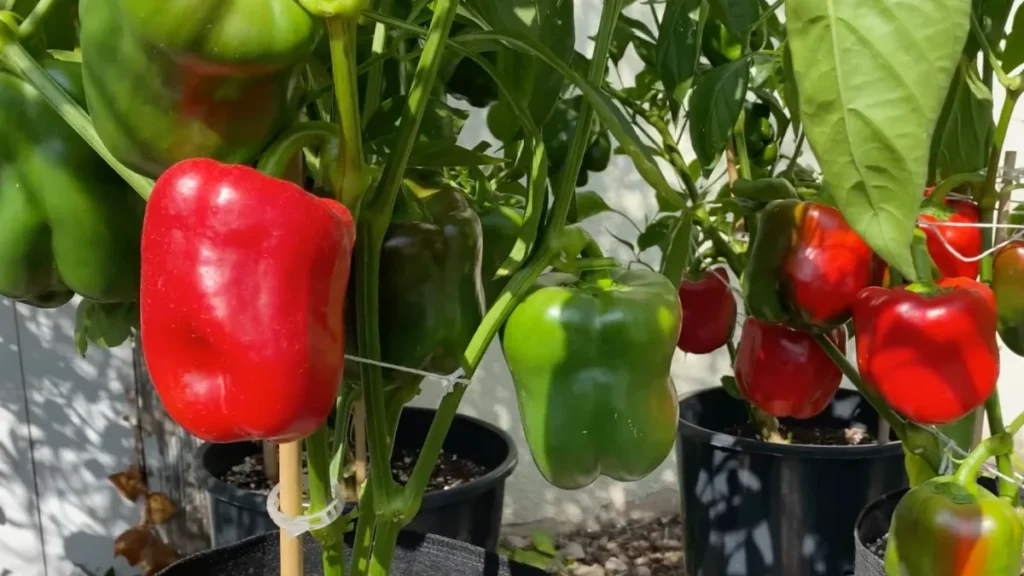
Chilli plants often perform exceptionally well in enclosed balconies because they enjoy warmth and stable growing conditions.
Unlike some vegetables that struggle when air becomes still, chilli plants generally tolerate warm and sheltered environments. The extra heat trapped in enclosed balconies can even encourage earlier fruit development.
Another advantage is their size. Most chilli plants remain compact enough to grow comfortably in medium-sized containers. Their upright growth habit also means they don’t spread across limited balcony space.
Gardeners who have tried growing chilli plants in windy areas often notice how sensitive they are to strong air movement. In fact, this behaviour is explored in Can Chili Plants Grow on a Windy Balcony, where wind exposure often becomes the main challenge.
Vertical Cucumbers
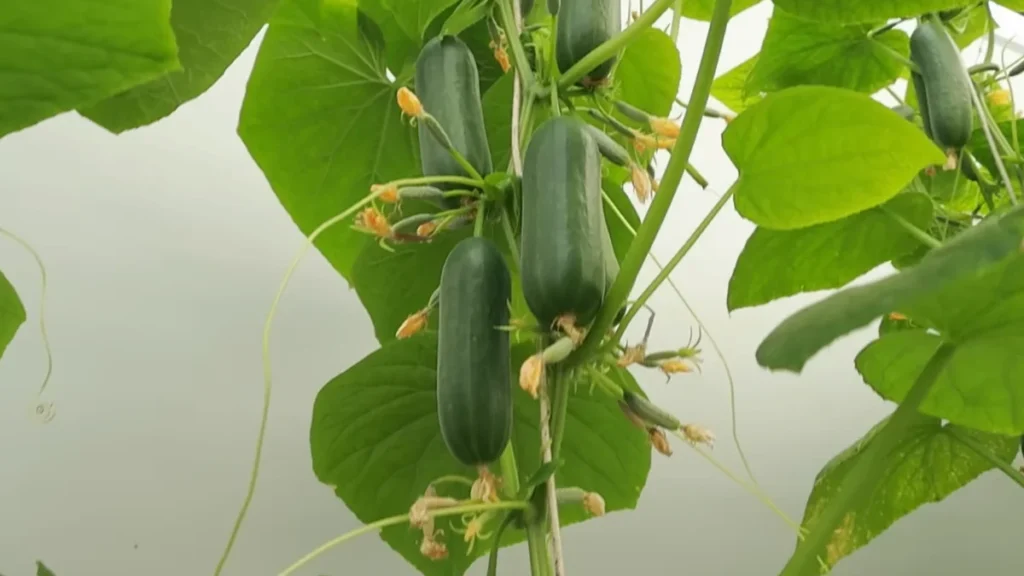
Cucumbers might seem like an unusual choice for balcony gardening, but vertical varieties adapt well when space is limited.
Instead of spreading across the ground like garden cucumbers, balcony growers can guide the plant upward using a simple trellis or support frame. This vertical approach allows one plant to produce a good harvest while using very little floor space.
Growing cucumbers vertically also improves airflow around the plant, which can reduce humidity around leaves. For balconies with limited space, this method turns a climbing plant into an efficient use of vertical area.
If you want to explore this approach further, the setup is explained in Growing Cucumbers Vertically on a Balcony.
Radishes
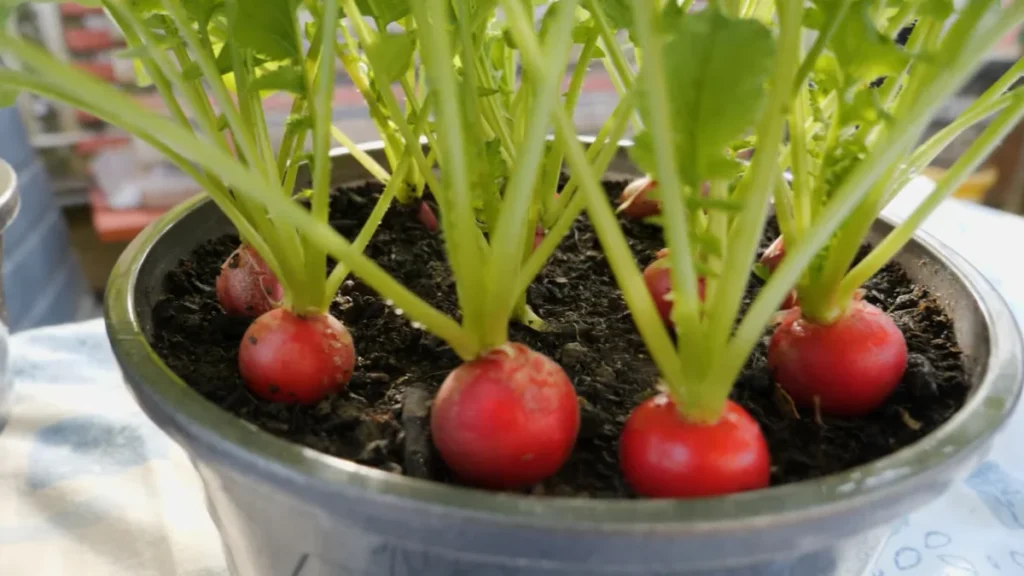
Radishes are one of the most underrated vegetables for balcony containers.
Unlike many vegetables that require weeks or months before producing food, radishes grow quickly and mature within a short time. This makes them ideal for beginners who want visible progress while learning container gardening.
Their root systems also remain relatively shallow, meaning they do not require large containers or deep soil. Even a modest planter can produce a small harvest.
Because radishes grow quickly, they can also fill temporary gaps between slower-growing plants, helping balcony gardeners make better use of limited space.
Options & Variations
Different enclosed balconies behave differently depending on sunlight, layout, and space.
Small enclosed balconies usually benefit from vegetables that grow quickly and stay compact. In these spaces, fast-growing leafy greens and small root vegetables often perform better than large fruiting plants. These crops allow multiple harvests without filling the balcony with heavy containers.
In contrast, sunny enclosed balconies can support fruiting vegetables such as tomatoes, chilli plants, and cucumbers. The warmth created by the enclosure often supports these plants well, though extreme summer heat may require some shading. Simple solutions like those discussed in Cheap Shade Solutions for Balcony Plants can make a noticeable difference.
Balconies that receive softer or partially filtered light tend to favour leafy vegetables again. Plants such as lettuce and spinach adapt more easily to these conditions than vegetables that rely on intense sunlight to produce fruit.
Practical Tips for Growing Vegetables in Enclosed Balconies
A few small adjustments can make enclosed balcony gardening much easier.
- Use lightweight containers to avoid excessive balcony weight.
- Leave small gaps between pots so air can still circulate.
- Choose compact vegetable varieties instead of garden varieties.
- Water soil directly rather than soaking leaves.
- Rotate pots occasionally so plants grow evenly.
- Harvest leafy vegetables regularly to encourage new growth.
Even simple layout changes, like those described in How to Organise Plants in a Small Balcony, can improve plant health.
Common Mistakes
Many balcony vegetable problems come from copying backyard gardening advice.
Common issues include:
- Using containers that are too small
- Packing too many plants into one area
- Ignoring trapped heat on enclosed balconies
- Watering leaves instead of soil
- Growing large garden varieties in tiny pots
Another frequent issue is poor drainage. If water cannot leave the container properly, roots can suffer from the same problems discussed in Root Rot in Small Balcony Pots.
Seasonal Context That Matters
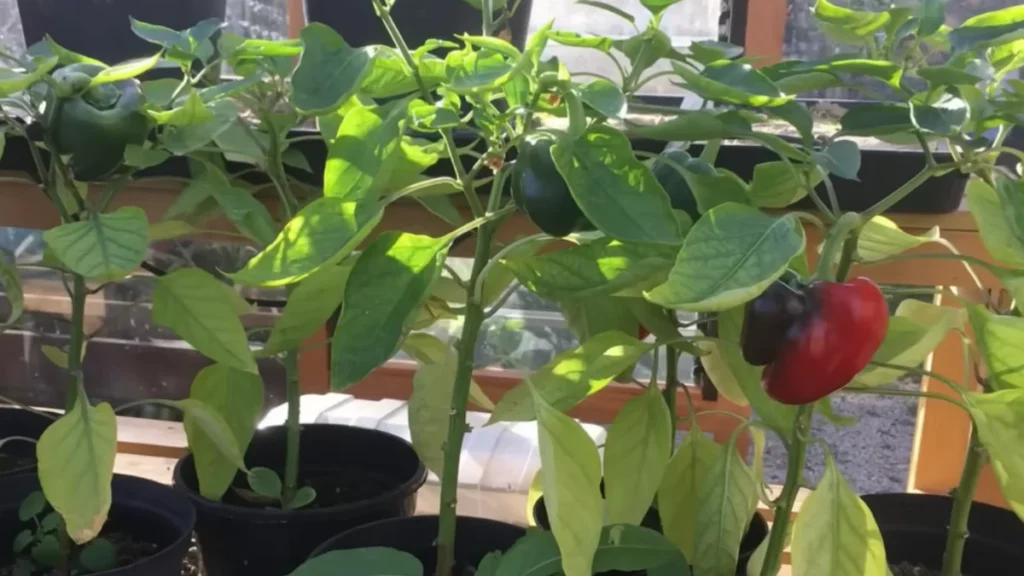
Enclosed balconies often warm up earlier than outdoor spaces. This means some vegetables can start growing slightly earlier in the season. However, it also means summer heat can build up faster.
During hotter months, pots may overheat — a situation explored in Overheating Balcony Pots in Summer.
Watching how your balcony behaves across different seasons is one of the most valuable skills a balcony gardener can develop.
Balcony Haven Note
One thing I’ve noticed with enclosed balconies is how calm the growing environment can feel. Plants aren’t constantly pushed by wind, and leaves often stay cleaner and more upright.
Interestingly, this calm environment changes which vegetables feel “easy.” Plants that struggle outside — especially delicate greens — sometimes grow quietly and steadily in enclosed balconies. The same pattern shows up in other balcony conditions too, like the behaviour described in Why do plants wilt in the afternoon sun — small environmental differences can completely change how plants respond.
FAQ
Do vegetables grow faster in enclosed balconies?
Sometimes. The warmer environment can speed up growth, especially for heat-loving vegetables like chillies and tomatoes. However, faster growth also means pots may dry out quicker, so watering habits often need slight adjustment.
Do enclosed balconies need pollination help?
Most balcony vegetables pollinate naturally. Gentle shaking of flowering plants can help if airflow is very limited. This simple movement helps pollen fall between flowers, which can improve fruit formation.
Are enclosed balconies too humid for vegetables?
Usually not, but good spacing between pots helps prevent moisture from staying around leaves too long. If plants feel crowded, slightly wider spacing can improve airflow and reduce moisture buildup.
Can large vegetables grow on enclosed balconies?
Some can, but compact varieties usually perform better in container environments. Smaller varieties also use soil and water more efficiently in limited balcony space.
Do enclosed balconies need special soil?
Not necessarily. A well-draining potting mix works well for most balcony vegetables. Mixing in compost can also help maintain steady moisture and nutrient levels in containers.
Final Thoughts
Enclosed balconies create a unique growing environment that sits somewhere between indoor gardening and outdoor gardening. The calmer air and warmer temperatures can actually make some vegetables easier to grow than people expect.
The key is choosing vegetables that naturally fit the space. Compact plants, leafy greens, and vertical growers usually adapt best to enclosed balcony conditions.
Once you understand how your balcony behaves — how sunlight moves, how heat builds, and how quickly pots dry — choosing vegetables becomes much easier. Balcony gardening rarely requires perfect conditions. It simply rewards observation and small adjustments over time.
Happy Balcony Gardening!
Leave a Reply