Overview
If you garden on an apartment balcony, shade often becomes a problem before anything else. Plants that looked fine in the morning can wilt, scorch, or drop leaves after just a few hot afternoons. Many balcony gardeners start searching for shade solutions only after plants begin to struggle.
Simple, lightweight materials often provide enough protection for balcony plants during hot, sunny periods. Options like shade cloth, sheer outdoor fabric, bamboo screens, or repositioning pots can lower heat stress without blocking airflow or requiring permanent fixtures.
When shade is missing or poorly set up, plants often show signs of stress rather than slow growth. Leaves may curl, edges may burn, or soil may dry too fast despite regular watering. These issues can feel confusing, especially when the plant itself is suited to balcony growing.
The good news is that most balcony shade problems come from exposure and timing, not gardening mistakes. This article breaks down practical, low-cost ways to create shade on a balcony without permanent fixtures or expensive structures.
Table of Contents
Understanding the Balcony Reality
Balconies behave differently from gardens because sunlight reflects off walls, railings, and concrete. Heat can build quickly, especially on higher levels or west-facing apartments. Even balconies that receive “partial sun” can experience intense light during certain hours.
Wind adds another layer. Open balconies dry out faster and can turn light shade materials into sails if they are not secured properly. Weight limits, body corporate rules, and rental restrictions also shape what shade options are realistic.
This means balcony shade works best when it is lightweight, flexible, and adjustable, rather than permanent or heavy.
Cheap Shade Solutions for Balcony Plants
Shade Cloth (The Most Reliable Budget Option)
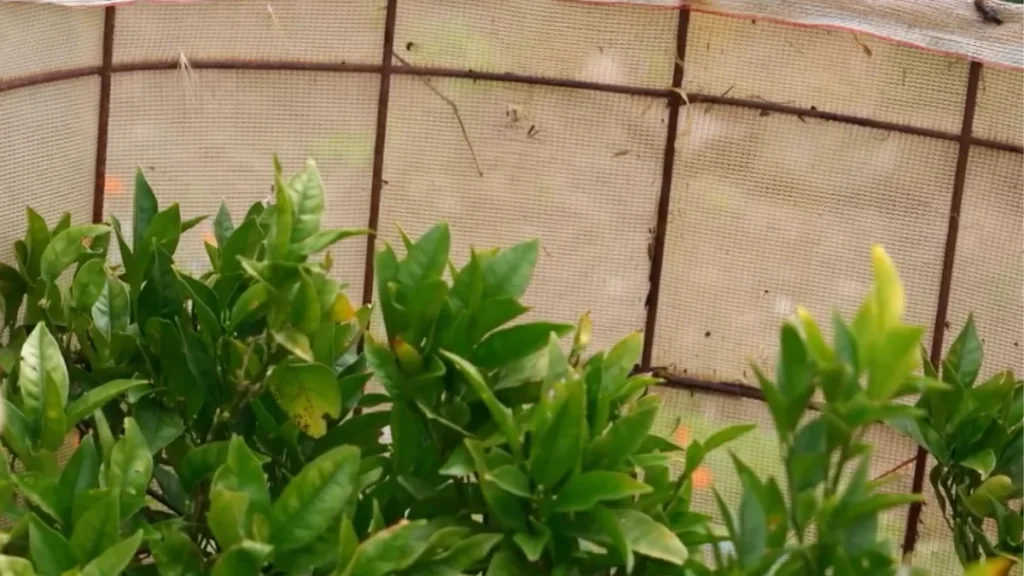
Shade cloth is one of the most affordable and flexible ways to protect balcony plants. It reduces light intensity without blocking airflow, which helps prevent heat buildup.
For balconies, lighter shade percentages often work better than heavy coverage. Around 30–50% shade usually softens harsh sun without pushing plants into low-light stress.
Shade cloth can be tied to railings, clipped to balcony screens, or draped over temporary frames. Because it is breathable, it tends to perform better than solid materials during hot weather.
Outdoor Curtains or Sheer Fabric
Outdoor curtains, sheer fabric, or even repurposed tablecloths can provide temporary shade at a very low cost. These materials work best when they are not pulled tight, allowing air to move through.
This option suits renters because it can be removed easily and adjusted throughout the day. However, thick or dark fabrics may trap heat, so lighter colours usually perform better on balconies.
Bamboo Screens and Reed Fencing
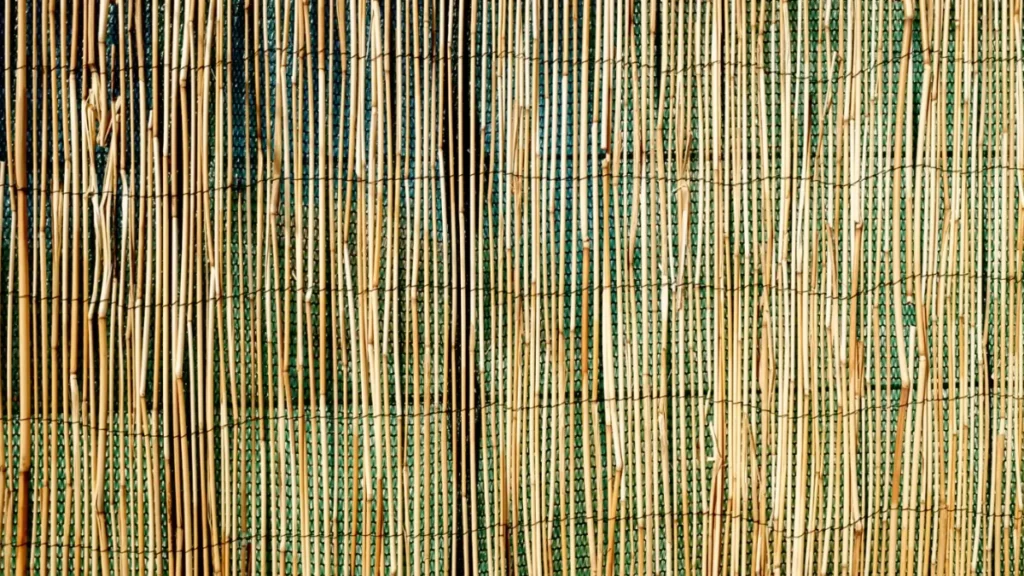
Bamboo or reed screens are commonly used for privacy, but they also offer filtered shade. They break up direct sunlight rather than blocking it completely, which suits many balcony plants.
These screens are lightweight and usually easy to attach using cable ties or hooks. Over time, they can dry out or fade, but they remain one of the cheapest semi-durable shade options available.
Using Existing Balcony Features
Sometimes the cheapest shade solution is already there. Balcony walls, railings, overhangs, and furniture can be used strategically to protect plants during peak sun hours.
Moving pots closer to walls in the afternoon or grouping plants together can create natural shade without adding materials. This approach works especially well for smaller balconies with limited space.
What Is the Cheapest Way to Shade Plants?
The cheapest way to shade balcony plants is usually repositioning combined with light fabric or shade cloth. Even temporary solutions like moving pots during peak heat or using recycled materials can reduce stress significantly.
Permanent structures are rarely necessary on balconies, and simple adjustments often provide enough protection for most plants.
What Can I Grow on a Shady Balcony?
Shady balconies can still support healthy plants, especially leafy greens, herbs, and shade-tolerant ornamentals. Many plants prefer bright, indirect light rather than full sun.
If your balcony stays shaded most of the day, plant choice matters more than shade structures. Over-shading sun-loving plants can cause weak growth rather than protection.
What Can I Use Instead of Shade Sails?
Shade sails are often impractical on balconies due to fixing points and wind exposure. Alternatives include:
- Shade cloth cut to size
- Outdoor curtains or mesh fabric
- Bamboo or reed screens
- Strategic pot placement near walls
These options are usually cheaper, easier to remove, and better suited to apartment living.
How to Create Shade on an Apartment Balcony Without Drilling
Most balcony shade setups can be installed without drilling by using hooks, clips, cable ties, or tension rods. Lightweight materials reduce strain on fixings and lower wind risk.
Temporary solutions also make it easier to adjust shade as seasons change.
Practical Tips for Balcony Shade Success
A few small adjustments often make shade more effective than adding more material:
- Use lighter colours to reflect heat
- Leave gaps for airflow
- Avoid covering plants all day if they need sun
- Adjust shade position by time of day
- Secure materials to prevent flapping in wind
Common Balcony Shade Mistakes
Many balcony gardeners run into problems not because they lack shade, but because the shade works against the plants.
- Blocking airflow completely
- Using dark, heat-absorbing materials
- Over-shading sun-loving plants
- Fixing shade too tightly
- Ignoring reflected heat from walls
Balcony Haven Note
On a standard apartment balcony, I’ve noticed that simple, low-cost shade choices often make more difference than adding heavy coverage. Heat reflection and wind exposure still play a big role, but small changes in how shade is positioned or filtered can noticeably reduce plant stress. This tends to vary from one balcony to another depending on layout and nearby buildings.
If your balcony struggles with intense sun rather than full exposure, Why do plants wilt in the afternoon sun? explains how heat stress differs from watering problems and how to recognise the signs early.
Frequently Asked Questions
Do balcony plants need shade all day?
Most plants benefit from shade only during the hottest part of the day. Morning sun is often helpful, while afternoon sun causes the most stress.
Can I use cardboard or plastic as shade?
Cardboard can work temporarily but breaks down quickly. Plastic traps heat and usually causes more harm than good on balconies.
Is shade cloth better than curtains?
Shade cloth is more breathable and consistent. Curtains work well short-term but may trap heat if too thick.
Will shade slow plant growth?
Too much shade can slow growth, especially for fruiting plants. The goal is to soften harsh light, not remove it completely.
Final Thoughts
Cheap shade solutions for balcony plants do not need to be complex or permanent. Most balcony problems come from heat intensity rather than sunlight itself, and simple materials can reduce stress without major changes.
By working with your balcony’s natural layout and adjusting shade gradually, plants usually respond quickly. Every balcony behaves differently, and learning how light moves across your space is often more valuable than installing expensive structures.
Start small, observe how plants react, and adjust as needed. Balcony gardening is less about perfection and more about working with the space you have.
Happy Balcony Gardening!
Leave a Reply