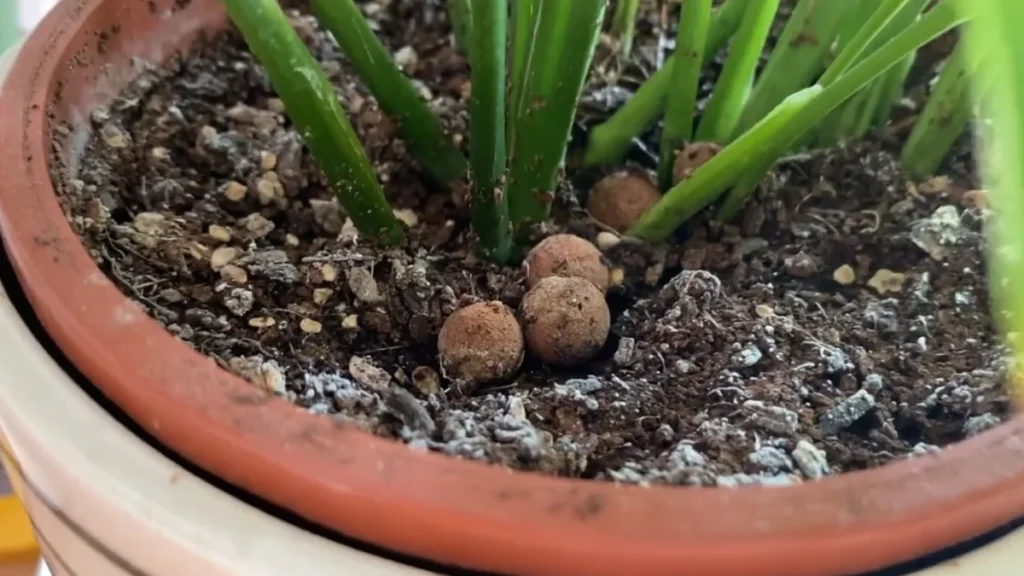
Mold on plant pots is a common problem for balcony gardeners, especially in apartments where air movement is limited and moisture takes longer to dry. It can look unpleasant and raise concerns about plant health, but in most cases, mold is more about the environment than the plant itself. So how to get rid of mold on plant pots?
Gently remove the visible mold, allow the pot to dry slightly, improve airflow around the container, and adjust watering so the soil surface can dry between watering. These small changes often stop mold from returning without harming the plant.
This guide explains why mold appears on balcony plant pots, how to remove it safely, and what actually prevents it from coming back. The focus is on apartment balconies — not garden beds — using simple, gentle steps that work in real living spaces and are easy to understand.
Table of Contents
Why Mold Appears More Often on Balcony Plant Pots
Balcony pots hold moisture differently from garden soil. On a balcony, containers usually sit on hard surfaces, receive less airflow, and rely entirely on drainage holes to release excess water. Even when you water carefully, moisture can stay trapped longer than expected.
Mold often forms when the soil surface remains damp for extended periods. This can happen during humid weather, in shaded areas, or when pots are grouped closely together. The plant may still look healthy because the roots are fine, while the surface conditions quietly support mold growth.
Balcony Conditions That Encourage Mold
Apartment balconies come with specific limits that affect how water behaves. Space is often tight, so pots are placed close together, reducing airflow between them. Many balconies are partially enclosed, which further slows drying.
Drainage is another key factor. Excess water cannot soak into the ground and is often restricted to avoid dripping onto lower balconies. Over time, this leads to soil that stays moist longer than intended. These conditions explain why mold control on balconies focuses more on drying and airflow than on chemical treatments.
How to Get Rid of Mold on Plant Pots (Step-by-Step)
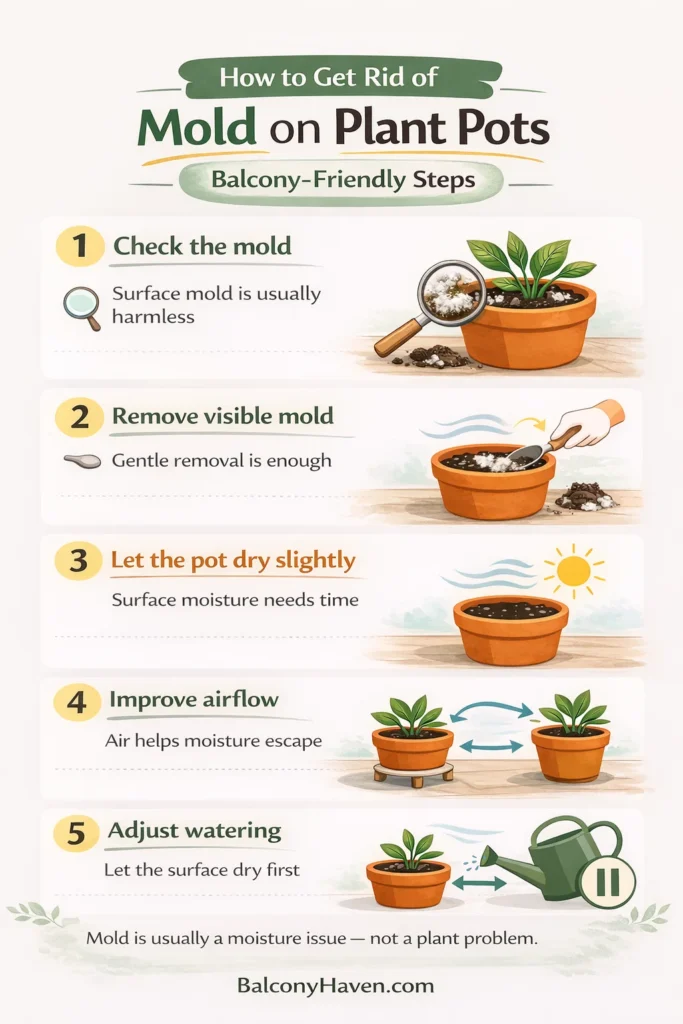
Step 1: Check What Kind of Mold You’re Seeing
Most mold on plant pots is harmless surface growth. White or grey fuzzy patches usually grow on damp organic matter in the soil rather than on plant roots. Green or dark patches often appear on the outside of pots, especially on textured or unglazed surfaces that stay moist.
If the soil smells sour or stays soggy for days, it may indicate a deeper moisture issue rather than surface mold alone. If the plant looks healthy and continues growing, the mold is usually cosmetic rather than dangerous.
Step 2: Remove Visible Mold Gently
Removing mold does not require strong products. Start by gently scraping off the visible mold using a spoon or small tool, taking care not to disturb the roots. Dispose of the removed material away from the pot so spores do not fall back onto the soil.
Next, wipe the outside of the pot with warm water. If mold is stubborn on the pot surface, a mild vinegar-and-water mix can help, but this should be used only on the pot itself, not poured into the soil. Allow the pot to dry slightly before watering again.
If mold keeps returning on the soil surface, removing the top few centimetres of soil and replacing it with fresh, dry potting mix can be effective.
Step 3: Fix the Moisture Problem That Caused It
Cleaning removes mold, but preventing it requires adjusting how moisture behaves on your balcony. Mold usually means the soil is staying wet longer than expected, even if you are not overwatering.
This often happens when pots sit flat on the balcony floor, when drainage holes are blocked, or when the soil mix holds too much water. Raising pots slightly allows air to move underneath and helps moisture escape more evenly. In many cases, this single change reduces mold significantly.
Step 4: Improve Airflow Around Pots
Airflow plays a bigger role than many balcony gardeners realise. Even gentle air movement helps the soil surface dry and makes it harder for mold to settle.
Spacing pots slightly apart can improve circulation, especially on enclosed balconies. If possible, opening nearby doors or windows during the day can also help. You don’t need strong wind — just enough movement to prevent still, damp conditions from lingering.
Step 5: Adjust Watering Without Drying Plants Out
Mold does not always mean you are watering too much. More often, it means watering too frequently. On balconies, soil can stay damp below the surface even when the top looks dry.
Instead of watering on a schedule, check the soil with your finger. If the top few centimetres still feel moist, wait another day. When you do water, water thoroughly so roots receive moisture, then allow the surface to dry slightly before the next watering.
Practical Tips That Help Prevent Mold
A few small habits make mold far less likely on balcony pots:
- Use a free-draining potting mix designed for containers
- Let the soil surface dry slightly between watering
- Space pots so air can move between them
- Clean pots before reusing them for new plants
These steps work together to reduce lingering moisture rather than just treating mold after it appears.
Common Mistakes That Make Mold Worse
Many people try to fix mold by spraying it with water or covering it with decorative layers. This often traps moisture and allows mold to return more quickly.
Another common mistake is watering lightly but often, which keeps the surface damp without helping roots. Garden advice meant for open ground can also cause problems on balconies, where drying happens much more slowly.
When Mold Is More Likely to Appear
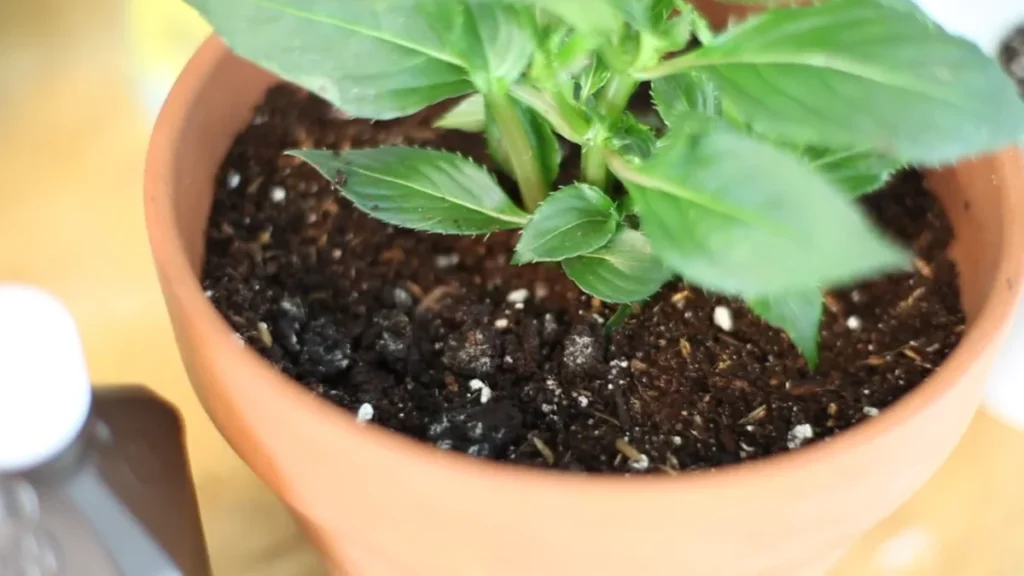
Mold is more common during humid periods, cooler seasons, or long stretches of cloudy weather. During these times, evaporation slows and soil stays damp longer.
Plants usually need less water in these conditions, even if they appear unchanged. Paying attention to weather and humidity helps prevent mold before it becomes noticeable.
Balcony Haven Note
On my own balcony, mold on plant pots tends to show up after humid weather rather than from heavy watering alone. The plants usually look fine, but the soil surface and pot sides stay damp longer than expected. Simply lifting pots off the floor and giving them a bit more space often clears the mold without changing how the plant is watered or cared for.
If the mold you’re seeing is concentrated on the soil surface rather than the pot itself, Fungus growing on balcony pot soil explains why this happens and how moisture behaves differently in balcony containers.
Frequently Asked Questions
Is mold on plant pots harmful to plants?
Most surface mold is not harmful. It usually affects the soil surface or pot exterior rather than the plant itself. As long as the roots are healthy and the soil is not staying waterlogged, the plant is unlikely to be affected.
Should I repot if I see mold?
Repotting is only needed if the soil smells bad, stays soggy, or the plant shows signs of stress. In most cases, simple adjustments are enough, and repotting too soon can actually disturb healthy roots.
Can mold spread to other plants?
Mold spores are common in the air. Improving drying conditions is more effective than isolating pots, as spores will settle anywhere moisture stays trapped.
Is vinegar safe to use?
Vinegar is safe for cleaning pot surfaces but should not be poured into soil. Even diluted vinegar can disrupt soil microbes and irritate plant roots.
Final Thoughts
Mold on balcony plant pots is usually a sign that moisture is lingering, not that something has gone wrong. Once you understand how water behaves on balconies, preventing mold becomes much easier.
Small changes to airflow, drainage, and watering habits are usually enough. Balcony gardening does not require perfect conditions — just a setup that allows pots to dry naturally between watering.
Happy Balcony Gardening!
Leave a Reply