What Plants Can Grow on Shaded Apartment Balconies?
Shaded apartment balconies can feel frustrating. You might have plenty of space, pots ready to go, and the motivation to grow plants — but the sun just never seems to show up long enough. Many apartment balconies sit in permanent shade from nearby buildings, overhangs, or the direction they face.
The best plants for shaded apartment balconies are foliage-focused plants such as ferns, snake plants, pothos, peace lilies, and shade-tolerant herbs like mint and parsley. These plants handle low light well, grow steadily without direct sun, and stay healthy in apartments where sunlight is limited.
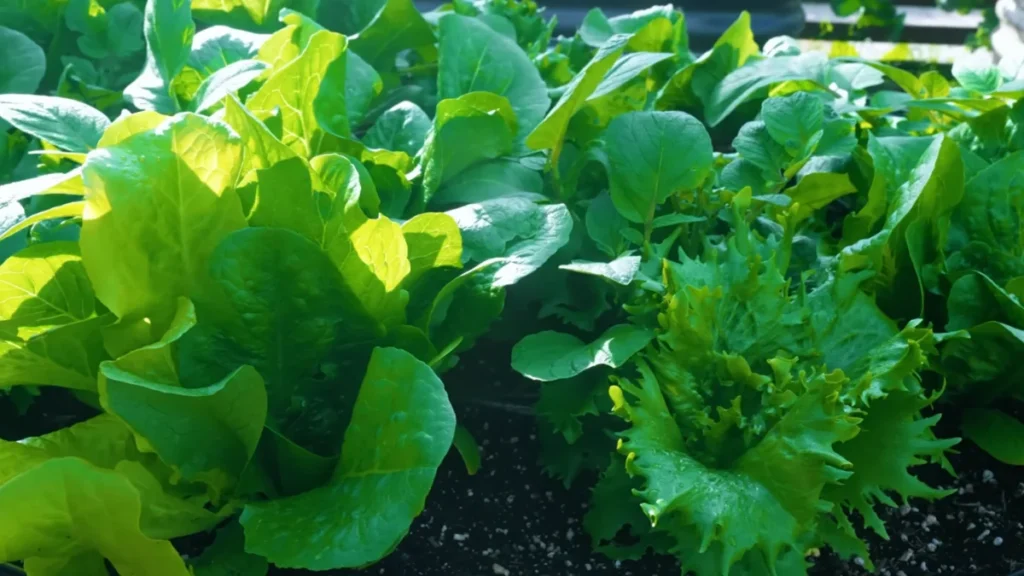
Edible plants that can cope with shaded apartment balconies include mint, parsley, chives, spring onions, lettuce, rocket, and Asian greens, as these plants can produce usable leaves with indirect or filtered light rather than full sun.
When the wrong plants are used in shade, growth often looks weak and disappointing. Leaves can stretch, colours fade, and plants slowly decline even with good care. This can make balcony gardening feel harder than it needs to be.
The good news is that shaded balconies aren’t a failure — they’re just a different environment. With the right plant choices and realistic expectations, shaded apartment balconies can still look green, calm, and alive.
Table of Contents
Understanding the Reality of Shaded Apartment Balconies
Most shaded apartment balconies don’t lack light completely — they usually receive indirect light, reflected light, or short periods of gentle sun. This kind of light is very different from open garden beds or sunny balconies.
Apartments also bring other limitations. Space is tight, pots dry differently, and airflow can be inconsistent. Many plants sold in garden centres are labelled “low light” but still expect brighter conditions than most balconies can offer.
Shaded balconies work best when plants are chosen for adaptability, not performance. The goal is steady, healthy growth rather than fast growth or heavy flowering.
Best Plants That Grow Well on Shaded Apartment Balconies
Leafy Indoor-Outdoor Plants That Handle Low Light
Plants grown mainly for their leaves tend to perform best in shade. They use light efficiently and don’t struggle without direct sun.
Peace lilies, snake plants, and ZZ plants are common examples. These plants adapt well to indirect light and remain stable in apartment conditions. They grow slowly but stay tidy and resilient.
Many of these plants are also forgiving if light levels change slightly across seasons, which is common in apartments.
Herbs That Tolerate Shade Better Than Most
While many herbs need sun, a few cope surprisingly well in shaded balconies. These herbs grow for leaves rather than flowers, making them more adaptable.
Mint, parsley, and chives can handle lower light if they receive bright indirect light for part of the day. Growth may be slower, but flavour and leaf quality remain usable.
Shaded balconies often suit herbs that are harvested lightly and regularly rather than grown for bulk yields.
Shade-Friendly Green Plants for Calm Balcony Spaces
Ferns, philodendrons, and pothos are popular for a reason. These plants evolved in forest understories, where light is filtered and uneven.
They respond well to stable conditions and can soften hard balcony edges with trailing or arching leaves. Many of them grow well in hanging pots or vertical setups, which helps save floor space.
These plants focus on leaf health rather than sun-driven flowering, making them reliable long-term choices.
What Can You Grow on a Shaded Apartment Balcony?
A shaded apartment balcony supports plants that value consistency over intensity. You’re more likely to succeed with plants that grow slowly and stay compact.
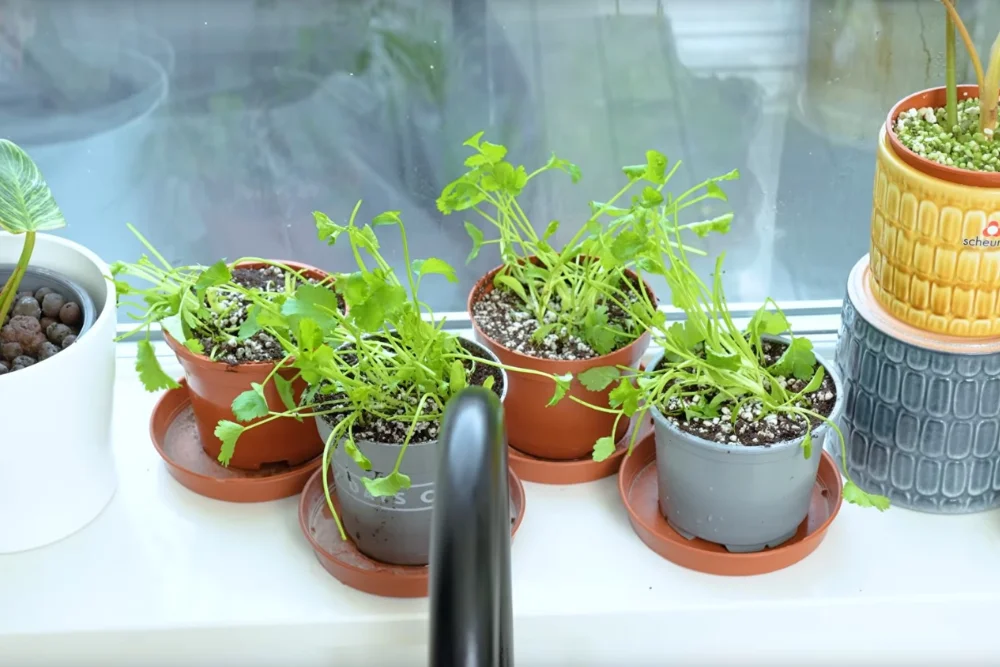
Instead of trying to grow vegetables or flowers that need full sun, shaded apartment balconies are better suited to foliage plants and shade-tolerant herbs such as ferns, snake plants, pothos, peace lilies, philodendrons, calatheas, zz plants, spider plants, mint, parsley, coriander, and chives. These plants handle low light well, grow steadily without direct sun, and stay healthy in apartments where sunlight is limited.
Practical Tips for Growing Plants in Balcony Shade
Shaded balconies benefit from small adjustments rather than big changes.
- Place plants where they receive the brightest indirect light
- Rotate pots occasionally so growth stays even
- Avoid overcrowding, which blocks available light
- Use light-coloured pots to reflect brightness
- Expect slower growth and adjust expectations
These small habits help plants make the most of limited light without adding complexity.
Common Mistakes With Shaded Balcony Plants
Shaded balconies often fail due to plant choice rather than care.
- Choosing sun-loving plants and hoping they adapt
- Overwatering slow-growing plants
- Ignoring seasonal light changes
- Packing too many pots into one space
- Expecting fast growth in low light
Recognising these patterns early helps avoid frustration.
Balcony Haven Note
On my own balcony, sunlight is limited and some areas stay shaded for most of the day. What I’ve noticed is that plants respond more to where the light reaches than to how much effort goes into care. Small changes in plant placement often made a bigger difference than changing soil or watering routines. This can vary from one balcony to another, but observing how light moves across the space has been more helpful than following strict rules.
If your balcony receives some light but still feels limited, you may find plants for balconies with 2–4 hours sun especially helpful. This article explores plant options that sit between full shade and full sun and explains how short light windows affect growth.
Frequently Asked Questions
What plants grow best in full shade on a balcony?
Plants grown mainly for foliage tend to perform best in full shade because they don’t rely on strong sunlight to flower or fruit. Ferns, snake plants, pothos, and peace lilies are common choices, as they can stay healthy with indirect or reflected light. These plants usually grow more slowly, but they maintain leaf colour and structure without becoming stressed by low sun levels.
Can herbs grow on a shaded apartment balcony?
Some herbs can grow in shade, but options are limited. Mint, parsley, and chives tolerate low light better than sun-loving herbs like basil or rosemary. While they may not grow as quickly or as densely, they can still produce usable leaves if they receive bright indirect light and aren’t overwatered.
Do shaded balconies get enough light for plants?
Most shaded balconies receive indirect, reflected, or filtered light rather than complete darkness. This level of light is often enough for shade-adapted plants to survive and grow steadily. While direct sun speeds up growth, many leafy plants remain healthy as long as the space isn’t completely enclosed or blocked from daylight.
Why do plants grow slowly on shaded balconies?
Lower light levels limit how much energy a plant can produce through photosynthesis. As a result, growth slows down, and plants focus on maintaining existing leaves rather than producing new ones quickly. Slow growth is normal in shaded conditions and doesn’t automatically mean the plant is struggling or unhealthy.
Final Thoughts
Shaded apartment balconies aren’t a limitation — they simply work by different rules. Once plants are chosen to match the light available, gardening becomes less about fixing problems and more about maintaining balance. Shade-friendly plants tend to grow at their own pace, which often makes the space feel calmer and easier to manage over time.
Instead of pushing sun-loving plants to adapt, shaded balconies reward observation and realistic expectations. Growth may be slower, but healthy leaves, steady colour, and consistent structure are often better indicators of success than fast results.
When plants are suited to shade, balconies require fewer adjustments and less guesswork. With the right choices, even low-light spaces can become stable, green, and genuinely enjoyable to grow in.
Happy Balcony Gardening!
Leave a Reply